
Flowers
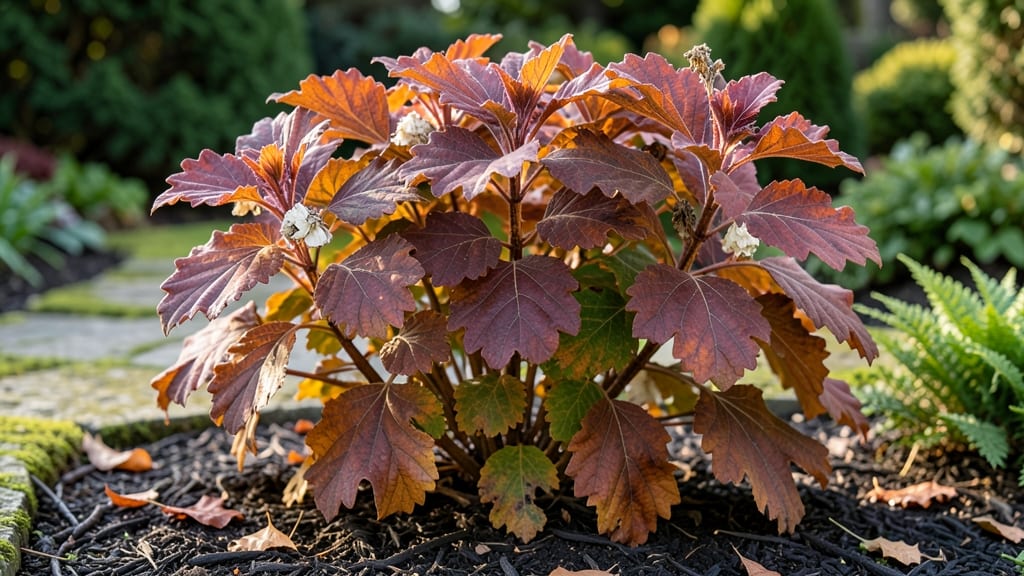
The oakleaf hydrangea fall color transforms your yard into a fiery autumn painting—deep reds that make maples jealous. 🍂 That stunning transformation isn't luck; it's science. The leaves pack anthocyanins (pigments that also give cranberries their color) when cooler nights and shorter days trigger the shift from green to crimson.
The secret to intensifying those colors? Morning sun and afternoon shade—too much direct sun fades the reds faster. I've seen my bushes go from dull bronze to vibrant burgundy just by adjusting where I plant them near the house.
Even soil pH plays a role: slightly acidic soil (pH 5.5-6.0) boosts those rich hues. Prune lightly in late winter to avoid cutting off next year's showiest leaves.
Water consistently through early fall to keep the foliage lush, but cut back in October—wet leaves in cold snaps can develop frost damage. The result? Leaves that stay stunning for weeks, long after other shrubs have faded.
This shrub thrives in zones 5-9, making it a low-maintenance superstar for borders, foundations, or woodland gardens. Plant it now and enjoy the free autumn display every year!
📚 In This Guide
- What you need
- Instructions
- Tips and common mistakes
- Wrapping up and next steps
What you need
- ● Oakleaf hydrangea plants (ensure they’re healthy and well-established, ideally 3–5 years old for optimal fall color).
- ● Well-draining soil (pH 5.0–6.0 is ideal; amend with compost or peat moss if needed).
- ● Mulch (3–4 inches of organic mulch like shredded bark or pine needles to retain moisture and regulate soil temp).
- ● Watering can or hose with a gentle spray nozzle (for consistent moisture without damaging foliage).
- ● Pruning shears (clean, sharp shears for trimming dead or overgrown branches in early spring).
- ● Fertilizer (balanced 10-10-10 or acid-loving plant fertilizer like a hydrangea-specific blend).
- ● Gloves and protective clothing (to avoid thorns and soil irritation).
- ● Soil test kit (to check pH and nutrient levels before planting).
- ● Slow-release fertilizer spikes (for steady nutrient delivery over time).
- ● Plant supports or stakes (if your hydrangea is young or in a windy area).
- ● Leaf mulch or fallen oak leaves (to mimic natural conditions and boost fall color intensity).
- ● Phosphorus-rich fertilizer** (like bone meal) in early fall to deepen reds and purples.
How to enhance oakleaf hydrangea fall colors naturally
Here's how to coax those fiery reds and purples from your oakleaf hydrangea—no special products needed.
🌿 Step 1: Prune Strategically in Late Winter
Prune your oakleaf hydrangea between late February and early March while it's still dormant. Remove dead or crossing branches first, then cut back the remaining stems by one-third to one-half of their height. This encourages new growth that will produce the most vibrant fall foliage.
I always use clean, sharp pruners to make clean cuts just above a leaf node or outward-facing bud. Avoid cutting into old wood—you'll know it's time to stop when you see only bare stems. The goal is to stimulate fresh, healthy growth from the base that will develop into those stunning fall leaves.
☀️ Step 2: Provide Full Sun and Proper Watering
Oakleaf hydrangeas thrive in full sun to partial shade (at least 6 hours of direct sunlight daily). The more sun they get, the more intense their fall colors will be. If your plant is in partial shade, gradually move it to a sunnier location over 2-3 weeks to avoid leaf scorch.
Water deeply once a week during dry spells, ensuring the top 12 inches of soil stays moist but not soggy. I test this by sticking my finger in the soil—if it feels dry past the first inch, it's time to water. Consistent moisture prevents stress that can dull fall colors. Mulch around the base with 2-3 inches of organic mulch to retain moisture and protect roots.
💧 Step 3: Fertilize for Vibrant Growth
In early spring, apply a balanced, slow-release fertilizer (10-10-10 or similar) around the base of the plant. Use half the recommended dose—too much nitrogen can reduce fall color intensity. Spread the fertilizer evenly within the drip line (the area where water naturally falls from the leaves) and water it in thoroughly.
Skip fertilizing after mid-summer—this allows the plant to focus on developing fall foliage rather than new growth. I also avoid high-phosphorus fertilizers, as they can encourage more flowers at the expense of leaf color. A light feeding in spring is all you need.
✂️ Step 4: Monitor for Pests and Disease
Check your hydrangea regularly for aphids, spider mites, or powdery mildew, which can stress the plant and weaken fall colors. I spray leaves with a hose attachment to dislodge pests, or use neem oil for stubborn infestations. Early intervention is key—waiting until you see severe damage can reduce the plant's ability to produce vibrant foliage.
Ensure good air circulation by pruning crowded branches and avoiding overhead watering. If you notice yellowing leaves, it could signal iron deficiency—apply chelated iron in early spring to correct this. Healthy leaves now mean richer colors later.
🌱 Step 5: Prepare for Fall Color Development
Starting in early August, reduce watering slightly to every 10-14 days unless your area experiences extreme heat. This slight stress encourages the plant to produce anthocyanins, the pigments responsible for those deep reds and purples. Just don’t let the soil dry out completely—hydrangeas still need moisture to thrive.
Watch for the first hints of color in September—you’ll see leaves turning from green to subtle shades of pink or burgundy. This is your cue to stop fertilizing entirely and focus on keeping the plant healthy. The more balanced care you provide now, the more dramatic the fall display will be.
Tips & tricks for stunning oakleaf hydrangea fall foliage
Real talk: The difference between average fall colors and jaw-dropping reds often comes down to these subtle details.
Timing is Everything: When pruning in Step 1, I can't stress enough how important that late February to early March window is. If you prune too early, you risk damaging new growth before it's protected by warmer weather. If you wait too long, you might accidentally trim off next year's flower buds. The key is to prune when the plant is still completely dormant but just as buds begin to swell—this is your cue to act.
Sunlight Strategy: For Step 2, if your oakleaf hydrangea gets less than 6 hours of sun daily, try moving it to a sunnier spot gradually over 2-3 weeks. Sudden exposure can cause leaf scorch, which defeats the purpose of vibrant colors. I've seen dramatic color improvements in plants that got just an extra hour of morning sun—those early rays are especially powerful for anthocyanin production. Consider using a light shade cloth if your area gets intense afternoon sun.
Fertilizer Fine-Tuning: In Step 3, that half dose of balanced fertilizer is non-negotiable. I learned this the hard way after over-fertilizing and getting mostly green leaves instead of red. The goal is to encourage leaf development, not lush new growth. For an extra boost, I mix in a handful of chelated iron at the same time—this helps prevent yellowing that can dull fall colors.
Fall Color Trigger: Starting in early August (Step 5), I reduce watering to every 10-14 days but keep an eye on the weather. If we get a heatwave, I'll water more frequently to prevent stress. The slight drought stress is what triggers those beautiful anthocyanins, but you don't want to let the plant wilt. Think of it like giving your hydrangea a gentle nudge toward its fall glory rather than pushing it too hard.
Pro Tips for Oakleaf Hydrangea Fall Color
- Real talk: The difference between average fall colors and jaw-dropping reds often comes down to these subtle details.
- Timing is Everything: When pruning in Step 1, I can't stress enough how important that late February to early March window is.
- Sunlight Strategy: For Step 2, if your oakleaf hydrangea gets less than 6 hours of sun daily, try moving it to a sunnier spot gradually over 2-3 weeks.
Frequently asked questions
Got questions about oakleaf hydrangeas and their stunning fall colors?
You’re not alone! Here are answers to the most common queries—from timing to troubleshooting—so you can enjoy those fiery foliage displays with confidence.
When do oakleaf hydrangeas turn red in the fall?
Timing depends on your climate, but most oakleaf hydrangeas (Hydrangea quercifolia) start shifting to deep reds, oranges, and purples in late September to early October. Cooler nights and shorter days trigger the color change. In warmer zones (like Zones 7-9), the transformation may begin earlier, while colder regions might see peak color into November.
Why aren’t my oakleaf hydrangea leaves changing color this fall?
Missing vibrant fall hues? A few culprits could be at play:
- Too much nitrogen: Fertilizers high in nitrogen promote leafy growth but delay color shifts. Switch to a low-nitrogen, high-potassium fertilizer in early fall.
- Late pruning: Pruning after mid-summer removes next year’s flower buds and can stunt fall color. Wait until late winter or early spring.
- Drought stress: Inconsistent watering can dull colors. Keep soil evenly moist (but not soggy) through summer and fall.
- Sunlight issues: Oakleaf hydrangeas thrive in partial shade. Too much direct sun can fade colors, while too little shade may slow the process.
Pro tip: If your plant is otherwise healthy, give it a few more weeks—some varieties peak later!
Are there oakleaf hydrangea varieties with the best fall colors?
If you’re hunting for showstopping fall foliage, prioritize these cultivars:
- ‘Snow Queen’: Creamy white blooms turn rosy-pink with fiery red leaves in fall.
- ‘Pee Wee’: Compact size with deep burgundy-red leaves and lush blooms.
- ‘Amethyst’: Lavender flowers paired with vibrant crimson foliage.
- ‘Alice’: Large leaves that blaze bright red-orange in autumn.
Bonus: ‘Southern Shadow’ boasts near-black stems and deep red leaves—perfect for dramatic contrast!
Do oakleaf hydrangeas keep their color through winter?
While they won’t stay vibrant like spring blooms, oakleaf hydrangeas often retain some color until late winter—especially in milder climates (Zones 7-9). In colder areas (Zones 5-6), leaves may brown or drop by early winter. However, the striking exfoliating bark adds winter interest! Mulch around the base to protect roots and preserve next year’s color.
Can I plant oakleaf hydrangeas in fall for better color next year?
Yes! Fall planting (between October and November) gives roots time to establish before winter, leading to healthier growth and more vibrant fall colors the following year. Choose a spot with well-draining soil and morning sun/afternoon shade. Water deeply after planting and apply a 2-3 inch layer of mulch to retain moisture. Just avoid planting when frost is imminent!
Wrapping up and next steps
Ready to embrace the stunning fall drama of oakleaf hydrangeas? Their fiery reds and warm hues aren’t just nature’s masterpiece—they’re a must-have for any garden that wants to shine through autumn.
Whether you’re a seasoned gardener or just starting, these plants offer low-maintenance beauty and year-round interest, proving that fall doesn’t have to be an afterthought. 🍂
Now’s the perfect time to plant, prune, or simply admire these showstoppers. Grab a pair of gloves, sketch out your dream garden layout, or even share your oakleaf hydrangea love with fellow plant enthusiasts—your garden (and your neighbors!) will thank you. Happy gardening!