
Trees
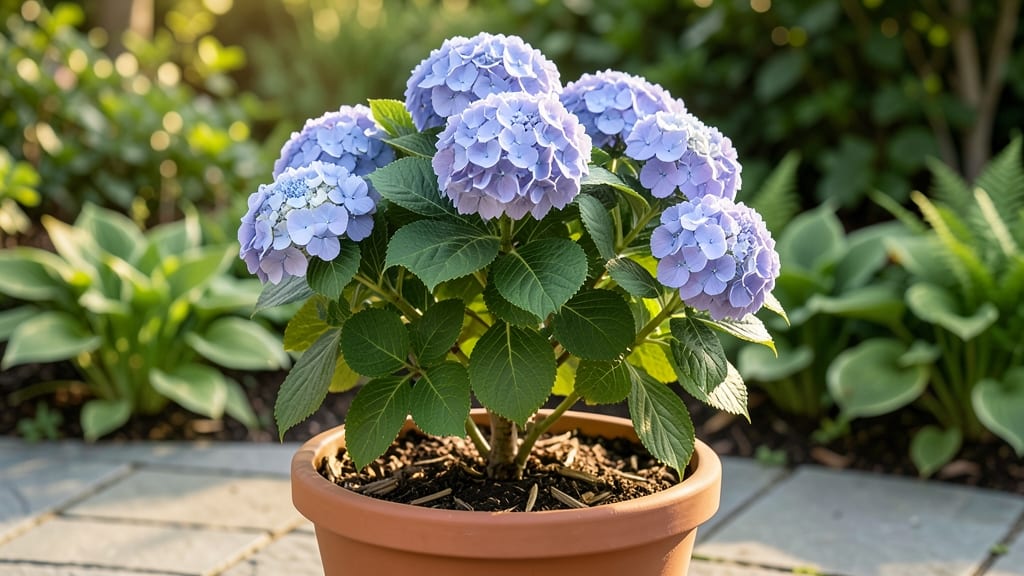
Growing a dwarf oak leaf hydrangea lets you enjoy that iconic oakleaf texture and fall color—without the space requirements. 🌿 I’ve grown these in containers and garden beds, and they’re the perfect low-maintenance shrub for small spaces, patios, or foundation plantings.
They thrive in partial shade (morning sun, afternoon shade works best) and tolerate a range of soils, though they appreciate well-draining, slightly acidic mix. Water consistently the first year to establish roots, then let the soil dry slightly between waterings—overwatering is their biggest enemy.
By late summer, you’ll see those signature deep green, lobed leaves turning fiery red and orange in fall, lasting well into winter. The blooms? Small but charming, with a delicate, airy quality that complements any garden style.
Prune lightly in late winter to shape and remove dead wood—no heavy pruning needed. Perfect for urban gardens, mixed borders, or even as a standalone specimen. Let’s get yours established!
📚 In This Guide
- What you need
- Instructions
- Tips and common mistakes
- Wrapping up and next steps
What you need
- ● Dwarf oak leaf hydrangea: 1–3 nursery-grown plants (3–6 ft tall, depending on variety)
- ● OR seeds (if propagating from scratch)
- ● Well-draining potting mix or garden soil: 5–10 gallons (for containers) or amended native soil (for in-ground planting)
- ● Organic mulch: 2–3 inches (pine bark, shredded leaves, or compost)
- ● Slow-release fertilizer: 10-10-10 or acid-loving plant formula (1 lb per plant)
- ● Watering can or hose with a gentle spray nozzle
- ● Pruning shears (sterilized)
- ○ Gloves (optional but recommended)
- ● Container: 15–20 gallon pot (if growing in a pot) with drainage holes
- ● Soil pH tester: Ideal range: 5.0–6.0 (acidic)
- ● Staking: 3–4 ft bamboo stakes + soft ties (for young plants in windy areas)
- ● Epsom salt (magnesium sulfate): 1 tbsp per gallon of water (for vibrant foliage)
- ● Plant support: Wire mesh or trellis (if training as a small shrub)
Step-by-step instructions for planting and caring for dwarf oak leaf hydrangea
Here’s how to establish these stunning shrubs for vibrant foliage and long-lasting blooms—my foolproof method for lush, compact growth.
🪴 Step 1: Select the Perfect Planting Site and Prepare the Soil
Dwarf oak leaf hydrangeas thrive in partial shade to full sun, but morning sun with afternoon shade prevents leaf scorch in hotter climates. Choose a spot where the shrub will receive at least 4-6 hours of sunlight daily, with protection from harsh afternoon rays. These plants are adaptable to various soil types, but they perform best in well-draining, slightly acidic soil with a pH between 5.0 and 6.5. If your soil is heavy clay, amend it with 2-3 inches of organic matter—like compost or aged bark—mixed into the top 12 inches of soil.
Dig a hole twice as wide as the root ball but only as deep as the container it came in. Loosen the roots gently if they’re circling or bound, and place the plant so the top of the root ball sits level with the surrounding soil. This ensures proper drainage and prevents waterlogging, which can lead to root rot. I always add a handful of slow-release fertilizer to the hole to give the hydrangea a nutrient boost as it establishes.
🌱 Step 2: Plant and Water Thoroughly to Settle the Roots
Backfill the hole with the amended soil, pressing lightly around the roots to eliminate air pockets. Avoid compacting the soil too firmly, as this can restrict root growth. Water the plant deeply right after planting—this helps settle the soil and encourages roots to spread outward. You’ll know you’ve watered enough when the soil 1-2 inches below the surface feels moist but not soggy. Mulch the base of the plant with 2-3 inches of organic mulch, like shredded bark or pine needles, keeping it 2-3 inches away from the stem to prevent rot.
Here’s the thing—don’t overwater immediately after planting. While it’s crucial to keep the soil moist during the first few weeks, soggy soil can suffocate roots. Instead, water every 2-3 days until new growth appears, then adjust based on rainfall and soil dryness. I like to check moisture by sticking my finger into the soil—if it’s dry 1 inch down, it’s time to water.
☀️ Step 3: Provide Consistent Care for Year-Round Foliage and Blooms
Dwarf oak leaf hydrangeas are low-maintenance once established, but they do appreciate regular watering during dry spells—aim for 1-1.5 inches of water per week, either from rainfall or irrigation. These shrubs are drought-tolerant once mature, but consistent moisture encourages vibrant foliage and abundant blooms. Fertilize in early spring with a balanced, slow-release fertilizer (like 10-10-10) to support new growth. Avoid heavy nitrogen fertilizers, which can reduce flowering.
Prune in late winter or early spring before new growth appears. Remove dead, diseased, or crossing branches, and shape the shrub by cutting back last year’s growth to encourage bushier, fuller growth. I never prune more than one-third of the plant in a single season—this keeps the hydrangea compact and prevents stress. Watch for new leaf buds in early spring; these are your cue that the plant is waking up and ready for fresh growth.
✂️ Step 4: Maintain for Long-Term Health and Seasonal Interest
These hydrangeas are prized for their year-round interest, with striking foliage in spring and summer, followed by showy blooms in late summer to fall. To keep the plant looking its best, remove spent blooms in late fall or early winter, but leave the seed heads if you want winter interest. The seed heads add texture and contrast, especially when dusted with frost. In late winter, apply a 2-3 inch layer of mulch to insulate the roots and protect against temperature fluctuations.
Real talk: pests and diseases are rare, but keep an eye out for aphids or spider mites, which can stress the plant. If you spot them, treat with neem oil or insecticidal soap—these are gentle but effective. Hydrangeas are also susceptible to powdery mildew in humid conditions, so ensure good air circulation by spacing plants 3-4 feet apart. If you notice white powdery spots on the leaves, prune affected areas and apply a fungicide if needed.
Tips & tricks for perfect dwarf oak leaf hydrangea cultivation
Transforming your garden into a year-round showcase of color starts with these game-changing insights for your compact hydrangea.
Lighting Strategy: For that perfect balance of vibrant foliage and blooms, position your dwarf oak leaf hydrangea where it gets morning sunlight and afternoon shade. If you're in a hotter climate, even partial shade all day prevents leaf scorch while still encouraging those stunning blooms. I've seen dramatic differences when plants receive just 4 hours of morning sun versus full sun—less stress, more consistent color.
Soil Science: The secret to thriving hydrangeas lies in that slightly acidic soil (pH 5.0-6.5). If your soil tests outside this range, amend it with compost or peat moss—I've had the best results with a 50/50 mix of garden soil and compost**. Test your soil first! A simple home test kit reveals everything you need to know. The right pH makes all the difference in those rich fall foliage colors.
Watering Wisdom: That 1-1.5 inches of water per week isn't just a number—it's about consistency. Use a rain gauge or tuna can to measure accurately. In Step 2, when you're checking soil moisture, look for 1 inch dryness as your guide. I've learned the hard way that letting these plants dry out completely stresses them, leading to fewer blooms. For container-grown hydrangeas, water daily during hot spells since pots dry out faster.
Seasonal Pruning: Timing is everything with pruning! Cut back last year's growth in late winter or early spring before those new leaf buds appear. I always prune just above a leaf bud to encourage new growth. Never prune more than one-third of the plant at once—this keeps your hydrangea compact and prevents stress. The key is to shape while you prune, creating that beautiful rounded form these shrubs are known for.
Pro Tips for Dwarf Oak Leaf Hydrangea
- Transforming your garden into a year-round showcase of color starts with these game-changing insights for your compac...
- Lighting Strategy: For that perfect balance of vibrant foliage and blooms, position your dwarf oak leaf hydrangea whe...
- Soil Science: The secret to thriving hydrangeas lies in that slightly acidic soil (pH 5.0-6.5). If your soil tests ou...
Frequently asked questions
Got questions about growing and caring for your dwarf oak leaf hydrangea? Here are some of the most common ones—plus expert answers to keep your compact shrub thriving year-round!
How fast does a dwarf oak leaf hydrangea grow?
A dwarf oak leaf hydrangea grows about 6–12 inches per year, reaching its mature height of 3–4 feet in 3–5 years. Its slow growth makes it perfect for small gardens or container planting—no need to worry about it outgrowing its space too quickly! Pro tip: Prune lightly after flowering to encourage bushier growth.
When is the best time to plant a dwarf oak leaf hydrangea?
The ideal times are early spring or fall when temperatures are mild. Planting in spring gives roots time to establish before summer heat, while fall allows for root growth before winter dormancy. Avoid extreme heat or frost—both can stress young plants. Bonus: Amend soil with compost for a head start!
Why are the leaves on my hydrangea turning brown or yellow?
Brown or yellow leaves often signal overwatering, underwatering, or fungal issues. Check soil moisture—it should stay evenly moist but not soggy. Yellowing can also mean nutrient deficiency (try a balanced fertilizer) or pests like spider mites. Prune affected branches to improve airflow and reduce disease risk. Fix it fast: Adjust watering and inspect undersides of leaves for pests.
Does a dwarf oak leaf hydrangea need winter protection?
In USDA zones 6–8, these hardy shrubs handle winter well, but young plants or harsh winters may need help. Mulch the base with 2–3 inches of organic mulch (like shredded bark) to insulate roots. In zones < 6, wrap the plant in burlap or frost cloth for extra protection. Remember: Avoid heavy mulch piles against stems to prevent rot.
Can I grow a dwarf oak leaf hydrangea in a pot?
These shrubs thrive in 15–20 gallon containers with well-draining soil and regular watering. Choose a pot with drainage holes and use a slow-release fertilizer to avoid overfeeding. Move pots to partial shade in summer to prevent leaf scorch. Container hack: Group pots together for a lush, cohesive look!
Wrapping up and next steps
The Dwarf Oak Leaf Hydrangea is a stunning, low-maintenance addition to any garden, offering year-round color and compact elegance. With the right care—sunlight, well-draining soil, and occasional pruning—you’ll enjoy its vibrant foliage and delicate blooms for seasons to come.
Ready to transform your space? Start by selecting the perfect spot and give this beauty the love it deserves! 🌿✨
- Next step: Plant your Dwarf Oak Leaf Hydrangea and watch it thrive!