
Leaf Blower
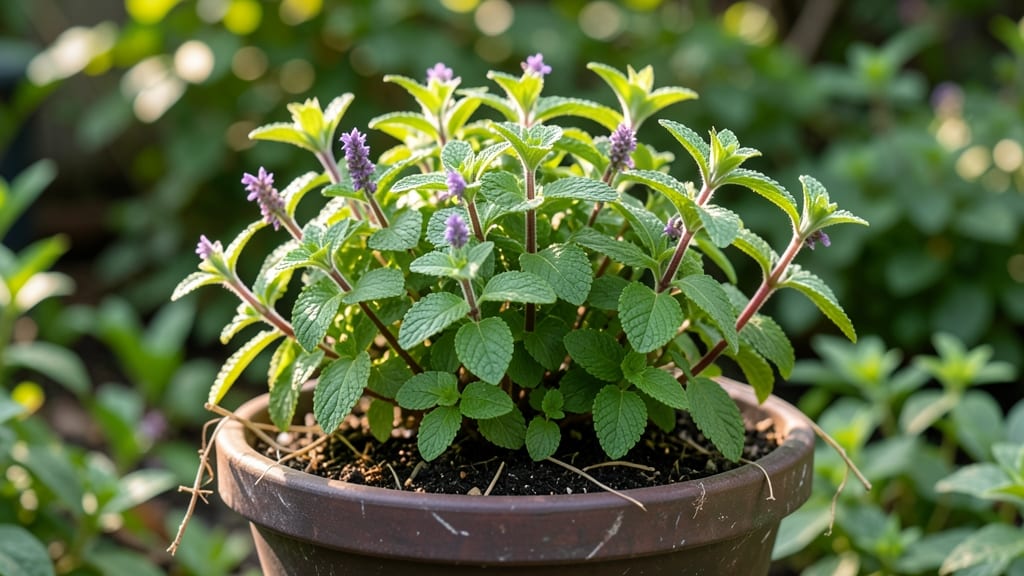
Growing Chinese mint leaf (Perilla frutescens) is like having a fragrant, fast-spreading green machine that thrives where other plants struggle. 🌿 This shade-loving perennial spreads quickly, filling gaps in your garden with striking foliage that’s perfect for cooking or adding color to containers.
The secret? It’s shockingly low-maintenance once you get the basics right.
Start with well-draining soil and partial shade—this plant hates direct sun and dry spells. Water consistently but avoid soggy roots, and pinch back leggy stems to encourage bushier growth.
Within 4-6 weeks, you’ll see vibrant new leaves ready for harvest, and the plant will spread aggressively if left unchecked (which is great if you want ground cover!).
📚 In This Guide
- What you need
- Instructions
- Tips and common mistakes
- Wrapping up and next steps
What you need
- ● Chinese mint leaf seeds or cuttings: For seeds: 1–2 packets (500–1,000 seeds per packet). Pro tip: Seeds germinate best when fresh!
- ● For cuttings: 3–5 healthy stems (4–6 inches long) from an established plant. ✨
- ● Well-draining potting mix or garden soil: 5–10 gallons (for containers) or amended garden beds (for in-ground planting). Mix with compost (1 part compost to 3 parts soil) for nutrient-rich soil.
- ○ Containers (optional but helpful): 1–2 5–10 gallon pots with drainage holes (for seedlings or cuttings). 💡 Use fabric pots to prevent root circling!
- ● Grow bags (7–10 gallons) for larger plants.
- ● Slow-release fertilizer (5-10-5 or balanced NPK): 1–2 cups per plant or container (follow package instructions).
- ○ Mulch (optional but recommended): Shredded bark, straw, or pine needles to retain moisture and suppress weeds.
- ● Garden trowel or transplanting spade (for digging and planting).
- ● Pruning shears or sharp scissors (for harvesting cuttings or trimming).
- ● Watering can or hose with a gentle spray nozzle (Chinese mint loves moisture but hates soggy roots!).
- ○ Gloves (optional)—mint can be invasive, and gloves help protect your hands from its rough edges.
- ○ pH test kit (optional): Ideal soil pH for mint is 6.0–7.0. Adjust with lime (to raise pH) or sulfur (to lower pH) if needed.
- ● Sunlight: Partial to full shade (2–6 hours of direct sun daily). Avoid harsh afternoon sun in hot climates.
- ● Water: Consistent moisture—1–1.5 inches per week (more in containers). Let soil dry slightly between waterings to prevent root rot.
- ● Climate: Thrives in USDA Zones 3–9. Hardy to -20°F but may need winter mulch in colder zones.
- ● Space: Chinese mint spreads aggressively! Plant 12–18 inches apart in containers or use root barriers in garden beds.
Step-by-step instructions for growing Chinese mint leaf
Here’s how to cultivate this fragrant, shade-loving perennial with minimal fuss—it spreads fast once established.
🌱 Step 1: Choose the Perfect Planting Spot
Chinese mint leaf thrives in partial to full shade, making it ideal for under trees or north-facing gardens. Pick a spot with dappled sunlight—at least 4-6 hours of indirect light daily—to prevent leaf scorch. The soil should drain well but retain moisture, so avoid soggy areas where roots might rot.
Test your soil by squeezing a handful: it should crumble slightly when dry but not feel powdery. If your soil is heavy clay, amend it with 2-3 inches of compost before planting. This perennial spreads aggressively, so plant it in a contained bed or large container if you want to control its growth.
🪴 Step 2: Plant Divided Roots or Seeds
For fastest results, plant divided roots in early spring or fall. Dig a hole twice as wide as the root ball but only as deep as it was growing before. Place the root system in gently, ensuring the top isn’t buried too deep—1 inch below soil level is ideal. Backfill with native soil mixed with 1 part compost to encourage establishment.
If starting from seed, sow them ¼ inch deep in well-drained soil and keep them moist until germination, which takes 2-4 weeks in ideal conditions. Thin seedlings to 12 inches apart once they reach 3-4 inches tall—this prevents overcrowding and encourages bushier growth.
💧 Step 3: Water and Mulch for Optimal Growth
Water deeply once a week during the first growing season, ensuring the soil stays evenly moist but not waterlogged. You’ll know it’s right when the top 1-2 inches of soil feel damp to the touch. Once established, Chinese mint leaf is drought-tolerant but produces the most flavorful leaves when kept consistently moist.
Apply a 2-inch layer of mulch (like shredded bark or straw) around the base to retain moisture and suppress weeds. Keep mulch 2 inches away from the stems to prevent rot. This is where the plant’s rapid spread kicks in—mulch also helps roots creep outward faster.
✂️ Step 4: Prune and Harvest for Bushier Growth
Harvest leaves regularly to encourage dense growth—pinch back stems just above a set of leaves when they reach 4-6 inches tall. This triggers bushier regrowth and prevents leggy stems. For culinary use, harvest younger leaves for the strongest flavor, as they’re more tender and aromatic.
In late winter or early spring, cut back dead or woody stems to the ground. This rejuvenates the plant and makes room for fresh, fragrant new growth. If the mint spreads too aggressively, dig up and divide clumps in early spring—this keeps it contained while ensuring healthy plants.
☀️ Step 5: Protect and Maintain Through Seasons
Chinese mint leaf is hardy in USDA Zones 5-9, but in colder climates, mulch heavily in fall to protect roots. In heatwaves, provide afternoon shade to prevent leaf burn. Fertilize lightly in early spring with a balanced 10-10-10 formula—too much nitrogen leads to leafy growth at the expense of flavor.
Watch for powdery mildew in humid conditions—improve airflow by spacing plants properly and avoid overhead watering. With minimal care, your Chinese mint leaf will spread into a fragrant, fast-growing ground cover that’s perfect for shade gardens and culinary use.
Tips & tricks for perfect Chinese mint leaf cultivation
Here's what I learned after growing this fragrant perennial—these tricks will help you avoid common pitfalls and maximize your harvest.
Light Balance: That 4-6 hours of indirect light is crucial, but don't assume all shade is equal. East-facing windows or dappled sunlight under deciduous trees work best. I once placed mine under a dense evergreen and lost half the plant to leaf burn—don't make that mistake. If your garden gets intense afternoon sun, provide afternoon shade with a sheer curtain or nearby structure.
Soil Preparation Strategy: The 2-3 inches of compost recommendation is non-negotiable for heavy clay soils, but don't stop there. Mix in a handful of perlite or coarse sand to improve drainage without sacrificing moisture retention. I've found that amending the soil with worm castings (about 1 cup per planting hole) gives an extra flavor boost to the leaves—worth the small investment for gourmet gardeners.
Mulching Technique: That 2-inch mulch layer isn't just about moisture—it's about controlling spread. Apply mulch in a circular pattern extending 6 inches beyond the plant's current growth edge. This creates a natural barrier while still allowing roots to creep outward. For container growing, use landscape fabric as a liner before adding mulch to prevent roots from escaping through drainage holes.
Harvest Timing Secret: Those 4-6 inch stems are perfect for harvesting, but here's the pro move: harvest in the morning after dew has dried but before the sun gets too intense. The essential oils are most concentrated then, giving you the strongest flavor. And when you pinch back stems, always leave at least 2 sets of leaves—this ensures continuous growth instead of stunted regrowth.
Pro Tips for Chinese Mint Leaf
- Here's what I learned after growing this fragrant perennial—these tricks will help you avoid common pitfalls and maxi...
- Light Balance: That 4-6 hours of indirect light is crucial, but don't assume all shade is equal. East-facing windows ...
- Soil Preparation Strategy: The 2-3 inches of compost recommendation is non-negotiable for heavy clay soils, but don't...
Frequently asked questions
Got questions about growing Chinese mint leaf (Agastache rugosa)? You’re not alone! Here are answers to the most common queries—from planting tips to troubleshooting—so you can cultivate this fragrant, low-maintenance perennial with confidence.
Can Chinese mint leaf grow in full shade?
Yes! One of its biggest perks is thriving in partial to full shade (2–6 hours of sunlight). While it prefers dappled light, it tolerates deep shade better than most herbs. Just expect slightly slower growth and fewer blooms in very dark spots. Pro tip: Amend soil with compost to boost vitality in shady areas.
How quickly does Chinese mint leaf spread?
This plant is a fast spreader—expect runners to extend 1–2 feet per year under ideal conditions. To control it, divide clumps every 2–3 years or trim back aggressive growth in early spring. Warning: It can outcompete nearby plants, so plant it in containers or designate a "wild" corner if space is tight.
What’s the best way to harvest Chinese mint leaf?
Harvest leaves anytime, but morning is best for peak flavor and aroma. Snip stems just above a leaf node to encourage bushier growth. Avoid over-harvesting—never take more than 1/3 of the plant at once. Bonus: Dry leaves for tea by hanging bundles upside down in a dark, well-ventilated spot.
Are there common pests or diseases to watch for?
Chinese mint leaf is highly resistant to pests, but watch for aphids or spider mites in dry conditions. Treat with a strong spray of water or neem oil if needed. Fungal issues like powdery mildew can occur in humid, stagnant soil—improve drainage and space plants 18–24 inches apart to prevent problems.
What can I substitute if Chinese mint leaf isn’t available?
For flavor, try peppermint or spearmint (though they’re stronger). For texture/appearance, use anise hyssop or catmint. Caution: Avoid substituting regular mint—it can invade your garden aggressively! For culinary uses, a pinch of dried oregano adds a similar earthy note.
Wrapping up and next steps
Growing Chinese mint leaf (Perilla frutescens) is a rewarding journey—its fragrant foliage, versatility in the kitchen, and low-maintenance nature make it a must-have for shade gardens. Whether you’re drawn to its shiso flavor, vibrant colors, or medicinal benefits, this fast-spreading perennial thrives with minimal effort once established.
Ready to transform your garden or kitchen? Start small with a few plants this season, experiment with varieties, and watch your space flourish with this aromatic gem! 🌿✨