
Planting
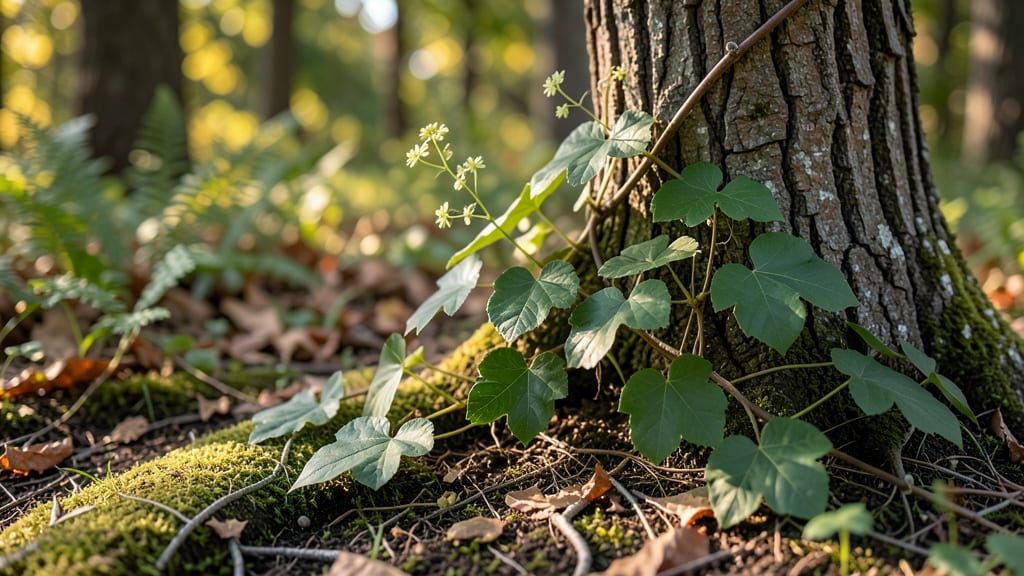
That five-leaf plant that looks like poison ivy creeping through your yard might be poison ivy—or it might be something completely harmless that you can actually grow. 🌿 The first step in telling them apart could save you weeks of itching or a full garden cleanup.
I’ve spent years helping gardeners distinguish between the two, and the differences are simpler than you’d think once you know what to look for.
Poison ivy has three shiny leaves (or leaflets) per stem, but its lookalikes often have five smooth-edged leaves that grow in clusters. The real giveaway?
Poison ivy’s leaves have a slightly waxy texture and grow in a v-shaped pattern along the stem, while safe alternatives like Virginia creeper or boxelder have rounded leaves and grow in a more scattered arrangement. Always check the leaf edges and stem pattern before touching anything.
If you confirm it’s poison ivy, the best approach is to avoid it entirely—no burning, no digging, and definitely no handling. But if it’s a non-toxic lookalike, you might just have a great new plant for your garden.
Virginia creeper, for example, has beautiful fall colors and is completely safe, while boxelder makes a great shade tree. The key is learning to spot the differences early.
Regional differences matter too—poison ivy thrives in the eastern U.S., while western lookalikes like western poison oak might be the culprit out west. Always double-check with a local extension office if you’re unsure. Now, let’s get you identifying that plant with confidence.
Nature’s Deceptive Leaf Patterns
When you spot a plant with three to five glossy leaves growing in clusters, your brain might immediately scream "poison ivy!"—but not every leafy lookalike is dangerous. These confusing similarities aren’t random; they’re the result of evolutionary mimicry and botanical adaptations that help plants thrive.
Let’s break down the science behind why these plants end up looking so eerily alike.
Plants like Toxicodendron radicans (poison ivy) have developed a distinctive leaf shape over millennia to deter herbivores. Other plants, however, have evolved to copy this pattern—not because they’re related, but because it works.
This phenomenon is called Batesian mimicry, where harmless species imitate toxic or unpalatable ones to avoid being eaten.
- 🔬 How it works: Poison ivy’s oils contain urushiol, a compound that triggers severe allergic reactions in humans and animals. Predators learn to avoid its leaf shape. Non-toxic plants "borrow" this design to trick browsers into leaving them alone.
- 🌱 Examples in your garden:
- Virginia Creeper (Parthenocissus quinquefolia) – Five leaflets, but no urushiol. Its berries are a dead giveaway (they’re blue, not white).
- Boxelder (Acer negundo) – Compound leaves with 3–7 leaflets, but its bark and seed pods differ from poison ivy’s smooth stems.
- 💡 Pro Tip: Leaf arrangement matters! Poison ivy’s leaflets grow in a middle stem (like a "V" shape). Safe lookalikes often have leaflets branching from a central point (like fingers on a hand).
Poison ivy thrives in wooded, disturbed, or moist areas across North America. Plants that grow in the same ecosystems often develop similar traits to compete for sunlight, water, and space. This is called convergent evolution—where unrelated species evolve similar features independently.
| Plant | Why It Looks Alike | Key Differences |
|---|---|---|
| Poison Ivy | Grows in forests, roadsides, and gardens; thrives in partial shade. |
|
| Virginia Creeper | Climbs trees and rocks in similar habitats. |
|
| Boxelder | Grows in urban and rural areas with poison ivy. |
|
🔍 Actionable Tip: Pay attention to where the plant grows. Poison ivy avoids full sun and dry conditions, while lookalikes like Five-Leaf Akebia (Akebia quinata) thrive in sunny gardens.
Not all compound leaves are created equal. Poison ivy has three leaflets (though sometimes more), but many safe plants mimic this with palmate or pinnate arrangements. Here’s why the confusion happens:
- 🌿 Leaflet Count: Poison ivy’s leaflets grow in a pinnate pattern (like a feather). Some safe plants, like Japanese Honeysuckle, have opposite leaflets (growing in pairs across the stem).
- 🍃 Leaf Shape: Poison ivy’s leaflets are oval with pointed tips. Compare this to Pothos (Epipremnum aureum), which has heart-shaped leaflets and grows as a trailing vine.
- 🌱 Stem Texture: Poison ivy’s stems are smooth and green when young, turning brown and hairy with age. Safe vines like Bittersweet (Celastrus scandens) have rough, angular stems.
💡 Pro Tip: Rub the leaves between your fingers. Poison ivy’s oils can cause a rash if you’re sensitive—even without breaking the skin. Safe plants won’t leave a reaction (unless you’re allergic to something else entirely!).
Even experienced gardeners mix up these plants because:
- 📸 Poor Lighting: Shadows or low light can make leaf details harder to see. Always inspect in direct sunlight.
- 🌳 Seasonal Changes: Young poison ivy leaves are reddish, while mature leaves turn greenish-yellow. Lookalikes like Sumac (Rhus spp.) have feathery, fern-like leaves that change color dramatically.
- 🚫 Lack of Full Inspection: Many assume "three leaves = poison ivy," but leaf arrangement, stems, and berries/seeds are the real clues.
✨ Expert Hack: Use the "Leaflet Rule":
- Count the leaflets: 3 = suspicious, 5 = likely safe (but verify!).
- Check the stem: Smooth = risky, rough/woody = safer.
- Look for berries: White = danger, blue/black = probably fine.
Quick Fixes for Leafy Look-Alikes
If you’ve spotted a 5-leaf plant that’s got you questioning whether it’s poison ivy, don’t panic—there are simple ways to confirm its identity and keep your garden (and skin) safe. Below, we’ll break down the most common causes of confusion and how to resolve them with practical, step-by-step solutions.
---
The first step is positive identification. Poison ivy (Toxicodendron radicans) and its look-alikes can cause rashes, so accuracy is key.
#### 🍃 Step 1: Examine the Leaf Arrangement Poison ivy leaves grow in clusters of 3 (sometimes more), but many harmless plants mimic this pattern. Virginia creeper (Parthenocissus quinquefolia) and toxic sumac (Toxicodendron vernix) have 5 leaflets, but their shapes differ slightly.
- Poison Ivy: Leaves are smooth-edged or slightly jagged, with a longer middle leaflet and a hairy vine. - Virginia Creeper: Leaves are deeply lobed, almost star-shaped, with smooth edges and a reddish stem in fall. - Toxic Sumac: Leaves are hairy, toothed, and clustered in groups of 7–13 (not just 5).
💡 Pro Tip: Rub a leaf between your fingers—poison ivy releases an oily resin that can cause irritation if you’re sensitive.
---
Poison ivy vines are woody, hairy, and climb using aerial rootlets. Safe alternatives have distinct traits:
| Plant | Stem Type | Growth Habit | Best For | |---------------------|----------------------|---------------------------------|------------------------| | Virginia Creeper | Smooth, green | Climbs walls, trails on fences | Shade gardens, trellises | | Box Elder | Hollow, ridged | Fast-growing tree | Privacy screens | | Five-Leaf Akebia | Woody, twining | Deciduous vine with fragrant flowers | Ornamental climbers |
🔥 Quick Fix: If the plant has thorns or a strong scent, it’s likely not poison ivy.
---
If you’re unsure, treat it like poison ivy until confirmed safe.
- Wear gloves when handling suspicious plants. - Wash hands with soap and water immediately after contact. - Clean tools with rubbing alcohol if they brush against the plant.
✨ Prevention Tip: Keep a plant ID app (like iNaturalist or PictureThis) handy for quick verification.
---
If it’s actually poison ivy, remove it carefully to prevent spread:
1. 🔪 Cut the vines at the base (wear long sleeves and gloves). 2. 🧹 Bag the debris—do not burn (smoke can cause skin reactions). 3. 🌱 Monitor the area for regrowth (poison ivy roots are tough!).
💡 Pro Tip: If you’re allergic, call a professional for removal—better safe than sorry!
--- If you love the look but want to avoid risks, try these non-toxic 5-leaf plants:
- 🌸 Five-Leaf Akebia (Akebia quinata) – Fragrant flowers, edible fruit. - 🍃 Box Elder (Acer negundo) – Fast-growing tree with compound leaves. - 🍂 Japanese Maple (Acer palmatum) – Ornamental with delicate foliage.
--- - Label plants in your garden to avoid future mix-ups. - Educate family members on poison ivy’s appearance. - Keep your yard clear of invasive vines that can harbor look-alikes.
By following these steps, you’ll never mistake a harmless plant for poison ivy again—and your garden (and skin) will thank you! 🌿💚
Frequently asked questions
Can a 5-leaf plant with smooth edges really be safe to touch?
Not always! While many 5-leaf plants like Virginia creeper are harmless, some—like Five-Leaf Akebia—can still cause mild irritation in sensitive individuals. Always check the stem texture (rough = safer) and berry color (white = danger, blue/black = likely safe). If in doubt, wear gloves and wash your hands thoroughly.
Why do some 5-leaf plants grow in clusters while others don't?
Poison ivy grows in V-shaped clusters along the stem, while safe lookalikes like boxelder have leaves branching from a central point (like fingers). This difference comes from their growth patterns: poison ivy uses alternate leaf arrangement to maximize sunlight, while safe plants often have palmate patterns for structural support.
What should I do if I accidentally touch a suspicious plant?
Wash the area immediately with cold water and soap for 10-15 minutes. Avoid hot water, which can open pores and worsen reactions. If you develop a rash, use calamine lotion or hydrocortisone cream. For severe reactions, seek medical attention—especially if swelling occurs near your face or throat.
Are there any 5-leaf plants that actually help with poison ivy rashes?
Yes! Jewelweed (Impatiens capensis) has 5-petaled flowers and contains compounds that may help relieve poison ivy irritation. Crush fresh leaves and apply the juice to rashes—it won't cure the rash but can provide temporary relief. Always test on a small skin area first to check for allergies.
Can I use vinegar to distinguish poison ivy from lookalikes?
No, vinegar won't help identify the plant—but it's a great cleaning agent after handling suspicious plants. For identification, focus on leaf arrangement and berry color. Poison ivy's white berries turn black when ripe, while safe plants like Virginia creeper have blue-black berries. Never rely on smell or touch alone!