
Planting
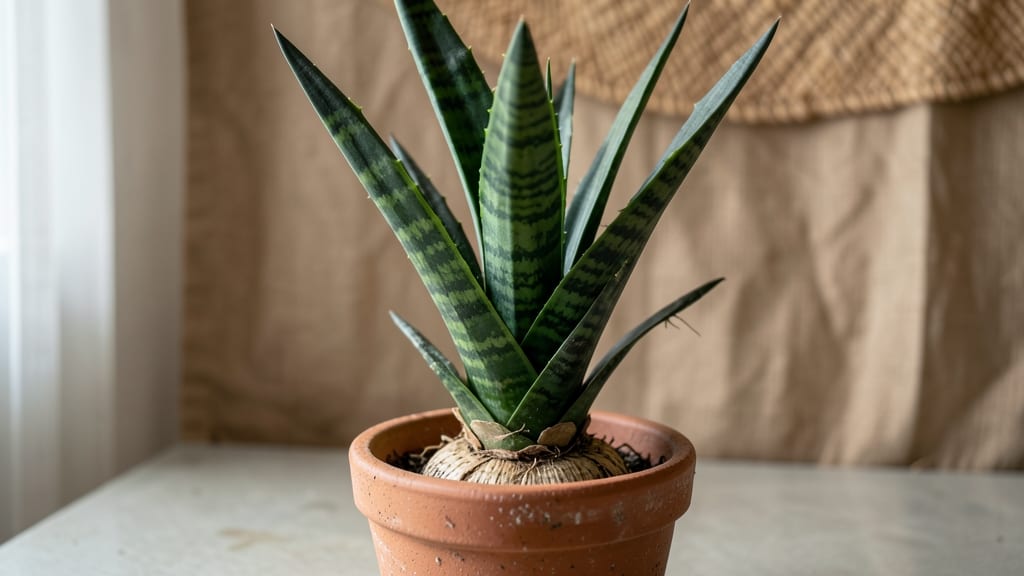
That long flat leaf plant is nature’s statement piece—whether it's a snake plant's sword-like foliage or a hosta's broad, velvety blades. 🌿 I've grown everything from aloe's spiky edges to peace lilies' glossy fronds, and the care secrets are surprisingly similar once you know what to look for.
Start with light: most need bright, indirect (think east-facing windows or filtered shade), while a few like aloe can handle full sun. Soil should drain well—orchid mix works for many, or blend potting soil with perlite.
Water only when the top inch feels dry; overwatering kills these plants faster than anything else. Pruning is where the magic happens. Snip yellowed or damaged leaves at the base, and for bushier growth, trim back leggy stems by one-third.
The result? Thicker foliage that stays vibrant through winter when others fade. Works for indoor spaces, shady gardens, or sunny patios—just match the plant to its natural light habits. Let's get your long-leafed friends thriving!
📚 In This Guide
- What you need
- Instructions
- Tips and common mistakes
- Wrapping up and next steps
What you need
- ● Long flat leaf plant – Choose a healthy specimen (1–3 years old for best pruning results).
- ○ Pruning shears or sharp scissors – Sterilized (rubbing alcohol wipe) to prevent disease. Optional: Bypass pruners for thicker stems.
- ● Clean cutting board or tray – To catch fallen leaves/debris during pruning.
- ● Well-draining potting mix – 1 gallon of cactus/succulent mix (or regular potting soil + perlite, 60/40 ratio).
- ● Watering can or spray bottle – Room-temperature water only (avoid tap water with chlorine).
- ○ Rooting hormone (optional but helpful) – 1 small tube (e.g., Clonex or similar).
- ● Small pots (2–4 inches in diameter) – 2–4 units for propagating cuttings.
- ○ Grow lights or sunny windowsill – Bright, indirect light (6+ hours/day). Optional: LED grow bulb for low-light setups.
- ● Patience – Pruning takes time! Wait until your plant is 12+ inches tall before heavy trimming.
- ● Knowledge of your plant’s needs – Research whether yours prefers dry soil (like Yucca) or occasional moisture (like Dracaena).
- ● Dedication to cleanliness – Disinfect tools and pots to avoid fungal/bacterial infections. 🧼
- ● Space for propagation (if desired) – A warm, humid area (e.g., bathroom shelf) speeds up rooting.
Step-by-Step guide to pruning long flat leaf plants for year-round growth
Here’s the method I’ve used to keep my long flat leaf plants thriving for years—it’s all about timing and technique.
🌿 Step 1: Identify the Right Time to Prune
Prune your long flat leaf plants in early spring just as new growth begins, or in late summer after the main flush of leaves appears. This timing ensures you’re encouraging fresh, healthy foliage without stressing the plant. Look for soft, new shoots emerging from the base—those are your signal it’s time.
If you prune too late in the season, the plant may not have enough time to recover before dormancy. I always wait until at least half the leaves show new growth before cutting. This method keeps the plant lush and prevents leggy, sparse growth.
✂️ Step 2: Use Clean Tools and the Right Technique
Grab a pair of sharp, sterilized pruning shears—dull blades crush stems and invite disease. Wipe the blades with rubbing alcohol before and after use. Cut just above a leaf node (the small bump where leaves attach) at a 45-degree angle. This angle helps water run off and prevents rot.
Never rip or tear leaves—always make clean cuts. I like to remove 1/3 of the oldest leaves first, starting from the bottom. This opens up the plant for better airflow and light penetration, which keeps the remaining foliage vibrant and healthy.
☀️ Step 3: Encourage Fullness with Strategic Trimming
After your initial prune, focus on shaping the plant. Trim back any long, leggy stems to encourage bushier growth. Cut just above a set of leaves where you want new branches to form. You’ll see new shoots emerging within 2-3 weeks—that’s your reward for patience.
If your plant starts looking sparse, don’t overdo it. A little trim goes a long way—never remove more than 1/3 of the foliage at once. Over-pruning shocks the plant and can lead to weak regrowth. Watch for new leaves unfurling as a sign you’re on the right track.
💧 Step 4: Adjust Care After Pruning
Increase watering slightly for the first week after pruning—the plant needs extra moisture to recover. Water deeply until it drains from the bottom of the pot, but avoid soggy soil. Let the top 1-2 inches dry out between waterings to prevent root rot.
Move the plant to a bright, indirect light spot for a few days to help it adjust. Direct sunlight can stress newly pruned plants, so I always ease them into their usual light conditions gradually. You’ll notice stronger, darker leaves within a few weeks as the plant recovers.
⏰ Step 5: Maintain Year-Round with Regular Check-Ins
Check your plant monthly for yellowing or damaged leaves—remove them immediately to keep the plant healthy. A little maintenance prevents pests and disease. I also rotate the pot quarter-turn weekly to ensure even growth and prevent the plant from leaning toward the light.
In fall, give your plant a light trim to remove any dead or dying leaves. This prepares it for winter dormancy and keeps it looking tidy. With consistent care, your long flat leaf plant will stay lush and full for years—no bare spots in sight!
Tips & tricks for perfect long flat leaf plant pruning
These simple but game-changing tips will help you keep your long flat leaf plant looking vibrant and full all year long.
Timing is Everything: I can't stress enough how crucial the early spring or late summer timing is. In Step 1, when you see those soft new shoots emerging, that's your perfect cue. If you're unsure, do a quick check by gently tugging on a few leaves—if they come off easily, it's time to prune. This timing ensures your plant has plenty of time to recover and grow back lush before any seasonal changes.
The 45-Degree Angle Secret: In Step 2, that 45-degree angle isn't just for looks—it's a functional detail. When you make your cuts at this angle, you create a natural water runoff path that prevents rot. Think of it like a tiny roof over your cut stem. I've seen so many people skip this detail, and their plants end up with more issues down the road. It's a small change that makes a big difference in plant health.
One-Third Rule for Healthy Growth: The instructions mention removing 1/3 of the oldest leaves, but here's the deeper reason why. This ratio maintains your plant's energy balance—removing too much stresses the plant, while removing too little doesn't give it the boost it needs. After your initial prune in Step 2, keep this ratio in mind for any future maintenance trims too. It's like giving your plant a fresh start without overwhelming it.
Post-Prune Recovery Checklist: In Step 4, when you increase watering for that first week, here's what I do: I set a reminder to check the soil moisture every other day. The top 1-2 inches should dry out between waterings, but don't let it get completely bone dry. Also, that bright indirect light spot is crucial—it's like plant physical therapy. I've found that moving the plant to a slightly cooler spot (like a north-facing window) during this recovery period helps even more.
Pro Tips for Long Flat Leaf Plant
- These simple but game-changing tips will help you keep your long flat leaf plant looking vibrant and full all year long.
- Timing is Everything: I can't stress enough how crucial the early spring or late summer timing is. In Step 1, when yo...
- The 45-Degree Angle Secret: In Step 2, that 45-degree angle isn't just for looks—it's a functional detail. When you m...
Frequently asked questions
Got questions about your long flat leaf plant? You’re not alone!
Whether you’re troubleshooting, planning, or just curious, we’ve got answers to help you keep those gorgeous leaves thriving.
What’s the best time of year to prune my long flat leaf plant?
Prune your long flat leaf plant anytime it looks overgrown—but spring and early summer are ideal for most varieties. Avoid heavy pruning in late fall or winter, as growth slows down. Focus on removing yellowed or leggy stems first to encourage bushier, healthier foliage.
How often should I water a long flat leaf plant?
Water when the top 1–2 inches of soil feel dry. Most long flat leaf plants (like Dracaena or Yucca) prefer moderate moisture but hate soggy roots. Reduce watering in winter, and always use a pot with drainage holes to prevent root rot.
Can I propagate my long flat leaf plant from cuttings?
Snip a healthy stem (6–12 inches long) just below a leaf node, remove lower leaves, and place it in water or moist soil. Keep it in bright, indirect light until roots form (usually 2–4 weeks). Pro tip: Use rooting hormone for faster success!
Why are the tips of my long flat leaf plant turning brown?
Brown tips often mean underwatering, overwatering, or low humidity. Check soil moisture first—if it’s dry, water deeply. If soggy, let it dry out. Boost humidity with a pebble tray or misting (but avoid wetting the leaves). Fluoride in tap water can also cause browning—use filtered water if needed.
What are some low-maintenance alternatives to long flat leaf plants?
If you want easy-care foliage, try Snake Plant (Sansevieria), ZZ Plant (Zamioculcas), or Pothos (Epipremnum). These thrive in low light and need minimal pruning. For a similar look, Dracaena marginata (Dragon Tree) is a stunning, drought-tolerant pick!
Wrapping up and next steps
Growing a long flat leaf plant is a rewarding journey that brings vibrant, lush foliage to your space year-round!
With the right pruning techniques—like selective trimming, propagation, and seasonal care—you’ll keep your plant thriving and full of life. 🌿 Whether you’re a beginner or a seasoned gardener, these secrets will help you master the art of pruning and enjoy a stunning, healthy plant.
Ready to take the next step? Try experimenting with a small pruning session today! Observe how your plant responds, adjust your approach, and watch it flourish. Happy growing! 🌱