
Leaf Blower
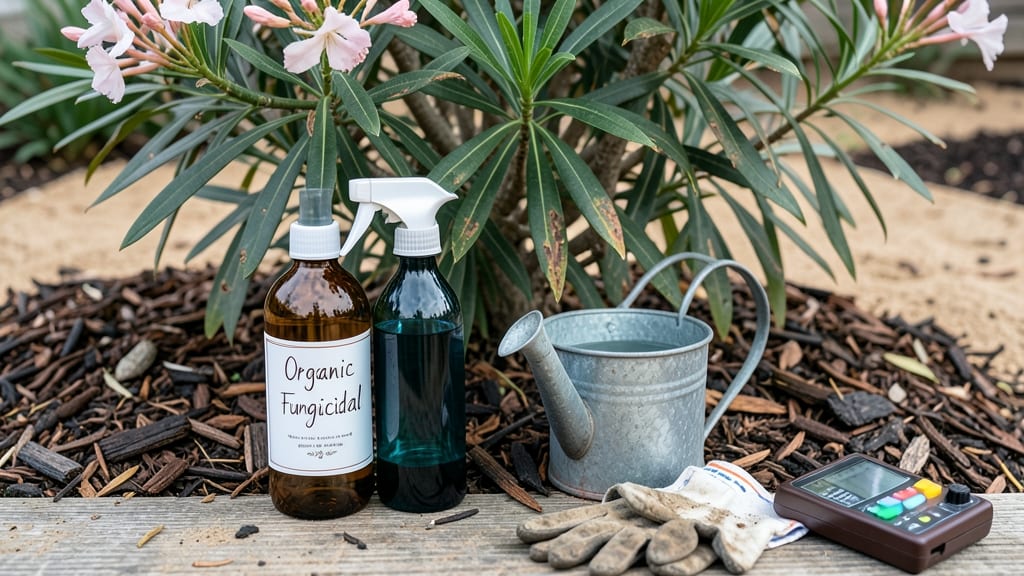
Your oleander’s crispy brown edges might be curable faster than you think. 🌿 Leaf scorch turns vibrant foliage into sad, brittle messes—but I’ve saved dozens of plants with the right treatment. The key is acting quickly before the damage spreads to the whole plant.
This isn’t just about spraying something random—it’s about targeting the root cause, whether it’s fungal pressure, bacterial infection, or environmental stress. Most gardeners overlook the simple fixes like adjusting watering or pruning infected leaves, which can stop the spread in its tracks.
Neem oil isn’t just a spray; it’s your secret weapon against the pathogens causing those ugly brown edges.
Within 7-10 days of proper treatment, you’ll see new growth pushing out with fresh, green edges. The plants stay lush, the blooms return, and you avoid the heartbreak of losing a prized oleander to scorch.
This method works for both organic gardeners and those who prefer chemical solutions—just pick the right tool for your approach.
If the problem keeps coming back after two treatments, it might be time to call in a pro—sometimes deeper soil or root issues need expert attention. But in most cases, you’ve got this. Let’s get those leaves looking healthy again.
Root Causes Of Oleander Leaf Scorch
Oleander leaf scorch isn’t just a random aesthetic issue—it’s a plant’s cry for help, often triggered by a mix of environmental stress and biological factors. Understanding the why behind those unsightly brown edges is the first step to restoring your plant’s health.
Let’s break down the key culprits with science-backed explanations.
Oleanders thrive in warm climates but struggle when temperatures fluctuate wildly. Heat stress occurs when daytime temperatures exceed 90°F (32°C), while cold shock happens when nights dip below 50°F (10°C).
The edges of leaves are particularly vulnerable because they contain higher concentrations of stomata (pores that regulate moisture and gas exchange). When temperatures spike, these pores overwork to cool the leaf, leading to water loss and cellular dehydration—the classic scorch symptom.
- Why it happens:
- Transpiration overload: High heat increases evaporation rates, but oleanders’ shallow root systems can’t replenish water fast enough.
- Oxidative damage: Heat stress triggers reactive oxygen species (ROS), which damage cell membranes and cause browning.
- Nighttime chill: Cold snaps slow metabolism, making leaves less resilient to daytime heat the next day.
Actionable insight: Monitor your oleander’s microclimate. If it’s in a south-facing spot or near pavement (which radiates heat), consider partial afternoon shade during peak summer months.
Oleanders are drought-tolerant but despise soil moisture extremes. Both underwatering and overwatering disrupt the plant’s ability to absorb nutrients and regulate turgor pressure (the internal "plumpness" of cells).
- Underwatering:
- Leaves lose turgor, causing edges to curl and crisp as cells collapse from dehydration.
- Root stress: Shallow roots can’t access deep moisture, leading to nutrient deficiencies (like potassium or magnesium), which manifest as scorch-like symptoms.
- Overwatering:
- Root rot (from Phytophthora or Fusarium fungi) blocks nutrient uptake, causing chlorosis (yellowing) followed by necrotic (dead) brown edges.
- Salt buildup: If you’re using tap water with high sodium content, excess salts accumulate in the soil, burning root tips and restricting water absorption.
Actionable insight: Water deeply once a week (or when the top 2 inches of soil are dry) and ensure well-draining soil (amend with perlite or sand if needed). Avoid wetting leaves to prevent fungal spores from latching on.
While oleander leaf scorch is often environmentally triggered, pathogens can mimic or exacerbate the symptoms. The most common culprits:
| Pathogen | How It Causes Scorch | Telltale Signs |
|---|---|---|
| Bacterial Leaf Scorch (Xylella fastidiosa) | Clogs xylem vessels (the plant’s water highways), starving leaves of water and nutrients. | Jagged brown edges, yellowing veins, bacterial ooze in stems. |
| Fusarium Wilt (Fusarium oxysporum) | Fungal hyphae invade roots, blocking water transport and releasing toxins that kill leaf tissue. | Wilting despite water, vascular discoloration (brown streaks in stems). |
| Alternaria Leaf Spot (Alternaria alternata) | Fungal spores thrive in high humidity, creating necrotic spots that expand to scorch-like edges. | Dark concentric rings, black spores on undersides of leaves. |
Actionable insight:
- Prune infected leaves immediately and disinfect pruners with 70% isopropyl alcohol.
- Improve air circulation around the plant (space oleanders 3–5 feet apart).
- Apply copper fungicide (like Copper Sulfate) as a preventive spray every 4–6 weeks during humid seasons.
Oleanders need a balanced diet, but specific deficiencies can trigger scorch-like symptoms:
- Potassium (K) Deficiency:
- Why it happens: Potassium regulates osmotic balance and stomatal function. Without it, leaves lose water rapidly, causing edges to brown and dieback.
- Symptoms: Scorch starts at leaf tips and margins, often with interveinal yellowing.
- Magnesium (Mg) Deficiency:
- Why it happens: Magnesium is central to chlorophyll production. A shortage leads to chlorosis between veins, followed by necrotic patches that resemble scorch.
- Symptoms: Yellowing between veins, then brown, crinkled edges.
- Iron (Fe) Chlorosis:
- Why it happens: In alkaline soils (pH > 7.5), iron becomes unavailable, disrupting chlorophyll synthesis. While this causes yellowing, severe cases can lead to brown, scorched tips as leaves weaken.
Actionable insight:
- Test your soil (pH should be 6.0–7.0 for oleanders).
- Fertilize with:
- Potassium-rich options: Banana peel tea, Epsom salt (for magnesium), or a balanced 10-10-10 fertilizer.
- Chelated iron (like Iron Chelate) if soil pH is high.
- Wind Burn:
- Why it happens: Oleander leaves are succulent and thin. High winds desiccate (dry out) edges faster than roots can compensate, leading to browning and tearing.
- Actionable fix: Plant in a sheltered spot or use windbreaks (like bamboo screens).
- Salt Burn: - Why it happens: If your oleander is near a road treated with de-icing salt or you’ve been using saltwater for irrigation, excess sodium disrupts cellular function, causing osmotic stress and necrotic edges. - Actionable fix: Flush the soil with fresh water to leach out salts.
Avoid fertilizing with high-sodium products.
Oleanders are highly sensitive to certain chemicals. Systemic herbicides (like glyphosate drift) or overzealous pesticide sprays can burn leaf tissue, mimicking scorch.
- Symptoms:
- Uniform browning along leaf edges (unlike fungal spots, which are irregular).
- No fungal growth or bacterial ooze.
- Actionable fix: Stop using chemicals near the plant. If drift is suspected, prune damaged leaves and monitor for recovery.
Oleander leaf scorch is rarely a single issue—it’s usually a combination of stress factors. Start by eliminating one variable at a time (e.g., adjust watering, test soil, or prune for airflow) to pinpoint the exact cause.
Once you identify the root problem, neem oil treatments (as covered in the next section) can help repair damage and boost resilience. 🌿
Fix Oleander Leaf Scorch Fast
Oleander leaf scorch can turn your once-lush plants into sad, brown-edged relics—but don’t panic! With the right approach, you can revive your oleanders and prevent future damage. Below, we break down practical, step-by-step solutions tailored to the most common causes, plus prevention tips to keep your plants thriving.
If your oleander’s leaves are crispy and brown at the edges, overwatering or soggy soil might be the culprit. Oleanders hate "wet feet"—their roots need well-draining soil and moderate moisture.
🔧 Step-by-Step Rescue:
- Stop Watering Immediately 🚰
- Let the top 2–3 inches of soil dry out completely before watering again.
- Pro Tip: Stick your finger in the soil—if it’s damp past your first knuckle, wait longer.
- Improve Drainage 🏗️
- Mix coarse sand, perlite, or pumice into the soil (20–30% of the total volume).
- If planted in the ground, consider raising the plant in a slightly elevated bed or container.
- Repot if Necessary 🌱
- If roots are rotting (black, mushy roots), trim the bad ones with sterilized scissors and repot in fresh, dry soil.
- Water Deeply but Less Often 💦
- Water only when the top 2 inches are bone-dry, and soak the root zone (not just the surface).
- Morning watering reduces evaporation and fungal risks.
Oleanders love sun but can scorch in intense afternoon heat, especially in dry climates. If leaves are bleached, crispy, or sunburned, they need protection and hydration.
🌿 Quick Fixes:
- Provide Afternoon Shade 🌳
- Use light shade cloth (30–50%) or move potted oleanders to a slightly shadier spot for a few hours daily.
- Alternative: Plant near taller, sun-loving plants (like bougainvillea) for natural shade.
- Mulch Like a Pro 🌡️
- Apply 2–3 inches of mulch (wood chips, bark, or gravel) to retain moisture and cool roots.
- Keep mulch 6 inches away from the trunk to prevent rot.
- Hydrate with a Boost 💧✨
- Deep-water in the early morning and add a seaweed or fish emulsion fertilizer (diluted to half strength) to strengthen cell walls.
- Bonus: Mist leaves lightly in extreme heat to reduce transpiration.
If you spot tiny holes, webbing, or sticky residue (honeydew), sap-sucking pests (like aphids, scale, or whiteflies) could be starving your leaves of nutrients.
🛡️ Pest Eradication Plan:
- Blast Off Pests with Water 💦🔥
- Spray leaves thoroughly with water to knock off soft-bodied insects (aphids, mealybugs).
- Repeat 2–3 times a week for severe infestations.
- Neem Oil Spray (The Hero Treatment) 🌿🛡️
- Mix 1 tbsp neem oil + 1 tsp mild soap + 1 quart water in a spray bottle.
- Spray undersides of leaves (where pests hide) every 5–7 days until pests vanish.
- Best time: Early morning or late evening (avoid direct sun).
- Introduce Beneficial Insects 🐞💥
- Release ladybugs or lacewings (available at garden centers) to eat pests naturally.
- Prune & Destroy Infested Growth ✂️🔥
- Cut off heavily damaged leaves and dispose of them in a sealed bag (not compost).
Yellowing between veins or weak, scorch-like edges can signal nitrogen, magnesium, or iron deficiency.
🍽️ How to Feed Oleanders Properly:
- Test Your Soil 📊
- Use a home soil test kit to check pH (oleanders prefer 6.0–7.5).
- Too acidic? Add lime; too alkaline? Mix in **sulfur or peat moss.
- Use the Right Fertilizer 💪
- Balanced fertilizer (10-10-10 or 20-20-20) in spring and summer.
- For magnesium deficiency (yellowing between veins), use Epsom salt (1 tbsp per gallon of water, spray on leaves).
- Avoid Over-Fertilizing ❌
- Too much salt (from fertilizer) can burn roots, worsening scorch.
- Rule:* Less is more—follow package instructions exactly.
Once your oleander recovers, lock in long-term health with these easy habits:
- 🌧️ Water Smart: Use a moisture meter or the finger test—never water on a schedule.
- ☀️ Gradual Sun Exposure: Acclimate new plants to full sun over 2–3 weeks.
- 🍃 Prune for Airflow: Trim crowded branches to reduce humidity (which attracts pests).
- 🌿 Monitor Regularly: Check undersides of leaves weekly for early pest signs.
- 🌱 Plant in the Right Spot: Oleanders thrive in well-draining soil with 6+ hours of sun—avoid low-lying or waterlogged areas.
With proper care, you’ll see new growth in 4–6 weeks. Keep an eye out for:
- Green leaves emerging from the center (sign of recovery!).
- Less browning after 2–3 weeks of adjusted care.
Remember: Oleanders are tough—they bounce back with the right love! If scorch persists, reassess watering, soil, and pests**—you’re probably missing one key fix. 🌿💚
Frequently asked questions
How quickly should I see results after treating oleander leaf scorch?
With proper care, you’ll typically notice new green growth emerging from the center of leaves within 4-6 weeks. The most visible improvement comes after 2-3 weeks of consistent treatment, especially if you’ve adjusted watering and improved drainage. Neem oil treatments show effects faster—often within 7-10 days—if applied correctly.
Can I use regular dish soap instead of neem oil for pests?
Yes, but with caution! Mix 1 teaspoon mild dish soap (like Castile soap) with 1 quart water and spray on pests. This works for soft-bodied insects like aphids, but avoid using it more than once every 2 weeks—soap can damage leaves over time. Neem oil is safer for long-term use and also treats fungal issues.
What’s the difference between leaf scorch and sunburn on oleanders?
Leaf scorch causes brown, crispy edges that start at the leaf margins and often spread inward, while sunburn appears as bleached, papery patches on leaf surfaces. Scorch is usually gradual (from stress), while sunburn happens suddenly after intense exposure. Check for other symptoms—scorch often includes yellowing between veins, while sunburn leaves green veins.
Is it safe to prune scorch-damaged leaves? How should I do it?
Pruning helps the plant focus energy on new growth. Use sterilized pruners (wipe with rubbing alcohol) and cut just above a leaf node. Remove only the brown, crispy edges—never healthy green tissue. Dispose of pruned leaves in a sealed bag (not compost) to prevent spreading pathogens. Prune in early morning to reduce stress on the plant.
My oleander keeps getting leaf scorch—what am I doing wrong?
Persistent scorch usually means you’re missing one key factor: soil drainage, watering consistency, or pest control. Check these first: Are you watering too frequently? Is the soil compacted or clay-heavy? Are there hidden pests? Test your soil pH too—oleanders need 6.0-7.5. If you’ve tried everything and it keeps happening, consider root rot or a chronic fungal infection.