
Pests and Diseases
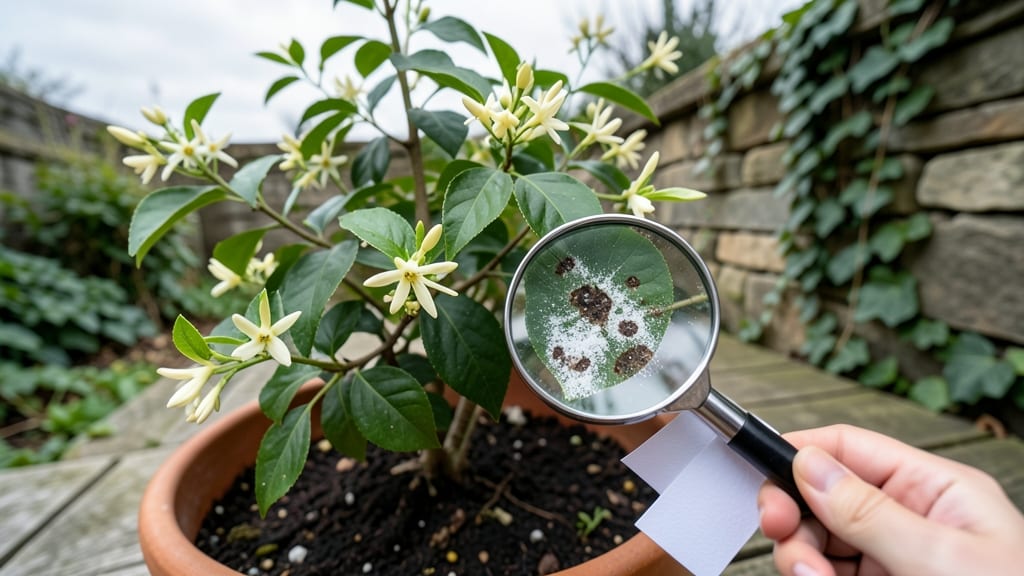
The jasmine plant leaf disease turns your fragrant climber into a sad, spotted mess faster than you can say "pruning shears." 🌿 I’ve battled fungal blights on my star jasmine, and the key to saving it lies in spotting symptoms early—yellowing leaves, black spots, or that telltale white powdery coating.
The good news? Most jasmine diseases respond to quick action, and I’ll show you exactly how to diagnose and treat them before they spread.
Fungal infections like powdery mildew or leaf spot thrive in humid, shaded spots where airflow stinks. Overwatering, crowded branches, or old mulch around the base create the perfect breeding ground.
My plant nearly died last summer until I thinned the foliage, switched to morning watering, and sprayed neem oil—now it’s thriving again. The trick is cutting off the disease at the source before it chokes your plant.
You’ll start with organic fixes: copper fungicide sprays, baking soda mixes, or pruning infected leaves with sterilized shears. For stubborn cases, systemic fungicides work fast, but I’ve had great luck with prevention—just a few adjustments to watering and airflow can keep your jasmine looking fresh all season.
The goal? Restore those glossy, fragrant leaves in just a few weeks.
If the spots keep coming back despite your best efforts, it might be time to consult a local extension office. Some diseases, like bacterial leaf spot, need professional intervention.
But for most fungal issues, you’ll have your jasmine blooming beautifully again—no stress, no chemicals, just healthy growth. Let’s get those leaves back to their best.
Root Causes Of Leaf Troubles
Jasmine plants may seem low-maintenance, but their leaves are surprisingly sensitive to environmental stress and microbial attacks. Understanding why these issues arise is the first step to prevention. Below, we break down the most common culprits behind jasmine leaf diseases—from fungal infections to environmental missteps—and explain the science behind each.
Fungal pathogens are the #1 cause of jasmine leaf disease, thriving in warm, humid conditions. These microscopic organisms don’t just appear—they exploit weaknesses in your plant’s defenses. Here’s how they strike:
- High Humidity + Poor Airflow: Fungi like Alternaria and Botrytis spread via airborne spores. When jasmine leaves stay damp for extended periods (e.g., after watering at night or in a greenhouse), fungal spores germinate and penetrate leaf tissue. Science note: Fungal hyphae (thread-like structures) secrete enzymes that break down plant cell walls, creating entry points for infection.
- Overwatering or Waterlogged Soil: Jasmine roots need oxygen. When soil stays soggy, root cells suffocate, weakening the plant’s immune response. Fungi such as Phytophthora (a water mold) exploit stressed roots, eventually spreading to leaves via vascular tissue.
- Old or Damaged Leaves: Senescent (aging) leaves or those damaged by pests (e.g., spider mites) have compromised cuticles. Fungi like Cercospora target these weak spots, causing brown spots or blight.
💡 Pro Tip: Fungal spores can lie dormant in soil or old plant debris for years. Sterilize pruners with rubbing alcohol (70% isopropyl) between cuts to prevent cross-contamination.
Jasmine plants are adaptable, but extreme or inconsistent conditions trigger physiological disorders that mimic disease. These aren’t infections—but they leave leaves vulnerable to secondary pathogens.
| Stress Factor | How It Harms Leaves | Scientific Explanation |
|---|---|---|
| Temperature Swings | Yellowing, curling, or crispy edges | Jasmine thrives in 60–85°F ranges. Below 50°F, chlorophyll production stalls (causing chlorosis), while above 90°F, cell membranes degrade from heat stress (oxidative damage). |
| Nutrient Deficiencies | Yellowing between veins (iron/manganese) or purple stems (phosphorus) | Deficiencies disrupt photosynthesis and enzyme activity. For example, low magnesium (a central atom in chlorophyll) causes interveinal chlorosis. Soil pH >7.0 locks out micronutrients like iron. |
| Light Exposure Issues | Bleached patches (sunburn) or pale, weak growth (etiolation) | Direct midday sun generates reactive oxygen species (ROS), which burn leaf tissue. Conversely, low light reduces photosynthetic pigments, weakening the plant’s resilience to pathogens. |
✨ Fix It: Test soil pH (ideal: 6.0–6.5) and amend with sulfur (to lower pH) or lime (to raise it). For light, use sheer curtains to filter harsh sun or move plants to a bright, indirect spot.
Pests don’t cause diseases directly, but their feeding habits create wounds that invite infections. Here’s how they set the stage:
- Sap-Sucking Insects (Aphids, Spider Mites): These pests inject toxic saliva into leaves, causing necrotic spots (dead tissue). The resulting honeydew (sticky residue) fosters sooty mold (a secondary fungus) and attracts ants, which further stress the plant.
- Chewers (Caterpillars, Japanese Beetles): Ragged leaf edges from chewing leave open wounds. Fungi like Colletotrichum (anthracnose) enter through these tears, leading to dark, sunken lesions.
- Root Feeders (Grubs, Nematodes): Underground damage weakens the plant’s vascular system. Above-ground symptoms (yellowing, wilting) signal systemic decline, making leaves far more susceptible to fungal invasion.
🔥 Quick Action: Blasts of water (for soft-bodied pests) or neem oil (for mites) can disrupt pest life cycles. Prevention tip: Introduce beneficial insects like ladybugs or parasitic wasps to keep populations in check.
By addressing these root causes—whether fungal, environmental, or pest-related—you’re not just treating symptoms. You’re starving the problem at its source before it takes hold.
How to Fix Jasmine Leaf Issues
Reviving your jasmine’s lush, vibrant leaves starts with pinpointing the root cause and taking swift, targeted action. Whether it’s fungal blight, bacterial spots, or environmental stress, these step-by-step solutions will help you nurse your plant back to health—without losing hope or your favorite green thumb skills.
---
Fungal infections like powdery mildew or leaf spot thrive in damp, stagnant conditions. Act fast to stop the spread and restore balance.
#### 🔥 Step 1: Remove Infected Leaves - 👨🍳 Snip it out: Use sterilized pruning shears (wipe with rubbing alcohol) to cut off yellow, brown, or spotted leaves—all the way to the stem.
Dispose of them in the trash (not compost) to prevent reinfection. - ⏰ Timing matters: Do this on a dry, sunny morning so the plant has time to dry before evening moisture sets in.
#### 🥘 Step 2: Apply Fungicide - 💡 DIY option: Mix 1 tsp baking soda + 1 quart water + a drop of dish soap (the soap helps it stick).
Spray undersides of leaves (fungi love hiding there!) every 5–7 days until new growth appears. - 🌡️ Store-bought boost: Use a copper-based fungicide (like Bonide Copper Fungicide) for severe cases. Follow label instructions—less is more to avoid leaf burn.
#### 🛡️ Step 3: Improve Airflow & Light - ✨ Spread out plants: If jasmine is crowded, thin out branches or repot to allow 3–4 inches of space between plants. - 🔥 Sunlight fix: Move potted jasmine to bright, indirect light (6+ hours/day).
If outdoors, ensure it gets morning sun + afternoon shade in humid climates.
#### 💡 Prevention Tip: 🌧️ Water at the roots, not the leaves! Use a soaker hose or water at the base in the early morning so foliage dries by night. Mulch with gravel or pine bark to keep soil from staying soggy.
---
Bacterial infections (like Xanthomonas or Pseudomonas) cause greasy, water-soaked spots that spread fast. Disinfection is key!
#### 🔪 Step 1: Sterilize Everything - 🧼 Clean tools: Soak pruners in 1 part bleach to 9 parts water for 10 minutes between cuts. - 🚿 Wash leaves: Spray infected areas with a 10% bleach solution (1 part bleach to 9 parts water)—test a small area first to avoid burns.
#### 🍳 Step 2: Use Copper or Hydrogen Peroxide - 💡 Copper spray: Apply copper fungicide (like Organic Copper Fungicide) weekly for 3–4 weeks. - 🌡️ Hydrogen peroxide rinse: Mix 1 tbsp 3% hydrogen peroxide per quart of water and spray every 3 days to kill bacteria on contact.
#### 🛡️ Step 3: Quarantine the Plant - 🚫 Isolate jasmine from other plants for at least 2 weeks to prevent spread. - 🌿 Replace soil: If the disease persists, repot with fresh, sterile potting mix (sterilize by baking at 200°F for 30 minutes).
#### 💡 Prevention Tip: 🌡️ Avoid overhead watering—use a watering wand with a fine mist directed at the soil. Remove lower leaves that touch wet mulch to reduce bacterial entry points.
---
If leaves are yellowing, curling, or dropping without visible pests, environmental factors (like heat, cold, or nutrient deficiency) are likely culprits.
#### 🥗 Step 1: Check Watering Habits - 💧 Overwatering? Let the top 1–2 inches of soil dry between waterings. Stick your finger in—if it’s damp, wait. - 🌧️ Underwatering? Jasmine prefers consistent moisture. If soil is bone-dry, soak the pot for 10 minutes, then drain excess.
#### 🔥 Step 2: Optimize Light Exposure - 🌞 Too much sun? Move to partial shade (especially in hot climates). Brown, crispy edges = sunburn. - 🌙 Too little light? Place near a south- or west-facing window or use a grow light for 12–14 hours/day.
#### 💡 Step 3: Feed & Fertilize - 🍎 Nutrient boost: Use a balanced liquid fertilizer (10-10-10) every 4–6 weeks during growing season (spring–fall). - 🌱 Organic option: Mix compost or worm castings into the soil for slow-release nutrients.
#### 💡 Prevention Tip: 🌡️ Monitor humidity! Jasmine loves 40–60% humidity. In dry air, use a pebble tray with water or a humidifier nearby. Mist leaves lightly in the morning (avoid evening misting to prevent fungal growth).
--- If your jasmine is beyond saving, propagate healthy cuttings to start fresh! 1. 🌿 Take 4–6 inch cuttings from green, disease-free stems. 2. 💧 Dip in rooting hormone (optional but helpful).
3. 🏡 Plant in moist perlite/sand mix and keep humid (use a plastic bag as a mini greenhouse). 4. 🌱 Wait 4–6 weeks for roots to form before transplanting.
--- Your jasmine can bounce back—just stay consistent! With the right care, those glossy leaves will be back in no time. 🌸💚
Frequently asked questions
Why are my jasmine leaves turning yellow with brown spots?
This is likely leaf spot disease, often caused by fungal pathogens like Alternaria or Cercospora. These thrive in warm, humid conditions. The brown spots usually appear first on older leaves, then spread. Prune infected leaves immediately with sterilized shears and improve airflow around your plant to prevent further spread.
What does powdery mildew look like on jasmine plants?
Powdery mildew appears as a white, powdery coating on leaf surfaces, especially on the undersides. Unlike other diseases, it doesn't cause dark spots but rather a fuzzy, chalky layer. This fungal infection loves crowded plants with poor airflow. Treat it with a baking soda spray (1 tsp baking soda + 1 quart water + a drop of dish soap) applied every 5-7 days.
Can I use household items to treat jasmine leaf diseases?
Yes! For mild fungal infections, mix 1 tsp baking soda + 1 quart water + a drop of dish soap and spray on leaves. For bacterial issues, try a hydrogen peroxide solution (1 tbsp 3% H₂O₂ per quart of water). Always test on a small leaf area first. These DIY treatments work best when combined with proper pruning and improved plant care practices.
How often should I inspect my jasmine for diseases?
Check your jasmine weekly during growing seasons (spring-fall) and bi-weekly in winter. Look for early signs like yellowing, unusual spots, or powdery coatings. Early detection is key—catching issues when only a few leaves show symptoms gives you the best chance of saving your plant with minimal treatment.
When should I consider professional help for my jasmine?
If your plant shows severe wilting, blackened stems, or rapid leaf drop despite your best efforts, it may need professional assessment. These could indicate advanced fungal infections, bacterial diseases, or even root rot. Contact your local cooperative extension service or a plant pathologist—they can provide targeted solutions and may recommend systemic fungicides for stubborn cases.