
Trees
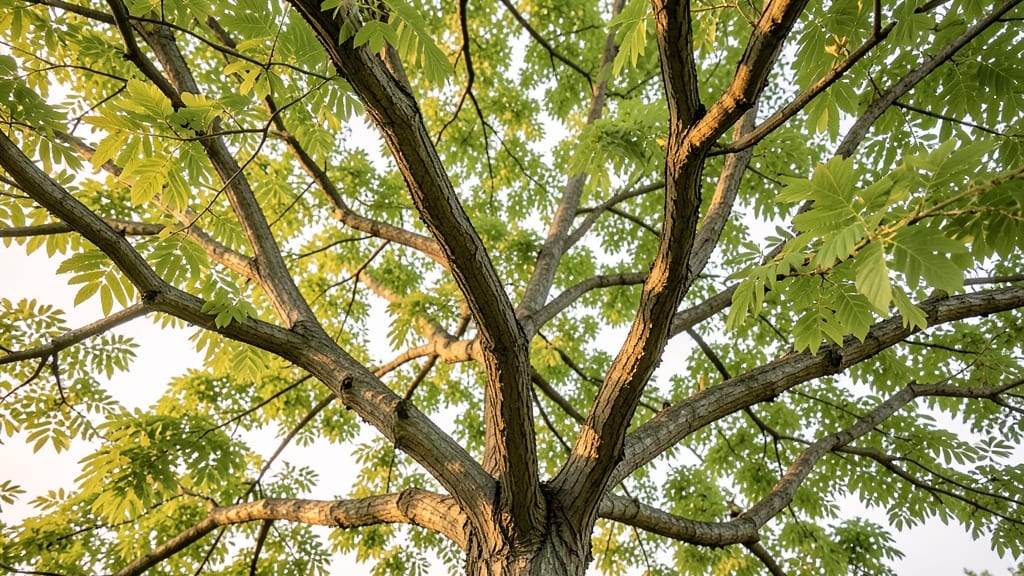
Struggling to identify Oklahoma's native trees? This visual guide breaks down 10 iconic species by their leaves, helping you spot them instantly in forests, parks, or your backyard—no botanist degree required.
Eastern Redbud Tree Leaves
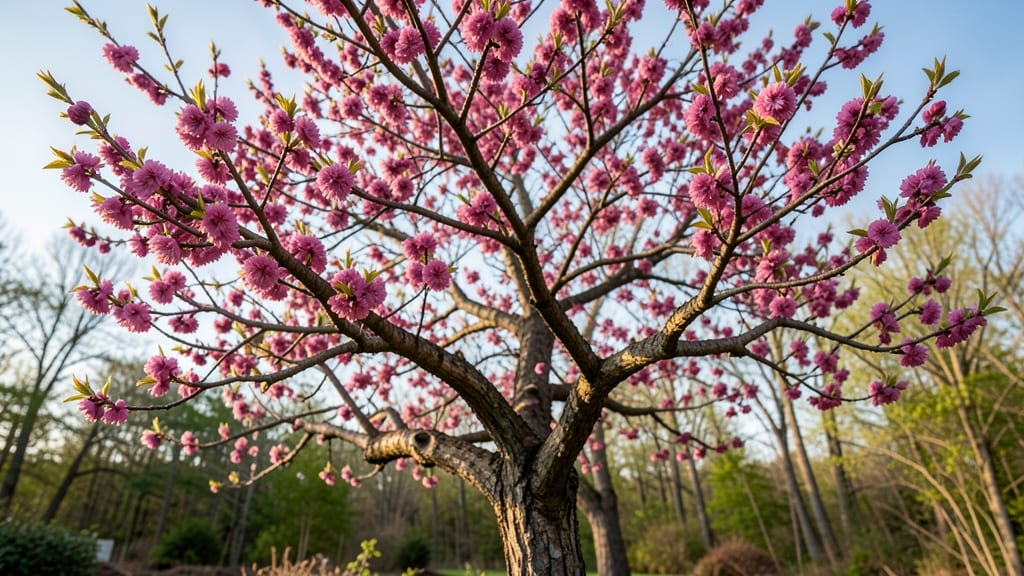
If you’ve ever spotted a tree bursting with pink blossoms before its leaves fully emerge in Oklahoma, you’ve likely seen an Eastern Redbud (Cercis canadensis). This tree’s heart-shaped leaves are just as iconic as its early spring flowers, making it a standout in any landscape.
The leaves start as a soft, light green in spring, maturing to a deeper green by summer. What sets them apart is their distinct shape—rounded at the base and pointed at the tip, resembling a valentine’s heart. Plant this tree in full sun to partial shade for optimal bloom production, and enjoy its year-round interest, from winter’s bare branches to autumn’s golden foliage.
Perfect for urban gardeners and native plant enthusiasts, the Eastern Redbud thrives in Oklahoma’s climate and attracts pollinators early in the season. 🌷
American Sycamore Tree Leaves
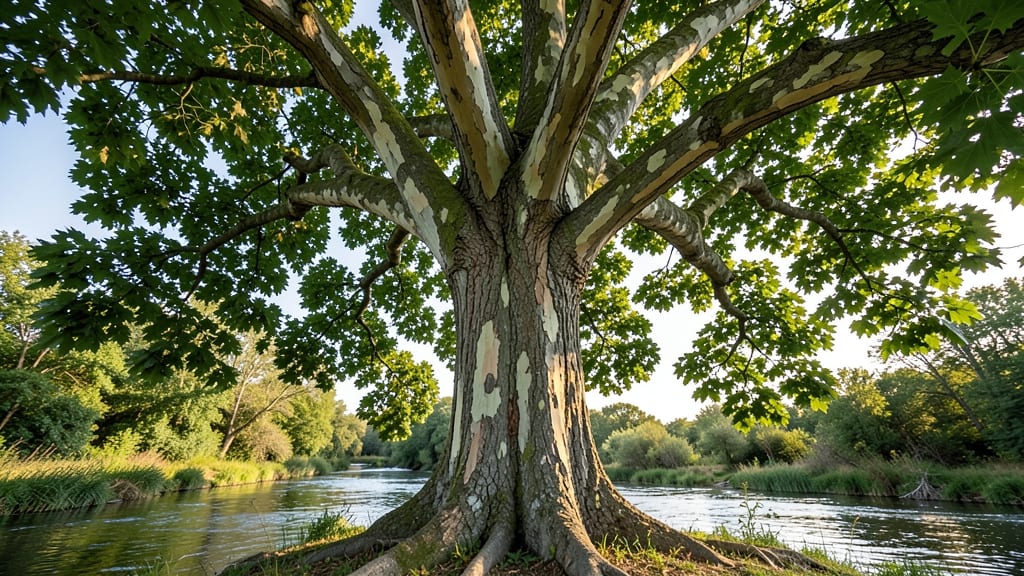
If you’ve ever spotted a tree with maple-like leaves that seem too big to be real, you’re likely looking at an American sycamore. This towering giant thrives along Oklahoma’s creeks and riverbanks, where its dramatically peeling bark and broad, lobed leaves create a striking landscape feature.
The leaves can reach 6–12 inches wide, with jagged edges and a light green hue that turns golden in fall. Look for the mottled, patchy bark that peels in large sheets—no other Oklahoma tree has this signature look. Sycamores love moist, well-drained soil and full sun, making them perfect for identifying near water sources.
This tree isn’t just a showstopper—it’s also drought-tolerant once established, making it a resilient choice for Oklahoma’s climate. Perfect for nature lovers and urban foresters alike! 🌟
Pecan Tree Leaves
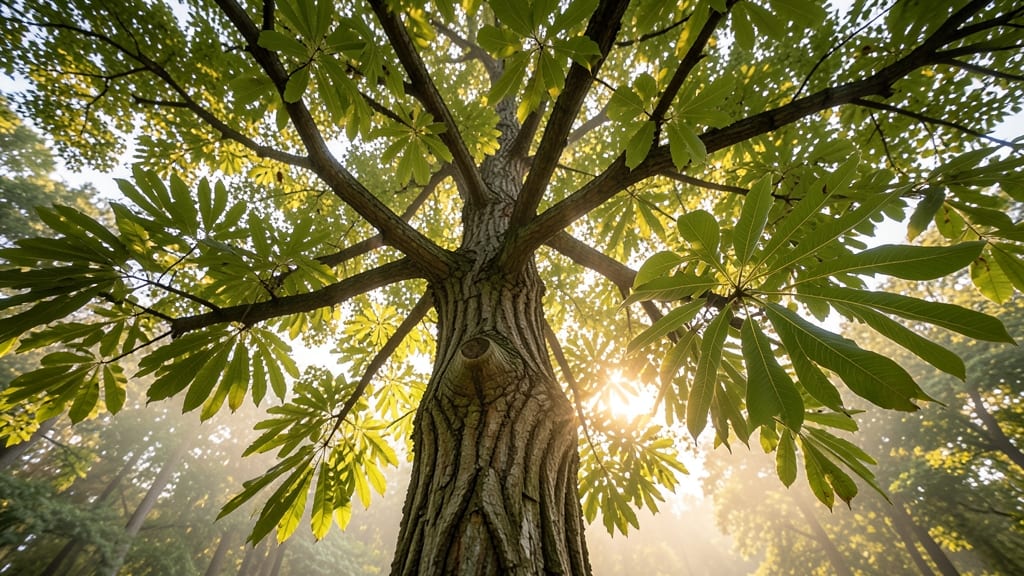
If you’re wandering through Oklahoma’s forests or orchards and spot a tree with long, feathery leaves, you’re likely looking at a pecan tree—the state’s beloved nut producer. These trees stand out with their compound leaves, each featuring 11–17 leaflets arranged in a graceful, elongated pattern, making them easy to distinguish from other species.
The leaves emerge bright green in spring and mature to a deeper shade by summer, providing a lush canopy perfect for shade and wildlife habitat. Pecan trees thrive in well-drained, slightly acidic soil and need full sun to produce their signature nuts. Look for the telltale oval-shaped nuts forming in late summer—a sure sign you’ve found one of Oklahoma’s most valuable trees.
Whether you’re a forager, homesteader, or just admiring nature, recognizing pecan trees by their leaves helps you spot these nutrient-rich giants in the wild. 🌱
Southern Magnolia Leaves
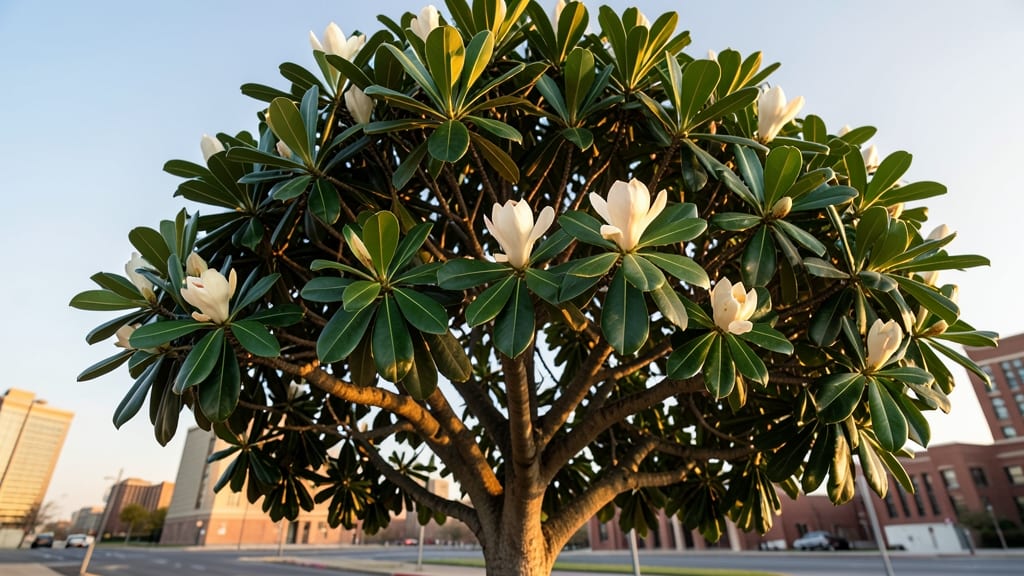
If you’ve ever spotted a tree with evergreen, leathery leaves that smell like sweet perfume in Oklahoma’s urban areas, it’s likely a Southern Magnolia. These trees stand out with their glossy, dark green foliage and iconic white, fragrant blossoms that appear in late spring—making them a standout in shaded gardens and city landscapes.
The smooth, waxy texture of the leaves is a dead giveaway, along with the tree’s slow-growing yet long-lived nature (they can live over 100 years!). Southern Magnolias thrive in partial shade to full sun and are drought-tolerant once established, though they prefer well-drained soil. Their fragrant flowers also attract pollinators like bees and butterflies, adding ecological value.
Perfect for homeowners in Oklahoma’s warmer regions (USDA Zones 6-10), this tree offers year-round interest and low-maintenance beauty. 🌿
Blackjack Oak Leaves
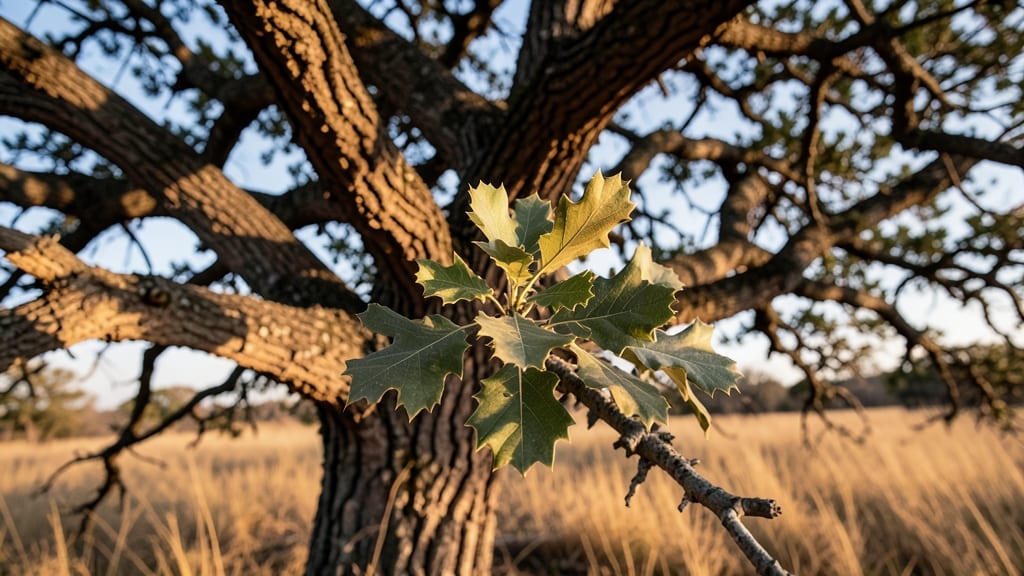
If you’re hiking Oklahoma’s cross timbers region and spot small, lobed leaves with sharp, bristly edges, you’ve likely found a Blackjack Oak—a hardy native tree that thrives in drought conditions. These leaves are narrower and more rounded than other oaks, with a rough texture that’s easy to feel when brushing past the branches.
The Blackjack Oak is a standout for its resilience, tolerating poor soil and low water availability once established. Its deep root system also makes it ideal for erosion control on slopes or rocky terrain. Look for these trees in open woodlands or along fence rows, where they often form dense thickets. Their acorns are smaller than other oaks but provide food for wildlife.
Perfect for native landscaping, this tree requires minimal care and supports local ecosystems. Whether you’re restoring prairie land or adding drought-tolerant beauty to your yard, the Blackjack Oak is a reliable choice. 💪
American Elm Tree Leaves
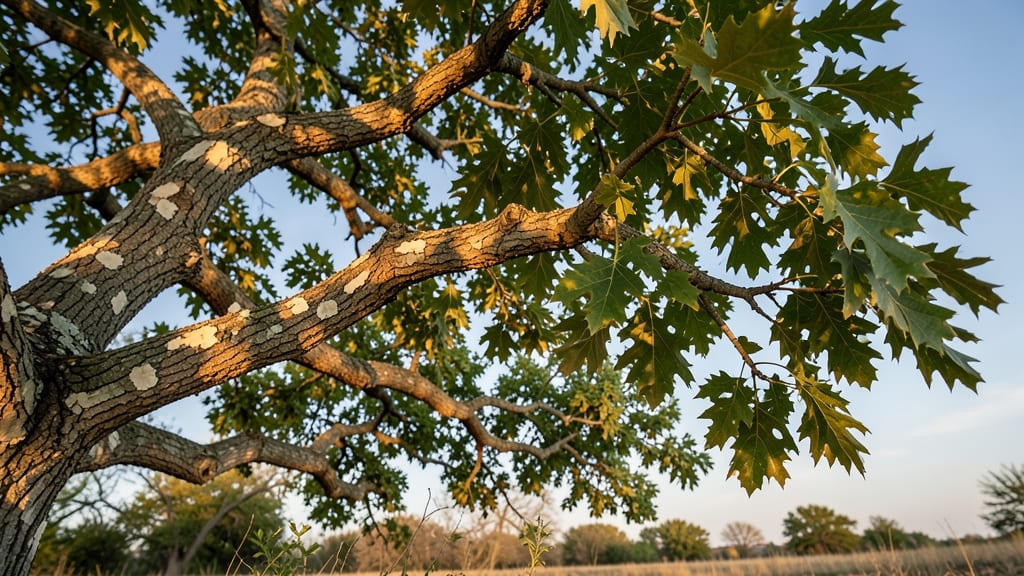
Spotting the American Elm in Oklahoma’s historic districts or along quiet country roads is easy once you learn its signature asymmetrical leaves. These broad, jagged-edged leaves grow unevenly along branches, creating a natural, artistic silhouette that’s unmistakable in summer.
The leaves’ serrated edges and slightly pointed tips help distinguish them from other shade trees. American Elms thrive in full sun to partial shade and tolerate urban pollution, making them ideal for streetscapes. Their deep root systems also help stabilize soil, reducing erosion in windy areas.
Perfect for urban gardeners and history buffs, these trees add charm and shade while supporting local ecosystems. 🌟
Eastern Red Cedar Leaves
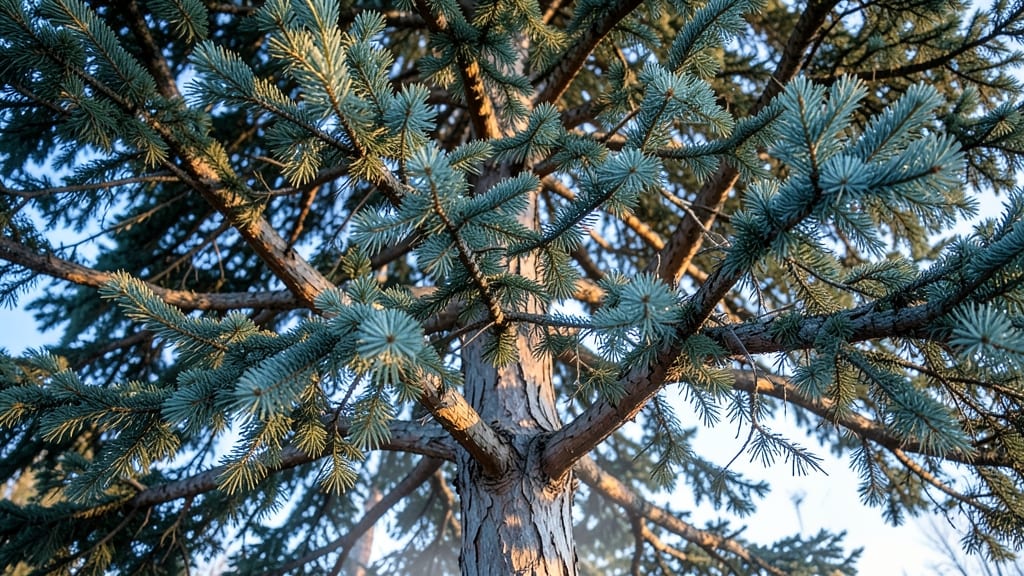
If you’ve ever spotted a tree with tiny, overlapping scale-like leaves that smell like pine when crushed, you’re likely looking at Oklahoma’s only native juniper—the Eastern Red Cedar. Unlike other trees in this guide, its foliage is unique: no broad leaves here, just a dense, evergreen mat of blue-green needles that add texture and year-round interest.
This hardy tree thrives in rocky soils and dry conditions, making it perfect for Oklahoma’s challenging landscapes. Its aromatic wood repels insects and attracts wildlife, while its drought tolerance means minimal watering once established. Look for its distinctive blue berries (technically cones) in fall, a favorite for birds like cedar waxwings.
Ideal for gardeners in western Oklahoma or those with poor soil, this tree also serves as a natural windbreak. Its rugged beauty and low-maintenance nature make it a standout for both native landscapes and wildlife-friendly yards. 💚
Catalpa Tree Leaves
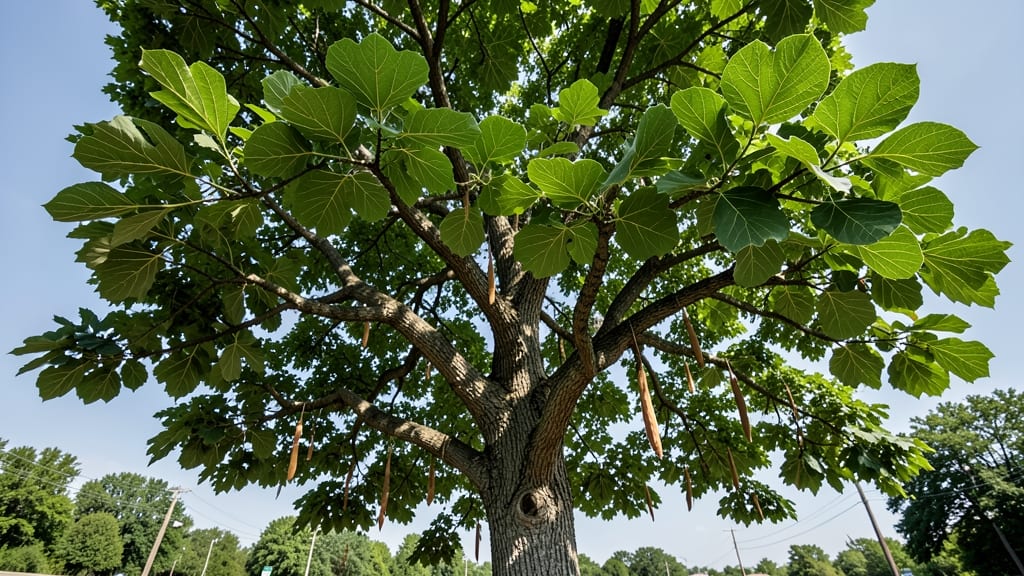
Spotting a tree with giant, heart-shaped leaves and long, bean-like seed pods? That’s your catalpa tree, a fast-growing shade giant often planted along Oklahoma highways and urban streets. These leaves can grow up to 12 inches long, making them one of the most recognizable tree leaves in the state.
Catalpas thrive in full sun to partial shade and tolerate a wide range of soils, including urban pollution and drought conditions once established. The long, slender seed pods (up to 20 inches!) add a unique texture to the landscape, while the tree’s deep roots make it ideal for erosion control. Look for them near parking lots or along roads where quick shade is needed.
Perfect for city dwellers and roadside gardeners, catalpas offer year-round interest with their striking foliage and dramatic seed pods. Just be prepared for the occasional dropped pod—it’s part of the charm! 🌟
Shumard Oak Leaves
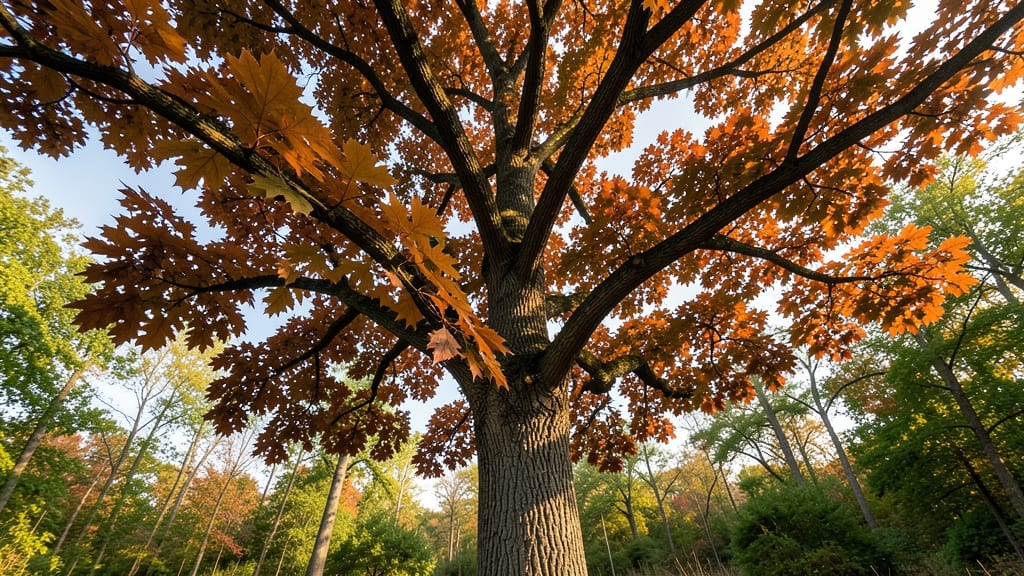
If you’ve ever stood in Oklahoma’s mixed forests scratching your head over oak leaves, the Shumard Oak (Quercus shumardii) is your key to unlocking the mystery. Its deeply lobed leaves with bristle-tipped points set it apart from other oaks, making it a standout in both spring and fall foliage.
Look for leaves with 5-7 rounded lobes that end in sharp, hair-like bristles—a signature trait that helps distinguish it from similar species like the blackjack oak. In autumn, its leaves blaze with vibrant reds and purples, turning forests into a stunning palette. This oak thrives in full sun to partial shade and tolerates a wide range of soils, from clay to sandy loam.
Perfect for wildlife enthusiasts, the Shumard Oak supports songbirds, squirrels, and deer, making it a valuable addition to Oklahoma landscapes. Whether you're identifying trees in the wild or planning a backyard garden, this oak’s bold leaves are a must-spot. 🌟
Green Ash Tree Leaves

If you’ve ever spotted a tree with light green, compound leaves and noticed its branches developing strange corky ridges, you’re likely looking at a green ash tree. These hardy trees thrive in Oklahoma’s wetlands but also adapt surprisingly well to urban pollution, making them a resilient choice for parks and city landscapes.
The 5–9 leaflets per compound leaf are a dead giveaway, along with their serrated edges and slightly asymmetrical arrangement. Look for the distinctive corky ridges on older branches—these form as the tree matures and are a key identifier. Green ash trees are also known for their tolerance of wet soils, which makes them a great option for rain gardens or areas prone to flooding.
Urban gardeners and wildlife enthusiasts will appreciate their adaptability, as these trees support birdlife and require minimal care once established. 🌱