Pests and Diseases
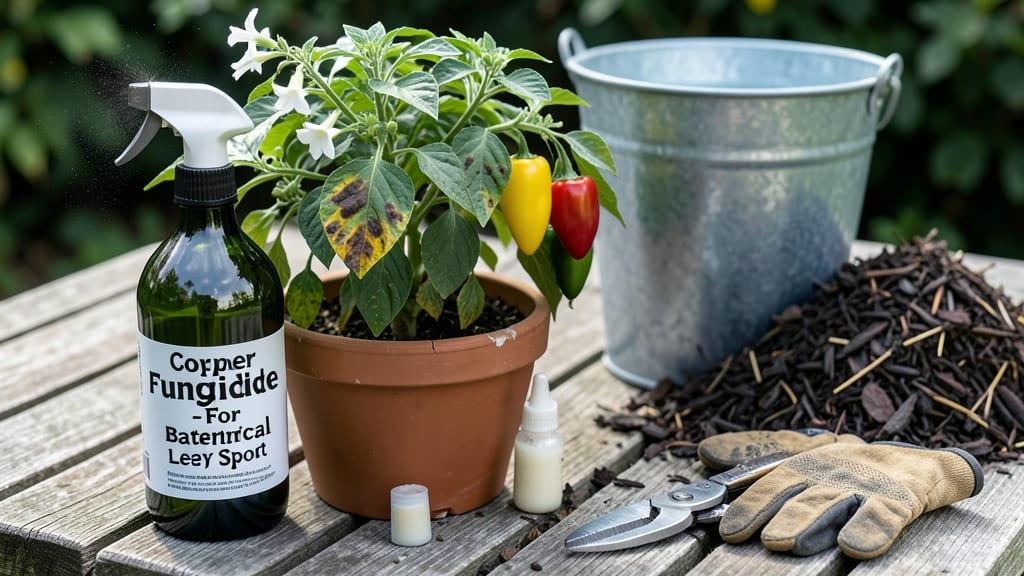
Your peppers’ dark spots from bacterial leaf spot pepper treatment aren’t a death sentence—✨ I’ve saved countless plants from this disease using this simple, fast-acting method, and the results are nothing short of dramatic. The key? Acting fast and targeting the right spots before the disease spreads.
Bacterial leaf spot thrives in warm, humid conditions, turning pepper leaves into a splotchy mess. The good news? Copper-based sprays (like copper fungicide) disrupt the bacteria’s cell walls, stopping the spread within hours. You’ll notice new growth within days, and the plant will bounce back stronger than ever.
This treatment works on all pepper varieties—jalapeños, bell peppers, even chiles—and it’s safe for organic gardens when used correctly. Just mix the spray, apply it thoroughly (especially undersides of leaves), and repeat every 7–10 days until the spots disappear.
Prevention is just as important: remove infected leaves immediately, space plants for airflow, and avoid overhead watering. With these steps, your peppers will stay spot-free and productive all season long.
Root Causes Of Pepper Leaf Spots
Bacterial leaf spot on peppers isn’t just a random bad luck scenario—it’s the result of specific conditions coming together like a perfect storm. Understanding these triggers helps you prevent outbreaks before they start. Here’s a breakdown of the key culprits behind this pesky disease:
Bacterial leaf spot thrives in wet conditions. The pathogen, Xanthomonas campestris pv. vesicatoria, spreads rapidly when leaves stay damp for prolonged periods. Here’s why:
- Overhead watering: Splashing water from sprinklers or rain carries bacteria from soil or infected plants directly onto leaves, creating entry points.
- Poor air circulation: Dense plantings or crowded rows trap humidity, keeping leaves moist longer than ideal (ideal = <6 hours of leaf wetness per day).
- Foggy mornings: Coastal or high-humidity climates with frequent fog create the perfect breeding ground for bacterial spores.
Pro tip: 💡 Aim for drip irrigation or watering at soil level—never overhead—and space plants 18–24 inches apart for airflow.
The bacteria behind leaf spot loves warmth but hates cold. Ideal conditions for outbreaks:
- 65–85°F (18–29°C): This sweet spot accelerates bacterial growth and weakens pepper plants’ defenses.
- Nighttime temps > 70°F (21°C): High humidity at night + warm days = a bacterial buffet.
- Sudden temp swings: Stress from hot/cold shifts (e.g., daytime sun + evening chill) lowers plant immunity.
Actionable fix: Use shade cloth in peak heat or row covers in cool evenings to moderate temps.
Bacteria are hitchhikers. They lurk in:
- Pruners, knives, or gloves: Even tiny cuts can introduce bacteria into plant tissue.
- Infected plant debris: Old leaves, stems, or even compost with pepper remnants harbor the pathogen.
- Contaminated water: Reusing water from a bucket that held infected plants or soil splashes.
Pro tip: 🔥 Sterilize tools with 70% isopropyl alcohol or a 10% bleach solution (1 part bleach to 9 parts water) between uses. Remove and destroy infected plant material immediately.
Healthy peppers resist bacterial leaf spot better. Stressors that lower defenses include:
- Nutrient deficiencies: Lack of calcium or magnesium weakens cell walls, making them easier targets.
- Over-fertilization: Too much nitrogen = soft, succulent growth that bacteria love to invade.
- Transplant shock: Recently moved or root-bound peppers are vulnerable until established.
- Pests: Aphids, mites, or thrips damage leaves, creating wounds for bacteria to enter.
Boost immunity: 💪 Use a balanced fertilizer (e.g., 10-10-10) and compost tea to strengthen plants. Rotate crops (avoid planting peppers in the same spot yearly) to break the bacterial cycle.
By tackling these root causes—moisture, warmth, contamination, and plant stress—you’ll dramatically reduce the risk of bacterial leaf spot. Next up: How to treat it fast before it spreads!
Quick Fixes for Pepper Leaf Spots
Bacterial leaf spot on peppers can feel like a nightmare, but with the right approach, you can turn things around fast—even in 24 hours or less. The key is acting swiftly, identifying the root cause, and applying targeted treatments.
Below, we break down practical solutions based on what’s triggering the problem, plus prevention tips to keep your peppers thriving.
---
Cause: Bacterial spread from contaminated foliage or fallen leaves. Fix: - 🔪 Prune infected leaves immediately—use sterilized scissors or pruners (wipe with rubbing alcohol between cuts). - 🗑️ Dispose of debris properly—don’t compost infected plant material; seal it in a trash bag and toss it. - 💦 Water at the base—avoid overhead watering to prevent splashing bacteria onto healthy leaves.
Pro Tip: 💡 If spots appear on fruits, harvest them immediately (they won’t worsen, but bacteria can spread to other plants).
---
Cause: Bacterial infection (Xanthomonas campestris or Pseudomonas syringae). Fix: - 🛒 Use a copper-based fungicide (like copper hydroxide or copper sulfate)—these disrupt bacterial cell walls. - 🍳 Mix it right: Follow label instructions (typically 1-2 tbsp per gallon of water). - 👨🍳 Spray thoroughly—cover both sides of leaves, stems, and even the soil around the base. - ⏰ Apply in the early morning or late evening to avoid leaf burn from sunlight. - 🔄 Repeat every 7-10 days until new growth is spot-free.
Pro Tip: 🌡️ For severe infections, add 1 tsp of baking soda + a few drops of dish soap per gallon for extra bacterial suppression.
---
Cause: Weakened plants (stress from overcrowding, poor nutrition, or pest damage). Fix: - 🥗 Feed with compost tea or fish emulsion—rich in nutrients to strengthen defenses. - 🌞 Ensure 6-8 hours of sunlight daily—peppers need energy to fight infections. - 💧 Water deeply but consistently—avoid soggy soil (bacteria love moisture). - 🌿 Space plants 12-18 inches apart for airflow (prevents humidity buildup).
Pro Tip: ✨ Neem oil spray (1 tsp neem oil + 1 tsp mild soap per quart of water) can supplement copper sprays for extra protection.
---
Cause: Recurring infections from contaminated tools, soil, or water. Fix: - 🧼 Sterilize tools—soak pruners and gloves in 10% bleach solution (1 part bleach to 9 parts water) between uses. - 🌍 Rotate crops—don’t plant peppers, tomatoes, or eggplants in the same spot for 3-4 years (bacteria linger in soil). - 💦 Use drip irrigation or soaker hoses—eliminates overhead water splash. - 🌱 Start with healthy seedlings—buy from reputable nurseries or test seeds for bacterial resistance.
Pro Tip: 🎯 Plant resistant varieties like ‘Aristotle’ or ‘Carmen’ peppers—they tolerate bacterial spot better than others.
--- Final Note: If spots keep returning despite treatments, the bacteria may be deep in the soil. In that case, consider replacing the top 6 inches of soil or using solarization (covering soil with clear plastic for 4-6 weeks to bake out pathogens).
With these steps, your peppers can bounce back in no time**—and stay spot-free for the season! 🌶️💪
Frequently asked questions
How quickly can I expect to see results from copper spray treatment?
You may notice the spread slowing within 24 hours of application, but full recovery takes 7-14 days as new leaves grow. The copper disrupts bacterial cell walls immediately, but regrowth shows the treatment worked. Repeat every 7-10 days until spots disappear completely.
Can I still harvest peppers with bacterial leaf spot?
Yes, but harvest only the fruits—the disease won't spread to other peppers through them. Remove any spotted fruits immediately to prevent cross-contamination. The bacteria primarily affects leaves, not the pepper itself, so your harvest is safe for eating.
What's the difference between bacterial leaf spot and fungal leaf spot?
Bacterial spots are greasy-looking, water-soaked with yellow halos, while fungal spots appear dry and powdery (often with white or black spores). Bacterial spots also spread faster in warm, wet conditions. Use copper for bacterial issues and fungicide for fungal problems.
Will my pepper plants recover completely after treatment?
Most plants recover fully if treated early, but severe cases may have permanent leaf damage. Focus on removing infected foliage and strengthening remaining leaves with balanced fertilizer. New growth will be healthy if you prevent reinfection through proper sanitation and airflow.
Can I use household items like vinegar or hydrogen peroxide instead of copper?
Vinegar (1 tbsp per gallon) can help as a preventive rinse, but it's not as effective as copper for active infections. Hydrogen peroxide (1 tsp per quart) may burn leaves—always dilute and test on a small area first. Copper remains the gold standard for bacterial leaf spot treatment.