
Trees
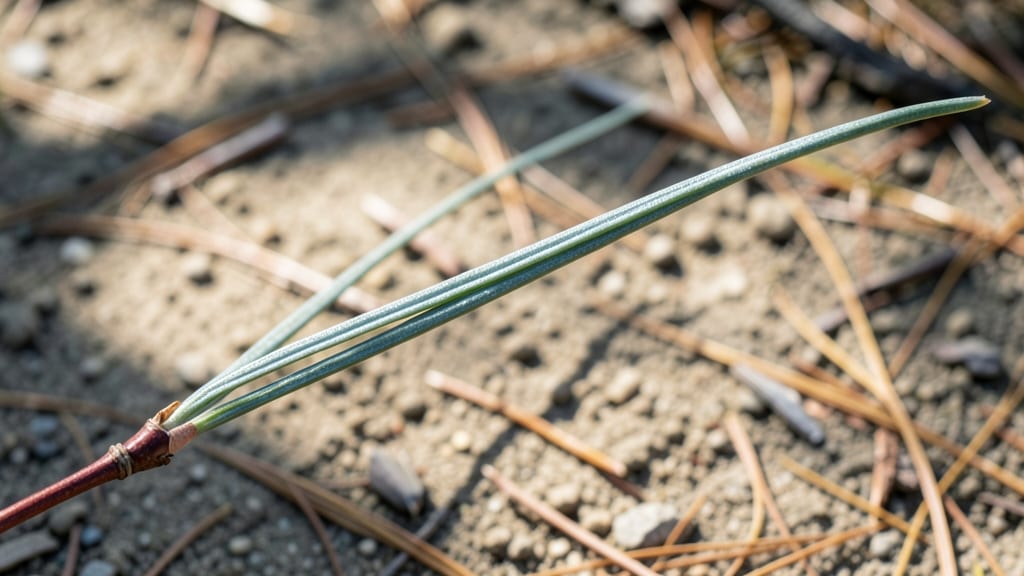
That single-needle pine needle is a game-changer for arid landscapes. 🌵 The single-leaf pinyon pine (Pinus monophylla) thrives where most trees fail—hot, dry climates with minimal fuss. I planted mine five years ago, and it’s now a sturdy 8-foot specimen that barely needs water once established.
Native to the Southwest’s rocky slopes, this pine handles poor soil and drought like a pro. It prefers well-draining soil and full sun, but even neglect won’t kill it. The key is planting in fall or early spring when roots can establish before extreme heat.
You’ll love its slow, steady growth and the way it anchors soil in dry areas. The needles stay vibrant year-round, and mature trees produce edible pine nuts—though patience is key (they take 10+ years to bear). Perfect for desert gardens, slopes, or as a low-maintenance specimen.
Here’s how to grow one successfully!
📚 In This Guide
- What you need
- Instructions
- Tips and common mistakes
- Wrapping up and next steps
What you need
- ● Single leaf pinyon pine seedlings or saplings: 1–3 plants (depending on desired spacing; 10–15 ft apart for mature trees).
- ● Choose Pinus monophylla (native to arid regions) from a reputable nursery.
- ● Well-draining soil: Native or amended with 10–20% coarse sand or gravel (avoid clay-heavy soils!).
- ● Organic mulch: 2–3 inches of pine needles, bark, or decomposed granite (retains moisture while preventing rot).
- ● Slow-release fertilizer: Balanced 10-10-10 or low-nitrogen option (e.g., 5-10-10) for arid climates.
- ● Shovel or spade: For digging holes 2–3x wider than the root ball.
- ● Garden trowel: For loosening soil around roots.
- ● Watering can or hose with nozzle: Drip irrigation preferred for deep watering.
- ● Pruning shears: For shaping young branches (sterilize blades with rubbing alcohol!).
- ● Measuring tape: To ensure proper spacing (10–15 ft between trees).
- ● Soil pH test kit: Ideal pH range for pinyon pine is 6.0–7.5 (adjust with lime or sulfur if needed).
- ● Mycorrhizal fungi: Inoculate roots at planting to boost drought resilience.
- ● Windbreak fabric: Temporary protection for young trees in exposed areas.
- ● Drought-resistant companion plants: Like yarrow, sedum, or native grasses to enhance the xeriscape.
How to grow and care for single leaf pinyon pine trees
Here's the straightforward method I've used to thrive these stunning, drought-loving trees in my own landscape.
🌱 Step 1: Select the Perfect Planting Location
Single leaf pinyon pines (Pinus monophylla) need full sun—at least 6 hours daily—to develop their iconic single-needle foliage. I always choose sites with well-draining soil because these trees despise soggy roots. Rocky or sandy soils suit them best, but if your yard has heavy clay, amend with 3-4 inches of coarse sand or gravel mixed into the top 12 inches of soil.
Watch for microclimates in your yard—south-facing slopes get the most sun and work perfectly. If planting multiple trees, space them 15-20 feet apart to allow for mature spread. The first year is critical: young trees need protection from strong afternoon winds, so plant near a natural windbreak if possible.
🪴 Step 2: Prepare the Planting Hole and Transplant
Dig a hole twice as wide as the tree's root ball but only as deep as the container it came in. This prevents burying the root flare (the swollen area at the base of the trunk), which can cause rot. Gently remove the tree from its container and loosen any circling roots with your fingers—this encourages outward growth.
Place the tree in the hole so the top of the root ball sits 1-2 inches above ground level. Backfill with native soil (no amendments needed) and tamp lightly around the edges to eliminate air pockets. Water deeply until moisture reaches 6 inches down—you'll know it's right when the soil surface looks damp but not glistening.
☀️ Step 3: Water Sparingly During Establishment
For the first two growing seasons, water deeply once every 2-3 weeks during dry spells. The key is deep soaking—water until the top 12 inches of soil feel moist, then let it dry slightly before watering again. Overwatering is the fastest way to kill these drought-resistant trees. After the second year, they typically require no supplemental watering in most climates.
Mulch the base with 2-3 inches of gravel or coarse wood chips, keeping it 6 inches away from the trunk to prevent rot. This mimics their natural habitat and reduces evaporation. If your area gets heavy winter rains, ensure the planting site has good drainage to prevent water pooling around the roots.
✂️ Step 4: Prune Only When Necessary
Single leaf pinyon pines are naturally low-maintenance, but you can shape them lightly in late winter or early spring. Remove dead, diseased, or crossing branches with clean, sharp pruners, cutting just outside the branch collar. Never remove more than 25% of the foliage at once—these trees grow slowly and need all their energy for root development.
Watch for pinyon ips beetles (small black beetles that attack stressed trees). If you see them, apply neem oil as a preventive spray in early summer. Healthy trees rarely need pruning beyond basic cleanup—let them grow their natural, elegant shape. Fertilizer is rarely needed; these trees thrive in poor soils and can even grow in rocky, nutrient-poor conditions.
⏰ Step 5: Monitor for Long-Term Health
After the first two years, your pinyon pine should require almost no care. Check annually for yellowing needles (a sign of overwatering) or browning tips (often caused by winter windburn). If you notice new growth stunted, it may need one deep watering during extended dry spells.
These trees are fire-resistant and deer-resistant, making them ideal for wildfire-prone areas. In USDA zones 5-9, they handle cold snaps down to -10°F once established. For best results, avoid transplanting mature trees—they struggle with root disturbance. Start with container-grown 3-5 gallon trees for the easiest success.
Tips & tricks for perfect single leaf pinyon pine planting
Here's what I've learned from years of growing these resilient trees—tricks that'll help you skip the common pitfalls and set your pinyon pine up for decades of beauty.
Soil Prep Secret: Before amending heavy clay with sand or gravel (as mentioned in Step 1), test your soil's drainage by digging a 12-inch hole and filling it with water. If it takes more than 4 hours to drain completely, you definitely need those amendments. I've seen pinyon pines fail spectacularly in soggy soil—don't let that be you. For extra insurance, mix in a handful of mycorrhizal fungi granules with the soil when planting. These beneficial fungi help roots absorb water and nutrients more efficiently, giving your tree a stronger start.
Transplanting Timing: The best time to plant your pinyon pine is in early spring or early fall when temperatures are mild—this gives the roots several months to establish before extreme heat or cold. I planted mine in late April and saw strong new growth by June. Avoid planting during summer heatwaves or winter freezes, as the shock can stress young trees. If you must plant in summer, do it on an overcast day or water thoroughly before and after planting to reduce transplant shock.
Watering Wisdom: When establishing your tree in those first two growing seasons, use a moisture meter to check soil moisture at 6 inches deep before watering. The meter should read between 30-40% moisture—this is the sweet spot. I've ruined more pinyon pines through overwatering than underwatering. Remember, these trees evolved in desert conditions where rainfall is sporadic. The occasional deep soaking mimics natural monsoon patterns better than frequent light watering. After the second year, let nature take over—your tree will tell you when it needs water through its needles.
Long-Term Protection: To shield your young pinyon pine from afternoon winds (as suggested in Step 1), consider installing a temporary windbreak made of burlap or straw bales on the windward side. This creates a microclimate that reduces drying winds while still allowing sunlight through. I used this method with my first planting and noticed significantly less needle browning during dry periods. Remove the windbreak after the first growing season when the tree has established a stronger root system. For mature trees, their natural shape actually helps them withstand wind better than many other species.
Pro Tips for Single Leaf Pinyon Pine
- Here's what I've learned from years of growing these resilient trees—tricks that'll help you skip the common pitfalls...
- Soil Prep Secret: Before amending heavy clay with sand or gravel (as mentioned in Step 1), test your soil's drainage ...
- Transplanting Timing: The best time to plant your pinyon pine is in early spring or early fall when temperatures are ...
Frequently asked questions
Got questions about the single leaf pinyon pine? You’re not alone!
Whether you’re curious about its care, growth habits, or landscape potential, we’ve got answers to the most common queries below. Let’s dive in!
How fast does a single leaf pinyon pine grow?
The single leaf pinyon pine (Pinus monophylla) is a slow-growing tree, typically adding just 6–12 inches per year under ideal conditions. In arid climates, growth may be even slower—don’t expect rapid results, but its steady pace makes it a reliable, low-maintenance choice for long-term landscapes. Patience pays off with its stunning, drought-resistant beauty!
Does it really need zero water once established?
While it thrives with minimal water after its first 2–3 years, occasional deep watering (every 2–4 weeks in extreme drought) helps it establish deeper roots. Overwatering is the real enemy—this pine hates soggy soil. Once mature, it’s truly drought-tolerant, making it perfect for water-wise gardens.
Are single leaf pinyon pines prone to pests or diseases?
This hardy tree is highly resistant to most pests and diseases, but watch for pinyon ips beetles (common in stressed trees) or dothistroma needle blight in humid conditions. Prune affected branches promptly and ensure good airflow. With proper spacing and care, issues are rare—nature’s built-in toughness shines here!
Can I grow a single leaf pinyon pine in a container?
While possible, it’s not ideal long-term due to its size (30–50 ft tall!). Young trees (under 5 years) can thrive in large containers (20+ gallons) with excellent drainage, but they’ll need regular pruning to control growth. For most, planting directly in the ground is the best bet—its roots love to stretch!
What’s the coldest temperature it can handle?
The single leaf pinyon pine is cold-hardy to USDA Zone 4 (as low as -30°F/-34°C), but it prefers dry, hot climates (Zones 5–9). Young trees may need winter protection in harsh zones, but mature specimens handle frost beautifully. Just avoid waterlogging in freezing temps—its roots dislike soggy cold!
How close can I plant it to my house or other trees?
Space it 20–30 feet away from structures to avoid root conflicts or shading issues. For other trees, maintain 15–20 feet of clearance—its slow growth means competition won’t be a problem for years. Pro tip: Plant near boulders or slopes to mimic its natural rocky habitat!
Wrapping up and next steps
The single leaf pinyon pine is a resilient, low-maintenance gem that brings both beauty and practicality to any landscape—especially in arid climates. Its drought tolerance, striking foliage, and minimal care needs make it a standout choice for gardeners who want easy elegance without sacrificing hardiness.
Whether you’re a seasoned gardener or just starting out, this tree offers a hassle-free way to elevate your outdoor space with timeless charm.
Ready to transform your yard? Start by assessing your soil and sunlight conditions, then take the first step—plant a single leaf pinyon pine today! 🌱💚