
Pests and Diseases
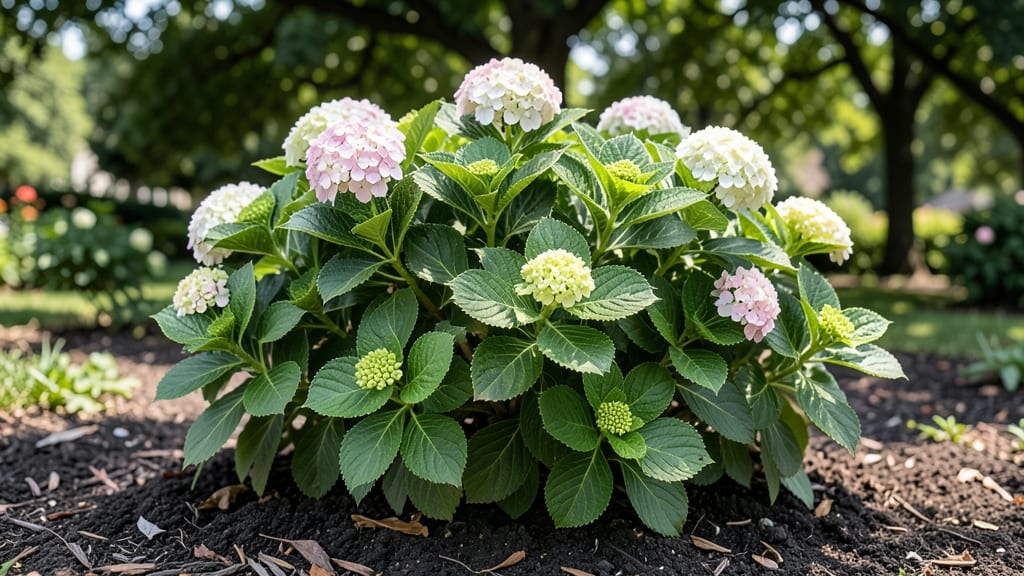
You can identify hydrangea by leaf—if you know what to look for. 🌿 Hydrangeas stand out with their distinctive 3-5 rounded lobes that resemble a maple leaf’s simpler cousin, but without the sharp angles of oak.
The edges are smooth or slightly serrated, and the underside often sports a fuzzy texture that sets it apart from similar plants.
Start by checking the leaf’s shape: hydrangea leaves are broader at the base and taper toward the tip, with veins that curve gently toward the edges. Compare it to oak leaves—those have jagged lobes and pointed tips, while maple leaves have deeper, more defined divisions.
The color also helps: hydrangea leaves start deep green and often develop a reddish tint in fall.
You’ll spot hydrangeas faster once you know their leaf quirks: the underside’s soft fuzz, the way lobes curve outward, and how they grow in opposite pairs along the stem. This combo of traits makes them unmistakable—no need for guesswork. Grab a leaf and test it against these clues.
This method works for both deciduous and evergreen hydrangeas, though evergreen types keep their leaves year-round. Now you can ID them in your garden—or even while hiking—without waiting for flowers to appear. Time to become a leaf detective!
Leaf Traits Reveal Hidden Struggles
Understanding why hydrangea leaves change shape, color, or texture can feel like solving a botanical mystery—but the clues are often right in front of you. These transformations rarely happen by accident; they’re your plant’s SOS signals for underlying issues.
Below, we break down the most common causes, from environmental stress to sneaky pests, with the science behind each one.
---
Hydrangeas are finicky about their growing conditions, and pushing them outside their comfort zone triggers visible leaf reactions.
- Too Much Sun (Sun Scorch):
When leaves receive more direct sunlight than they can handle (especially in hot climates), chlorophyll breaks down, leading to crispy, brown edges or bleached patches. This is called sunburn, and it’s most common on Hydrangea paniculata varieties, which prefer partial shade.
- 🔥 Why it happens: Excess UV radiation damages cell membranes, causing oxidative stress.
- 🌡️ Actionable fix: Move plants to morning sun + afternoon shade or use shade cloth (30-50% coverage). Mulch helps regulate soil temps.
- Cold Damage (Frost or Wind Burn):
Tender hydrangeas (like Hydrangea macrophylla) suffer when temperatures dip below 25°F (-4°C). Leaves may turn black, wilt, or develop a water-soaked appearance before drying out.
- ❄️ Why it happens: Ice crystals form in leaf cells, rupturing them—a process called freeze dehydration.
- ✨ Pro tip: Cover plants with burlap or frost cloth before hard frosts. Evergreen varieties (like Oakleaf hydrangeas) are slightly more cold-hardy.
---
Hydrangeas thrive in consistently moist (but not soggy) soil. Deviate from this, and leaves scream for help.
- Underwatering (Drought Stress):
Wilting, curling, or yellowing leaves with crisp edges signal dehydration. Hydrangeas drop leaves quickly to conserve water, often starting with the oldest foliage.
- 💧 Why it happens: Water loss causes plasma membrane damage in cells, halting photosynthesis.
- 🔥 Fix it fast: Water deeply 1-2 inches into soil (check with a trowel). Mulch with 3-4 inches of organic matter to retain moisture.
- Overwatering (Root Rot):
Yellow, mushy leaves with a foul smell or blackened stems are classic signs of Phytophthora or Pythium root rot. These fungi thrive in waterlogged soil, cutting off oxygen to roots.
- 🍄 Why it happens: Anaerobic conditions (no oxygen) trigger ethylene production, a plant stress hormone that accelerates decay.
- 🌡️ Emergency steps:
- Stop watering immediately and let soil dry slightly.
- Repot in well-draining soil (add perlite or sand) or improve garden beds with compost.
- Apply hydrogen peroxide (3%) to soil to inhibit fungi.
---
Hydrangeas are heavy feeders, and poor soil health shows up in leaf shape and color long before flowers bloom.
- Nitrogen Deficiency (Pale, Yellow Leaves):
Older leaves turn yellow between veins (a condition called chlorosis) when nitrogen is lacking. Growth slows, and stems become weak.
- 📊 Why it happens: Nitrogen is critical for chlorophyll and protein synthesis. Acidic soils (pH < 5.5) often lock it away, making it unavailable.
- 💪 Boost nitrogen: Apply balanced fertilizer (10-10-10) in spring or use composted manure. Test soil pH—hydrangeas prefer 5.2–6.2 for optimal nutrient uptake.
- Magnesium or Iron Deficiency (Interveinal Yellowing):
Yellow patches between veins (while veins stay green) can indicate chlorosis from magnesium or iron deficiencies, common in alkaline soils (pH > 7.0).
- 🧪 Why it happens: High pH reduces iron and magnesium solubility, so roots can’t absorb them. Iron is mobile in plants, so new leaves stay green while old ones yellow.
- 🎯 Targeted fix:
- For iron: Use chelated iron supplements (like iron sulfate) or apply Epsom salt (magnesium sulfate) for magnesium.
- For soil pH: Add sulfur or peat moss to lower pH gradually.
---
Not all leaf changes are environmental—some are tiny invaders wreaking havoc.
- Aphids, Spider Mites, or Scale:
Sticky leaves, curled edges, or white webbing (mite silk) mean pests are siphoning sap. Leaves may turn bronzy, spotted, or drop prematurely.
- 🐜 Why it happens: Pests inject saliva with toxins that disrupt plant hormones (e.g., jasmonic acid), triggering abnormal growth.
- 🔪 Combat them:
- Blast off pests with a strong spray of water (disrupts their life cycle).
- Use neem oil or insecticidal soap (repeat every 5–7 days).
- Introduce ladybugs or lacewings for biological control.
- Fungal Infections (Powdery Mildew, Leaf Spot):
White powdery coatings or dark, circular spots with yellow halos? Fungi like Erysiphe or Septoria thrive in humid conditions, clogging stomata and blocking photosynthesis.
- 🍄 Why it happens: Fungal spores germinate when leaves stay wet for >12 hours, creating ideal conditions for infection.
- 🌡️ Prevent and treat:
- Improve airflow with pruning and spacing.
- Apply baking soda spray (1 tsp baking soda + 1 quart water + a drop of soap) or copper fungicide.
- Remove and dispose of infected leaves (don’t compost!).
--- Key Takeaway: Leaf changes in hydrangeas are almost always diagnosable—once you know the patterns. Start with the basics (water, sun, soil) before diving into pests or diseases. Most issues are reversible with timely action!
Fixing Leaf Issues Fast
When your hydrangea’s leaves start looking off—whether it’s from pests, disease, or environmental stress—acting quickly can save your plant. Below are practical, step-by-step solutions tailored to common leaf problems, plus prevention tips to keep your hydrangeas thriving. 🌿🔧
---
Cause: Aphids, spider mites, or slugs feast on leaves, causing holes, discoloration, or chewed edges. Fix It:
#### 1. Spot and Squish Soft-Bodied Pests (Aphids, Slugs) 🔥 - Morning inspection: Check undersides of leaves (aphids love hiding there) and soil (slugs leave slimy trails). - Manual removal: Use a strong spray of water (aphids hate it!) or gloved hands to pluck off slugs.
Drop them in soapy water. - Neem oil spray: Mix 1 tsp neem oil + 1 tsp mild soap + 1 quart water. Spray leaves every 5–7 days until pests vanish.
#### 2. Webbing?
Fight Spider Mites 🕷️ - Wipe down leaves with a damp microfiber cloth to remove webs and mites. - Increase humidity: Place a pebble tray with water under the pot or mist leaves daily (mites thrive in dry air). - Horticultural oil: Spray every 3 days (follow label instructions) until mites disappear.
💡 Prevention Tip: - Encourage natural predators: Ladybugs and lacewings eat aphids—plant marigolds nearby to attract them! - Avoid over-fertilizing: Too much nitrogen = softer leaves = aphid buffet. Use balanced fertilizer (10-10-10).
---
Cause: Yellow/brown spots with irregular edges (fungal) or water-soaked patches (bacterial) often mean powdery mildew, leaf spot, or bacterial blight. Fix It:
#### 1. Prune Infected Leaves Immediately ⏰ - Sterilize shears with rubbing alcohol before cutting. - Remove all spotted leaves—don’t leave them on the ground (they spread spores). - Dispose of debris in the trash (not compost).
#### 2. Fungal Issues? Use Baking Soda Spray 🌡️ - Mix 1 tbsp baking soda + 1 tsp soap + 1 gallon water. Spray every 7–10 days until new growth appears. - Improve airflow: Thin out crowded branches or space plants 3–4 feet apart.
#### 3. Bacterial Blight? Copper Fungicide Works 🛡️ - Apply copper fungicide (like Bonide Copper Fungicide) every 10–14 days for 2–3 weeks. - Water at the base (not overhead) to prevent spreading bacteria.
💡 Prevention Tip: - Water in the morning so leaves dry quickly (fungi love dampness). - Avoid overhead sprinklers—use drip irrigation instead.
---
Cause: Yellowing, curling, or crispy leaves often mean overwatering, underwatering, or extreme temps. Fix It:
#### 1. Overwatering?
Let the Soil Breathe 💧 - Check moisture: Stick your finger 1–2 inches deep—if it’s soggy, wait to water. - Repot if needed: If roots smell rotten, trim black roots and repot in well-draining soil (mix potting soil with perlite). - Elevate pots: Use feet or saucers to prevent waterlogging.
#### 2. Underwatering? Revive with Deep Watering 🚰 - Soak the root ball until water drains from the bottom. Repeat every 1–2 weeks (adjust for climate). - Mulch the base with 2–3 inches of shredded bark to retain moisture.
#### 3. Heat or Cold Stress? Shield and Adjust 🌡️ - Move indoors if temps drop below 32°F (0°C) or rise above 90°F (32°C). - Shade cloth: Use 30–50% shade fabric in peak sun to prevent leaf scorch.
💡 Prevention Tip: - Group hydrangeas together—they thrive in consistent moisture and humidity. - Use self-watering pots for forgetful gardeners!
---
Need a fast solution? Check the table below!
| Symptom | Likely Cause | Fast Fix | Prevent Next Time | |---------------------------|---------------------------|----------------------------------------|--------------------------------------| | Holes in leaves | Slugs/Aphids | Soapy water spray + neem oil | Beer traps or diatomaceous earth | | White powdery coating | Powdery mildew | Baking soda spray + airflow | Space plants 3–4 feet apart | | Yellow leaves (bottom)| Overwatering | Let soil dry; trim rotten roots | Use pots with drainage holes | | Brown, crispy edges | Underwatering/Heat stress | Deep watering + shade cloth | Mulch and water consistently | | Black spots with yellow halo | Bacterial blight | Copper fungicide + prune infected leaves | Water at soil level only |
--- Final Pro Tip: 🎯 When in doubt, isolate the plant! Pests and diseases spread fast—keep sick hydrangeas away from healthy ones until they recover. Most issues clear up in 2–4 weeks with consistent care. Happy hydrangea hunting! 🌸
Frequently asked questions
What's the easiest way to tell hydrangeas apart from maple or oak leaves?
Hydrangea leaves have 3-5 rounded lobes that look like a maple's simpler cousin, but without the sharp points. Unlike oak leaves (which have jagged, pointed lobes), hydrangea lobes are smooth-edged and curve gently outward. Check the base too—hydrangea leaves are broader there and taper toward the tip.
Do all hydrangea varieties have the same leaf shape?
Most common types (like Hydrangea macrophylla and paniculata) share similar leaf shapes, but there are exceptions. Oakleaf hydrangeas have more elongated, pointed leaves that resemble oak foliage. Always check the leaf underside—hydrangeas often have a fuzzy texture that sets them apart.
Can I identify hydrangeas in winter when they're leafless?
Yes! Look for bud shapes and bark texture. Hydrangea buds are plump and rounded, while twigs often have peeling bark (especially on older stems). Evergreen varieties like Oakleaf hydrangeas keep their leaves year-round, making them easier to spot in winter.
Why do some hydrangea leaves turn red or purple in fall?
This color change happens due to anthocyanin pigments that develop when nights get cooler. It's especially common in varieties like Oakleaf hydrangeas. The redder the leaf, the more likely it is a hydrangea—most other plants turn yellow or brown instead.
What if my hydrangea leaves look healthy but the plant isn't flowering?
Flowering depends on light exposure and pruning timing. Most hydrangeas need 6+ hours of sun and should be pruned in late winter/early spring. Some varieties (like paniculata) bloom on new wood, while others (like macrophylla) bloom on old wood—prune wrong, and you might sacrifice next year's flowers!