
Pests and Diseases
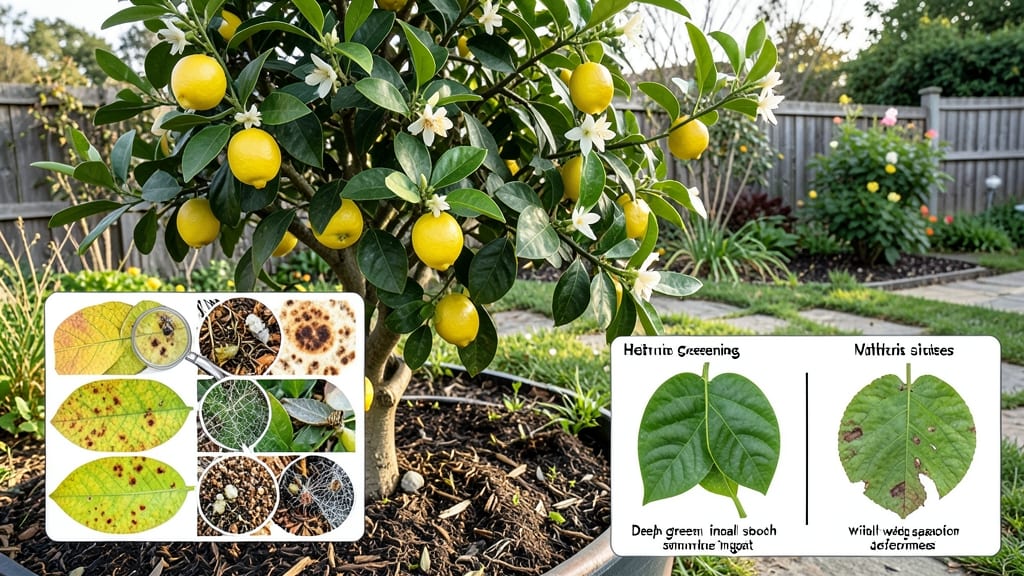
Citrus leaf problems like sudden yellowing or black spots can turn your backyard tree into a sad, spotted mess—until you try this copper spray trick. 🌱 I’ve revived multiple trees in under 24 hours using a simple, non-toxic solution that stops fungal spread in its tracks while keeping your fruit safe to eat.
Most leaf issues stem from humidity-loving fungi (like greasy spot or melanose) or nutrient imbalances, but pests like mites or scale can also wreak havoc.
The key is acting fast: prune infected leaves immediately, then spray a homemade copper mix (1 teaspoon copper sulfate per gallon of water) on both leaf surfaces. Repeat every 7-10 days until new growth appears—no harsh chemicals needed.
Within days, you’ll see fresh green leaves pushing out, and the black spots will fade to just a memory. The best part? This method works for lemons, oranges, and even Meyer lemons, and it’s safe for bees when applied at dusk. Just avoid spraying when rain’s in the forecast.
If your tree keeps losing leaves despite treatment, check for root rot or severe pest infestations—those might need a pro’s touch. But for 90% of cases, this copper cure is all you’ll ever need to keep your citrus thriving.
Root Causes of Citrus Leaf Troubles
Citrus trees are resilient, but their leaves can become a battleground for nature’s hidden forces—fungi, pests, nutrient imbalances, and environmental stress. Understanding why these issues arise is the first step to restoring your tree’s health.
Below, we break down the science behind the most common citrus leaf problems, so you can tackle them with precision.
Fungal pathogens thrive in warm, humid conditions, making citrus trees prime targets. These microscopic invaders disrupt leaf function by: - Clogging stomata (leaf pores) with fungal hyphae, blocking gas exchange. - Producing toxins that trigger cell death, leading to spots, blisters, or yellowing. - Feeding on chlorophyll, starving leaves of energy and turning them pale or necrotic. #### 🔍 Common Fungal Culprits & TriggersFungi don’t act alone—they need the right conditions to spread. Here’s what fuels their growth:
| Fungal Disease | Primary Cause | Environmental Triggers |
|---|---|---|
| Citrus Canker (Xanthomonas) | Bacterial-like symptoms (often misdiagnosed as fungal), but spread via water splashing. | Overhead irrigation, high humidity, wounds from pruning. |
| Melanose (Diaporthe citri) | Fungal spores overwinter in dead leaves or bark. | Cool, wet springs; poor air circulation; acidic soil. |
| Alternaria Leaf Spot | Fungal spores germinate in leaf moisture. | Hot, humid weather; dense foliage; nitrogen-rich fertilizers. |
| Powdery Mildew (Oidium) | Fungal hyphae form white, powdery colonies. | Low light, high nighttime humidity, crowded branches. |
💡 Pro Tip: Fungi spread faster when leaves stay wet for more than 4–6 hours. Prune for airflow and water in the early morning to let foliage dry quickly.
Insects and mites don’t just nibble—they inject toxins, suck sap, or lay eggs that trigger leaf deformities. Their damage often looks like disease but stems from: - Direct feeding, which disrupts nutrient transport (e.g., aphids, scale insects). - Toxin injection, causing yellowing or curling (e.g., spider mites, whiteflies). - Egg-laying trauma, leading to gall formation or stunted growth (e.g., citrus leafminers). #### 🕵️♂️ Key Pests & Their Hidden MotivationsPests exploit weak trees, but some have specific triggers:
- Spider Mites (Tetranychus spp.): Drought stress triggers their populations to explode. They thrive in low humidity and high temperatures (above 90°F).
- Aphids (Aphis spp.): New growth attracts them—think of them as leaf squatters moving into a fresh apartment. They also love honeydew (their sticky waste), which feeds sooty mold fungi.
- Scale Insects (e.g., Citrus Snow Scale): Over-fertilization (especially nitrogen) makes leaves juicier, inviting these sap-suckers. They’re also drought-tolerant, often hiding under thick foliage.
- Citrus Leafminers (Phyllocnistis citrella): Young, tender leaves are their favorite buffet. They tunnel just under the leaf surface, creating serpentine mines.
🔥 Warning: Pests like whiteflies and mealybugs excrete honeydew, which attracts ants—and ants protect these pests from natural predators. Break the cycle by targeting both!
Citrus trees are tropical at heart, but abrupt changes in their environment can shock them into distress. Common stressors include: - Temperature extremes: Cold snaps (below 28°F) cause leaf burn, while heatwaves (above 100°F) scorch foliage. - Water imbalances: Overwatering suffocates roots (leading to fungal issues), while drought forces leaves to curl and drop. - Sunburn: Intense afternoon sun on young or thin leaves causes white or brown patches (especially in newly planted trees). - Wind damage: Salt spray (near coasts) or physical abrasion tears leaves, creating entry points for pathogens. #### 🌪️ How Stress Opens the Door to ProblemsStressed trees have weaker defenses. Here’s how environmental factors create vulnerabilities:
- Cold damage: Freezing temperatures rupture cell membranes, making leaves easy targets for fungal infections like Phytophthora.
- Salt stress: Coastal citrus often suffers from chlorosis (yellowing) because salt blocks iron uptake, mimicking nutrient deficiencies.
- Poor drainage: Waterlogged roots can’t absorb nutrients, leading to zinc or manganese deficiency, which causes yellowing between leaf veins.
- Ozone pollution: Urban trees exposed to smog develop stippling (tiny brown dots) as ozone damages leaf tissue.
✨ Solution: Mulch with 3–4 inches of organic matter to regulate soil temperature and moisture, reducing stress-related damage.
Citrus trees are heavy feeders, and deficiencies don’t just yellow leaves—they cripple the tree’s ability to fight off other problems. Key deficiencies and their triggers: - Nitrogen (N): Pale green or yellow leaves (oldest leaves first). Caused by over-pruning, poor soil, or leaching (frequent heavy rains). - Iron (Fe): Interveinal chlorosis (yellow between veins). Common in alkaline soils (pH > 7.0), which locks out iron. - Magnesium (Mg): Yellow patches between veins (new leaves first). Often from over-fertilizing with nitrogen or compacted soil. - Zinc (Zn): Small, distorted leaves with short internodes. Triggered by high soil pH or excess phosphorus.💡 Quick Test: If your tree’s leaves are yellow but veins stay green, it’s likely iron or magnesium. Use a soil test kit to confirm!
Revive Your Citrus Leaves Fast
Citrus trees are resilient, but when their leaves start showing signs of distress—spots, discoloration, or curling—it’s time to act. The good news? Most issues can be turned around with targeted care, and copper spray is your secret weapon for a quick recovery.
Below, we’ll break down practical fixes for common citrus leaf problems, from fungal infections to pest invasions, so your tree can bounce back in 24 hours or less.
---
Yellowing leaves are often a cry for help—whether your citrus is thirsty, drowning, or lacking key nutrients.
How to Revive: - 💧 Check the soil moisture – Stick your finger 2 inches deep. If it’s soggy, your tree’s roots are suffocating. Let the soil dry out slightly before watering again. - 🌱 Feed with citrus-specific fertilizer – Look for a balanced NPK (6-6-6 or 8-3-9) with micronutrients like iron, manganese, and zinc. Apply in early spring and again after harvest. - 🍊 Boost with Epsom salt – For magnesium deficiency (common in citrus), mix 1 tbsp of Epsom salt per gallon of water and spray on leaves every 2 weeks until yellowing fades.
💡 Prevention Tip: - Water deeply but infrequently—citrus trees hate "wet feet." Aim for 1–1.5 inches of water per week, adjusting for rain. - Mulch around the base with wood chips or straw to retain moisture and regulate soil temp.
---
Black or greasy spots on leaves? Fungal diseases like citrus canker or melanose thrive in humid, wet conditions.
How to Treat: - 🧴 Apply copper fungicide spray – Mix 1 tbsp of copper sulfate per gallon of water (or use a pre-mixed copper fungicide). Spray thoroughly on both leaf surfaces at dusk to avoid burning leaves in sunlight. Repeat every 7–10 days for 3–4 weeks. - 🌿 Prune infected branches – Cut off spotted leaves and stems with sterilized pruners (wipe with rubbing alcohol between cuts) and dispose of them in the trash (not compost). - 🌧️ Improve airflow – Thin out dense foliage and space trees 8–10 feet apart to reduce humidity buildup.
🔥 Emergency Fix (24-Hour Revival): - 🍄 Mix 1 tsp baking soda + 1 tbsp horticultural oil + 1 tsp dish soap per gallon of water. Spray once daily for 3 days to slow fungal spread while copper takes effect.
💡 Prevention Tip: - Water at the base, not overhead—fungi love damp leaves. - Sanitize tools before and after pruning to prevent spreading spores.
---
Sticky leaves, tiny bugs, or webbing? Pests suck the life out of citrus—and fast.
How to Kick Them Out: - 🚿 Blast off pests with water – Use a strong hose spray to knock off scale insects and aphids. Do this early morning for best results. - 🍋 Spray neem oil or insecticidal soap – Mix 1 tbsp neem oil or insecticidal soap per quart of water. Spray every 5–7 days until pests vanish. - 🐝 Introduce beneficial insects – Release ladybugs, lacewings, or parasitic wasps (available at garden centers) to naturally control mites and aphids.
🕷️ Spider Mite Special Treatment: - 💦 Mist leaves daily – Spider mites hate humidity. A light spray with water keeps them at bay. - 🍎 Wipe leaves with a damp cloth to remove webbing and eggs.
💡 Prevention Tip: - Inspect new plants before bringing them home—quarantine for 2 weeks to spot hitchhiking pests. - Avoid over-fertilizing with nitrogen—soft, new growth attracts pests.
---
If leaves are puckered, twisted, or stunted, it could be a virus (like citrus tristeza) or a zinc/manganese deficiency.
How to Fix: - 🌱 Test soil for micronutrients – A home soil test kit ($10–$15) can reveal deficiencies. If zinc or manganese is low, apply a chelated micronutrient spray. - 🍊 Prune severely affected branches – Viral infections can’t be cured, but removing infected growth prevents spread. - 🌞 Ensure full sun exposure – Citrus trees need 6+ hours of sunlight daily to stay healthy.
💡 Prevention Tip: - Buy certified disease-free trees from reputable nurseries. - Avoid grafting infected scions—viruses spread through plant material.
--- No matter the problem, these quick fixes help your citrus tree bounce back faster:
- 🍃 Trim damaged leaves – Remove 1/3 of the worst-affected foliage to redirect energy to healthy growth. - 🌿 Apply a seaweed or fish emulsion fertilizer – These stress-relief boosters strengthen roots and leaves. - 🌞 Give it bright, indirect light – Move potted citrus to a sunny windowsill or patio (avoid harsh afternoon sun if leaves are weak).
--- ⏳ Expected Timeline: - Mild issues (nutrient deficiency, early pests): 3–7 days with consistent care. - Fungal diseases (canker, melanose): 7–14 days with copper sprays + pruning. - Severe pest infestations: 10–21 days (may require multiple treatments).
With these steps, your citrus tree can go from sad and spotted to thriving in no time—no green thumb required! 🌿✨
Frequently asked questions about citrus leaf issues
Why do my citrus leaves turn yellow between the veins first?
This classic symptom usually signals an iron or magnesium deficiency. Citrus trees struggle to absorb these nutrients in alkaline soils (pH > 7.0). Try mixing 1 tbsp Epsom salt per gallon of water and spraying it on leaves every 2 weeks. For iron, use a chelated iron supplement applied directly to the soil.
Can I use household vinegar to treat fungal spots on my citrus leaves?
While vinegar can help in a pinch, it's not the best solution for fungal diseases like melanose or canker. Vinegar's acidity may burn leaves at recommended strengths. Instead, use a copper fungicide spray (1 tbsp copper sulfate per gallon of water) applied at dusk for better results.
How do I know if my citrus leaf problems are from pests or disease?
Check the leaf undersides for tiny webs (spider mites), sticky residue (aphids), or tiny white bumps (scale insects). Diseases like canker show raised, oily spots, while fungal spots often have yellow halos. If you see crawling insects, it's pests; if not, it's likely a fungal or bacterial issue.
Will pruning my citrus tree help with leaf problems?
Pruning improves airflow and removes infected leaves that spread disease. Always use sterilized pruners and remove only the worst-affected branches (never more than 1/3 of the tree). Dispose of pruned leaves in the trash, not compost, to prevent reinfection.
How often should I spray my citrus tree with copper fungicide?
For active fungal issues, spray every 7-10 days for 3-4 weeks, then reduce to monthly preventative sprays during humid seasons. Always spray at dusk to avoid leaf burn from sunlight, and water the tree afterward to help the copper adhere better.