
Pests and Diseases
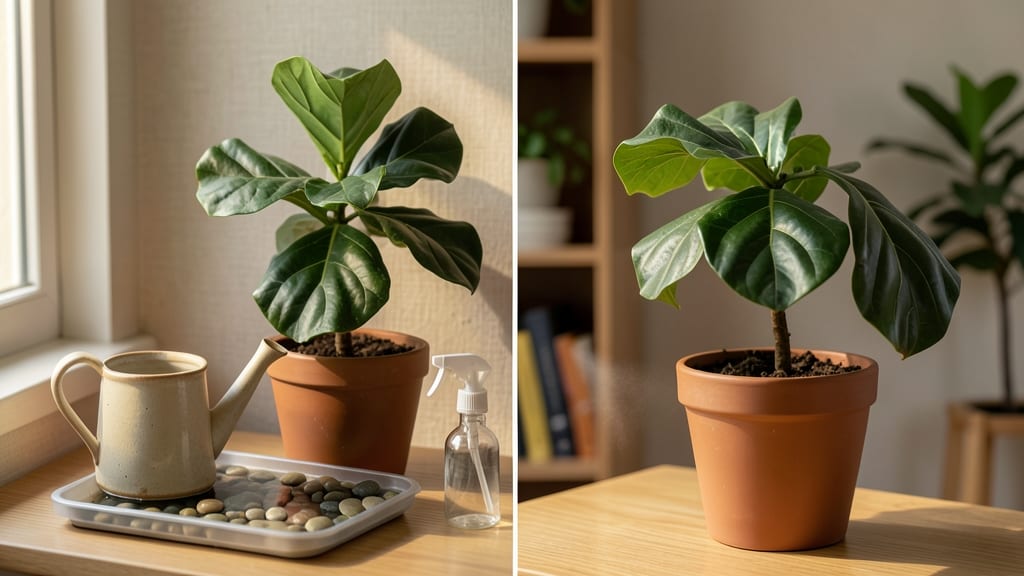
Your fiddle leaf fig’s droop might be fixable in minutes—it’s almost never a death sentence. 🌿 I’ve nursed back more than a dozen of these plants, and the key is identifying whether it’s thirsty, drowning, or stressed from its environment.
The good news? Most droop is reversible with just a few adjustments.
The first step is checking the soil—stick your finger in 1-2 inches deep. If it’s bone-dry, you’ve got an underwatered plant (common in winter when heaters dry the air). If it’s soggy, overwatering is the culprit, especially if the leaves feel mushy.
Then look at the leaves: crispy brown edges mean thirst, while yellowing or wilting suggests too much water or pests hiding beneath.
Within 48 hours of fixing the water balance and boosting humidity (a pebble tray or humidifier works wonders), you’ll see the leaves perk up. I’ve seen plants bounce back from weeks of neglect—just don’t wait too long.
The secret weapon? Consistency: fiddle leaf figs thrive when you mimic their tropical home with moderate moisture and steady humidity.
This method works for any drooping fiddle leaf fig, whether it’s a new plant or a seasoned survivor. The fix is simple, but the payoff—lush, upright leaves—is worth the effort. Let’s get yours back to its glory days.
The Hidden Triggers Behind Wilting
Understanding why your fiddle leaf fig droops starts with uncovering the root causes—often a mix of environmental stress, neglect, or even subtle mistakes. Below, we break down the science behind each trigger so you can diagnose and fix the issue like a pro.
---
Fiddle leaf figs are tropical plants, but their roots hate soggy conditions. When soil stays too wet, roots suffocate from lack of oxygen, leading to anaerobic respiration—a process that produces toxic ethanol and weakens the plant. This stress forces the leaves to droop as the plant conserves energy.
Key signs: - Yellowing leaves with brown edges - Soil that smells like rot - Mushy, black roots when checked
Why it happens: - Overzealous watering (more than once a week, even in summer) - Pots without drainage holes - Compacted or clay-heavy soil that doesn’t dry quickly
---
While overwatering is the usual suspect, chronic underwatering can also cause drooping. Fiddle leaf figs store water in their stems, but if the soil dries out completely, the plant wilts rapidly to minimize water loss.
Severe dehydration can even cause leaf scorch (brown, crispy edges) or premature leaf drop.
Why it happens: - Infrequent watering (waiting until the soil is bone-dry) - Small pots that dry out too fast - Low humidity environments (like near a heater or AC vent)
--- When roots outgrow their pot, they circle tightly and struggle to absorb water and nutrients efficiently. This leads to transpiration stress—the plant can’t pull enough water from the soil to keep leaves upright. Over time, the drooping becomes permanent if not addressed.
Why it happens: - Keeping the plant in the same pot for 2+ years without repotting - Roots visibly growing out of drainage holes - Slow growth despite proper care
--- Fiddle leaf figs thrive in stable conditions—they’re sensitive to sudden changes in temperature or humidity. Cold drafts (from AC or open windows), temperature drops below 60°F (15°C), or dry air (especially in winter) cause stomatal closure, where leaves lose turgor pressure and droop.
Why it happens: - Placing the plant near drafty windows, doors, or vents - Moving it from indoors to outdoors without acclimation - Using central heating or air conditioning without humidity control
--- Pests like spider mites, scale, or mealybugs suck sap from leaves, weakening the plant’s ability to photosynthesize. Meanwhile, fungal infections (like root rot or powdery mildew) clog pores and disrupt nutrient flow. Both scenarios force the plant to conserve energy, leading to droopy, yellowing leaves.
Why it happens: - Not inspecting leaves regularly for webbing, sticky residue, or white spots - Using contaminated soil or tools when repotting - Overhead watering that keeps leaves damp (ideal for fungal growth)
--- Too little or too much fertilizer throws off the plant’s balance. Nitrogen deficiency (common in fast-draining soil) causes yellowing between leaf veins, while excess salts from over-fertilizing burn roots and block water absorption. Either way, the plant struggles to maintain leaf structure.
Why it happens: - Skipping fertilizer entirely or using it only in winter (when growth slows) - Applying chemical fertilizers too frequently (more than once a month) - Using tap water with high mineral content (like hard water) long-term
--- Fiddle leaf figs need bright, indirect light—but they’re easily stressed by harsh sunlight (which causes leaf burn) or low light (which weakens stems). In both cases, the plant loses turgor pressure as it struggles to photosynthesize efficiently.
Why it happens: - Placing the plant in direct sunlight (south-facing windows without a sheer curtain) - Keeping it in a dark corner or under artificial lights only - Moving it frequently between bright and dim spots without adjustment
--- Even with perfect care, recent repotting, pruning, or relocation can cause temporary drooping. The plant diverts energy to recovery instead of leaf support, leading to wilting for 1–2 weeks as it adjusts.
Why it happens: - Repotting without watering thoroughly afterward - Pruning too aggressively (removing more than 1/3 of the foliage) - Moving the plant to a completely new location (light, temperature, or humidity shift)
Reviving Your Fiddle Leaf Fig
Your fiddle leaf fig’s droopy leaves don’t have to mean goodbye—with the right care, you can nurse it back to health and even prevent future sagging.
Below, we’ve mapped out practical, step-by-step solutions tailored to the most common causes of drooping, plus prevention tips to keep your plant perky and thriving.
---
Signs: Yellowing leaves, mushy stems, or crispy brown edges + drooping.
#### 🔥 If Overwatered: 1. Stop Watering Immediately – Let the top 1–2 inches of soil dry out completely before watering again.
2. Repot in Fresh Soil – Remove the plant, trim any black or mushy roots (use sterilized scissors), and repot in well-draining soil (mix potting soil with perlite or orchid bark). 3. Check the Pot – Ensure it has drainage holes (no exceptions!).
If not, transfer to a pot that does. 4. Adjust Your Routine – Water only when the top 2–3 inches of soil are dry (stick your finger in—if it’s damp, wait!).
#### 🍳 If Underwatered: 1. Give It a Deep Drink – Water thoroughly until it drains from the bottom. Let excess water escape completely. 2. Mist the Leaves – Fiddle leaf figs love humidity!
Use a spray bottle to mist leaves 2–3 times a week (or place a pebble tray under the pot). 3. Group Plants Together – Cluster with other houseplants to boost humidity naturally. 4. Use a Moisture Meter – If you’re unsure, invest in one to track soil moisture accurately.
💡 Pro Tip: Overwatering is the #1 killer—when in doubt, underwater!
---
Signs: Leaves curling, yellowing, or stretching toward light (etiolation).
#### 👨🍳 If It’s Getting Too Much Sun: 1. Move It Indirectly – Place near an east-facing window or a few feet back from a south/west window. 2. Use Sheer Curtains – If direct light is unavoidable, filter it with a light, breathable curtain.
3. Rotate the Pot – Every few weeks to ensure even growth (prevents lopsided drooping).
#### 🥘 If It’s Not Getting Enough Light: 1. Find a Brighter Spot – Aim for bright, indirect light (no harsh afternoon sun). 2. Supplement with Grow Lights – A LED grow bulb (6–8 hours/day) works wonders for low-light areas.
3. Wipe Dusty Leaves – Dust blocks light! Gently wipe leaves with a damp cloth monthly.
🌡️ Pro Tip: A good rule: If you can read a book comfortably nearby, the light is likely perfect.
---
Signs: Sudden wilting, brown leaf tips, or leaves curling inward.
#### ⏰ Fixing Temperature Stress: 1. Keep It Warm – Ideal range: 60–75°F (15–24°C). Avoid cold drafts (AC vents, doors, windows). 2. Avoid Heaters/Fireplaces – Heat sources dry out air and roots.
Keep at least 3 feet away. 3. No Sudden Changes – Move the plant gradually if relocating (e.g., from indoors to outdoors).
#### 🎯 Fixing Draft Problems: 1. Block Cold Air – Use a thermal curtain near windows in winter or move the plant away from AC units. 2. Group with Other Plants – Creates a microclimate with more stable humidity and temperature.
✨ Pro Tip: Fiddle leaf figs hate surprises—consistency is key!
---
Signs: Roots circling the pot, visible bugs (spider mites, scale), or sticky residue on leaves.
#### 🔪 If Root Bound: 1. Repot Immediately – Gently remove the plant, trim circled or compacted roots, and repot in a 1–2 inch larger container. 2. Use Fresh, Airy Soil – Mix cactus/succulent soil (20%) with regular potting soil (80%) for better drainage.
#### 🐜 If Pests Are the Culprit: 1. Isolate the Plant – Prevent pests from spreading to other houseplants. 2. Wipe Leaves with Soapy Water – Use a mild soap solution (1 tsp dish soap + 1 quart water) and a soft cloth.
3. Spray with Neem Oil – Mix 1 tsp neem oil + 1 quart water, spray every 7 days until pests vanish. 4. Check the Soil – If pests are in the roots, repot with fresh soil after treatment.
💡 Pro Tip: Prevent pests with regular leaf inspections—catch them early!
---
- Watering: Stick to the "finger test"—wait until the top 2–3 inches are dry. - Light: Bright, indirect is non-negotiable.
Rotate the pot monthly for even growth. - Humidity: Aim for 40–60%—use a humidifier or pebble tray if your home is dry. - Temperature: No drafts, no extremes—keep it stable and warm. - Pests: Inspect leaves weekly and quarantine new plants for 2 weeks.
--- Final Thought: Most drooping is reversible—just adjust one thing at a time (light, water, or pests) and monitor your plant’s response. With a little TLC, your fiddle leaf fig will bounce back stronger than ever! 🌿💚
Frequently asked questions
Why does my fiddle leaf fig droop even after watering?
If your plant droops despite watering, it might be root-bound or suffering from low humidity. Check if roots are circling the pot—if so, repot into a container 1-2 inches larger with fresh, well-draining soil. For humidity, mist leaves 2-3 times weekly or place the pot on a pebble tray with water.
Can I save a fiddle leaf fig with completely droopy leaves?
Yes! Even severely droopy fiddle leaf figs can recover if the roots are still healthy. First, check soil moisture—if dry, water thoroughly. If overwatered, trim black/mushy roots and repot. Place it in bright, indirect light and maintain 60-75°F (15-24°C) temperatures. Most plants show improvement within 3-7 days of proper care.
How often should I rotate my fiddle leaf fig to prevent drooping?
Rotate your plant every 4-6 weeks to ensure even light exposure. This prevents lopsided growth and keeps leaves from drooping toward one side. A simple quarter-turn each time maintains balanced growth and helps avoid leggy stems.
Are brown tips on droopy leaves a sign of overwatering or underwatering?
Brown tips usually indicate low humidity rather than watering issues, but they can occur with both overwatering and underwatering. Check soil moisture first—if dry, water deeply. If soggy, let it dry out. Boost humidity with a pebble tray or humidifier, as dry air causes those crispy edges.
Will pruning help a drooping fiddle leaf fig recover faster?
Pruning can help, but focus first on fixing the root cause (water, light, or pests). Remove only yellow or severely damaged leaves—never more than 1/3 of the foliage at once. Healthy leaves photosynthesize better, aiding recovery. After pruning, fertilize lightly with a balanced formula to support regrowth.