
Leaf Blower
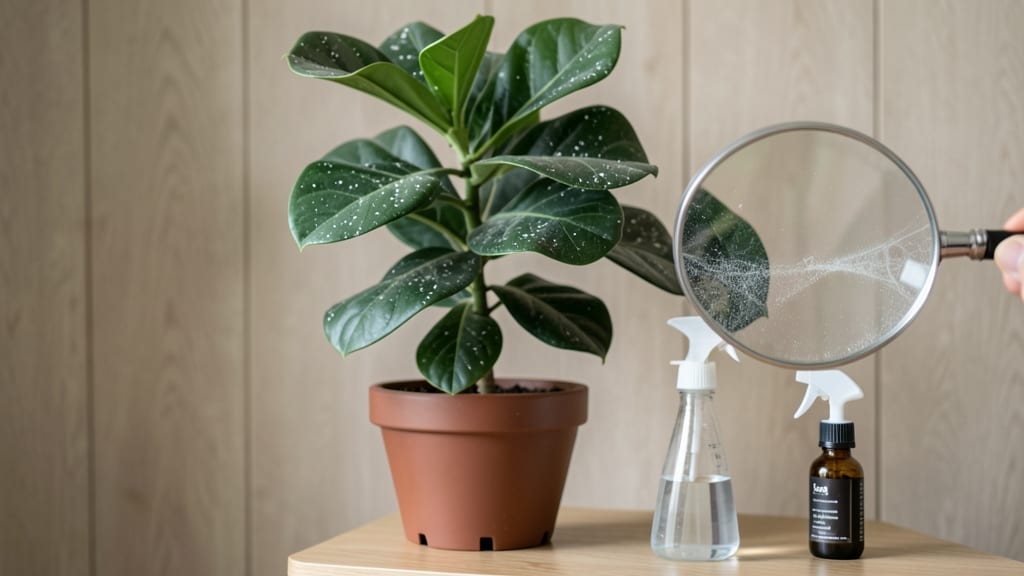
White spots on fiddle leaf fig leaves are your plant’s silent SOS—often powdery mildew, but sometimes spider mites or stress. 🌿 I’ve battled this exact issue with my own fig, and the difference between a sad, spotted leaf and a thriving plant comes down to three targeted steps.
Most people reach for harsh sprays first, but the real fix starts with proper identification and gentle care.
The culprit is usually powdery mildew—a fungal infection that thrives in humid, low-light conditions. Spider mites can also cause white webbing or speckles, while environmental stress (like sudden temperature drops) mimics the symptoms but needs a different approach.
The key is checking the leaf texture: powdery mildew feels like flour dust, while mites leave tiny stippled marks and webbing. Misdiagnosis leads to wasted treatments, so let’s get this right.
Within a week of proper care, you’ll see new growth pushing through clean, vibrant leaves. The fix involves isolating the plant, adjusting airflow, and applying a simple spray (neem oil or baking soda mix works wonders).
Prevention is even easier: just maintain consistent humidity and light, and wipe leaves regularly. Your fiddle leaf fig will bounce back faster than you think—no harsh chemicals required.
If the spots spread aggressively or you notice blackened stems, it’s time to call in a pro. But for most cases, this method works like a charm. Trust me, your plant’s recovery starts the moment you take action—no more guessing games.
Understanding The Root Causes
White spots on your fiddle leaf fig’s leaves aren’t just an aesthetic issue—they’re a cry for help from your plant. Before you panic, let’s break down the real culprits behind these pesky marks, so you can tackle the problem head-on.
---
Fungal spores are everywhere—soil, air, even on your hands—but they only cause trouble when conditions are just right for them. For fiddle leaf figs, the most common fungal offenders include:
- Powdery Mildew 🍄 - What’s happening? A fine, white, powdery coating appears on leaves, often starting on the undersides.
It thrives in humid, stagnant air (think: closed rooms with poor airflow). - Why now? Fiddle leaf figs love humidity, but too much (especially without circulation) creates the perfect fungal buffet.
Overhead watering or wet foliage for too long? Direct hit. - Science alert: The fungus Erysiphe or Oidium feeds on leaf sugars, weakening the plant’s ability to photosynthesize. White spots expand, leaves yellow, and growth stalls.
- Leaf Spot Fungi (e.g., Cercospora or Phyllosticta) 🌧️ - What’s happening? Small, white or grayish spots with dark edges (sometimes with yellow halos) appear, often after rain or overwatering.
These spots may turn brown and drop out over time. - Why now? Fungal spores splash onto leaves from contaminated soil or water.
If your fig’s leaves stay damp for more than 6 hours, spores germinate and infect the tissue. - Science alert: These fungi thrive in warm (70–85°F), wet conditions. They produce toxins that kill leaf cells, creating those ugly white/gray patches.
--- Your fiddle leaf fig isn’t a swamp plant—it’s a tropical dry-forest dweller. When roots sit in soggy soil for too long, they suffocate, and the plant sends out distress signals, including white spots.
- What’s happening? White, mushy patches (sometimes with a foul smell) appear on leaves or stems. This is often edema—a condition where cells burst from excess water pressure. - Why now? Fiddle leaf figs store water in their leaves and stems.
If the soil stays waterlogged, roots can’t absorb nutrients fast enough, and the plant “overhydrates” its leaves, causing cellular damage. - Science alert: Edema occurs when root uptake slows (due to compacted or waterlogged soil), but the plant keeps drinking.
The excess water builds up in leaf tissues, leading to white, spongy spots that eventually turn brown and crispy.
--- Not all white spots are fungal. Sometimes, pests leave behind a trail of destruction—and their waste can trigger secondary infections.
- Spider Mites 🕷️ - What’s happening? Tiny white specks (actually mite eggs or webbing) appear on leaves. Heavy infestations cause stippling (white/discolored dots) as mites pierce cells to feed on sap. - Why now? Low humidity + dry air = mite paradise.
These pests thrive in hot, arid conditions and multiply rapidly, weakening the plant enough for fungi to move in. - Science alert: Mites inject toxins that disrupt the plant’s chlorophyll production, leading to white or yellow stippling. Their webbing also traps moisture, creating ideal fungal conditions.
- Mealybugs or Scale Insects 🐜 - What’s happening? Cottony white clusters (mealybugs) or small, waxy bumps (scale) appear on leaves or stems. Their sticky honeydew attracts sooty mold—a black fungal growth that can mask white spots. - Why now? These pests love new growth and weak plants.
If your fiddle leaf fig is stressed (from over/underwatering or poor light), it’s an easy target.
--- Sometimes, white spots are a symptom of broader stress, not a direct infection. Sudden changes in temperature, light, or airflow can trigger cellular damage.
- Sunburn or Light Stress ☀️ - What’s happening? Pale, white patches (often on leaves exposed to direct sun) indicate chlorophyll bleaching. This happens when intense light damages leaf cells faster than they can repair. - Why now? Fiddle leaf figs prefer bright, indirect light.
Sudden moves from low-light spots to harsh sunlight (like a south-facing window) cause photooxidative stress, leading to white, crispy areas.
- Cold Drafts or Temperature Fluctuations ❄️ - What’s happening? White or brown spots may appear after exposure to cold drafts (below 50°F) or rapid temperature swings. Cold stress disrupts cell membranes, causing localized death. - Science alert: Plants rely on enzyme activity for growth.
Cold temperatures slow these processes, leading to necrotic (dead) tissue that appears as white or gray patches.
--- Overzealous care can also trigger white spots. If your fiddle leaf fig is reacting to fertilizer burn or harsh pesticides, the damage can mimic fungal issues.
- Fertilizer Burn 🌱 - What’s happening? White, crispy edges on leaves or white/yellow spots near leaf tips.
This occurs when salt buildup (from over-fertilizing) disrupts the plant’s ability to absorb water. - Why now? Fiddle leaf figs need balanced nutrients, but too much nitrogen or salts (especially in tap water) accumulate in the soil. Roots can’t function properly, leading to osmotic stress and leaf damage.
- Pesticide or Soap Residue 🧼 - What’s happening? White, bleached spots appear after spraying with harsh chemicals (like neem oil left too long or soap solutions not rinsed off). - Why now? Some pesticides contain surfactants that break down the waxy cuticle on leaves.
Without this protective layer, cells dry out or absorb too much water, leading to white, dead patches.
--- Not sure which cause fits your plant? Use this cheat sheet:
| Symptom | Likely Cause | Key Clues | |---------------------------|---------------------------------|----------------------------------------| | Powdery white coating | Powdery mildew | Starts on undersides, spreads fast | | Small white/gray spots | Leaf spot fungi | Often after watering, dark edges | | Mushy white patches | Edema (overwatering) | Stems/leaves feel spongy | | Stippling + webbing | Spider mites | Tiny moving dots, dry air | | Cottony white clusters | Mealybugs/scale | Sticky residue, new growth affected | | Sun-exposed white patches | Sunburn | Only on direct-light leaves | | Crispy white leaf tips | Fertilizer burn | Yellowing between veins |
Quick Fixes for Fungal Fiddle Leaf Frenzy
Now that you know the root causes behind those pesky white spots on your fiddle leaf fig, it’s time to roll up your sleeves and get your plant back to its lush, leafy glory! 🌿✨ Below are practical, step-by-step solutions tailored to the most common culprits—fungal infections, overwatering, and environmental stress—plus tips to keep your plant thriving long-term.
---
If your fiddle leaf fig is battling powdery mildew or sooty mold, act fast with these steps:
#### 🔥 Step 1: Isolate and Inspect - Move your plant away from others to prevent spreading spores. 🏠🚫 - Check the undersides of leaves (a hotspot for fungal growth) and stems for white, powdery patches or black, sticky residue.
#### 🍳 Step 2: Gentle Cleaning - Damp cloth method: Wipe leaves with a soft, damp microfiber cloth (no soap!) to remove surface spores. For stubborn spots, mix 1 tsp neem oil + 1 tsp baking soda + 1 quart water in a spray bottle.
Shake well and apply lightly to affected areas. 🌿💦 - Avoid harsh chemicals—they can damage leaves. If the infection is severe, consider a fungicide spray (like copper-based or potassium bicarbonate solutions) as a last resort.
#### 👨🍳 Step 3: Boost Airflow & Light - Increase air circulation: Use a small fan (on low) near the plant for 10–15 minutes daily to dry leaves faster. ⚡💨 - Adjust lighting: Move your fiddle leaf fig to bright, indirect light (no direct sun, which can stress the plant further).
#### ⏰ Step 4: Prevent Recurrence - Water only when the top 1–2 inches of soil are dry (stick your finger in to check!). Overwatering is a fungal magnet. 💧🌱 - Wipe leaves monthly with a damp cloth to prevent buildup. - Avoid overhead watering—water at the base instead.
---
If your fiddle leaf fig’s white spots are from root rot or edema (waterlogged stress), follow these recovery steps:
#### 🔥 Step 1: Stop Watering Immediately - Let the soil dry out completely before watering again. If the roots are mushy or black, your plant is in root rot danger zone. ⚠️🚨
#### 🍳 Step 2: Repot (If Necessary) - If roots are rotting, remove the plant gently, trim away black/mushy roots with sterilized scissors, and repot in fresh, well-draining soil (add perlite or orchid bark for aeration). 🪴🔪 - Choose a pot with drainage holes—this is non-negotiable!
#### 👨🍳 Step 3: Adjust Your Watering Routine - Water only when the top 2–3 inches of soil are bone-dry. Stick your finger in—if it’s damp, wait! 🧵💧 - Bottom-watering trick: Place the pot in a tray of water for 10–15 minutes, then drain excess.
This encourages roots to grow deeper and reduces surface moisture.
#### 🌡️ Step 4: Monitor Humidity & Temperature - Fiddle leaf figs love moderate humidity (40–60%).
If your home is dry, use a humidifier or place the pot on a pebble tray with water. 🌡️💧 - Keep temps between 65–80°F—avoid cold drafts or heaters blowing directly on the plant.
---
If white spots are from sunburn, low humidity, or nutrient deficiencies, try these fixes:
#### ☀️ Sunburn or Heat Stress? - Move your plant to bright, indirect light (east or north-facing windows are ideal). 🏠☀️ - If using grow lights, keep them 6–12 inches away and on for 12–14 hours/day. - Avoid sudden temperature swings—keep it stable!
#### 💡 Nutrient Deficiency? - Fertilize lightly with a balanced liquid fertilizer (diluted to half-strength) every 4–6 weeks during spring/summer. Over-fertilizing can burn roots! 🌱💪 - Flush the soil every few months with water to prevent salt buildup.
#### 🌧️ Low Humidity Fixes - Mist leaves lightly 2–3 times a week (avoid misting in direct sunlight to prevent fungal growth). 💦🌿 - Group plants together to create a mini humid microclimate. - Use a humidifier near your plant for consistent moisture.
---
- Quarantine new plants for 2–4 weeks before introducing them to your collection. 🛡️🌱 - Wipe leaves regularly with a damp cloth to remove dust and prevent fungal growth. ✨🧼 - Rotate your plant weekly so all sides get even light exposure. 🌀🌿 - Check soil moisture with a moisture meter or your finger—don’t guess! 📏💧
--- Remember: Patience is key! Some white spots may take 2–4 weeks to fade as new leaves grow in. Stick with these fixes, and your fiddle leaf fig will be back to its glorious, spot-free self in no time. 🌟🌿
Frequently asked questions
Are white spots on my fiddle leaf fig always a sign of disease?
Not necessarily! While fungal infections like powdery mildew or leaf spot fungi are common causes, white spots can also result from environmental stress. Check for sunburn (white patches on sun-exposed leaves), spider mite damage (tiny stippling with webbing), or even fertilizer burn (crispy white edges). The key is examining the texture—powdery mildew feels like dust, while sunburn spots are dry and crispy.
How do I tell if my fiddle leaf fig has powdery mildew vs. spider mites?
Look closely: powdery mildew appears as a white, flour-like coating (especially on leaf undersides) that spreads gradually. Spider mites, however, cause tiny white/yellow stipples and leave behind fine webbing. Hold a white sheet of paper under the leaf—mites will scatter when disturbed. Both issues need treatment, but mites require insecticidal soap while mildew responds to neem oil.
Can I save my fiddle leaf fig if the white spots have spread to the stems?
It depends on the cause. For fungal infections, prune affected stems with sterilized scissors and treat the remaining plant immediately. If the spots are from edema (waterlogged stress), stop watering and repot in fresh, well-draining soil. Severe cases may require removing entire branches, but new growth will emerge from healthy stems. Always isolate the plant to prevent spread.
Will neem oil harm my fiddle leaf fig if I use it too often?
Neem oil is safe when used correctly, but overuse can stress your plant. Apply it every 7–10 days for fungal issues, then switch to preventive care (like wiping leaves). Always dilute it properly (1 tsp neem oil + 1 tsp baking soda per quart of water) and avoid spraying in direct sunlight. If you notice yellowing leaves after treatment, flush the soil with water to remove residue.
How long does it take to see improvement after treating white spots?
Most plants show signs of recovery within 1–2 weeks of proper treatment, but complete healing can take 3–4 weeks as new leaves grow. Focus on preventing recurrence by adjusting watering habits, improving airflow, and maintaining consistent light. If spots persist or worsen after 2 weeks, reconsider your diagnosis—it might be a pest or environmental issue rather than a fungal problem.