
Plants
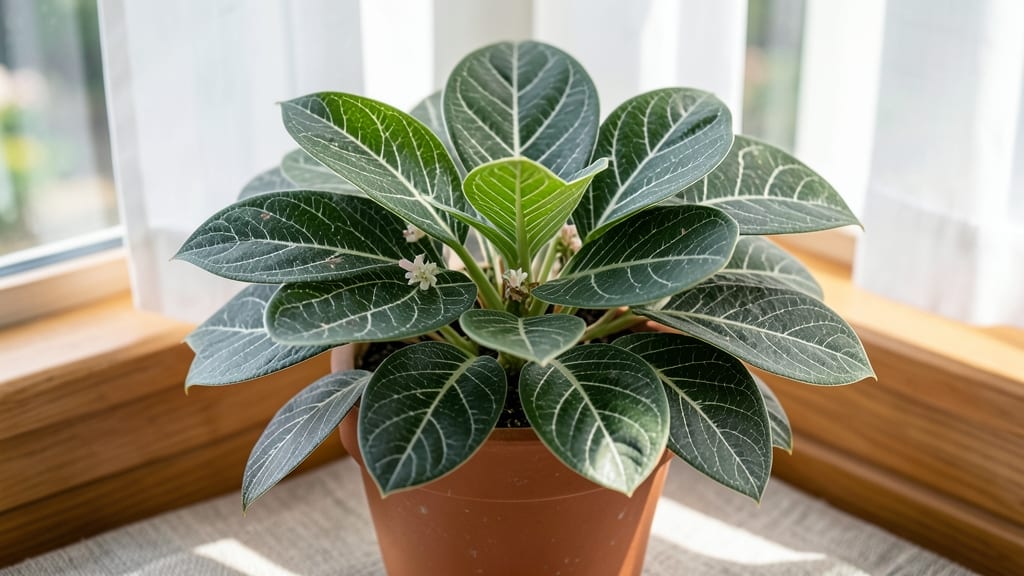
The butterfly leaf plant (Psychotria lanigera) thrives in bright, indirect light and well-draining soil with moderate moisture. Prune leggy growth to encourage bushier foliage and use humidity trays in dry climates to preserve its striking variegated leaves. Avoid direct sun to prevent leaf scorch and fertilize lightly during spring and summer for optimal health.
Growing a butterfly leaf plant successfully hinges on replicating its natural tropical conditions. 🌿 The variegated foliage thrives best when placed near east-facing windows or under grow lights, where it receives plenty of filtered sunlight without harsh exposure.
For soil, a mix of peat moss and perlite creates the ideal airy texture that prevents root rot while allowing excess moisture to drain away.
I've found that maintaining consistent humidity levels—especially in dry indoor environments—is just as crucial as proper lighting, as the plant's delicate leaves can brown at the edges when air becomes too dry.
This plant's dramatic foliage makes it a standout houseplant, but its care requirements are surprisingly straightforward once you understand its preferences. The key is balancing moisture without overwatering, since soggy soil leads to root issues that can quickly kill the plant.
During the growing season, a diluted houseplant fertilizer applied every 4-6 weeks gives it the nutrients needed to maintain its vibrant colors and lush growth pattern.
💡 In This Article
- Optimal Light and Soil Conditions for Butterfly Leaf Plant Growth
- Pruning and Propagation Techniques for Lush Butterfly Leaf Plant Foliage
Optimal light and soil conditions for butterfly leaf plant growth
The butterfly leaf plant's stunning variegation comes from its natural adaptation to dappled light conditions in tropical forests. Bright indirect light—think 3,000-5,000 foot-candles—is ideal because it mimics the filtered sunlight these plants receive under a canopy.
Direct sun causes leaf scorch, visible as crispy brown edges, while too little light (1,000 foot-candles) leads to pale, less vibrant foliage and leggy growth.
I've noticed that east-facing windows provide perfect morning light without afternoon intensity, while west-facing windows may require sheer curtains to diffuse the stronger afternoon rays.
The soil's composition directly affects root health and nutrient absorption. A well-draining mix with 50% peat moss or coconut coir, 30% perlite or pumice, and 20% compost or worm castings creates the airy texture roots need to breathe.
The pH should stay between 5.5-6.5—slightly acidic to neutral—which helps prevent nutrient deficiencies that can cause yellowing leaves. Over time, organic matter breaks down, so I recommend refreshing the top 1-2 inches of soil annually with fresh compost to maintain fertility without compacting the mix.
Root health is particularly sensitive to moisture balance. The plant's native habitat experiences frequent but brief rain showers, so I've found that watering when the top 1-2 inches of soil feel dry to the touch mimics this pattern.
Using a moisture meter helps avoid overwatering, which can lead to root rot—a common issue in butterfly leaf plants. The roots need oxygen, so ensure pots have drainage holes and never sit in saucers of standing water for more than 15-20 minutes after watering.
Seasonal adjustments are key for maintaining variegation intensity. During spring and summer, when growth is most active, the plant can handle slightly more frequent watering (every 5-7 days) and benefits from the addition of a balanced liquid fertilizer (10-10-10) diluted to half-strength.
In winter, when growth slows, reduce watering to every 10-14 days and withhold fertilizer entirely. This seasonal care routine prevents nutrient buildup that can harm roots and ensures the plant's energy goes toward maintaining its striking foliage rather than struggling to process excess minerals.
Humidity plays a surprisingly large role in leaf health. The butterfly leaf plant's native tropical environment maintains 60-80% humidity, and indoor air—especially in winter—often drops below 30%. To compensate, I place plants on humidity trays filled with pebbles and water, or use a small humidifier nearby.
The variegated leaves are particularly prone to brown tips when air is too dry, as the plant struggles to maintain moisture balance through its broad, delicate foliage. A simple spray bottle can help in a pinch, but consistent humidity is far more effective for long-term health.
One common misconception is that all bright light is beneficial, but intensity matters just as much as duration. For example, a south-facing window in summer can deliver 10,000+ foot-candles of light, which is far too intense and will cause leaf burn within hours.
The goal is to replicate the gradual light transition these plants experience naturally—bright but never harsh. If you notice new leaves developing with less variegation, it's often a sign the plant isn't receiving enough light for optimal pigment production.