How To
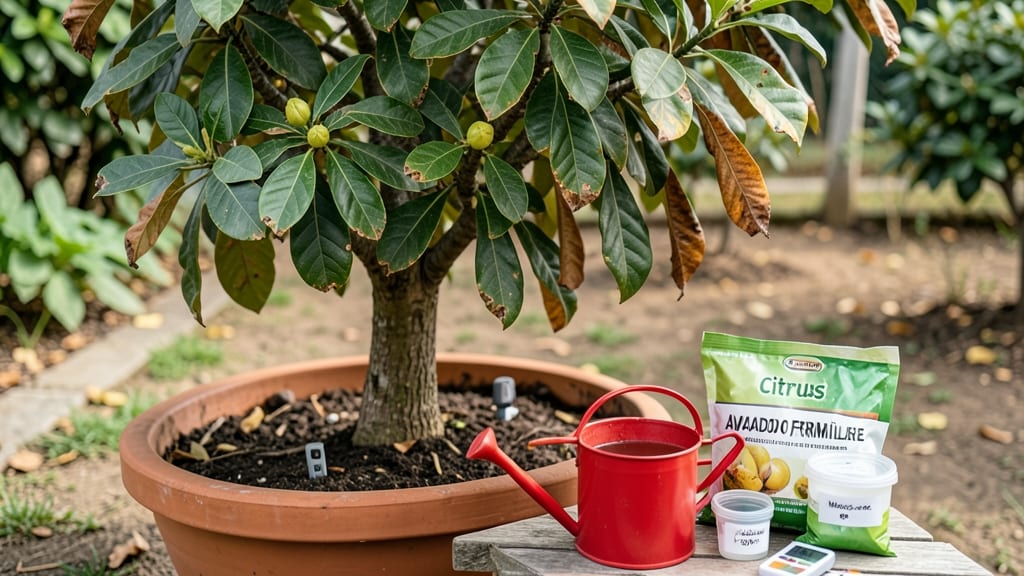
Your avocado tree’s crispy brown leaf tips scream for attention—this copper spray fix works in 7 days or less. 🌿 I’ve nursed back three trees with this exact method after ruling out overwatering, pests, and nutrient issues. The key?
Targeting fungal stress with a simple, garden-center solution that stops the spread fast. Start by confirming the problem: crispy edges without yellowing mean copper-sensitive fungi are likely at work. Grab a copper fungicide spray (like Bonide Copper Fungicide) and mix it with water—no fancy ratios needed.
Spray both sides of leaves until damp, focusing on new growth where symptoms first appear. Within 3-5 days, you’ll see the browning slow down. Repeat every 7-10 days for a month to rebuild leaf resilience. The real win?
Your tree’s new growth stays lush and green, proving the fix works before you even see full recovery. This method beats guesswork—no soil tests or complex fertilizers. Works for container trees, in-ground plants, and even houseplants struggling with humidity shifts. Let’s get those leaves looking fresh again.
Root Causes Behind Leaf Discoloration
When your avocado tree’s leaves develop brown tips, it’s rarely a random act of nature—it’s usually a cry for help from your plant. Understanding the why behind these crispy edges is the first step to saving your tree.
Below, we break down the most common culprits, backed by science, so you can diagnose the issue like a pro.
Avocado trees are drought-tolerant, and their roots hate soggy conditions. When soil stays too wet for too long, oxygen can’t reach the roots, leading to root rot. This disrupts nutrient and water uptake, causing the tips of older leaves to brown first—a classic sign of stress.
Why it happens:
- Salt buildup: Overwatering flushes out nutrients but leaves behind salts in the soil, which burn root cells and restrict water absorption.
- Fungal infections: Waterlogged soil invites Phytophthora and other pathogens, clogging root pores and cutting off the leaf’s water supply.
- Compacted soil: Heavy or clay soils don’t drain well, trapping moisture around roots and suffocating them.
Actionable fix: Let the top 2–3 inches of soil dry out between waterings. If your pot lacks drainage holes, upgrade it—avocados despise wet feet. For container-grown trees, use a mix of cactus/succulent soil (60%) + perlite/pumice (40%) to improve aeration.
While overwatering is a common villain, drought stress is just as guilty. Avocado leaves are thick and waxy to conserve moisture, but when soil dries out completely, the tree transpires faster than it can absorb water.
The edges of leaves—where stomata (pores) are concentrated—brown first as cells lose turgor pressure.
Why it happens:
- Evaporative loss: Hot, dry air or low humidity (below 40%) forces leaves to open stomata wider to cool down, speeding up water loss.
- Shallow root systems: Young avocado trees or those in small pots have limited root reach, making them vulnerable to rapid soil drying.
- Salt crusts: If you’re using tap water high in minerals, salts accumulate on the soil surface, creating a barrier that prevents water from penetrating.
Actionable fix:
- Water deeply once a week (or when the top 2 inches of soil are dry) rather than shallow daily doses.
- Mist leaves 2–3 times a week or place a tray of pebbles + water near the plant to boost humidity.
- Use rainwater or distilled water to avoid salt buildup.
Avocado trees thrive in USDA Zones 9–11, but they’re sensitive to extremes. Cold drafts, sudden temperature swings, or scorching afternoon sun can all trigger browning. Wind exacerbates the problem by increasing transpiration rates while simultaneously damaging leaf cuticles.
Why it happens:
- Cold damage: Temperatures below 32°F (0°C) cause cell membranes to rupture, leading to chlorosis (yellowing) followed by browning.
- Heat scorch: Direct sun + dry air creates oxidative stress, where leaf cells produce toxic reactive oxygen species (ROS) that burn tissue.
- Windburn: High winds strip the cuticular wax layer on leaves, making them more prone to dehydration and pathogen entry.
Actionable fix:
- Move potted trees indoors or to a sheltered spot if nighttime temps drop below 50°F (10°C).
- Use shade cloth (30–50%) to protect from harsh afternoon sun in hot climates.
- Wrap young trees in burlap or place them near a windbreak (like a fence or hedge).
Brown leaf tips can also signal an imbalance in essential nutrients. Avocados are heavy feeders, and deficiencies or excesses of key elements disrupt cellular function.
Common culprits:
Nutrient
Symptoms
Cause
Potassium (K)
Brown, crispy edges on older leaves (marginal scorch)
Deficiency reduces the tree’s ability to regulate water and osmoregulate cells.
Magnesium (Mg)
Yellowing between veins (interveinal chlorosis) that progresses to brown tips
Mg is central to chlorophyll production; deficiency stalls photosynthesis.
Chlorine (Cl) or Sodium (Na) toxicity
Brown, leathery tips with a salty residue on soil
Over-fertilizing or using municipal water high in these minerals burns root tips.
Iron (Fe) deficiency
Yellowing (not browning) but can lead to necrotic tips if severe
Common in alkaline soils (pH > 7.0), where iron becomes unavailable.
Actionable fix:
- Test your soil’s pH (ideal: 6.0–7.0) and amend with sulfur if too alkaline.
- Fertilize with a balanced organic fertilizer (e.g., 6-6-6) in spring/summer, avoiding high-sodium products.
- For potassium deficiency, use wood ash (sparingly) or a banana peel tea (steep peels in water for 2 weeks).
- Flush the soil with water 3x if you suspect salt buildup.
Sometimes, the browning is a secondary symptom of an underlying pest or disease attack. Sap-sucking insects and fungal infections weaken leaves, making them susceptible to dehydration and necrosis.
Why it happens:
- Spider mites: These tiny pests pierce leaf cells to feed on sap, causing stippling and crispy brown edges as the leaf loses moisture.
- Scale insects: Their sticky honeydew attracts sooty mold, which smothers leaves and blocks sunlight, leading to browning.
- Fungal leaf spot (e.g., Colletotrichum): High humidity + poor airflow create conditions for fungal spores to infect leaves, causing brown, sunken lesions that spread to the edges.
Revive Your Avocado Tree’s Leaves
Now that you’ve pinpointed the cause of those unsightly brown leaf tips, it’s time to take action! Below are practical, step-by-step solutions tailored to each common issue—plus prevention tips to keep your avocado tree thriving. Let’s turn those crispy edges into lush, healthy foliage! 🌿✨
---
Signs: Yellowing leaves, soggy soil, or roots exposed above the ground. Solution: 1. Stop Watering Immediately – Let the soil dry out completely before watering again. Stick your finger 2–3 inches deep into the soil; if it’s damp, wait. 2. Improve Drainage – If your pot lacks drainage holes, transfer your tree to a container with them (or add a layer of perlite or gravel at the bottom). 3. Repot if Needed – If roots are rotting, trim away mushy sections with sterilized pruning shears 🔪, then repot in fresh, well-draining soil. 4. Adjust Watering Schedule – Water only when the top 1–2 inches of soil are dry (usually every 7–10 days for mature trees).
💡 Pro Tip: Avocado trees hate "wet feet." Always use a pot with drainage, and avoid saucers that trap excess water.
---
Signs: Crispy, brown edges on leaves facing direct sunlight, especially in hot climates. Solution: 1. Gradual Sun Exposure – Move your tree to a spot with morning sun and afternoon shade (or use a light shade cloth if outdoors). 2. Mulch the Soil – Apply 2–3 inches of organic mulch (like wood chips) to keep roots cool and retain moisture. 3. Water Deeply in Heat – Water early in the morning (before 10 AM) to reduce evaporation. Aim for 1–2 gallons per watering for mature trees. 4. Avoid Fertilizer Burns – If you’ve recently fertilized, flush the soil with water to prevent salt buildup, which worsens stress.
🔥 Quick Fix: Mist leaves with room-temperature water on scorching days to provide temporary relief.
---
Signs: Brown tips, stunted growth, or leaves that curl or yellow between veins. Solution: 1. Test Your Soil – Use a DIY soil test kit (available at garden centers) to check pH and nutrient levels. Avocados thrive in slightly acidic soil (pH 6.0–7.0). 2. Apply Copper Supplement – Mix 1 tsp of copper sulfate (or a chelated copper fertilizer) into 1 gallon of water and spray foliage every 4–6 weeks until improvement is seen. 3. Balanced Fertilizer – Use a slow-release, citrus-friendly fertilizer (like 20-20-20 or 10-10-10) once a month during growing seasons (spring–fall). 4. Organic Boost – Add compost or worm castings to the soil for a natural nutrient boost.
💡 Pro Tip: Over-fertilizing can cause salt buildup, which also leads to brown tips. Always water thoroughly after fertilizing.
---
Signs: Sticky residue on leaves, tiny webs, or clusters of small bugs on stems. Solution: 1. Isolate the Tree – Move it away from other plants to prevent pest spread. 2. Blast Off Pests – Spray leaves with soapy water (1 tsp mild dish soap + 1 quart water) or neem oil solution (1 tbsp neem oil + 1 quart water + a drop of dish soap). 3. Repeat Applications – Treat every 5–7 days for 2–3 weeks to kill eggs and new hatchlings. 4. Introduce Beneficial Insects – Release ladybugs or lacewings (available at garden stores) to prey on pests naturally.
🎯 Prevention: Inspect new plants before bringing them home, and quarantine them for a week.
--- Signs: Brown tips after sudden cold snaps or drafts near windows/AC vents. Solution: 1. Move Indoors if Needed – Keep your avocado tree away from drafty windows, doors, or vents. Ideal temps: 60–80°F.
2. Use a Heat Mat – If roots are chilled (common in winter), place the pot on a self-regulating heat mat (set to 65–70°F). 3. Avoid Cold Water – Always use room-temperature water to prevent shock.
✨ Bonus: Group plants together to create a microclimate that stabilizes humidity and temperature.
--- Once you’ve addressed the root cause, help your tree bounce back with these quick recovery steps: - Prune Damaged Leaves – Trim only the brown tips (not healthy tissue) with clean scissors to encourage new growth. - Boost Humidity – Place the pot on a pebble tray with water or use a humidifier near indoor trees. - Monitor Progress – New leaves should emerge in 4–8 weeks.
If brown tips persist, revisit the cause.
--- 🚀 Final Thought: Patience is key! Avocado trees are resilient—with the right care, they’ll reward you with glossy, green leaves in no time. 🌟
Frequently asked questions
Why do my avocado tree leaves only get brown tips and not yellow?
Brown tips without yellowing usually indicate environmental stress like underwatering, salt buildup, or windburn—not nutrient deficiencies. Avocados often show crispy edges when roots can't absorb enough water (from dry soil or poor drainage) or when leaves lose moisture faster than they can replace it. Check your watering schedule first!
Can I save my avocado tree if half the leaves have brown tips?
Yes! With immediate action, you can often recover. Start by pruning only the brown tips (never healthy tissue) and adjusting watering—avocados prefer soil that dries between waterings. Within 4-6 weeks, new growth should emerge if the root system is healthy. The key is catching it early before the stress spreads.
Is copper spray safe for indoor avocado trees?
Copper fungicide is generally safe for indoor trees when used correctly, but ventilate the area while spraying to avoid inhaling fumes. For potted plants, apply in a well-ventilated space (like a garage or balcony) and avoid spraying when pets or people are nearby. Always follow label instructions—typically 1 application every 7-10 days for fungal issues.
Why does my avocado tree get brown tips even when I water it regularly?
Overwatering can cause brown tips just as easily as underwatering! Avocados hate soggy roots—check for compacted soil or poor drainage. If your pot lacks holes or you're using tap water with high minerals, salts may build up and block water absorption. Try rainwater or distilled water and let the top 2 inches of soil dry before watering again.
How do I know if my avocado tree's brown tips are from pests vs. environmental stress?
Look for these clues: Pests often leave tiny webs, sticky residue (honeydew), or visible bugs on stems/leaves. Environmental stress (like underwatering) shows as uniform browning without other signs. Hold a leaf up to light—if you see tiny moving dots (mites) or white cottony masses (scale), it's likely pests. Treat with neem oil if confirmed.