
Pests and Diseases
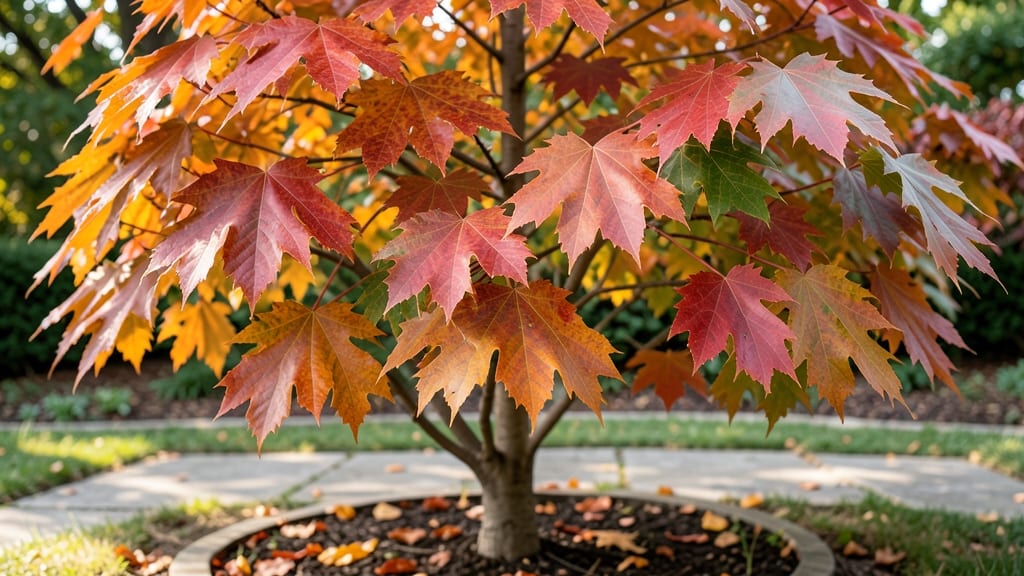
A sweet gum leaf arrangement elevates wreaths, potpourri, and dried decor with their bold star-shaped leaves and glossy sheen, but their durability depends on careful drying and thoughtful pairing with contrasting foliage.
These leaves are nature's perfect canvas for seasonal displays because their deep green color and striking shape create instant visual impact. 🌿 The key to using them effectively lies in balancing their boldness with softer elements—think pairing them with delicate ferns or rustic pine branches.
I’ve found that air-drying them at room temperature for 2-3 weeks preserves their color best, while oven-drying at 200°F for 1-2 hours speeds up the process without sacrificing quality.
For arrangements, I often mix them with dried flowers or berries to add dimension and texture, creating a look that feels both organic and polished.
When crafting wreaths, the secret is to alternate sweet gum leaves with lighter foliage like eucalyptus or lavender sprigs to prevent visual overload. For potpourri, their glossy texture adds a luxurious touch, but I recommend combining them with citrus peels or cinnamon sticks to enhance their natural aroma.
The versatility of sweet gum leaves makes them a staple in both rustic and modern decor—just be mindful of their sharp edges when handling them!
💡 In This Article
- How to Properly Dry and Prepare Sweet Gum Leaves
- Designing Stunning Sweet Gum Leaf Wreaths and Decor
How to properly dry and prepare sweet gum leaves
The star-shaped sweet gum leaves have a unique drying process that preserves their glossy texture and vibrant green color. Unlike delicate leaves that wilt quickly, sweet gum leaves contain natural resins that help them retain their shape during drying.
The best method is air-drying, which takes 2-3 weeks in a well-ventilated area with 40-50% humidity. Hang them upside down in small bundles using twine to prevent curling, as the resin content makes them slightly sticky when fresh.
For faster results, oven-drying at 200°F for 1-2 hours works well, but monitor closely to avoid overheating, which can turn the edges brown. The ideal drying temperature is 180-200°F—any hotter risks losing that glossy finish.
Once fully dry, the leaves should feel crisp but not brittle, with a slight resistance when bent. Store them in paper bags or cardboard boxes with silica gel packets to prevent moisture absorption, which can cause mold or discoloration over time.
Preserving their color requires avoiding direct sunlight during drying, as UV rays can bleach the green pigment. I’ve found that placing leaves in a shaded, breezy spot (like a porch with afternoon shade) yields the most consistent results.
The resin also helps lock in the color, but adding a few drops of lemon juice to the drying water can enhance longevity by acting as a natural bleach inhibitor. This is especially useful if you’re drying leaves for holiday arrangements that need to last through the season.
When preparing leaves for arrangements, trim any brown or damaged edges with sharp scissors to maintain a clean look. The glossy surface of dried sweet gum leaves reflects light beautifully, making them perfect for adding depth to wreaths or garlands.
For extra durability, lightly coat the underside with matte medium (a crafting adhesive) before arranging, which prevents them from snagging on wires or other foliage. This step is a game-changer for wreaths that need to withstand outdoor conditions.
One common mistake is skipping the "resting period" after drying. Let leaves sit in a sealed container with a damp paper towel for 24 hours before using them in projects. This rehydrates the edges slightly, reducing brittleness and making them easier to manipulate.
The resin in sweet gum leaves also means they can develop a slight stickiness if stored improperly—use breathable fabric bags instead of plastic to avoid this issue.
For long-term storage, consider vacuum-sealing dried leaves in airtight bags with a moisture absorber. This method can extend their shelf life to 2-3 years while keeping them pliable enough for crafting. The key is balance: dry them thoroughly but not so much that they lose their natural flexibility.
Properly prepared, these leaves become a year-round resource for seasonal decor, from Thanksgiving wreaths to Easter centerpieces.