
Pests and Diseases
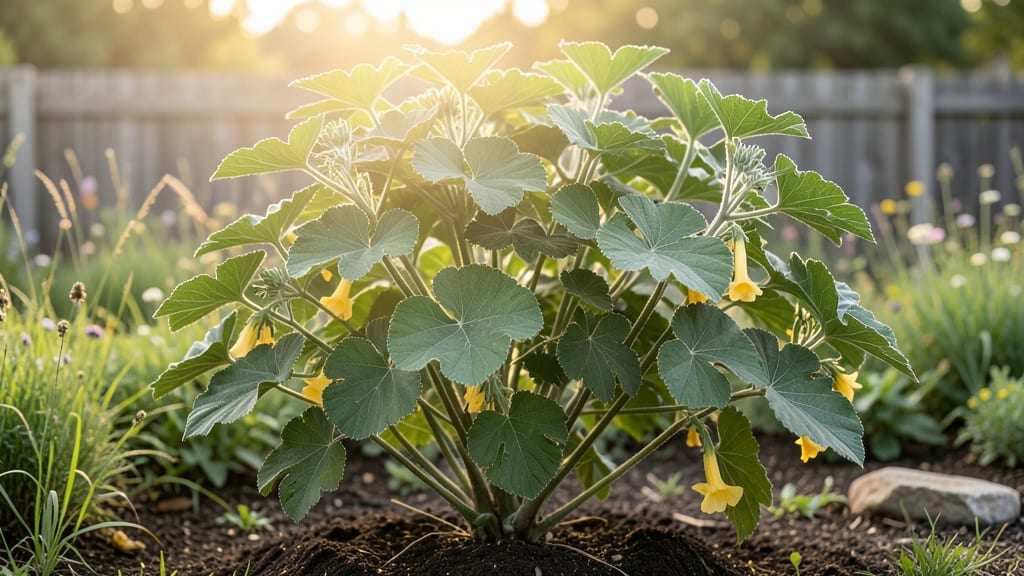
Velvet leaf weed (Abutilon theophrasti) turns your garden into a tangled mess if you don’t act fast. 🌱 I’ve wrestled with this stubborn annual in my own yard—its heart-shaped leaves and fuzzy stems fool even experienced gardeners into thinking it’s a desirable plant.
The moment you spot it, pull it before it drops thousands of seeds that sprout next season.
This weed thrives in disturbed soil, often popping up after tilling or planting. Its deep roots make hand-pulling tricky, but timing matters: target it when soil is moist and plants are young.
The key is consistency—check your garden weekly during growing season, especially in warm climates where it spreads aggressively. I’ve seen it choke out tomatoes and peppers if left unchecked.
You’ll eliminate regrowth by combining manual removal with a thick layer of mulch (2-3 inches) to block sunlight. For stubborn patches, smother with cardboard or landscape fabric for 4-6 weeks. The payoff? A cleaner garden without toxic sprays, and no more wrestling with this sneaky invader next summer.
Works in any yard, from vegetable beds to flower gardens. Here’s how to tackle it before it takes over.
How Velvet Leaf Takes Over
Velvet leaf weed—Abutilon theophrasti—doesn’t just pop up randomly. This aggressive annual thrives thanks to a mix of environmental and human factors that create the perfect storm for its spread.
Understanding these causes is the first step to stopping it before it chokes your garden. Let’s break down why this persistent weed keeps coming back.
Velvet leaf weed loves disturbed, nutrient-rich soil—think freshly tilled garden beds, construction sites, or even over-fertilized lawns. Here’s why:
- Compacted or disturbed soil: Heavy foot traffic, tilling, or construction loosens the soil, giving velvet leaf seeds the perfect opportunity to germinate. Unlike many weeds, its seeds don’t need sunlight to sprout—they’ll pop up even when buried up to 2 inches deep.
- High nitrogen levels: Weeds like velvet leaf thrive in soil with excess nitrogen, often left behind by synthetic fertilizers or decomposed organic matter. If your garden is lush but weed-infested, it’s a red flag.
- Moisture retention: Velvet leaf prefers well-drained but consistently moist soil. Irrigation systems, leaky hoses, or heavy rainfall create pockets of dampness that encourage its growth.
💡 Pro Tip: Conduct a simple soil test to check nitrogen levels. If they’re high, adjust your fertilization routine to use slow-release, organic options like compost or manure—these feed plants gradually without inviting weeds.
Velvet leaf doesn’t just grow—it hitchhikes. Its seeds are lightweight but highly mobile, spreading through:
- Infested crop seeds: Many velvet leaf seeds resemble small, fluffy seed pods. They can contaminate bags of grass seed, vegetable seeds, or even mulch, introducing them to new areas.
- Harvested crop residue: If you grow corn, soybeans, or cotton (common hosts for velvet leaf), leftover plant debris can harbor seeds. Tossing this material in the compost or leaving it on the soil surface gives the weed a head start.
- Wind and water flow: A single velvet leaf plant can produce up to 1,000 seeds, which are easily carried by wind or washed into garden beds during rain.
⚠️ Watch Out: If you’ve recently purchased new soil, mulch, or seeds, check for signs of velvet leaf before using them. A quick shake test—tilting a bag of seeds over a white sheet and looking for tiny, heart-shaped leaves—can save you a headache later.
Velvet leaf is a summer annual, meaning it germinates in warm soil and bolts into growth when temperatures rise. Here’s how climate plays a role:
- Soil temperature triggers: Seeds germinate best when soil reaches 68–86°F (20–30°C). In warmer regions, this can happen as early as spring, while cooler climates may see germination in late spring or early summer.
- Long growing season: Velvet leaf matures quickly (60–90 days) and produces seeds before frost. If you plant warm-season crops like tomatoes or peppers too late, velvet leaf can outcompete them.
- Drought tolerance: Once established, velvet leaf can survive dry spells better than many crops, making it a persistent nuisance in water-stressed gardens.
🌡️ Climate Hack: In hotter regions, use black plastic mulch to heat the soil early in the season—this can encourage velvet leaf to germinate before your desired crops. Once it sprouts, remove it manually before it sets seed.
Velvet leaf doesn’t just grow—it dominates when left alone. Common garden oversights that fuel its spread include:
- Delayed weeding: Velvet leaf grows 2–3 inches per week and can reach 6 feet tall. By the time you notice it, it’s often already flowering and seeding.
- Improper composting: If you compost weed-infested plant debris, velvet leaf seeds can survive the process and reinfest your garden later.
- Overcrowded plantings: Dense garden beds block sunlight, but velvet leaf can still thrive in partial shade. Thinning plants too late gives it room to take over.
🔥 Prevention Move: Adopt a “weed when wet” rule—velvet leaf is easiest to pull after rain when the soil is soft. Set a monthly reminder to scout your garden for new sprouts, especially in warm months.
By addressing these root causes—soil conditions, seed contamination, climate, and maintenance habits—you can disrupt velvet leaf’s lifecycle before it becomes an unstoppable force in your garden. The key? Act early, stay consistent, and break its cycle.
Practical Ways to Remove It
Velvet leaf weed—whether it’s creeping into your garden beds, lawn, or cracks in your patio—can be stubborn, but you don’t need harsh chemicals to banish it. The key is a multi-step approach that combines manual removal, natural suppression, and smart prevention.
Below, we’ll break down the best solutions based on the root cause of your infestation, along with easy-to-follow steps and pro tips to keep it from coming back.
Cause: Velvet leaf thrives in loose, nutrient-rich soil where it can take root and spread rapidly.
Fix It:
- Pull It Early and Often 🔥
- Wait for a rainy or damp day—soil will be softer, making roots easier to extract.
- Grasp the plant at the base (wear gloves—it’s prickly!) and tug firmly. If the root breaks, dig deeper to remove as much as possible.
- Pro tip: Use a hand trowel to loosen stubborn roots before pulling.
- Solarize the Soil ☀️
- Cover the area with clear plastic sheeting for 4–6 weeks during hot months. The sun will bake the soil, killing weeds and seeds.
- Secure edges with rocks or soil to trap heat.
- Smother with Mulch 🍂
- Apply a thick layer (3–4 inches) of organic mulch (straw, wood chips, or cardboard + compost) to block sunlight and suppress regrowth.
- Bonus: Mulch also improves soil health over time.
Cause: Velvet leaf often pops up in thin or patchy lawns where grass isn’t competing for space.
Fix It:
- Spot-Treat with Vinegar (For Small Patches) 🍶
- Mix 1 gallon of white vinegar + 1 cup dish soap + 1 cup salt in a spray bottle.
- Spray directly on leaves (avoid desirable plants—vinegar kills everything it touches).
- Reapply every 2–3 days until the weed dies (usually 1–2 weeks).
- Strengthen Your Grass 💪
- Aerate the lawn to improve soil health, then reseeds with a dense, competitive grass type (like tall fescue or Kentucky bluegrass).
- Fertilize lightly to encourage grass growth—thick turf crowds out weeds naturally.
- Hand-Pull and Fill Gaps 👨🌾
- Dig out velvet leaf plants, then fill the holes with compost and reseed.
- Pro tip: Use a weed torch (for dry patches)—but only in safe conditions (no wind, no dry grass nearby).
Cause: Cracks in concrete or pavement provide the perfect hiding spot for velvet leaf to take root.
Fix It:
- Scrape It Out 🔪
- Use a putty knife or screwdriver to pry out the plant and as much root as possible.
- Safety first: Wear eye protection—broken roots can be sharp!
- Seal the Cracks 🛠️
- Apply crack filler or concrete patch to close gaps where weeds can grow.
- For large cracks, consider pressure-washing to clean the area before sealing.
- Prevent Future Growth 🛡️
- Apply a pre-emergent herbicide (natural options like corn gluten meal) in early spring to stop weed seeds from germinating.
- Alternative: Lay landscape fabric under mulch in high-risk areas.
No matter where velvet leaf is popping up, these simple habits will help keep it away for good:
✅ Stay Vigilant 👀 – Check your garden, lawn, and hardscapes weekly for new sprouts. Early removal is easiest!
✅ Improve Drainage 💦 – Velvet leaf loves moist soil. Amend clay or compacted soil with compost or sand to reduce standing water.
✅ Encourage Beneficial Plants 🌻 – Plant dense ground covers (like clover or creeping thyme) or native plants that outcompete weeds.
✅ Use Boiling Water 🔥 – For stubborn patches, pour boiling water directly on the roots—it’s fast, chemical-free, and kills weeds on contact.
✅ Compost Infested Soil ♻️ – If velvet leaf is deeply rooted, remove the top 6 inches of soil, compost it (weeds included), and replace with fresh soil.
Final Thought: Velvet leaf may be tough, but with consistent effort and the right tools, you can reclaim your space—without chemicals. Start with one of these methods, and soon you’ll have a weed-free zone! 🚀
Frequently asked questions
How can I tell velvet leaf weed apart from other weeds?
Look for fuzzy stems and heart-shaped leaves with a velvety texture—hence the name! The leaves are 3-5 inches wide with prominent veins, and it grows 2-3 feet tall. Unlike lambsquarters (which has jagged edges), velvet leaf has smooth, rounded leaf edges and produces small, fluffy seed pods.
Why does velvet leaf keep coming back after I pull it?
This weed drops up to 1,000 seeds per plant that can survive in soil for years! Seeds germinate when soil reaches 68-86°F, so even small patches can explode into new growth. The solution? Pull it before it flowers, then smother the area with 3+ inches of mulch to block sunlight.
Is vinegar safe to use on velvet leaf?
Yes, but use it carefully—vinegar kills everything it touches! Mix 1 gallon vinegar + 1 cup dish soap + 1 cup salt and spray directly on leaves (avoid desirable plants). Reapply every 2-3 days until the weed dies. Works best for small patches in non-vegetable areas.
Can I compost velvet leaf weeds?
No—composting spreads seeds! Velvet leaf seeds survive composting and will reinfest your garden. Instead, bag the weeds (roots and all) for trash pickup or use them as mulch in non-garden areas where they can't spread.
What's the best time of year to tackle velvet leaf?
Early summer when soil is warm (68°F+) and plants are young. Pull it after rain when soil is soft, or use solarization (clear plastic sheeting for 4-6 weeks) in hot months. In cooler climates, focus on late spring before seeds mature.