
Planting
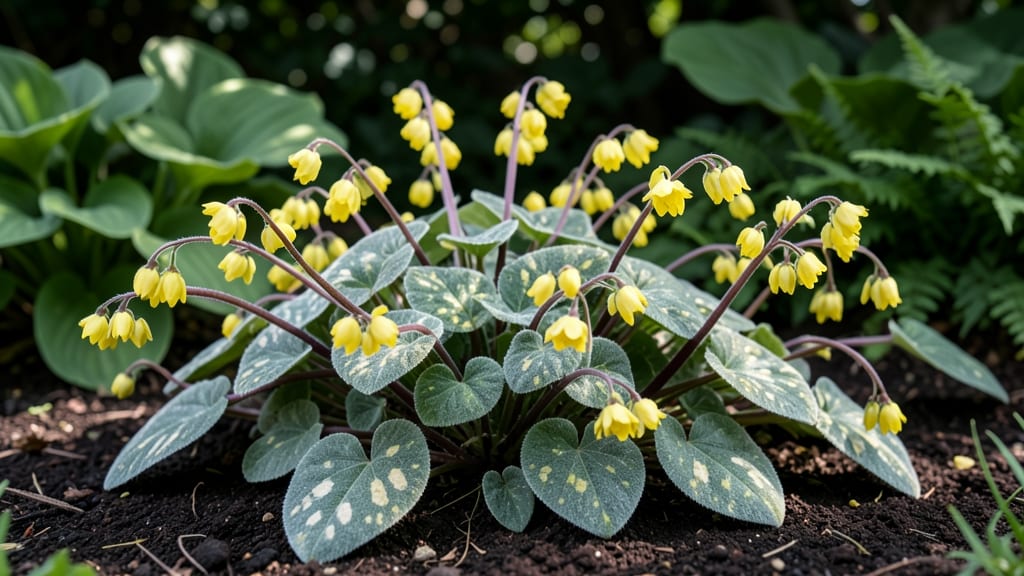
That velvety fuzzy-leaf plant weed creeping into your garden beds isn't just unsightly—it's an opportunity. 🌿 I've battled these soft, silver-green invaders for years, and the secret to winning isn't harsh chemicals but smart plant selection and simple ground cover strategies that outcompete them naturally.
The problem? Fuzzy-leaved weeds like lamb's ear or creeping charlie thrive in shady, moist spots where grass struggles. They spread aggressively through underground runners or wind-dispersed seeds, smothering your desired plants before you even notice. The good news?
Native ground covers with similar textures—like alyssum or sedge—create a living barrier that chokes them out without chemicals. Start by hand-pulling established patches (roots and all) on dry days when soil is loose. Then layer 3-4 inches of wood chips or straw mulch to block sunlight and prevent regrowth.
Within a season, your chosen ground cover will fill the space, leaving weeds with nowhere to take hold. This approach works for lawn edges, garden beds, and even between patio stones. The key is consistency—once established, your ground cover will outgrow the fuzzy invaders permanently.
Understanding Unwanted Growth Spikes
When your fuzzy leaf plant weed (often called lamium or henbit) starts spreading aggressively, it’s usually a sign that environmental or care-related factors are working in its favor. Unlike invasive weeds that rely on harsh chemicals, this ground cover thrives on natural conditions—sometimes too well.
Let’s break down the key reasons why it can take over, so you can adjust your approach to keep it lush without losing control.
Fuzzy leaf plants (like Lamium maculatum) are nutrient hogs. If your soil is packed with organic matter—think compost, manure, or even over-fertilized lawn clippings—they’ll gobble up those resources faster than weeds like crabgrass. Here’s why it happens:
- Excess nitrogen: Fertilizers high in nitrogen (like lawn food) trigger rapid leafy growth, making the plant spread via runners or self-seeding. Pro tip: Test your soil first—if nitrogen levels are off the charts, dilute fertilizer applications by half.
- Poor drainage: These plants love moisture but hate soggy roots. If your soil stays damp (e.g., clay-heavy or low-lying areas), the plant sends out more shoots to escape competition. Fix: Amend soil with perlite or sand to improve aeration.
- Decaying mulch: Fresh wood chips or thick layers of mulch can create a "hot spot" of decomposition, releasing nutrients that fuel fuzzy leaf growth. Solution: Use aged mulch (1–2 years old) or switch to inorganic options like gravel.
Fuzzy leaf plants are opportunistic—they’ll fill gaps where other plants struggle. But sunlight exposure directly impacts their spread:
- Partial shade lovers: These plants thrive in dappled sunlight (3–6 hours of morning sun). If your yard has too much shade (e.g., under mature trees), they’ll outcompete slower-growing ground covers. Action: Thin tree canopies or pair them with shade-tolerant alternatives like ajuga.
- Sunburn risk in hot climates: In full sun (especially in zones 7–9), fuzzy leaf plants can bolt (send up flowers) and self-seed wildly. Prevent: Provide afternoon shade with lattice screens or taller perennials.
Weeds don’t just appear—they fill vacuums. If your fuzzy leaf plant isn’t checked, it becomes the dominant plant in its zone. Here’s how:
- No ground cover rivals: If surrounding plants are slow growers (e.g., sedum or creeping thyme), the fuzzy leaf plant will smother them by shading out sunlight. Fix: Interplant with aggressive spreaders like pachysandra or vinca.
- Unchecked runners: Many varieties (like Lamium galeobdolon) spread via stolons. If you ignore these, they’ll root at nodes, creating a dense mat. Solution: Trim runners back in early spring before they take hold.
- Deadheading neglect: If flower spikes are left untrimmed, they’ll produce thousands of seeds. Pro move: Snip spent blooms weekly during peak season (spring–summer).
When other plants in your garden weaken, fuzzy leaf plants move in like a green carpet. Common triggers:
- Grass or clover decline: If your lawn has brown patch fungus or grub damage, bare spots invite fuzzy leaf seedlings. Test: Dig up a sample—if soil is compacted or lacks microbes, aerate and overseed.
- Root competition: Plants like hostas or heucheras deplete soil nutrients, leaving fuzzy leaf plants to dominate. Balance: Rotate heavy feeders with light ones (e.g., ferns, ornamental grasses).
Key takeaway: Fuzzy leaf plants aren’t "bad"—they’re efficient. The goal isn’t to eradicate them but to manage their growth by tweaking soil, light, and competition. Start with one fix (like pruning or soil testing) and observe changes in 4–6 weeks.
Quick Fixes for Unwanted Fuzzy Leaf Growth
If your fuzzy leaf ground cover is spreading too aggressively—or if weeds are creeping in despite its efforts—don’t panic. These targeted solutions will help you regain control while keeping your garden lush and low-maintenance.
Below, we map common issues to practical fixes, plus prevention tips to stop problems before they start.
---
Cause: Fast-spreading fuzzy leaf plants (like Lamium maculatum or Achillea millefolium) can outcompete other plants if not pruned or divided regularly.
Fix It: 1. 🔪 Trim Strategically - Use clean, sharp shears to cut back 1/3 of the foliage in early spring or after flowering. This encourages bushier growth and prevents thinning. - For aggressive spreaders, mow high (3–4 inches) if used as a lawn substitute.
2. 🌿 Divide and Conquer - Every 2–3 years, dig up clumps and split them into smaller sections. Replant divisions in bare spots or share with neighbors! Pro tip: Water deeply before dividing for easier extraction.
3. 🛡️ Contain with Edging - Install landscape fabric or a metal edging strip to corral fuzzy leaf plants in designated areas. This stops them from encroaching on flower beds or lawns.
Prevent It: - ✨ Space plants 12–18 inches apart at planting to reduce future crowding. - 🌡️ Mulch lightly (1–2 inches) with shredded bark to slow root spread without smothering the plant.
---
Cause: Fuzzy leaf plants thrive in partial shade, but dense shade or poor soil can leave gaps where weeds (like clover or crabgrass) sneak in.
Fix It: 1. 🌞 Boost Sunlight Access - Thin out overly thick patches to let sunlight hit the soil. Weeds hate competition! Aim for 50–70% ground coverage for optimal weed suppression.
2. 💧 Water Deeply (Not Frequently) - Weeds often win because they’re shallow-rooted. Water 1–2 inches per week to encourage deep roots in your fuzzy leaf plants, outcompeting annual weeds.
3. 🔥 Hand-Pull Early - Grab weeds before they seed (spring/fall). For stubborn perennials (like bindweed), smother with cardboard + mulch for 4–6 weeks.
Prevent It: - 🎯 Plant in layers: Combine fuzzy leaf with creeping thyme or sedge for a tighter, weed-resistant mat. - 💡 Use pre-emergent herbicide (like corn gluten meal) in early spring only if weeds are persistent. Avoid chemicals near edibles!
---
Cause: Poor soil, overwatering, or pests (like slugs or vine weevils) can weaken fuzzy leaf plants, making them vulnerable to weeds.
Fix It: 1. 🌱 Feed the Soil - Test soil pH (ideal: 6.0–7.0 for most fuzzy leaf varieties). Amend with compost or a balanced 10-10-10 fertilizer in early spring.
2. 🚫 Fix Watering Woes - Overwatering? Let soil dry 1 inch deep between waterings. - Underwatering? Water at the base (not leaves) to prevent fungal issues like powdery mildew.
3. 🐌 Pest Patrol - Slugs? Set out beer traps or diatomaceous earth around plants. - Vine weevils? Handpick larvae (gray grubs) from soil or use neem oil as a deterrent.
Prevent It: - 🔥 Mulch with pine needles to deter slugs and retain moisture. - 🌿 Rotate plantings if pests are recurring—try a different fuzzy leaf variety (e.g., switch from Lamium to Ajuga).
--- 💡 Bonus Pro Tip: For instant weed control, top-dress fuzzy leaf beds with straw or wood chips in late summer. The mulch blocks light while decomposing, feeding your plants and suffocating weeds naturally.
--- Remember: Fuzzy leaf ground covers are low-maintenance by design—but like any garden hero, they need a little TLC to stay in their prime. Start with one fix (like trimming or mulching), then layer in prevention for long-term success!
Frequently asked questions
Is my fuzzy leaf plant actually a weed?
It depends! Many fuzzy-leaved plants like lamb's ear or henbit are considered weeds when they spread uncontrollably. However, some fuzzy varieties (like ajuga or pachysandra) are prized ground covers. The key difference: weeds spread aggressively without being planted, while cultivated fuzzy plants are intentionally placed. Always check before pulling—some "weeds" have lovely flowers and wildlife benefits!
How do I tell fuzzy leaf weeds apart from beneficial plants?
Look at these clues: Weedy fuzzy plants often have hairy stems and spread via runners or self-seeding (like dead nettle), while beneficial ones stay contained. Check leaf shape too—weeds often have irregular edges while cultivated fuzzy plants (like alyssum) have neat, rounded leaves. When in doubt, snap a photo and compare with local plant databases like iNaturalist.
What's the fastest way to remove fuzzy leaf weeds without chemicals?
For immediate results, use the vinegar method: Mix 1 gallon white vinegar + 1 cup salt + 1 tbsp dish soap, spray directly on leaves (avoid desirable plants), and repeat every 3-4 days until dead. For long-term control, smother with cardboard + mulch—this blocks sunlight and starves roots in 4-6 weeks. Always pull weeds when soil is dry to avoid breaking roots.
Can fuzzy leaf plants come back after pulling?
Yes! Many fuzzy weeds (like creeping charlie) have deep roots or underground runners. To prevent regrowth, dig 6 inches deep to remove all root fragments, then cover the area with black plastic for 4-8 weeks to kill remaining roots. For stubborn cases, repeat pulling in early spring before new growth starts. Patience is key—consistent removal beats spot treatments.
Are there any fuzzy leaf plants that actually help control weeds?
Plants like creeping thyme, ajuga, and sedge create dense mats that block sunlight from weeds. Their fuzzy texture also deters pests. For best results, plant them in spring or fall when soil is workable, spacing them 12-18 inches apart. These "good" fuzzy plants spread naturally but stay contained with occasional trimming—unlike aggressive weeds.