
Pruning
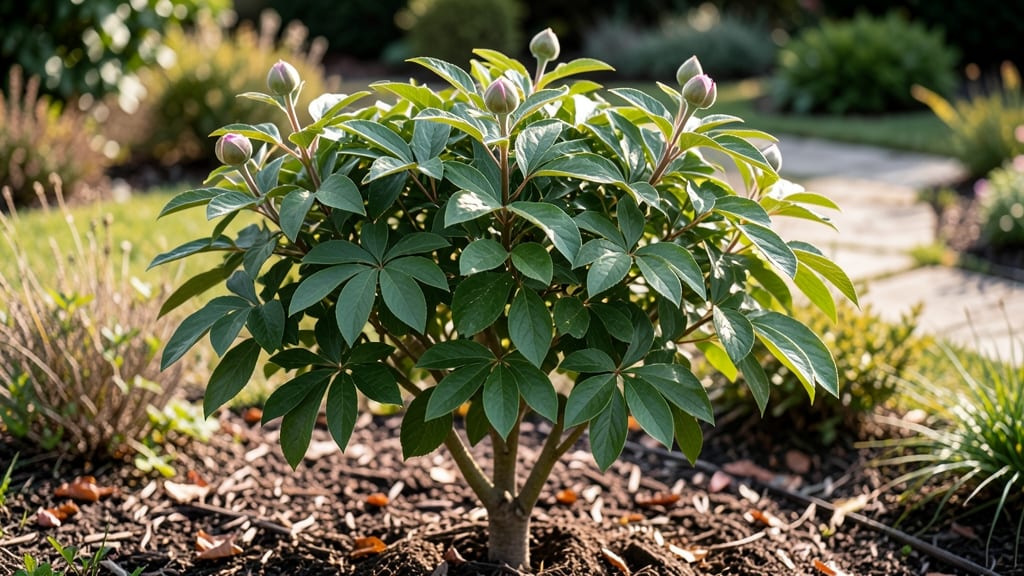
The tree peony leaf shape is a striking feature that sets these shrubs apart from other perennials 🌸 — deep lobes, serrated edges, and glossy textures make each variety instantly recognizable.
Ever wonder why your tree peony’s leaves look different from your neighbor’s? The answer lies in the intricate patterns of their foliage, which can reveal everything from the plant’s species to its health status.
From the bold, rounded lobes of Paeonia suffruticosa to the finer, more delicate edges of hybrids, leaf shape isn’t just about aesthetics—it’s a practical tool for gardeners to identify varieties and spot early signs of trouble.
In this guide, I’ll break down how to read your tree peony’s leaves like a botanist, from distinguishing species to troubleshooting common issues that might be hiding in plain sight.
Tree peony leaf shape characteristics by species: a visual guide
The leaf shape of tree peonies (Paeonia suffruticosa) is one of the most distinctive features that sets them apart from other plants. Unlike herbaceous peonies, tree peonies develop semi-evergreen or deciduous foliage that matures into bold, lobed leaves.
These leaves aren't just ornamental—they reveal clues about your plant's species, health, and even its age. Understanding these variations helps you identify varieties and diagnose issues before they become serious.
Young tree peony leaves emerge as deep green and slightly glossy, often with a rounded shape that gradually develops lobes as they mature. The transition from juvenile to mature foliage can take 1-2 growing seasons, depending on the variety and growing conditions.
For example, Paeonia ostii varieties tend to develop broader lobes earlier than classic Paeonia suffruticosa types. This visual guide will help you recognize these differences at a glance.
Leaf morphology in tree peonies includes three key characteristics: lobing pattern, serration type, and leaf texture. The number of lobes ranges from 3-7 per leaf, with deeper lobes indicating more mature foliage. Serrations along the leaf edges can be fine or coarse, while texture varies from smooth to slightly pubescent (hairy). These traits combine to create a unique fingerprint for each variety.
Here’s a quick comparison of how leaf shapes differ between common tree peony species and hybrids:
The Paeonia suffruticosa varieties, like the classic 'Koi No Shiro,' typically have 3-5 lobes with fine serrations. Their leaves start as smooth, rounded shapes and gradually develop into deeper, more defined lobes as the plant matures.
In contrast, Paeonia ostii varieties, such as 'Feng Dan,' exhibit 5-7 lobes with coarse, jagged edges, giving them a more rugged appearance. This distinction is crucial when identifying hybrids or distinguishing between species in your garden.
Mature tree peony leaves often develop a leathery texture that helps them retain moisture during dry spells. This adaptation is especially noticeable in drought-tolerant varieties like 'Lavender Lad.'
Younger leaves, however, tend to be softer and more delicate, making them more susceptible to damage from pests like the peony leaf miner. Paying attention to these textural differences can help you monitor your plant's health and adjust care accordingly.
One of the most fascinating aspects of tree peony leaf shapes is how they change with seasonal growth. In early spring, new leaves emerge as bright green and slightly glossy, often with a heart-shaped base.
As summer progresses, these leaves darken to a deeper green and develop their characteristic lobes. By late summer, some varieties, like 'Shishi Gashira,' may produce secondary foliage with even more pronounced lobing, adding to the plant's visual interest.
Leaf shape also plays a role in pruning decisions. When pruning, always look for leaves that have fully matured—their deep lobes and serrations indicate healthy, established growth. Removing only dead or diseased foliage preserves the plant's ability to photosynthesize efficiently.
For example, if you notice leaves with shallow lobes and yellowing edges, it may signal a nutrient deficiency, particularly a lack of nitrogen or iron.
For gardeners who love collecting tree peonies, understanding leaf morphology is like having a botanical roadmap. Each variety has a unique leaf signature—whether it's the broad lobes of 'Sarah Bernhardt' or the fine serrations of 'Maxima'.
This knowledge not only helps with identification but also allows you to predict how a plant will perform in your specific climate. For instance, varieties with thicker, waxy leaves thrive in hotter, drier regions, while those with softer textures may prefer cooler, more humid conditions.
If you're still unsure about your tree peony's identity, take a close look at the leaf veins. Many varieties have prominent secondary veins
How to use leaf shape to diagnose tree peony health problems
Healthy tree peony leaves are a gardener’s early warning system. When your plant’s foliage starts showing unusual leaf shape changes, it’s often the first sign of trouble.
Unlike the bold blooms, leaves reveal subtle clues about nutrient deficiencies, pest infestations, or fungal infections long before they become visible to the naked eye.
For example, yellowing between veins often signals iron deficiency, while curling edges may point to peony leaf miner activity. Understanding these visual cues lets you act quickly—before problems escalate. Let’s decode the most common leaf deformities and their solutions.
⚠️ Warning Signs in Tree Peony Leaves
Yellowing leaves = Nutrient deficiency or overwatering
Curling edges = Peony leaf miner or drought stress
Black spots = Fungal disease (e.g., powdery mildew)
Stunted growth = Root-bound or poor soil
If you spot yellowing leaves with green veins, your tree peony likely suffers from chlorosis, a sign of iron or manganese deficiency. This often happens in alkaline soils (pH > 7.0).
To fix it, amend soil with chelated iron or composted manure in early spring. Test your soil pH first—it’s the key to diagnosing hidden issues.
Another red flag is leaf curling, often caused by the peony leaf miner, a tiny moth larva that tunnels through leaves. Look for blistered or translucent patches on the undersides.
Prune affected leaves immediately and apply neem oil or insecticidal soap every 7–10 days until the larvae pupate. For severe cases, use Bacillus thuringiensis (Bt) as a biological control.
Brown or black spots on leaves usually mean fungal diseases like powdery mildew or leaf spot. Improve air circulation by spacing plants 3–4 feet apart and avoid overhead watering. Treat with copper fungicide or a baking soda spray (1 tbsp baking soda + 1 quart water + a drop of dish soap) every 2 weeks until symptoms disappear.
Don’t ignore stunted or small leaves, either. This could mean your tree peony is root-bound or lacks phosphorus. Dig carefully to check roots—if they’re circling, repot into a larger container or transplant outdoors with fresh well-draining soil.
Add a bone meal fertilizer (high in phosphorus) to encourage stronger root and leaf growth.
Regularly inspect your tree peony’s leaves—especially in spring and early summer—to catch problems early. A little preventive care now saves hours of cleanup later. With the right diagnosis, your peony’s foliage will bounce back to its glossy, healthy glory in no time. 🌿