
Vegetables
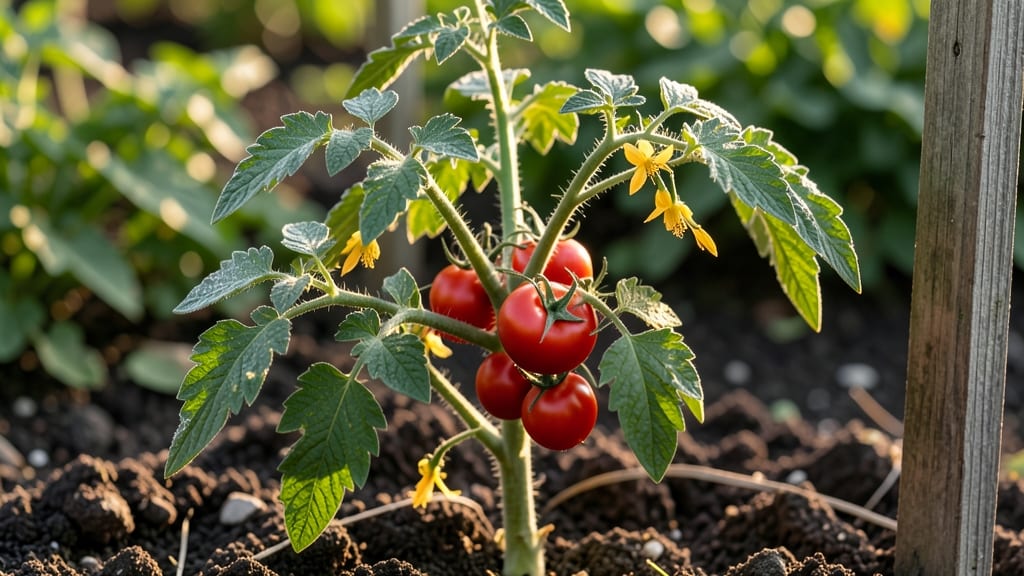
Your tomato plants are sending you an SOS with tiny, crinkled leaves—and this is how to decode it fast. 🌱 Little leaf syndrome isn't just unsightly; it's a warning sign that something's disrupting your plants' growth hormones, and the clock is ticking to fix it before harvest season slips away.
The culprits? Most likely a viral infection, bacterial overgrowth, or even a hidden pest like spider mites feasting on your plants' undersides. I've seen this syndrome turn lush, productive vines into stunted shadows—until I caught it early and acted.
The good news? You can still save your plants with the right approach, whether it's pruning, targeted sprays, or adjusting your care routine.
Within 10-14 days of proper treatment, you'll start seeing new, normal-sized leaves pushing through. The key is acting before the problem spreads to other plants—so grab your magnifying glass, check the undersides of leaves, and let's get this under control before it's too late.
This works for both greenhouse and outdoor tomatoes, whether you're growing heirlooms or hybrids. The same principles apply no matter your setup—so let's tackle this before your plants' productivity takes a permanent hit.
The Hidden Triggers Behind Stunted Tomato Growth
When your tomato plants start sporting tiny, twisted leaves instead of their usual lush, broad foliage, it’s a clear sign something’s off. Tomato little leaf syndrome isn’t just a cosmetic issue—it’s a stress signal from your plants, often caused by unseen invaders or environmental imbalances.
Let’s break down the most common culprits and why they’re sabotaging your harvest.
Some of the most damaging triggers are microscopic or nearly invisible pests that drain your tomato plants of essential nutrients, particularly nitrogen and phosphorus. These nutrients are critical for leaf development, and when they’re depleted, your plants respond by producing smaller, underdeveloped leaves.
- Spider Mites: These arachnids thrive in hot, dry conditions and use their needle-like mouthparts to pierce plant cells, sucking out sap. Their feeding weakens the plant’s vascular system, leading to stunted growth and curled, yellowed leaves. Pro Tip: Check the undersides of leaves for fine webbing—this is a dead giveaway. 🕷️
- Aphids: Clusters of these soft-bodied insects cluster on new growth, feeding on sap and excreting sticky honeydew that attracts sooty mold. Their saliva contains toxins that distort leaf development, causing them to stay small and crinkled. 🐜
- Whiteflies: These pests flutter around leaves and feed in colonies, much like aphids. Their feeding disrupts the plant’s ability to photosynthesize efficiently, leading to chlorosis (yellowing) and reduced leaf size. 🦋
These pests don’t just weaken your plants—they also spread viruses, like the Tomato Leaf Curl Virus, which can exacerbate little leaf symptoms. Early intervention with insecticidal soap or neem oil can help, but severe infestations may require systemic treatments.
Tomatoes are warm-weather crops, but they have limits. When temperatures soar—especially during critical growth stages like flowering and fruiting—your plants can’t regulate their internal processes properly. This leads to heat stress, which manifests as small, thickened leaves with a waxy texture.
- High Daytime Temperatures (Above 90°F/32°C): Heat disrupts cell division and expansion in leaves, causing them to stay small and malformed. It also reduces pollen viability, leading to poor fruit set. 🌡️
- Temperature Swings: Rapid fluctuations between hot days and cool nights confuse the plant’s metabolic processes. This inconsistency can trigger hormonal imbalances, further stunting growth. ❄️☀️
- Poor Air Circulation: Stagnant, hot air around plants increases humidity and encourages fungal diseases, which can mimic little leaf symptoms by blocking nutrient uptake. 🌬️
To mitigate heat stress, provide shade cloth during peak afternoon sun, mulch to keep roots cool, and ensure adequate watering—but avoid wetting foliage to prevent fungal infections. Drip irrigation is ideal for delivering moisture directly to roots without stressing the plant.
Water is the lifeblood of your tomato plants, but imbalances—whether from drought or overwatering—can trigger little leaf syndrome. The key is consistency and proper technique.
- Underwatering: When soil moisture drops too low, roots struggle to absorb nutrients and water efficiently. This causes leaves to curl inward and shrink as the plant conserves resources. Pro Tip: Stick your finger 1-2 inches into the soil—if it’s dry, it’s time to water. 💧
- Overwatering: Soggy soil cuts off oxygen to roots, leading to root rot and nutrient deficiencies. The plant can’t transport water and nutrients upward, resulting in small, pale leaves. 🌊
- Inconsistent Watering: Fluctuating moisture levels confuse the plant’s growth hormones, causing erratic leaf development. Aim for 1-1.5 inches of water per week, delivered deeply and evenly. ⏳
Use a moisture meter to monitor soil conditions, and always water at the base of the plant to avoid wetting leaves. Mulching with straw or wood chips helps retain moisture and regulate soil temperature.
Little leaves often signal that your tomato plants aren’t getting the right nutrients to support healthy growth. While pests and environmental factors can mimic these symptoms, a soil test can reveal if deficiencies are the real culprit.
| Nutrient | Symptoms | Cause | Solution |
|---|---|---|---|
| Nitrogen (N) | Small, pale green or yellow leaves (especially older ones) | Poor soil organic matter, leaching, or overwatering | Apply compost, fish emulsion, or a balanced fertilizer (e.g., 10-10-10) |
| Phosphorus (P) | Dark green or purplish leaves, stunted growth, weak roots | Cold soil, overuse of nitrogen fertilizers, or locked-out phosphorus | Use bone meal or rock phosphate; ensure soil pH is between 6.0-7.0 |
| Potassium (K) | Yellowing leaf edges (scorching), weak stems, small leaves | Leaching from sandy soils or excessive rainfall | Apply greensand, wood ash, or a potassium-rich fertilizer like kelp meal |
| Magnesium (Mg) | Interveinal chlorosis (yellowing between veins), small leaves | Over-fertilization with nitrogen, acidic soil | Apply Epsom salt (magnesium sulfate) every 2-3 weeks |
Before reaching for fertilizers, test your soil to identify specific deficiencies. Amending soil with compost or organic matter can often restore balance naturally. 🌱
Understanding these triggers is the first step to reviving your tomato plants. Once you identify the root cause—whether it’s pests, heat, water issues, or nutrients—you can take targeted action to bring your plants back to full, healthy growth.
Stay tuned for the next section, where we’ll dive into diagnostic tips to confirm what’s really ailing your tomatoes! 🔍
Fixing Crinkled Tomato Leaves Fast
Now that you’ve identified the root cause of your tomato’s little leaf syndrome, let’s tackle it with targeted, actionable solutions. Below, we’ve mapped out practical fixes for each common trigger—plus prevention tips to keep your plants thriving. Roll up your sleeves, and let’s get those leaves looking lush again!
Fix it:
- 🌧️ Stop Watering Immediately – Let the soil dry out completely before watering again. Stick your finger 1–2 inches into the soil; if it’s damp, wait.
- 🏗️ Improve Drainage – If your pots lack drainage holes, transfer plants to containers with them. Add a layer of gravel or perlite at the bottom to prevent soggy roots.
- 🌱 Repot if Needed – If roots are rotting (black, mushy), trim the affected parts with sterilized scissors and repot in fresh, well-draining soil.
- ⏰ Water Deeply but Less Often – Water only when the top inch of soil is dry, and do so at the base of the plant (not overhead) to avoid fungal issues.
💡 Pro Tip: Mulch with straw or wood chips to retain moisture without suffocating roots—just keep it 2–3 inches away from the stem.
Fix it:
- 🌿 Provide Shade Cloth – If temps exceed 90°F (32°C), drape 30–50% shade cloth over plants for 2–4 hours daily to reduce stress.
- 💦 Boost Hydration – Water early in the morning to help leaves absorb moisture before evaporation. Use a mist spray on hot afternoons for instant relief.
- 🛡️ Protect from Cold Drafts – Move potted tomatoes indoors or to a sheltered spot if night temps dip below 50°F (10°C). Use row covers for in-ground plants.
- 🍅 Adjust Fertilizer – Stop nitrogen-heavy feeds during extreme heat; switch to a balanced 10-10-10 or potassium-rich fertilizer to strengthen cell walls.
✨ Quick Fix: Wrap the base of the plant with burlap or cardboard to insulate roots from temperature swings.
Fix it:
- 🧼 Prune Infected Leaves – Snip off yellowed, crinkled, or spotted leaves with sterilized pruners (wipe with rubbing alcohol between cuts).
- 🌿 Apply Fungicide – Spray with a copper-based fungicide (like Copper Soap) or a neem oil solution (1 tbsp neem oil + 1 tsp mild soap per quart of water). Reapply every 7–10 days.
- 🚫 Isolate the Plant – Move infected tomatoes at least 6 feet away from healthy plants to prevent spread.
- 🌱 Sterilize Tools and Soil – Disinfect pruners and pots with bleach (1 part bleach to 9 parts water). Replace contaminated soil with sterile potting mix.
💡 Pro Tip: Prevent future infections by watering only at the base and avoiding overhead sprinklers.
Fix it:
- 💦 Flush the Soil – Water the plant heavily for 10–15 minutes to leach out excess salts or chemicals. Let it drain completely.
- 🌱 Amend the Soil – Mix in compost or worm castings (20–30%) to improve structure and add beneficial microbes.
- 🍽️ Feed Lightly – Switch to a low-nitrogen, high-potassium fertilizer (like 5-10-10) to support recovery. Avoid synthetic fertilizers until new growth appears.
- 🌿 Mulch for Moisture – Top-dress with straw or coconut coir to regulate soil temp and prevent nutrient loss.
🎯 Prevention: Test your soil every 2–3 years and adjust pH (ideal for tomatoes: 6.0–6.8).
Fix it:
- 🕷️ Identify the Culprit – Check for aphids, spider mites, or whiteflies on undersides of leaves. Shake plants over a white tray to spot tiny pests.
- 💦 Blast Off Pests – Spray leaves with a strong stream of water to dislodge insects.
Repeat daily for 3 days. 3. 🍋 Natural Repellents – - Aphids/Whiteflies: Spray with soapy water (1 tsp mild soap per quart of water). - Spider Mites: Apply neem oil or horticultural oil.
- 🌿 Introduce Beneficial Insects – Release ladybugs or lacewings (available at garden centers) to prey on pests naturally.
🔥 Emergency Fix: Wrap plants in row covers to block pests while they recover.
To keep your tomatoes big, healthy, and leafy, follow these long-term strategies:
- ⏳ Start with Disease-Resistant Varieties – Try ‘Celebrity,’ ‘Better Boy,’ or ‘Solar Fire’ for built-in toughness.
- 🌡️ Monitor Weather – Use a soil thermometer and shade cloth during heatwaves.
- 💧 Water Wisely – Drip irrigation delivers moisture directly to roots without wetting leaves.
- 🍅 Prune Regularly – Remove suckers and lower leaves to improve airflow and reduce fungal risks.
- 🧪 Test Soil Annually – Adjust pH and nutrients based on results to avoid deficiencies.
Final Thought: Most cases of little leaf syndrome are reversible with quick action! Start with the fixes above, and your tomatoes should bounce back in 2–4 weeks. Keep an eye on progress, and don’t hesitate to adjust treatments as needed. Happy gardening! 🍅🌿
Frequently asked questions
Can tomato little leaf syndrome spread to other plants in my garden?
Yes, it absolutely can! Many causes—like aphids, whiteflies, or fungal infections—are highly contagious. Isolate affected plants immediately and keep them at least 6 feet away from healthy tomatoes. If you suspect a viral cause (like Tomato Leaf Curl Virus), remove infected plants entirely to prevent spread.
How long does it take to see improvement after treating little leaf syndrome?
With proper care, you should notice new, healthy leaves emerging in 10-14 days. For severe cases (like fungal infections or nutrient deficiencies), it may take up to 3-4 weeks for full recovery. Consistency is key—keep treating according to the cause until you see 2-3 inches of fresh growth.
Will my tomato fruits still be safe to eat if the leaves have little leaf syndrome?
The fruits themselves are usually safe to eat, but quality may suffer. If the issue is pests or viruses, fruits might be smaller or have fewer seeds. For nutrient deficiencies or heat stress, flavor can be affected. Always wash tomatoes thoroughly before eating, and remove any that show signs of disease (like spots or rot).
Can I use homemade remedies for tomato little leaf syndrome?
For pests, try a soapy water spray (1 tsp mild soap per quart of water) or neem oil solution (1 tbsp neem oil + 1 tsp soap per quart). For nutrient issues, a compost tea or Epsom salt spray (1 tbsp per gallon) can help. However, for fungal/bacterial infections, use copper-based fungicides instead of DIY solutions.
Should I remove all the small leaves, or will they grow bigger?
Remove only the most severely affected leaves—those that are yellowed, curled, or spotted. Healthy-looking small leaves may still recover if the underlying issue is fixed. Focus on treating the root cause first, then prune only what’s clearly damaged to reduce stress on the plant.