
Leaf Blower
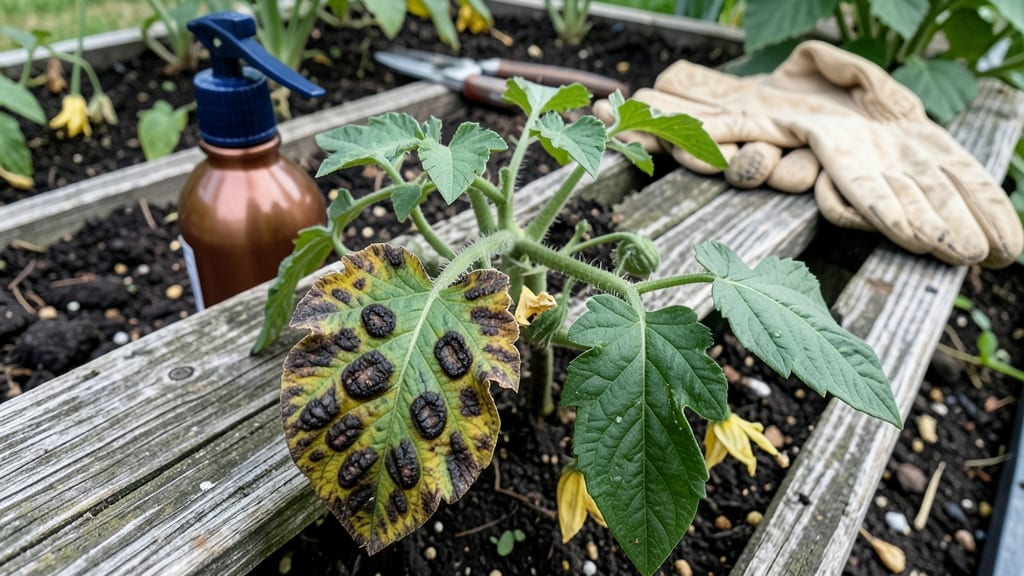
Your tomato plants are showing those telltale brown spots—tomato leaf blight is already spreading, and chemical sprays won’t cut it if you want to keep your garden organic. 🌱 I’ve battled this stubborn fungus for years, and copper spray isn’t just a remedy—it’s the foundation of my blight-free harvests.
The key? Timing, technique, and a few tricks most gardeners miss.
This isn’t just about spraying copper—it’s about starving the fungus before it takes hold. Start with early detection: check undersides of leaves for tiny yellow spots, and remove infected foliage before they turn crispy brown.
Copper spray works best as a preventative, but once blight hits, you’ll need to apply it every 7-10 days until the first frost. The secret? Spray early morning when leaves are dry to avoid burning them.
By the end of summer, your plants will look lush and disease-resistant, not like they’ve been hit by a fungal storm. You’ll harvest tomatoes that stay firm and flavorful, not wilted and spotted.
The best part? This method works for both early and late blight, and it’s safe for your soil and pollinators when used correctly.
Works in containers, raised beds, or in-ground gardens—just adjust your spray coverage. Here’s how to do it right, step by step, without losing your sanity (or your plants).
Root Causes Of Fungal Spread
Tomato leaf blight—often caused by pathogens like Phytophthora infestans (late blight) or Alternaria solani (early blight)—isn’t just random bad luck. It thrives when specific conditions align, creating the perfect storm for fungal invasion.
Understanding these triggers helps you disrupt the cycle before your plants show symptoms. Let’s break down the science behind why your tomato leaves become a fungal buffet.
Fungal spores need water to germinate and infect plant tissue. Here’s how moisture sets the stage:
- Prolonged leaf wetness: Blight spores splash onto leaves during rain or overhead watering, then germinate within 4–8 hours if humidity stays above 90%. Actionable fix: Water at the base (not leaves) and avoid late-day irrigation to allow foliage to dry by sunset.
- Poor drainage: Soggy soil keeps roots stressed and leaves damp longer. Phytophthora thrives in waterlogged conditions, while Alternaria spreads faster in high-humidity microclimates (like crowded plants).
- Condensation traps: Greenhouses or dense canopies trap humidity at night, creating ideal spore germination conditions. Pro tip: Improve airflow with pruning or spacing plants 18–24 inches apart.
Blight fungi have optimal temperature ranges for growth—think of them as picky eaters with a thermostat:
| Fungal Type | Ideal Temp Range | Why It Matters |
|---|---|---|
| Phytophthora infestans (Late Blight) | 50–77°F (10–25°C) | Cooler temps (50–60°F) slow growth but don’t stop spores. Warmth (70–77°F) accelerates spore production exponentially. |
| Alternaria solani (Early Blight) | 77–86°F (25–30°C) | Heat-loving spores multiply faster in dry heat, but combined with moisture, they become aggressive. |
Actionable fix: Monitor temps with a garden thermometer. If nighttime temps drop below 60°F, cover plants with frost cloth to disrupt spore cycles.
Healthy tomatoes resist blight better. Stressors like nutrient deficiencies, physical damage, or improper pruning create entry points for fungi. Here’s how:
- Nitrogen deficiency: Pale leaves signal weak cell walls, making them easier for spores to penetrate. Fix: Side-dress with compost or a balanced organic fertilizer (10-10-10) at planting and mid-season.
- Overcrowding: Poor airflow traps humidity and blocks sunlight, reducing photosynthesis. Fix: Prune suckers and space plants to improve light penetration.
- Injured leaves: Hail, pests (like aphids), or rough handling create wounds. Fix: Use row covers for storm protection and inspect plants weekly for pests.
Blight doesn’t disappear in winter—it waits. Spores survive in:
- Infected plant debris: Leaves or stems left in soil overwinter, releasing spores next season. Fix: Remove all plant waste and compost it only if heated to 140°F+ (or use it as mulch in a new bed).
- Soilborne pathogens: Phytophthora can survive in soil for years. Fix: Solarize soil in late summer (cover with clear plastic for 4–6 weeks) to raise temps and kill spores.
- Contaminated tools/seeds: Pruners or saved seeds may carry spores. Fix: Sterilize tools with 70% rubbing alcohol between uses.
Fungal spores are lightweight hitchhikers. They spread via:
- Wind: Phytophthora spores travel up to 10 miles in wind gusts. Fix: Plant tomatoes away from windbreaks or use wind barriers (like cornstalks) to reduce spore drift.
- Water splashing: Irrigation or rain splashes spores from soil onto leaves. Fix: Use drip irrigation or soaker hoses to minimize splash.
- Wildlife: Birds or insects can carry spores between gardens. Fix: Isolate new plants for 2 weeks and avoid sharing tools between gardens.
Key takeaway: Blight isn’t inevitable—it’s a chain reaction. Break the cycle by addressing moisture, temperature, plant health, and spore sources. Next, we’ll dive into organic copper spray protocols to starve these fungi out of your garden.
How to Treat and Prevent Fungal Spread
Fungal infections like tomato leaf blight can feel overwhelming, but with the right approach, you can save your plants and prevent future outbreaks.
Below, we’ll break down targeted solutions based on the root cause of the problem—whether it’s poor air circulation, overwatering, or contaminated soil—along with preventive steps to keep your garden healthy. These methods are organic, effective, and easy to implement, even for beginners.
If your plants are soggy from excess moisture, fungal spores thrive. Cut off their water supply and improve airflow to dry things out.
✅ Step-by-Step Fix:
- 🔥 Stop Watering Immediately
- Pause irrigation for 3–5 days to let the soil dry. Use a moisture meter if unsure—soil should feel dry 1–2 inches deep before resuming watering.
- Pro Tip: Water only in the morning (6–9 AM) to allow foliage to dry by nightfall. 🌅
- 👨🍳 Improve Soil Drainage
- Mix compost or perlite into heavy clay soil to loosen it.
- If potted, add coir or sand to the mix and repot if drainage holes are missing.
- 💡 Quick Fix: Elevate containers with feet or bricks to prevent water pooling.
- 🥘 Prune Affected Leaves
- Snip yellowed or spotted leaves with sterilized scissors (wipe with rubbing alcohol between cuts).
- Remove low-hanging branches that trap moisture against the soil.
- ⏰ Increase Airflow
- Space plants 12–18 inches apart (check tomato variety spacing guidelines).
- Use a small fan on low setting near plants for 30 mins/day to mimic wind.
Fungal spores linger in soil and tools, reinfecting plants. Kill them with heat, copper, or organic alternatives.
✅ Step-by-Step Fix:
- 🔪 Sterilize Garden Tools
- Soak pruners, trowels, and stakes in a 1:10 bleach-water solution for 10 mins, then rinse and dry.
- ✨ Alternative: Boil metal tools for 20 mins or use 70% isopropyl alcohol.
- 🌡️ Solarize the Soil (Best for Severe Cases)
- Cover infected beds with clear plastic sheeting for 4–6 weeks in hot sun (80°F+).
- This kills spores, weeds, and pathogens naturally. 🔥
- 🍄 Apply Organic Fungicides - Copper spray (like copper sulfate or oxychloride) is FDA-approved for organic gardening.
Mix 1 tbsp per gallon of water and spray every 7–10 days until new growth appears. - 💡 DIY Recipe: Blend 1 tbsp baking soda + 1 tsp neem oil + 1 tsp dish soap + 1 gallon water. Spray early morning (avoid direct sun).
- 🌱 Rotate Crops & Add Mulch
- Plant non-host crops (like beans or onions) in the infected bed next season.
- Apply straw or wood chips (3–4 inches) to block spores from splashing onto leaves.
Stressed plants are fungal magnets. Boost their defenses with proper spacing and nutrition.
✅ Step-by-Step Fix:
- 🌿 Thin Out Plants
- Remove overcrowded suckers or stems to improve airflow.
- 🎯 Goal: 12–18 inches between tomato plants (check variety needs).
- 💪 Feed with Fungus-Fighting Nutrients
- Seaweed extract (rich in kelp) strengthens cell walls. Use 1 tbsp/gallon every 2 weeks.
- Compost tea (brewed from worm castings) introduces beneficial microbes that outcompete pathogens.
- 🌡️ Avoid Nitrogen Overload
- Too much nitrogen (from manure or synthetic fertilizers) weakens plants. Switch to balanced (5-5-5) or low-nitrogen (3-4-6) fertilizer.
- 🔥 Fix: Add potassium-rich compost (like banana peels or wood ash) to boost disease resistance.
- 🍎 Introduce Beneficial Predators
- Trichoderma harzianum (a good fungus) outcompetes blight. Mix 1 tbsp into water and spray on soil/roots.
- Ladybugs and lacewings eat aphids (which spread disease). Release 2–3 per plant.
Once your plants recover, prevent recurrence with these low-maintenance habits:
| Action | How to Do It | Frequency |
|---|---|---|
| 🌧️ Water Wisely | Drip irrigation or soaker hoses (never overhead). | Every 2–3 days |
| 🌿 Mulch Properly | Straw or grass clippings (not wood chips near stems). | Once at planting |
| 🍄 Monitor Leaves | Inspect weekly for dark spots or yellowing. | Weekly |
| 🔄 Crop Rotation | Never plant tomatoes/solomon’s seal in the same spot two years in a row. | Annual |
| 🧼 Sterilize Tools | Rinse with vinegar or rubbing alcohol after each use. | After pruning |
| 🌱 Start Strong | Buy disease-resistant varieties (e.g., ‘Mountain Merit’ or ‘Celebrity’). | At nursery |
- 🌡️ Heat Tolerance: If your climate is hot and humid, grow cherry tomatoes (they mature faster and are less prone to blight). - 🍄 Copper Spray Schedule: Apply preventatively every 10–14 days during high-humidity months (spring/fall). - 🌱 Companion Planting: Grow basil, marigolds, or garlic near tomatoes—they repel pests that spread disease. - 🚫 Avoid Wet Foliage: Never water leaves (always aim for the soil).
Use a watering wand with a nozzle for precision.
By tackling the root cause—whether it’s moisture, crowding, or weak plants—you’ll not only stop blight in its tracks but also future-proof your garden. Act fast, stay consistent, and your tomatoes will thrive! 🍅✨
Frequently asked questions
How can I tell if my tomato plants have early blight vs. late blight?
Early blight shows concentric brown spots (like bullseyes) on older leaves, often with yellow halos. Late blight appears as greasy-looking dark spots on both leaves and fruit, spreading rapidly in cool, wet conditions. Check undersides of leaves—early blight has tan fungal spores, while late blight shows white mold.
Is copper spray safe for all tomato varieties?
Yes, copper-based fungicides are safe for all tomato types, including heirlooms and hybrids. However, avoid applying when temperatures exceed 85°F to prevent leaf burn. Always test on a small area first, and never spray during flowering to protect pollinators.
Can I still harvest tomatoes if the leaves have blight?
Yes, but focus on fruits that are already colored—green tomatoes may develop blight spots if left on the plant. Remove infected leaves to redirect the plant's energy to fruit production. Always wash harvested tomatoes thoroughly before eating.
How long does it take for copper spray to work?
Copper spray provides immediate protection but may take 7-10 days to show visible results. For existing infections, apply every 7-10 days until new growth appears. Consistency is key—don't skip applications during rainy periods.
Will compost tea help prevent blight?
Compost tea can help boost plant immunity by introducing beneficial microbes, but it's not a standalone cure. Use it as a preventative alongside copper spray, especially during high-risk seasons. Apply every 2 weeks for best results.