
Leaf Blower
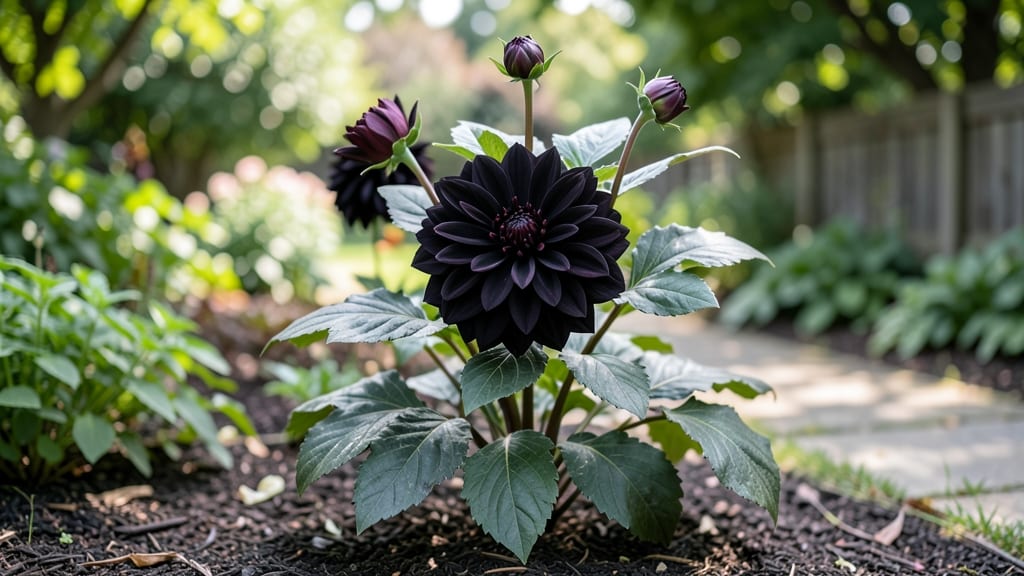
That dramatic black leaf dahlia foliage might actually be a sign of trouble—not a bold statement. 🌿 That deep, glossy look should be vibrant green, not a warning from your plants.
The most common culprits are fungal infections like black spot or bacterial leaf blight, but overwatering and nutrient imbalances play a role too. I’ve nursed back several plants from this exact issue, and the fix isn’t as scary as it seems.
Start by inspecting the undersides of leaves for dark spots or slimy patches—those are your first clues. Prune affected leaves immediately (sterilize your shears with rubbing alcohol first!), then adjust your watering routine to keep soil moist but never soggy.
A balanced fertilizer with extra phosphorus can help, and in severe cases, a copper-based fungicide works wonders. The key is acting fast before the problem spreads to the stems.
📚 In This Guide
- What you need
- Instructions
- Tips and common mistakes
- Wrapping up and next steps
What you need
- ● Black Leaf Dahlia Tubers: 1–3 tubers (depending on desired plant size)
- ● Choose healthy, firm tubers with visible "eyes" (growth points)
- ● Potting Soil: 5–10 gallons of well-draining, peat-based potting mix (or garden soil amended with compost)
- ○ Optional: Add perlite or sand (10–20%) for extra drainage
- ● Containers or Garden Bed: For containers: 12–18" deep pots (1 per tuber) with drainage holes
- ● For in-ground: Full sun spot (6+ hours of light) with loose, fertile soil
- ● Fertilizer: Balanced, slow-release fertilizer (10-10-10 or 20-20-20)
- ● OR organic options like composted manure or worm castings
- ● Watering Can or Hose: With a gentle spray nozzle
- ● Pruning Shears: For shaping and deadheading
- ● Mulch: Straw or shredded bark (2–3 inches) to retain moisture
- ● Garden gloves (to protect hands from thorns)
- ● Plant supports (stakes or cages for taller varieties)
- ● Slow-release fertilizer tablets (for container gardening)
- ● Epsom salt (1 tbsp/month in water for magnesium boost)
- ● Black plastic mulch (to warm soil and suppress weeds)
Step-by-step instructions for growing black leaf dahlias
Here's how I grow these dramatic plants—no fancy tricks, just reliable techniques.
🌱 Step 1: Choose and Prepare Your Planting Site
Black leaf dahlias thrive in full sun with at least 6 hours of direct light daily. I always pick a spot sheltered from strong winds, since their large foliage can get damaged. Test your soil—dahlias prefer well-draining, slightly acidic soil with a pH between 6.0 and 7.0. If your soil is heavy clay, mix in 2-3 inches of compost to improve drainage before planting.
Dig a hole twice as wide as the root ball but only as deep as the container it came in. This prevents burying the stem too deep, which can cause rot. I like to loosen the sides of the hole with a garden fork to help roots spread easily. If planting in containers, use a pot at least 12 inches deep and 18 inches wide—dahlias have big appetites!
🪴 Step 2: Plant Tubers Correctly for Strong Growth
Black leaf dahlias grow from tubers, which are actually underground stems with "eyes" (buds) that will sprout. Plant them 2-3 inches deep, with the eyes facing upward—this ensures they won't rot before sprouting. Space plants 18-24 inches apart to give their bold foliage room to spread without crowding.
I always water the tubers lightly right after planting to settle the soil around them. Don't soak the area—wet soil can cause rot before the plants have a chance to establish roots. If you're planting in spring, wait until after the last frost when soil temperatures reach at least 60°F. Cold soil slows germination and can weaken young plants.
☀️ Step 3: Provide Consistent Care for Dramatic Foliage
Water dahlias deeply once a week, aiming for 1-1.5 inches of water per session. Let the top 2 inches of soil dry out between waterings—this prevents root rot while keeping the plants hydrated. I always water at the base (not overhead) to protect the striking black leaves from fungal diseases. Mulch around the base with 2-3 inches of organic mulch to retain moisture and keep roots cool.
Fertilize every 4-6 weeks with a balanced, slow-release fertilizer (10-10-10 or similar). I avoid high-nitrogen fertilizers—they encourage leafy growth at the expense of those showstopping black leaves. Instead, I focus on phosphorus and potassium to support strong foliage and root development. You'll know you're doing it right when the leaves stay deep black with no yellowing or browning.
✂️ Step 4: Prune and Support for Year-Round Drama
Black leaf dahlias don't produce flowers, but their bold, velvety foliage is the star. To keep them looking their best, I prune regularly to encourage bushier growth. Pinch back the top set of leaves when the plant reaches 12 inches tall, and remove any weak or leggy stems. This redirects energy to stronger growth lower on the plant.
Since their leaves can get heavy, I always install stakes or cages at planting time. Choose supports at least 3 feet tall—dahlias grow fast and need stability. I tie stems loosely with soft plant ties (not wire) to avoid damaging the stems. If you live in a cold climate, dig up tubers before the first frost and store them in a cool, dry place until spring.
⏰ Step 5: Extend the Season with Simple Tricks
To keep black leaf dahlias looking their best throughout the growing season, I deadhead spent blooms (even though they don’t flower, removing any faded foliage encourages new growth). I also rotate the pot (if container-grown) every 2-3 weeks so all sides get even light—this prevents lopsided growth and keeps the leaves uniformly dark.
In fall, if you want to preserve the tubers for next year, cut back the foliage to 6 inches tall and let it dry out for a week before digging. Cure the tubers in a shady, dry place for 2-3 weeks before storing in paper bags in a cool (40-50°F), dark spot. With proper care, your black leaf dahlias will come back bigger and bolder every year!
Tips & tricks for growing striking black leaf dahlias
Here's what nobody tells you about growing these showstopping plants—tricks that'll keep your dahlias looking dramatic all season long.
Soil Prep Secret: Before planting, I always mix in a handful of perlite or coarse sand into the bottom of the planting hole—this creates extra drainage right where the tubers will sit. Heavy clay soil is the #1 reason dahlias fail, and this little tweak prevents rot even if your soil isn't perfect. The tubers need air around them just as much as they need water.
Tuber Planting Hack: If you're planting multiple tubers, I recommend arranging them in a small circle rather than a straight line. This creates a more natural, bushy growth pattern that looks stunning in garden beds. Just make sure to space them 18-24 inches apart as directed—crowding will lead to weak stems that flop over.
Watering Wisdom: The 1-1.5 inches of water per week recommendation is perfect, but here's the trick: I always water in the early morning so the leaves have all day to dry before evening. Wet foliage at night is how fungal diseases like powdery mildew get started. And if you're using a sprinkler, avoid it completely—direct overhead watering can stain those gorgeous black leaves.
Fertilizer Timing: When you fertilize every 4-6 weeks, I suggest alternating between your balanced fertilizer and a low-nitrogen, high-phosphorus formula (like 5-10-10) every other feeding. This extra phosphorus boost helps develop those velvety, deep-black leaves that make black leaf dahlias so special. You'll notice the difference in just a few weeks!
Pro Tips for Black Leaf Dahlia
- Here's what nobody tells you about growing these showstopping plants—tricks that'll keep your dahlias looking dramatic all season long.
- Soil Prep Secret: Before planting, I always mix in a handful of perlite or coarse sand into the bottom of the planting hole—this creates extra drainage right where the tubers will sit.
- Tuber Planting Hack: If you're planting multiple tubers, I recommend arranging them in a small circle rather than a straight line.
Frequently asked questions
Got questions about growing or styling with black leaf dahlias? You're not alone! Here are some of the most common queries—plus straightforward answers to help you make the most of these dramatic plants.
Why are my black leaf dahlias turning brown or yellow?
Brown or yellow leaves usually signal stress. Check for overwatering (root rot risk!) or underwatering (drought stress). Ensure they get 6+ hours of sunlight daily and well-draining soil. If pests like spider mites are the culprit, spray with neem oil.
When is the best time to plant black leaf dahlias?
Plant tubers in spring after the last frost (when soil reaches 60°F/15°C). For warmer climates, fall planting is ideal. If starting indoors, begin 6-8 weeks before the last frost. Pro tip: Soak tubers in water for 24 hours before planting to kickstart growth!
Can I use black leaf dahlias in containers?
Choose large pots (18"+ diameter) with drainage holes and a mix of potting soil and compost. Varieties like 'Black Narcissus' thrive in containers. Just ensure they get consistent moisture and stake tall stems for support. Perfect for patios or balconies!
How do I overwinter black leaf dahlias?
Dig up tubers before the first frost, shake off soil, and store in a cool (40-50°F/4-10°C), dry place. Use peat moss or vermiculite to keep them from drying out. Replant in spring! Warning: Avoid refrigerators—they release ethylene gas, which can harm tubers.
What are some striking alternatives to black leaf dahlias?
If you love bold foliage, try:
- 'Purple Smoke' bush – Deep purple leaves that contrast beautifully.
- 'Black Mondo Grass' – A low-growing, evergreen option for edges.
- 'Obsidian' heuchera – Velvety black foliage with year-round appeal.
- 'Tricolor' sweet potato vine – Adds vibrant streaks to containers.
Wrapping up and next steps
The black leaf dahlia is a stunning addition to any garden, offering year-round drama with its deep, velvety foliage and effortless care. Whether you're a seasoned gardener or a beginner, its bold presence and resilience make it a must-have for adding contrast and sophistication to your outdoor space.
Ready to elevate your garden? Start by choosing the perfect spot—whether in full sun or partial shade—and watch your black leaf dahlia thrive with minimal fuss. Happy planting! 🌿✨