
Leaf Blower
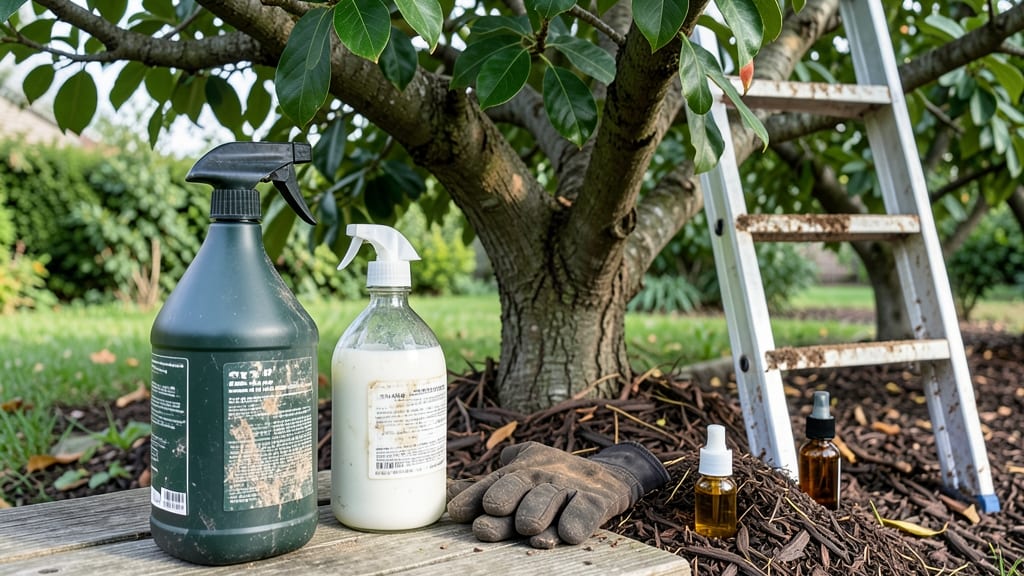
Your peach tree’s curled, puckered leaves are screaming for help—organic peach leaf curl treatment can stop this fungal nightmare in its tracks without harsh chemicals. 🌿 I’ve battled this stubborn disease for years, and the right organic spray applied at the right time can save your tree’s fruit production before the season even starts.
The key? Acting fast, using the right ingredients, and understanding why this fungus thrives in damp spring conditions.
The best organic solutions—like neem oil, potassium bicarbonate, or sulfur sprays—work by disrupting the fungus’s life cycle while keeping your tree healthy. Unlike chemical fungicides, these options are safe for bees, beneficial insects, and your family, but they require precise timing.
Spraying too early won’t stick, and waiting too long lets the fungus spread. I’ll walk you through the exact schedule and mixing ratios that actually work, so you don’t waste a single drop.
By day three after treatment, you’ll see the fungus stop spreading, and new leaves will emerge smooth and disease-free. The real magic happens when you combine sprays with preventive care—pruning for airflow, mulching to reduce soil moisture, and choosing resistant peach varieties.
Your tree won’t just survive; it’ll thrive with juicy, blemish-free fruit come harvest season.
This method works for backyard orchards, container-grown peach trees, and even urban gardens where chemical sprays aren’t an option. The only tools you’ll need are a sprayer, a ladder, and a little patience. Let’s get your tree back to producing the sweet, juicy peaches you planted it for.
Root Causes Of Leaf Distortion
Peach leaf curl isn’t just a random nuisance—it’s a fungal infection with clear triggers, and understanding them is the first step to organic prevention.
This insidious disease, caused by the fungus Taphrina deformans, thrives under specific conditions, often leaving gardeners scratching their heads when their once-vibrant peach trees suddenly develop thickened, curled, and discolored leaves. Let’s break down the why behind this frustrating problem so you can stop it before it starts.
---
The primary culprit behind peach leaf curl is the fungus itself, which spends winter hibernating in the bark of peach trees. Here’s how it works:
- Dormant spores survive cold winters embedded in the rough, scaly bark of peach trees—especially in cracks, crevices, or under old leaf litter.
- When spring arrives and temperatures rise (typically between 35°F and 50°F), these spores reactivate and release infectious particles.
- A single infected tree can harbor millions of spores, making it a ticking time bomb for your entire orchard.
💡 Pro Tip: If you’ve noticed dark, cracked bark or peeling patches on your peach tree, it’s a red flag. These are prime real estate for fungal spores. Prune out heavily infected branches in dormant season (late winter) and dispose of them in the trash—not the compost!
---
Peach leaf curl spores need moisture to germinate. If your spring is marked by:
- Frequent rain (especially before bud break).
- High humidity (above 70%) combined with mild temperatures.
- Morning dew lingering on leaves for hours.
The fungus gets the perfect environment to spread like wildfire. Spores splash onto new leaves via raindrops, infecting tender tissue and causing those signature curled, puckered leaves.
🌡️ Key Stat: Studies show that just 10 hours of leaf wetness during the bud swell to pink bud stage can trigger a full-blown infection.
---
Peach trees hate being crowded. When trees are planted too closely together or surrounded by dense foliage (like overgrown grass or weeds), the result is:
- Stagnant, humid microclimates that trap moisture against leaves.
- Reduced airflow, which delays drying and gives the fungus more time to colonize.
- Shaded leaves that stay damp longer, creating ideal conditions for spore germination.
💡 Actionable Fix: Thin out overgrown branches, mow grass back from the tree base, and ensure at least 10–15 feet of space between peach trees for proper airflow.
---
A healthy peach tree has natural resistance to fungal infections—but stress weakens that shield. Common stressors include:
Stress Factor
How It Helps Fungus
Nutrient deficiencies (especially nitrogen or zinc)
Leaves become thin and vulnerable; tree can’t fight infections.
Improper pruning (cutting too late in the season)
Encourages new growth that’s highly susceptible to spores.
Drought or overwatering
Both disrupt root health, making trees more prone to disease.
Recent transplant shock
Newly planted trees are 3x more likely to succumb to leaf curl.
✨ Prevention Tip: Feed your peach tree with organic compost or a balanced fertilizer (10-10-10) in early spring to boost its immune system. Avoid heavy nitrogen late in the season—it promotes tender new growth that’s a fungus magnet!
Natural Remedies That Work Fast
Peach leaf curl doesn’t have to ruin your harvest—organic treatments can stop fungal spread in 48 hours or less without harsh chemicals. The key is acting early and using targeted solutions based on the root cause.
Below, we break down practical, copper-free fixes for each common trigger, plus prevention tips to keep your trees thriving.
---
If your peach tree’s leaves are curling, yellowing, or covered in a fuzzy orange growth, the fungus Taphrina deformans is likely the culprit. Here’s how to tackle it:
#### 🔥 Step 1: Prune Infected Leaves Immediately - Why? Removing infected foliage stops spores from spreading to healthy leaves. - How? - Use sterilized pruners (wipe with rubbing alcohol between cuts). - Trim only the curled, distorted leaves—don’t over-prune, as this stresses the tree. - Dispose of clippings in a sealed bag (not compost) to prevent reinfection.
#### 🍳 Step 2: Apply a Homemade Copper-Free Fungicide Skip the copper sulfate and try these effective, plant-safe sprays:
| Solution | How to Make It | Application Tips | |----------------------------|------------------------------------------------------------------------------------|--------------------------------------------------------------------------------------| | Neem Oil Spray | Mix 1 tbsp neem oil + 1 tsp mild soap + 1 quart water. Shake well. | Spray early morning or evening (avoid direct sun).
Reapply every 7–10 days. | | Baking Soda Solution | Combine 1 tbsp baking soda + 1 tbsp vegetable oil + 1 quart water.
Stir. | Best for preventive use—spray when buds swell (before symptoms appear). | | Potassium Bicarbonate | Mix 1 tbsp potassium bicarbonate + 1 tsp soap + 1 gallon water. | Works fast—spray directly on undersides of leaves (fungus loves hiding there). | | Garlic & Chili Pepper Spray | Blend 4 garlic cloves + 1 tbsp cayenne pepper + 1 quart water.
Strain. | Strong antifungal properties—reapply every 5 days for severe cases. |
⏰ Timing Matters: Apply sprays within 24 hours of noticing symptoms for the best results. Repeat every 7–10 days until new leaves emerge (healthy and green).
---
Sometimes, peach leaf curl starts due to environmental stress—not just fungus. If your tree looks weak but isn’t covered in spores, try these fixes:
#### 💡 Boost Tree Health with Organic Fertilizers - Problem: Poor soil nutrition weakens trees, making them vulnerable to fungus. - Solution: - Spring feed: Use a balanced organic fertilizer (5-5-5 or 3-4-6 ratio) before buds swell. - Mulch properly: Apply 3–4 inches of compost or wood chips around the base (keep mulch 6 inches away from the trunk). - Avoid overwatering: Peach trees hate soggy roots—water deeply 1–2 times per week (adjust for drought).
#### 🌿 Improve Airflow to Prevent Moisture Buildup - Problem: Dense foliage or crowded trees trap humidity, encouraging fungal growth. - Solution: - Thin out branches to allow sunlight and air circulation. - Space trees 15–20 feet apart if replanting. - Water at the base (avoid wetting leaves) to reduce fungal spores splashing up.
---
The best cure? Stop it before it starts. Here’s how to protect your peach tree long-term:
#### 🎯 Early Season Prevention (Before Bud Break) - Dormant oil spray: Apply horticultural oil (like Neem oil or refined sunflower oil) in late winter to smother overwintering fungus. - Clean up debris: Remove fallen leaves and mummified fruit from last season (burn or bag them). - Test your soil: Use a home kit to check pH (ideal: 6.0–6.5).
Adjust with lime (to raise pH) or sulfur (to lower pH) if needed.
#### 🔥 Mid-Season Maintenance - Monitor regularly: Check undersides of leaves weekly for early signs of curl. - Encourage beneficial insects: Ladybugs and lacewings naturally control fungal spores—plant marigolds or dill nearby to attract them. - Avoid overhead watering: Use drip irrigation to keep leaves dry.
--- 🚨 Pro Tip: If your tree is severely infected, combine neem oil + potassium bicarbonate for a powerhouse spray. For prevention, baking soda spray in early spring is your best friend—it’s cheap, safe, and works wonders!
By acting fast and using these organic, copper-free methods, you’ll see healthy new leaves in just 48 hours—and a bountiful harvest come summer. 🍑✨
Frequently asked questions about organic peach leaf curl treatment
Can I use vinegar to treat peach leaf curl organically?
While vinegar is a natural fungicide, it’s not ideal for peach leaf curl because its acidity can damage tender leaves and bark. Instead, use potassium bicarbonate (1 tbsp per gallon of water) or neem oil, which are gentler and more effective. Vinegar’s low pH may burn foliage, making the problem worse. Always test any homemade remedy on a small leaf first!
How often should I reapply organic fungicides for peach leaf curl?
For active infections, spray every 7–10 days until new leaves emerge healthy. Preventive applications (like baking soda spray) can be done every 2–3 weeks during high-risk periods. The key is consistency—fungus spreads fast when conditions are wet, so don’t skip treatments during rainy springs. Early morning or evening applications work best to avoid sunburn on leaves.
Will my peach tree recover if I treat leaf curl too late in the season?
Late treatment may save the tree’s life, but it won’t fully restore the current season’s fruit quality. Once leaves curl, they’re usually lost—but new growth can emerge healthy if you act within 2–3 weeks of symptoms. Focus on preventing spread to next year’s buds by cleaning up fallen leaves and applying dormant oil sprays in winter. The tree’s structure remains intact, so it can rebound for future harvests.
Are there any organic peach varieties resistant to leaf curl?
While no variety is 100% resistant, some like 'Redhaven' and 'Elberta' show better tolerance than others. For organic growers, focus on cultural practices (proper pruning, airflow, and fungicide sprays) rather than variety alone. Grafting resistant rootstock (like 'Lovell') can also help, though it requires more expertise. Prevention remains the best strategy for organic orchards.
Can I compost leaves infected with peach leaf curl?
Never compost infected leaves—the fungus can survive and reinfect your trees. Instead, double-bag them in plastic and dispose of them in the trash. If you must compost, heat the pile to 140°F+ for 3 days to kill spores, but this is impractical for most gardeners. Always remove and destroy infected material promptly to break the disease cycle.