
Pests and Diseases
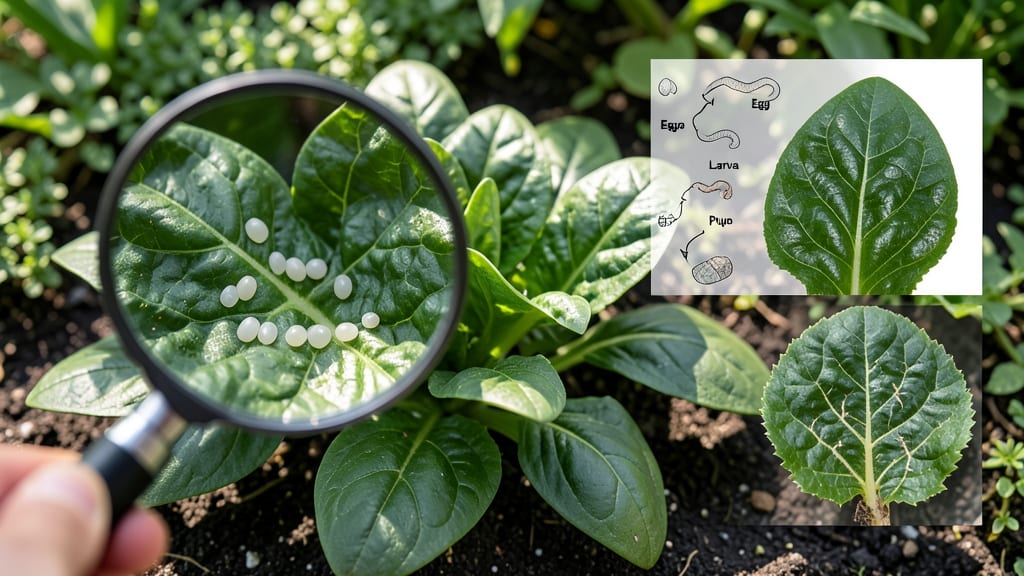
Those tiny white specks on your spinach leaves aren't harmless—spinach leaf miner eggs signal a battle for your crop. 🌱 I've seen healthy plants turn into skeleton leaves overnight, but neem oil can stop this silent destroyer before it ruins your harvest.
Leaf miners start as eggs, laid in clusters on undersides of leaves. Within days, larvae tunnel between leaf layers, creating white blotches that expand into brown, dead patches.
The damage isn't just cosmetic—it weakens plants, stunts growth, and makes leaves bitter. Worse, these pests return year after year if left unchecked.
Neem oil disrupts their life cycle at every stage, smothering eggs and confusing larvae into dropping off. Applied at the first sign of white specks, it can save 80-90% of your spinach from becoming unsalvageable.
The key is timing: spray when eggs appear (usually late spring) and repeat every 7-10 days until harvest.
This method works alongside row covers and crop rotation to break their cycle. Even if you've lost plants before, early intervention with neem oil gives you a fighting chance—your next spinach harvest could be the healthiest yet.
The Hidden Triggers Behind Eggs
Spinach leaf miner eggs don’t appear out of thin air—they’re the result of a sneaky, multi-step invasion by Phytomyza sylvatica and related fly species. Understanding these triggers helps you disrupt their life cycle before larvae hatch and wreak havoc. Here’s why these tiny troublemakers show up in your garden:
Healthy spinach plants are less appealing to leaf miners because their natural defenses—like thick leaves, strong cell walls, and chemical deterrents—make it harder for flies to lay eggs. But when plants are stressed, they become prime targets:
- Nutrient Deficiencies: Low nitrogen, potassium, or magnesium weakens leaf structure, making it easier for flies to puncture surfaces for egg-laying. Test soil pH (ideal: 6.0–7.0) and amend with compost or balanced fertilizer (10-10-10) to fortify plants.
- Water Stress: Overwatering or drought causes leaves to soften or become brittle, both of which flies exploit. Aim for 1–1.5 inches of water per week and improve drainage to maintain ideal moisture.
- Competition for Resources: Overcrowded spinach plants compete for sunlight and nutrients, leading to thinner leaves—an open invitation for egg-laying. Space seedlings 6–12 inches apart and thin seedlings to reduce stress.
💡 Pro Tip: Use compost tea or seaweed extract as a foliar spray to boost plant immunity naturally. These strengthen cell walls and deter pests.
Leaf miner flies thrive in specific environmental conditions that align with their life cycle. If your garden matches their preferences, you’ll see more eggs:
| Factor | Fly Preference | How to Disrupt It |
|---|---|---|
| Temperature | 60–85°F (optimal for mating and egg-laying) | Use row covers in early spring/fall to keep temps below 60°F or above 85°F. |
| Humidity | Moderate to high (flies avoid dry conditions) | Improve airflow with pruning or trellises to reduce humidity around leaves. |
| Host Plant Availability | Young, tender spinach leaves (older leaves are tougher) | Harvest outer leaves first to remove vulnerable growth and encourage new, less appealing foliage. |
✨ Key Insight: Flies are most active in late afternoon when temperatures peak. This is when they scout for egg-laying sites—monitor plants closely during this window for early signs of damage.
Leaf miners face few natural enemies in most home gardens, giving them free rein to reproduce. Without intervention, their populations explode. Here’s why predators fail to keep them in check:
- Monoculture Planting: Growing only spinach creates a food desert for predator insects like parasitic wasps or lacewings, which need diverse plants for survival.
- Pesticide Overuse: Broad-spectrum sprays (e.g., synthetic pyrethroids) kill beneficial insects faster than leaf miners, leaving your spinach defenseless.
- Urban/Suburban Gardens: Predators like ground beetles or spider mites are often absent due to lack of habitat diversity (e.g., no wildflowers or mulch).
🌱 Actionable Fix: Introduce pollinator-friendly plants (e.g., dill, fennel, or alyssum) near spinach to attract predators. Release beneficial nematodes (e.g., Steinernema carpocapsae) into the soil to target fly larvae.
By addressing these root causes—plant health, environmental conditions, and predator support—you’ll make your spinach far less hospitable to leaf miner flies. The next step? Learn how to break their life cycle before eggs hatch.
Beat Leaf Miners Naturally
Discovering spinach leaf miner eggs in your garden can feel like a nightmare, but don’t panic—there are effective, eco-friendly ways to tackle this pest and protect your spinach. The key is acting fast and combining preventive measures with targeted treatments.
Below, we break down solutions by cause, so you can choose the best approach for your situation.
Catching the problem before it spreads is your first line of defense. Leaf miners lay eggs on the undersides of leaves, so regular inspections are crucial.
👀 How to Spot & Remove Eggs
- Inspect leaves daily: Flip spinach leaves to check for tiny white or yellow eggs (about the size of a pinhead). Focus on new growth, as miners prefer fresh leaves.
- Use a magnifying glass: Eggs are hard to see with the naked eye, so a simple magnifier helps spot clusters early.
- Handpick infested leaves: If you find eggs, snip off the affected leaves and dispose of them in a sealed bag (not your compost!). This prevents larvae from hatching.
- Timing matters: Check leaves in the morning or evening when miners are least active, making them easier to spot.
✨ Pro Tip: If you’re dealing with a small patch, neem oil (mentioned in the article title) can suffocate eggs before they hatch. Spray it on the undersides of leaves as a preventive measure.
Once eggs hatch, larvae tunnel into leaves, causing irreversible damage. Organic sprays create a barrier and disrupt the miners’ life cycle.
💦 Best Sprays to Use
| Solution | How to Apply | Frequency |
|---|---|---|
| Neem Oil (1-2%) | Mix 1 tbsp neem oil + 1 tsp mild soap in 1 quart of water. Spray undersides of leaves thoroughly, focusing on new growth. | Every 5–7 days (or after rain). |
| Insecticidal Soap | Spray a light mist on both leaf surfaces. Avoid direct sun to prevent leaf burn. | Every 3–4 days until infestation clears. |
| Kaolin Clay | Mix 1–2 tbsp clay powder in 1 gallon of water. Spray as a protective film to deter egg-laying. | Weekly or after heavy rain. |
| Beauveria Bassiana (Fungal Spray) | Apply in the evening for best results. Targets larvae and disrupts their development. | Every 7–10 days. |
💡 Reminder: Always test sprays on a small leaf first to ensure your plants tolerate them. Avoid spraying in direct sunlight to prevent leaf damage.
The best way to avoid leaf miners is to make your spinach less appealing to them. Adjust your growing habits to disrupt their cycle.
🛡️ Long-Term Prevention Tips
- Rotate crops: Avoid planting spinach (or other susceptible greens like kale) in the same spot year after year. Miners overwinter in soil.
- Use row covers: Install fine mesh netting (like Agribon) over young plants to block adult miners from laying eggs.
- Interplant with repellents: Grow nasturtiums, marigolds, or onions nearby—their strong scents deter miners.
- Keep the garden clean: Remove old plant debris where miners may hide. Mulch with straw or grass clippings to smother overwintering pests.
- Encourage natural predators: Ladybugs, lacewings, and parasitic wasps eat leaf miner larvae. Attract them with dill, fennel, or yarrow in your garden.
🎯 Bonus Tip: If you’re growing spinach in containers, move them to a different location each season to break the miners’ life cycle.
While organic methods work for most home gardens, severe infestations may require stronger action. If your spinach is heavily damaged and organic sprays fail:
🚨 **Last-Resort Chemical Options
- Spinosad: A natural bacterial pesticide (derived from soil bacteria) that’s effective against leaf miners. Follow label instructions carefully.
- Bifenthrin or Permethrin: Synthetic pyrethroids that kill larvae on contact. Use only as a last resort and avoid spraying near flowering plants to protect bees.
⚠️ Warning: Chemical sprays can harm beneficial insects and leave residues. If using them, harvest spinach only after the recommended waiting period (usually 3–7 days).
With a combination of early detection, organic sprays, and smart gardening, you can keep spinach leaf miners under control without resorting to harsh chemicals. Stay vigilant, and your spinach will stay healthy and delicious!
Frequently asked questions
What do spinach leaf miner eggs look like up close?
Leaf miner eggs appear as tiny, white or yellowish specks about the size of a pinhead (around 0.5mm). They're usually found in clusters on the undersides of young leaves, often near leaf veins. Use a magnifying glass or smartphone macro lens to spot them early—early detection is key to preventing larvae damage.
How soon after seeing eggs should I treat my spinach?
Act immediately! Eggs typically hatch in 3-7 days, so apply neem oil or insecticidal soap within 24 hours of discovery. Focus on undersides of leaves where flies lay eggs. For severe infestations, combine sprays with physical removal of affected leaves to break their life cycle faster.
Can I still harvest spinach if I find leaf miner eggs?
Yes, but with caution. Harvest only the outer leaves that show no signs of tunneling damage. Remove any leaves with visible eggs immediately. Avoid harvesting from heavily infested plants—larvae can make leaves bitter and unsafe. For container-grown spinach, you can often save the crop by removing infected leaves and treating the remaining plant.
Will neem oil work if I already see white trails (larvae) in my leaves?
Neem oil is most effective against eggs, but it can still help with early larvae stages. For visible white trails, combine neem oil with kaolin clay or Beauveria bassiana for better results. The key is persistence—reapply every 5-7 days until harvest. For severe cases, consider spinosad as a targeted organic alternative.
How do I prevent leaf miners from coming back next season?
Implement a 3-step prevention plan:
- Rotate crops—don't plant spinach in the same spot for 3+ years,
- Use row covers during planting season, and
- Plant companion plants like nasturtiums or marigolds to repel flies. Add mulch in fall to smother overwintering larvae, and introduce beneficial insects like parasitic wasps to your garden ecosystem.