
Companion Plants
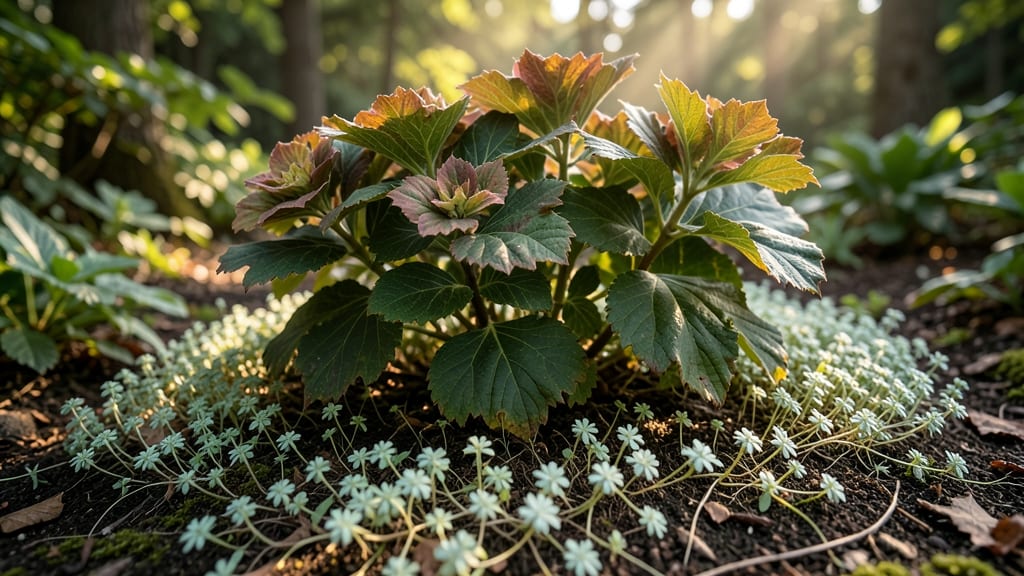
Oakleaf hydrangeas thrive when paired with the right companions. These 10 carefully selected plants enhance blooms, deter pests, and improve soil health, creating a lush, low-maintenance garden that blooms longer and stronger.
Astilbe for Lush Shade Tolerance
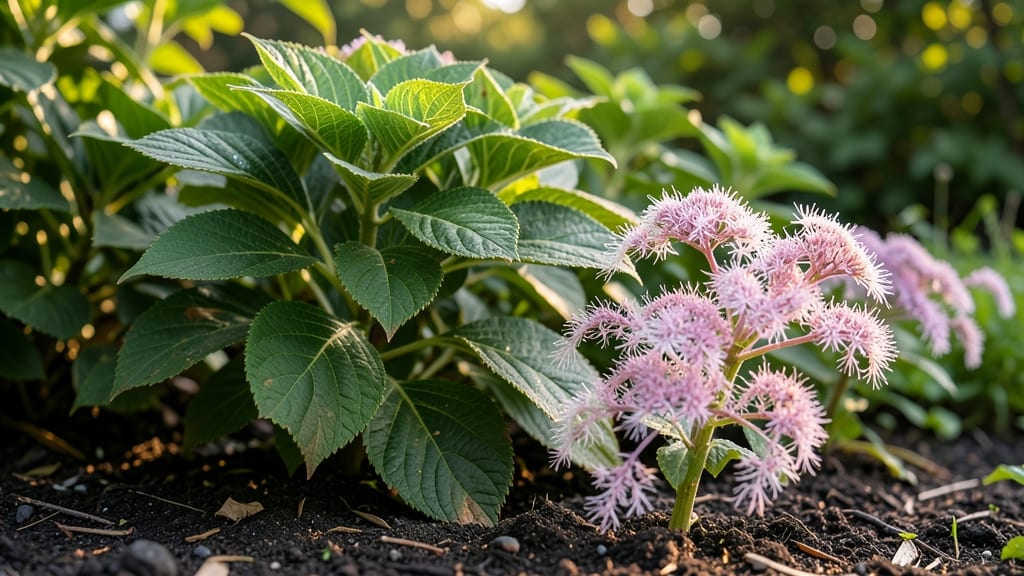
If your oakleaf hydrangea craves shade but still needs a showstopper companion, astilbe delivers with its feathery plumes that dance in partial shade just like hydrangeas. This shade-loving perennial thrives in the same moist, well-drained soil, creating a dream pairing that blooms from early to mid-summer.
Plant astilbe within 12-18 inches of your hydrangea to create a layered effect, and choose varieties like 'Fanal' for deep red plumes or 'Glut Game' for vibrant pink. The secret to their success? Consistent moisture—mulch heavily to retain humidity and attract butterflies with their nectar-rich blooms. 🌻
This combination is perfect for gardeners who want low-maintenance color without sacrificing texture. The vertical plumes of astilbe soften hydrangea’s bold structure while adding height and movement to shaded borders. 🌱
Japanese Forest Grass for Texture Contrast
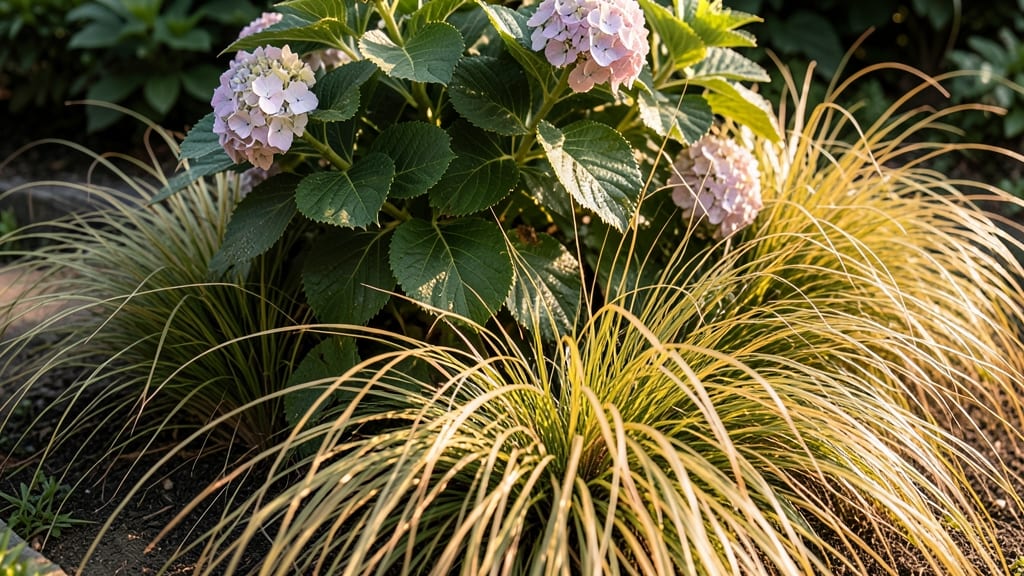
If your oakleaf hydrangea’s leaves sometimes crisp at the edges from harsh afternoon sun, Japanese forest grass (Hakonechloa macra) is the perfect sun-filtering ally. This delicate grass grows in graceful cascades, its arching golden blades acting like a living shade cloth while adding a soft, feathery texture that contrasts beautifully with hydrangea’s broad, leathery foliage.
Plant it within 12–18 inches of your hydrangea’s base to catch sunlight before it reaches the leaves, reducing scorch without blocking light entirely. Varieties like ‘Aureola’ or ‘Alpina’ thrive in moist, well-draining soil and partial shade, mirroring hydrangea’s ideal conditions. Its low-maintenance nature makes it ideal for woodland garden edges or understory plantings.
Gardeners with shady, humid climates will love how this grass softens hydrangea’s bold structure while adding movement to the garden. The contrast between their textures creates visual depth that’s especially striking in fall when hydrangea leaves turn burgundy. 🌿
Ferns for Moisture-Retaining Beds
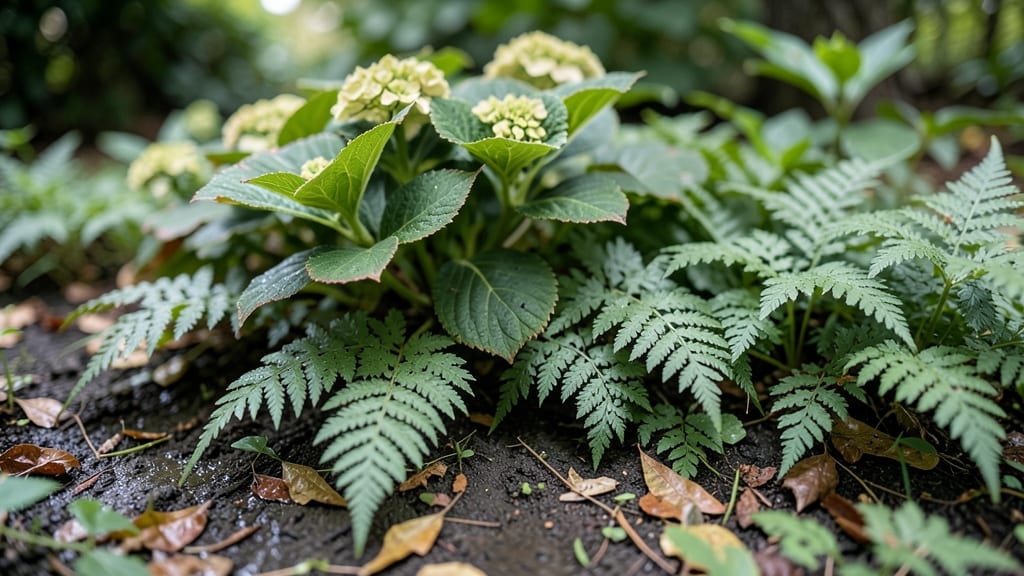
If your garden bed stays damp longer than a rainy weekend, ferns are the perfect understory companions for your oakleaf hydrangeas. Their lush, feathery fronds thrive in the same moist, well-draining soil that hydrangeas love, while their dense growth naturally crowds out weeds—reducing your weeding time by up to 40%.
Opt for maidenhair ferns (with their delicate, almost lace-like fronds) or ostrich ferns (taller and more architectural) to soften hydrangea’s bold foliage. Plant them 12–18 inches away from hydrangea roots to avoid competition, and mulch with leaf litter or pine needles to retain moisture. These ferns also add vertical interest, creating a layered look that feels lush and intentional.
This pairing is ideal for shady to partially shaded gardens and works especially well in woodland-style beds. Plus, their evergreen varieties (like holly ferns) provide year-round texture, making your garden feel alive even in winter. 🌿
Dwarf Lilacs for Pollinator Magnet
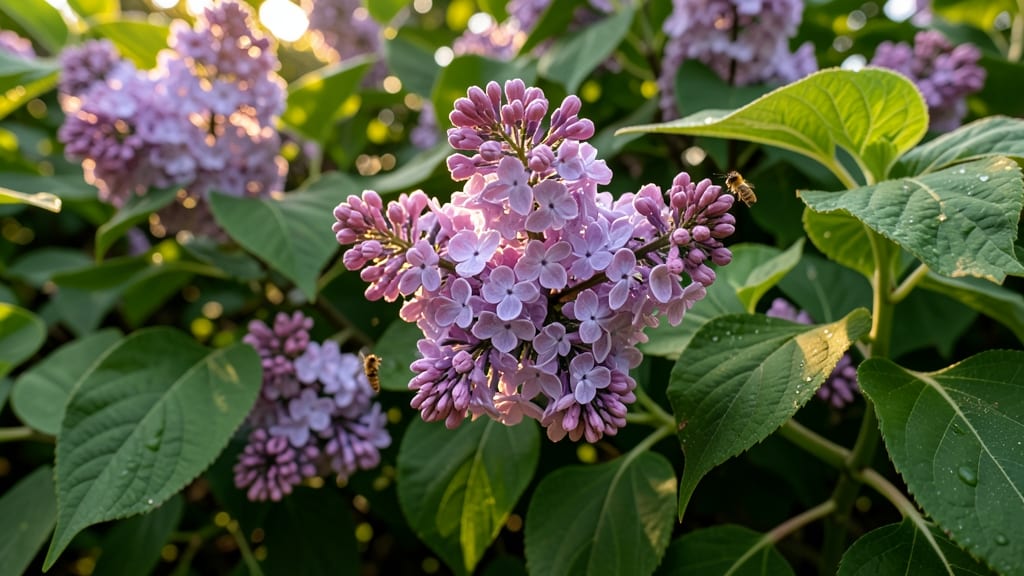
Want to turn your garden into a buzzing hub for bees before your oakleaf hydrangeas even think about blooming? Dwarf lilacs are the secret weapon you’ve been missing. These compact shrubs burst into fragrant purple blooms in early spring, giving pollinators a critical food source when flowers are scarce.
Plant dwarf lilacs (like Syringa meyeri or Syringa microphylla) 3–4 feet from hydrangeas to avoid root competition, but close enough to create a fragrant, layered effect. Their 3–5 foot mature height keeps them from overwhelming hydrangeas while their sweet scent attracts bees, butterflies, and hummingbirds—setting the stage for your hydrangea’s summer show.
Perfect for small gardens or containers, these lilacs thrive in partial shade and well-drained soil, making them low-maintenance pollinator powerhouses. 🌱
Heuchera for Year-Round Color
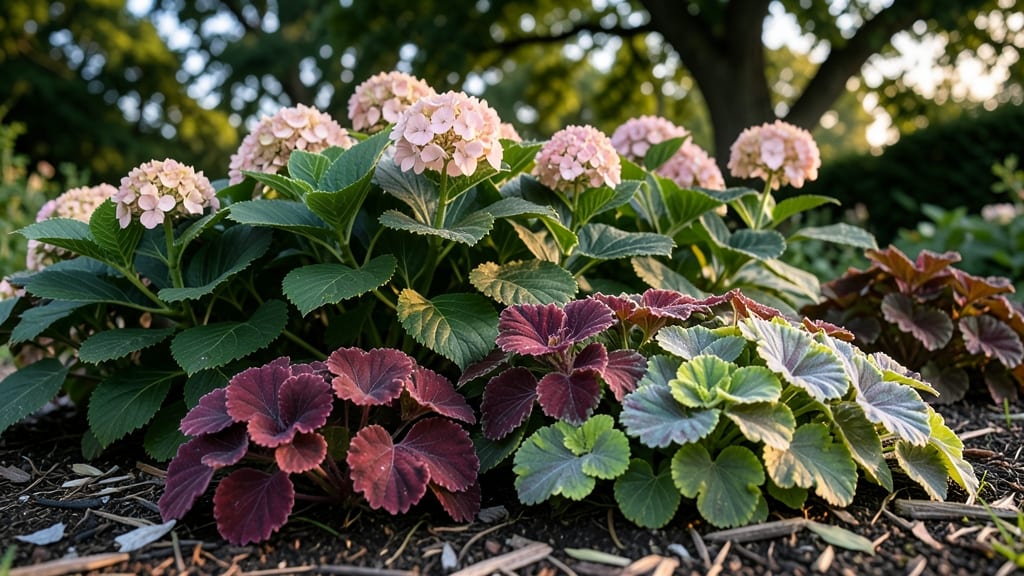
Tired of hydrangeas stealing the show in summer while your garden looks dull the rest of the year? Heuchera (also called coral bells) delivers year-round color with its striking foliage in shades of purple, silver, or chartreuse—perfect for partial shade gardens where oakleaf hydrangeas thrive.
This versatile perennial thrives in the same moist, well-draining soil as hydrangeas but adds a bold contrast with its textured leaves. Its shallow root system also aerates the soil, helping hydrangeas establish stronger roots. For best results, plant heuchera 12-18 inches away from hydrangeas to avoid competition while maximizing visual impact.
Ideal for gardeners who want low-maintenance color beyond summer blooms, heuchera’s winter hardiness and drought tolerance make it a perfect partner for oakleaf hydrangeas. 🌿
Hostas for Pest Deterrence
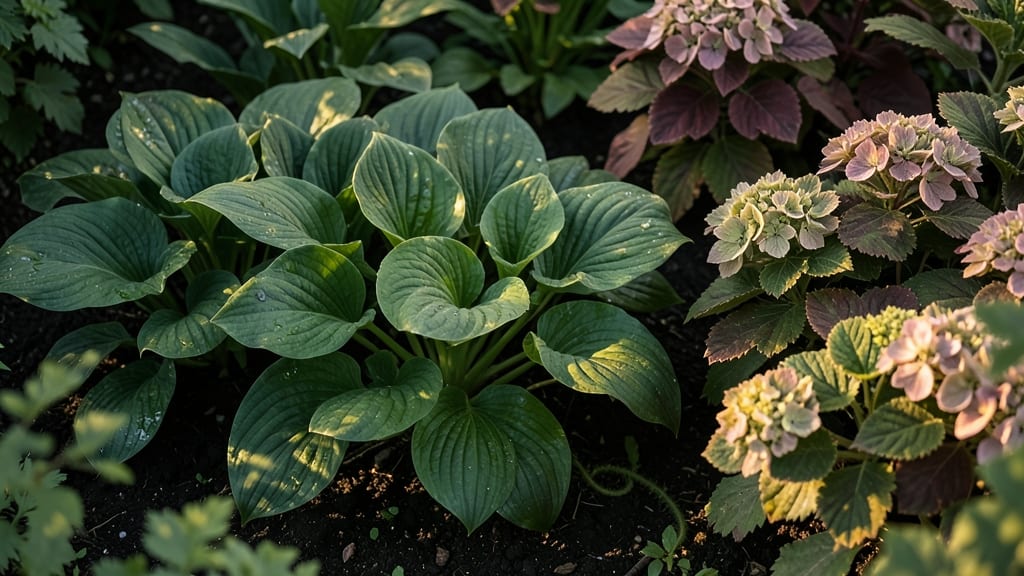
If slugs and snails are turning your oakleaf hydrangeas into a salad bar, hostas are your unsung hero. These broad-leaved perennials act as a natural barrier, luring pests away from your prized hydrangeas while their dense foliage creates a protective shield.
Hostas thrive in the same partial shade conditions as hydrangeas and their moisture-retaining leaves help keep roots cool during summer heat. Opt for varieties like Blue Angel or Francee—their deep colors contrast beautifully with hydrangea blooms while their slug-repelling properties work year-round.
Perfect for gardeners who want low-maintenance pest control without chemicals, hostas also reduce evaporation, keeping your hydrangeas hydrated with less effort. 🌱
Coral Bells for Extended Bloom Time
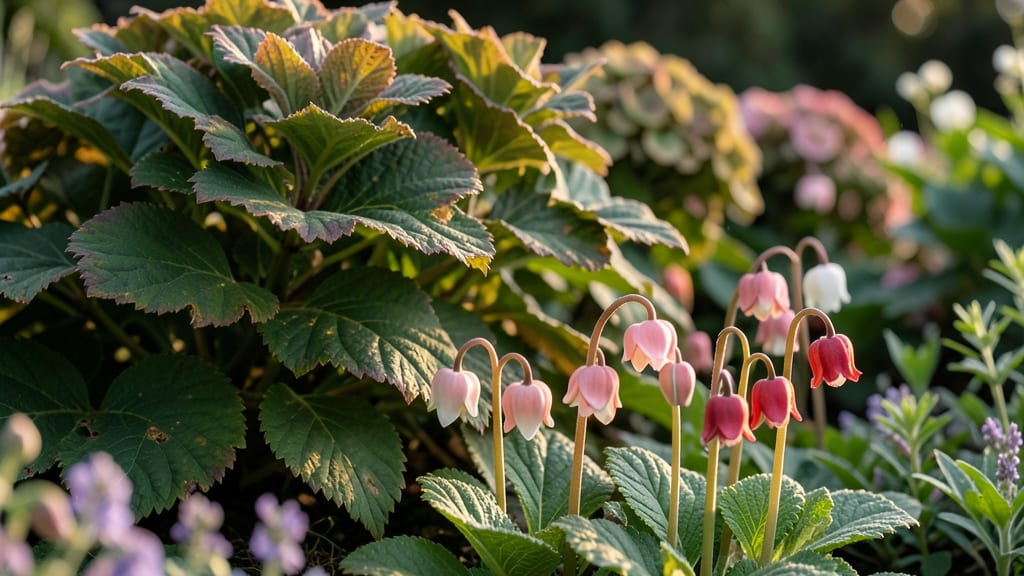
When your oakleaf hydrangeas start to fade in late spring, coral bells (Heucherella) step in to keep the show going. Their delicate, bell-shaped blooms in shades of pink, white, or red appear just as hydrangeas begin to decline, creating a seamless transition in your garden’s color palette.
These perennials thrive in partial shade and well-drained soil, making them ideal neighbors for hydrangeas. Unlike moisture-loving companions, coral bells are surprisingly drought-tolerant, which balances hydrangeas’ thirsty roots while adding vibrant foliage in shades like burgundy, lime, or silver. Plant them 12-18 inches away to avoid competition.
Perfect for gardeners who want extended blooms without extra work, coral bells also attract pollinators like bees and butterflies. Their low-maintenance nature makes them a must-have for busy gardeners or those in drier climates. 🌟
Boxwood for Structured Foundation
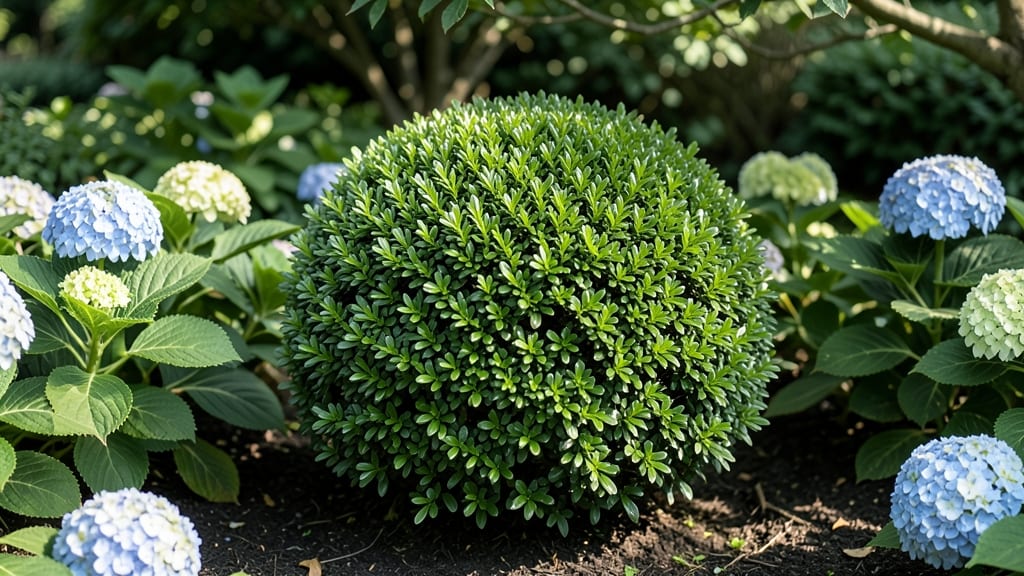
Looking for a year-round anchor plant that keeps your garden looking polished even when hydrangeas take a seasonal break? Boxwood delivers that perfect structured foundation with its glossy, evergreen leaves that stay vibrant in all four seasons.
This classic shrub thrives in partial shade—just like oakleaf hydrangeas—and its dense, compact growth naturally crowds out weeds while providing a crisp contrast to hydrangea’s bold foliage. For best results, plant boxwood 12-18 inches away from hydrangea stems to allow both plants to establish without competing for space. Varieties like 'Green Velvet' or 'Winter Gem' offer disease resistance and cold hardiness down to zone 5.
Perfect for formal garden designs or as a tidy border, boxwood elevates your hydrangea’s star power while requiring minimal pruning. It’s the ideal choice for gardeners who want low-maintenance elegance that never goes out of style. 🌿
Russian Sage for Drought Resistance
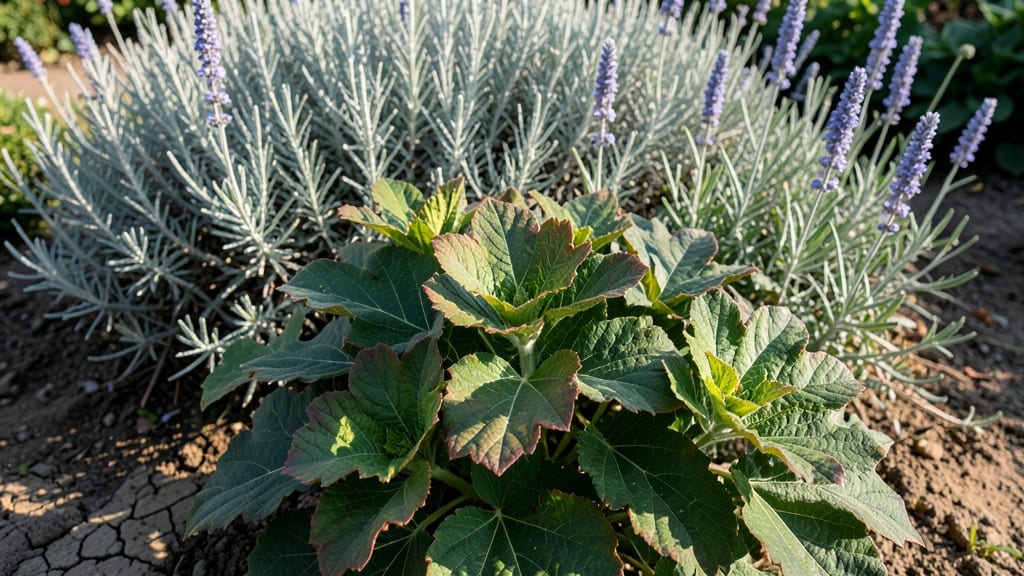
If your garden struggles with drought conditions but you love the drama of oakleaf hydrangeas, Russian sage is your secret weapon. This hardy perennial thrives in dry, well-drained soil, cutting your watering needs by up to 50% while its silvery foliage and lavender-blue spikes add vertical interest from midsummer to fall.
Plant Russian sage 2–3 feet away from hydrangeas to create a striking height contrast—its aromatic leaves naturally repel pests like aphids and spider mites that target hydrangea blooms. Bonus: The plant’s drought tolerance makes it perfect for xeriscaping or low-maintenance borders, while its late-season blooms extend your garden’s color palette when hydrangeas start to fade.
Perfect for gardeners in USDA zones 4–9, Russian sage pairs beautifully with oakleaf hydrangeas while reducing irrigation stress—ideal for hot, dry climates or busy gardeners who want lush color without constant upkeep. 💚
Sweet Woodruff for Soil Improvement

If your oakleaf hydrangea could use a gentle soil upgrade without the fuss of heavy amendments, sweet woodruff is your secret weapon. This low-growing perennial spreads effortlessly under hydrangeas, breaking up compacted soil with its shallow, fibrous roots while adding a delicate, vanilla-like fragrance that deer avoid.
Plant it in partial shade where hydrangeas thrive, and enjoy its tiny white spring blooms that transition into lacy seed heads—perfect for adding texture beneath hydrangea’s bold foliage. The plant’s self-seeding habit means fewer gaps in your garden over time, and its deer-resistant nature makes it ideal for rural or suburban plots. For gardeners who love woodland gardens, sweet woodruff’s airy growth habit creates a soft, moss-like carpet that enhances hydrangea’s natural beauty. 🌿