
Leaf Blower
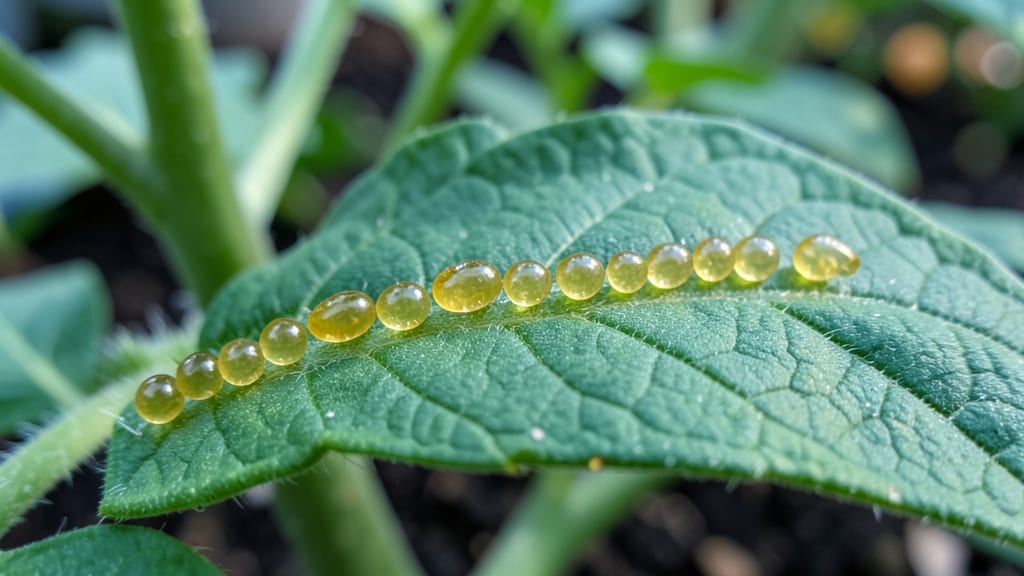
Those yellow insect eggs on a leaf mean trouble—but you can stop it fast. 🌿 I've seen these tiny yellow clusters on roses, tomatoes, and even houseplants, and the key to saving your plants is acting before the eggs hatch into a full-blown infestation.
These little dots are often aphid, sawfly, or spider mite eggs, and they multiply faster than you'd think.
The worst part? You might not even notice until the damage is done—tiny eggs turn into voracious eaters that chew leaves into lace. But here's the good news: most of these pests hate water, soapy solutions, and natural predators like ladybugs.
I've knocked out entire colonies with just a spray bottle and a little elbow grease.
By the time you're done reading, you'll know exactly what those yellow specks are, how to scrape them off without harming your plants, and which natural sprays work best.
The goal is to protect your garden without chemicals—because once you see your plants bounce back, you'll wonder why you didn't act sooner.
This works for vegetables, flowers, and even indoor plants—no matter where you spot those yellow clusters. Let's get those eggs off your leaves before they become a bigger problem.
Root Causes Of Egg Clusters
Discovering tiny yellow insect eggs clinging to your leaves can feel like a biological puzzle—where did they come from, and why now? The truth is, these eggs rarely appear by accident. They’re the result of deliberate reproductive strategies by insects seeking the perfect conditions to ensure their survival.
Below, we break down the key reasons these eggs show up on your plants, along with the science behind their arrival.
Not all plants are equally appealing to egg-laying insects. Yellow insect eggs—commonly from aphids, spider mites, or whiteflies—often target plants that offer:
- Soft, tender leaves: Young, succulent foliage (like new growth on roses or basil) is easier for females to pierce with their ovipositors (egg-laying tools).
- High sap content: Plants rich in nutrients (e.g., tomatoes, citrus, or hibiscus) attract insects seeking a food source for their larvae.
- Clustered growth: Dense foliage (like ferns or hostas) provides shelter and humidity, mimicking the insects’ natural habitats.
💡 Pro Tip: Insects like aphids use pheromones to signal safe egg-laying spots. If you’ve had infestations before, your plants may already be "marked" as prime real estate.
Egg-laying isn’t random—it’s timed. Most yellow insect eggs appear when conditions align with the insects’ life cycles:
| Factor | Optimal Range for Egg-Laying | Why It Matters |
|---|---|---|
| Temperature | 65–85°F (18–30°C) | Warmer temps speed up metabolism, prompting females to lay eggs faster. Whiteflies, for example, thrive in heat and lay eggs in batches. |
| Humidity | 60–80%+ | High humidity prevents eggs from drying out. Spider mites often lay eggs on undersides of leaves where moisture lingers. |
| Rainfall | Moderate (not flooding) | Light rain can wash away predators but also signal safe conditions for insects to reproduce. |
✨ Key Insight: If your area just experienced a warm, damp spell, expect egg sightings within 3–7 days. These conditions create a "perfect storm" for insect reproduction.
Yellow insect eggs thrive when their predators are scarce. Common natural enemies—like ladybugs, lacewings, or parasitic wasps—keep populations in check. But when these helpers vanish due to:
- Pesticide overuse: Broad-spectrum sprays kill both pests and their predators, creating a vacuum that invites more egg-laying.
- Habitat loss: Monoculture gardens (e.g., rows of identical basil plants) offer no diversity for predator insects to hunt.
- Seasonal die-offs: Cold winters or droughts may reduce predator populations, giving egg-layers a temporary advantage.
🔥 Warning: If you’ve noticed fewer birds, spiders, or beneficial insects in your garden, your plants are at higher risk for egg infestations.
Stressed plants release chemical signals (called volatiles) that attract egg-laying insects. Common stress factors include:
- Nutrient deficiencies: Yellowing leaves (chlorosis) or stunted growth can signal weakness, luring insects seeking easy meals for their offspring.
- Water stress: Overwatered or drought-stressed plants both emit distress signals. Aphids prefer plants with high sugar content—often a result of overwatering.
- Physical damage: Pruned or bruised leaves may bleed sap, creating sticky spots where eggs adhere better.
🎯 Actionable Fix: Strengthen plants with balanced fertilizer (like 10-10-10) and ensure proper drainage. Healthy plants are less likely to broadcast "help me" signals to insects.
Natural Ways to Remove Eggs & Stop Infestations
If you’ve spotted yellow insect eggs on leaves, acting fast is key to protecting your plants. Below are targeted solutions tailored to the most common egg-laying pests—aphids, spider mites, whiteflies, and more—along with prevention tips to keep your garden thriving.
Before treating, confirm the culprit:
- Aphids: Tiny, oval eggs clustered on undersides of leaves.
- Spider Mites: Pale yellow eggs in webbing or on leaf veins.
- Whiteflies: Yellowish eggs on new growth, resembling tiny scales.
- Scale Insects: Flat, oval eggs under bark or leaves.
Pro Tip: 💡 Use a magnifying glass for accuracy—mistaking eggs for harmless debris can delay treatment!
1. Manual Removal for Small Infestations
Best for: Early-stage eggs (aphids, spider mites). Steps:
- Wear gloves (some pests irritate skin).
- Dampen a soft cloth with water or mild soapy solution.
- Gently wipe egg clusters off leaves, focusing on undersides.
- Rinse plants with clean water to remove residue.
✨ Prevention: Check leaves daily for new eggs during peak pest seasons (spring/fall).
2. Insecticidal Soap Spray
Best for: Aphids, whiteflies, soft-bodied pests. How to Use:
- Mix 1 tsp mild castile soap + 1 quart water in a spray bottle.
- Spray thoroughly (both sides of leaves) until leaves glisten.
- Reapply every 5–7 days for 2–3 weeks.
🌡️ Caution: Test on a small leaf first—some plants (e.g., succulents) are soap-sensitive.
3.
Neem Oil Treatment Best for: Eggs and larvae (aphids, spider mites, scale). Recipe: - 1 tbsp neem oil + 1 tsp dish soap + 1 quart water. - Shake well and spray evenly (avoid direct sun to prevent leaf burn). - Reapply weekly until no new eggs appear.
🎯 Pro Tip: Apply in the early morning or evening for maximum effectiveness.
4. Horticultural Oil Spray
Best for: Scale insects, mealybugs, and stubborn eggs. How to Apply:
- Use a pre-mixed horticultural oil (follow label rates).
- Spray until leaves are coated, focusing on egg clusters.
- Cover plants completely—eggs hide in crevices!
⏰ Timing: Apply when temps are above 50°F (oil works best in warmth).
5. Beneficial Insects (Long-Term Fix)
Best for: Preventing future infestations. Options:
- Ladybugs: Devour aphid eggs (release 500+ adults per acre).
- Lacewings: Eat spider mite eggs (buy eggs/live adults online).
- Parasitic Wasps: Target whitefly eggs (e.g., Encarsia formosa).
🔥 Release Tip: Introduce beneficial insects at dawn or dusk when pests are least active.
- Clean Up Debris: Remove fallen leaves, weeds, and plant waste where eggs hide.
- Prune Regularly: Trim overgrown branches to improve airflow (pests thrive in humidity).
- Use Reflective Mulch: Aluminum mulch confuses whiteflies and deters egg-laying.
- Companion Planting: Grow marigolds, basil, or garlic near vulnerable plants to repel pests.
- Sticky Traps: Place yellow sticky traps near plants to catch adult pests before they lay eggs.
Final Note: Consistency is critical—one treatment rarely eradicates eggs completely. Combine methods for best results!
Frequently asked questions
What do those tiny yellow dots on my plant leaves actually mean?
Those yellow specks are most likely insect eggs from pests like aphids, spider mites, or sawflies. They’re often clustered on leaf undersides or new growth, and if left unchecked, they’ll hatch into voracious larvae that chew leaves into lace. The good news? They’re usually visible to the naked eye with close inspection.
How do I tell if these yellow eggs are harmful or just harmless plant debris?
Harmless debris is usually irregular in shape and color, while insect eggs are tiny, oval, and often grouped in clusters. Use a magnifying glass to check for a glossy surface or webbing—common signs of pests. If you see sticky residue (honeydew), those eggs are definitely from sap-sucking insects like aphids.
Can I just ignore the eggs and wait for them to dry out or fall off?
No—waiting is risky! These eggs hatch quickly (often in 3-7 days), turning into larvae that can devastate your plants. The best approach is to remove them immediately using a damp cloth or natural sprays like insecticidal soap. Prevention is key: Check leaves regularly during warm, humid weather when pests are most active.
Are there any chemical-free ways to remove these eggs safely?
Try these natural methods first:
- Manual removal: Wipe eggs off with a damp cloth.
- Neem oil spray: Mix 1 tbsp neem oil + 1 tsp soap + 1 quart water and spray leaves.
- Beneficial insects: Release ladybugs or lacewings—they eat eggs and larvae. Avoid harsh chemicals, as they can harm pollinators and beneficial bugs.
Why do some plants get these eggs more often than others?
Pests target stressed, nutrient-rich plants with soft leaves, like roses, tomatoes, or citrus. Overwatering, poor soil, or crowded growth creates the perfect breeding ground. Strengthen plants with balanced fertilizer, proper drainage, and pruning to make them less appealing. Companion plants like marigolds can also deter egg-laying insects.