
Plants
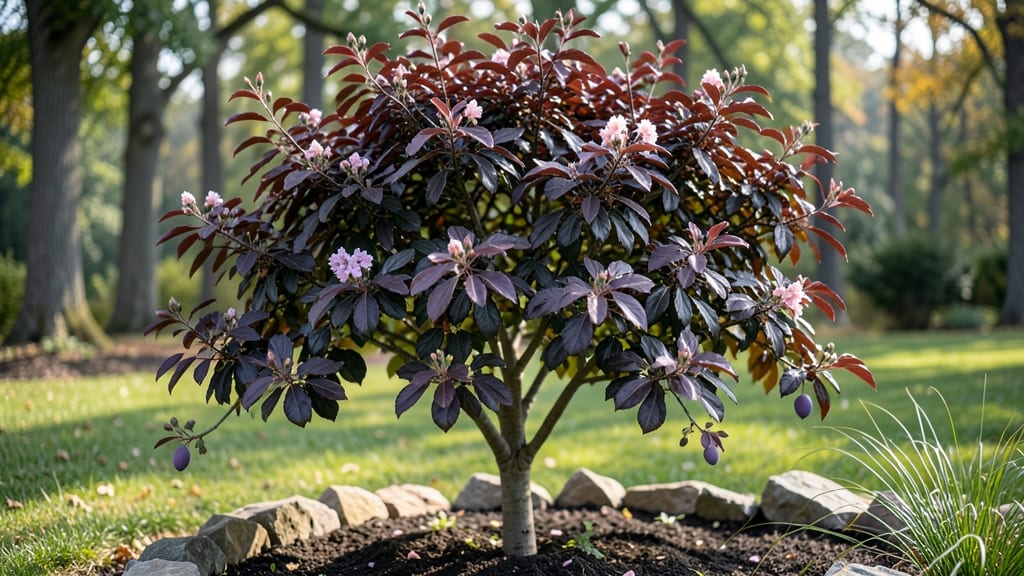
Purple leaf plants turn any garden into a living work of art. 🌿 I've always loved how they add drama and depth to containers—whether it's a single statement pot or a cascading border. These plants aren't just pretty; they're tough, thriving in full sun or partial shade with minimal fuss.
The real magic happens when you pair them right. Purple leaf plumbago, for example, dances with silver foliage like lamb's ear, while purple leaf sage adds a fragrant twist to herb gardens. Their rich hues play beautifully against yellows and silvers, creating contrast that pops in any season.
You'll end up with containers that look like they belong in a high-end nursery, not your patio. The foliage stays vibrant all summer, and in fall, some varieties even turn fiery red before winter. Plus, they're deer-resistant—great for gardens where wildlife is a concern.
Perfect for small spaces, urban balconies, or as focal points in larger gardens. Let's make your outdoor space stand out!
📚 In This Guide
- What you need
- Instructions
- Tips and common mistakes
- Wrapping up and next steps
What you need
- ● Purple leaf plant (e.g., Coleus scutellarioides, Plectranthus coleoides, or Lantana camara) – 1-3 plants (check local nurseries or online stores for varieties).
- ● Containers – 1-2 pots per plant (6-12 inches wide) with drainage holes. Pro tip: Terracotta or fabric pots work best!
- ● High-quality potting mix – 1 bag (look for a well-draining blend with perlite or coconut coir).
- ● Gravel or pebbles – Small bag (for drainage layer at the bottom of pots).
- ● Trowel or small shovel – 1 (for transplanting).
- ● Pruning shears – 1 (to shape and encourage bushiness).
- ● Spray bottle – 1 (for misting new cuttings or seedlings).
- ○ Fertilizer (balanced, 10-10-10 or organic) – Small bottle (optional but recommended for faster growth).
- ○ Mulch (optional) – 1 bag (e.g., bark chips or straw to retain moisture).
- ● A sunny spot! 6+ hours of indirect light daily (or grow lights for indoor setups).
- ● Consistent watering schedule (keep soil evenly moist but not soggy).
- ● Patience—purple leaf plants thrive with gentle care and regular pruning!
Instructions for growing purple leaf plants in containers
Here's how I keep my purple leaf plants vibrant and thriving in pots year after year.
🪴 Step 1: Choose the Right Container and Drainage
Purple leaf plants—like purple leaf plum or purple smoke bush—need containers with drainage holes to prevent soggy roots. I use 10-12 inch pots for each plant since they develop strong root systems. Terra cotta pots work best because they breathe and help regulate moisture.
If your pot lacks drainage, drill 2-3 holes in the bottom. Line the pot with a 1-inch layer of gravel or broken pottery before adding soil. This ensures excess water drains away while keeping roots stable. I always test drainage by filling the pot with water—it should empty completely within 5-10 minutes.
🌱 Step 2: Use Well-Draining Soil and Fertilizer
Purple leaf plants hate soggy soil, so I mix equal parts potting mix and perlite for perfect drainage. Avoid garden soil—it compacts and suffocates roots. Fill the pot 2/3 full with this blend, leaving room for roots to grow.
Add a slow-release fertilizer (like 10-10-10) mixed into the soil at planting. This gives your plant a steady nutrient boost without risking overfeeding. Water the soil lightly after planting to settle it around the roots. You’ll know it’s right when the surface looks evenly moist but not wet.
☀️ Step 3: Position for Bright, Indirect Light
Purple leaf plants love full sun to partial shade—at least 4-6 hours of direct light daily. A south- or west-facing window is ideal, but avoid harsh afternoon sun, which can scorch leaves. If your plant’s leaves fade to green, it’s getting too much shade.
Rotate the pot quarter-turn weekly so the plant grows evenly. You’ll notice new growth leaning toward the light—this is your cue to adjust the pot’s position. In winter, supplement with a grow light if natural light drops below 6 hours daily. Watch for pale or leggy growth—that’s your signal to move it closer to the light.
💧 Step 4: Water Deeply and Maintain Consistent Moisture
Water when the top 1-2 inches of soil feel dry to the touch. Stick your finger in—if it comes out clean, it’s time to water. Pour water slowly until it drains from the bottom, then empty the saucer to prevent root rot. Purple leaf plants hate soggy roots, so always let excess water escape.
In summer, I water every 2-3 days, while winter slows watering to once a week. Overwatering causes yellow leaves, while underwatering makes them crispy. The key is consistency—keep the soil evenly moist but never waterlogged. A moisture meter helps, but your finger works just as well.
✂️ Step 5: Prune and Fertilize for Lush Growth
Prune in early spring to shape the plant and encourage bushier growth. Cut back 1/3 of the oldest stems to stimulate new shoots. Use clean, sharp shears to avoid tearing leaves. I also remove any dead or yellowing foliage to keep the plant healthy.
Fertilize every 4-6 weeks during growing season with a balanced liquid fertilizer (like 20-20-20). Reduce feeding in winter to once every 8 weeks. Purple leaf plants reward consistent care with vibrant foliage—if the color fades, it’s a sign of stress, often from overwatering or poor light.
Tips & tricks for perfect purple leaf plant care
These simple strategies will help you keep your purple leaf plants thriving in containers with minimal fuss.
Container Selection: When choosing between 10-12 inch pots, consider the plant's mature size. Purple leaf plums can reach 15-20 feet tall in the ground, so opt for the larger end of the range (12 inches) if you want to keep it in a container for several years. The extra space prevents root binding, which causes stunted growth and poor drainage. Terra cotta is ideal, but if you prefer plastic, just ensure the pot has those critical drainage holes—no exceptions!
Soil Mix Secret: The equal parts potting mix and perlite blend is non-negotiable, but here's the pro move: add a handful of worm castings to that mix before planting. The castings provide gentle, natural nutrients without the risk of overfeeding. I also recommend pre-moistening the soil mix before adding it to the pot—this helps eliminate air pockets around the roots during planting.
Light Positioning: That 4-6 hours of direct light requirement is your golden window, but timing matters just as much. Position your plant to catch morning sun and afternoon shade—this prevents leaf scorch from the intense midday rays. If you notice leaves turning green, it's not just about more light—it's about the quality of that light. Bright, indirect light preserves the stunning purple hues.
Watering Wisdom: The finger test is foolproof, but here's what I've learned: check soil moisture in the morning when the soil is coolest. If your finger comes out with soil clinging to it, that's your cue to water. In summer, I set a timer for every 2-3 days as a reminder, but I always double-check that top 1-2 inches before watering. Overwatering is the silent killer—it causes yellow leaves that many people mistake for underwatering.
Pro Tips for Purple Leaf Plant
- These simple strategies will help you keep your purple leaf plants thriving in containers with minimal fuss.
- Container Selection: When choosing between 10-12 inch pots, consider the plant's mature size.
- Soil Mix Secret: The equal parts potting mix and perlite blend is non-negotiable, but here's the pro move: add a handful of worm castings to that mix before planting.
Frequently asked questions
Got questions about purple leaf plants?
You’re not alone! Here are answers to the most common queries to help you grow these stunning plants with confidence.
How often should I water my purple leaf plant?
Water your purple leaf plant when the top 1–2 inches of soil feel dry. Overwatering is the #1 killer—these plants prefer slightly dry conditions. In containers, check soil moisture daily in summer and reduce frequency in winter. Pro tip: Use well-draining soil and pots with drainage holes to prevent root rot!
Can purple leaf plants survive winter?
Yes! These hardy plants tolerate temperatures down to 15–20°F (-9 to -7°C), but young plants or container-grown varieties may need winter protection. Mulch the base or move pots to a sheltered spot. Prune dead foliage in early spring to encourage fresh growth. Bonus: Their leaves often deepen in color in cooler weather!
What’s the best way to propagate purple leaf plants?
Propagate via stem cuttings in spring or early summer. Snip a 4–6 inch tip, remove lower leaves, and dip in rooting hormone (optional). Plant in moist potting mix and keep humid (use a plastic bag or propagator). Roots form in 4–6 weeks. Pro tip: Avoid overwatering—keep soil lightly moist but not soggy!
Why are my purple leaf plant’s leaves turning yellow?
Yellow leaves usually signal overwatering or poor drainage. Let the soil dry out between waterings and ensure your pot has drainage holes. Check for pests like spider mites (tiny webs on undersides of leaves) or fungal issues (powdery spots). Fix it: Trim affected leaves and adjust care.
Are there purple leaf plants that bloom?
Most purple leaf plants (like Cercis canadensis ‘Lavender Twist’ or Weigela ‘Wine & Roses’) focus on foliage, but some varieties produce small, fragrant flowers in spring. Prune after blooming to maintain shape. If you want both color and flowers, opt for Clerodendrum thomsoniae (purple-leafed with pink blooms)!
Wrapping up and next steps
Ready to bring a pop of color to your space? Purple leaf plants are the perfect choice for adding vibrant, low-maintenance beauty—whether you’re a seasoned gardener or just starting out. 🌿 With the right care, they’ll reward you with stunning foliage year after year.
Your next step? Pick your favorite purple variety and get planting! Start small with a single container or go bold with a full patio display. Happy gardening—your future purple paradise awaits! 🌸