
Flowers
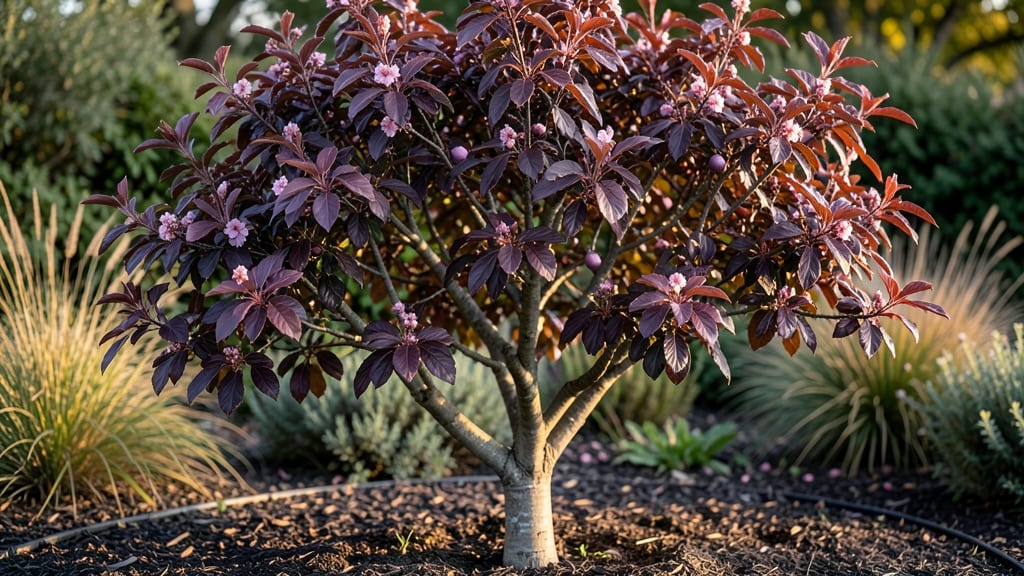
Your garden just got a springtime showstopper with purple leaf plum tree flowers. 🌸 These velvety pink blooms appear in late winter, turning heads before most trees even think about waking up.
I planted mine five years ago, and every February, the scent of almonds fills the air—nature’s way of announcing spring’s arrival. The secret to those vibrant blooms starts with the right spot: full sun and well-draining soil.
My tree thrives in a slightly alkaline mix with a 3-inch layer of compost worked in at planting. Prune in late winter (before buds swell) to shape the tree and encourage next year’s flowers—just avoid heavy cuts, or you’ll sacrifice blooms.
By mid-spring, you’ll have weeks of color before the foliage takes over. The purple leaves add drama all season, but it’s those early flowers that steal the show. Even better? The tree’s compact size (15-20 feet) makes it perfect for small yards or as a striking focal point.
Here’s the best part: minimal fuss. Once established, this tree handles drought surprisingly well and rarely needs fertilizer. Just watch for aphids—hose them off in early spring to keep the blooms pristine. Trust me, your neighbors will ask how you did it.
📚 In This Guide
- What you need
- Instructions
- Tips and common mistakes
- Wrapping up and next steps
What you need
- ● Purple Leaf Plum Tree: 1 Prunus cerasifera (bare-root, container, or potted sapling—choose based on your preference and climate zone).
- ● Pro Tip: 🌡️ Hardiness Zones 5-9—verify your zone before purchasing!
- ● Planting Site: Full sun location (6+ hours of direct sunlight daily).
- ● Well-draining soil (amend with compost if needed).
- ○ Soil Amendments (Optional but Recommended): 5 lbs organic compost or aged manure per planting hole.
- ● 1 cup slow-release fertilizer (10-10-10 or similar).
- ● Digging Tools: 1 shovel (round-point or spade).
- ● 1 garden trowel (for delicate root handling).
- ● Watering Supplies: 1 hose with adjustable nozzle or watering can (5+ gallons).
- ● 1 mulch (2-3 inches of wood chips or pine straw).
- ● Safety & Extras: 1 pair gardening gloves (to protect your hands!).
- ● Pruning shears (for post-planting trimming).
- ○ Plant supports (optional—stakes or cages for young trees).
- ● ✅ Timing: Plant in early spring or fall (avoid extreme heat or frost).
- ● ✅ Preparation: Test soil pH (ideal: 6.0-7.0; adjust with lime or sulfur if needed).
- ● ✅ Space: Ensure 15-20 feet of clearance (mature tree width).
How to grow and care for purple leaf plum tree flowers
Here’s how to coax those showstopping purple blooms from your plum tree—no fancy tricks, just smart care.
🌱 Step 1: Plant in the Right Spot with Full Sun
Purple leaf plums thrive in full sun—at least 6-8 hours daily. I always pick a south or west-facing location because morning sun prevents leaf scorch while letting them soak up afternoon warmth. The soil should drain well; if yours is heavy clay, amend with 2-3 inches of compost before planting.
Dig a hole twice as wide as the root ball but no deeper. The top of the root flare (where roots meet trunk) should sit just above ground level. If planted too deep, the tree struggles to absorb water and nutrients. Water deeply right after planting to settle the soil around roots.
☀️ Step 2: Water Deeply but Infrequently
Newly planted trees need 1-2 inches of water per week, but established ones (after 2 years) tolerate drought better. I water mine at the base, letting the soil dry out between sessions—top 2 inches dry to touch is the rule. Overwatering causes root rot, which kills these trees fast.
Mulch with 2-3 inches of wood chips or shredded bark to retain moisture and regulate soil temperature. Keep mulch 6 inches away from the trunk to prevent rot. In winter, add an extra inch of mulch for insulation.
✂️ Step 3: Prune for Airflow and Shape
Prune in late winter or early spring before buds swell. Remove dead, crossing, or inward-growing branches first—they compete for energy and invite disease. I thin the center to let light reach inner branches, which encourages more blooms.
Never prune more than 25% of the tree at once. Heavy cuts stress the tree and reduce flowering. Use clean, sharp pruners to make cuts at a 45-degree angle just above a bud. Sterilize tools with rubbing alcohol between cuts to prevent bacterial spread.
🌿 Step 4: Fertilize for Vibrant Blooms
Feed in early spring with a balanced 10-10-10 fertilizer (or organic equivalent). Scatter granules around the drip line, then water deeply to activate them. Purple leaf plums respond well to low-nitrogen, high-phosphorus blends in bloom season—this boosts flower production.
Avoid high-nitrogen fertilizers after mid-summer. Too much greenery means fewer flowers next year. I also side-dress with compost in fall to replenish nutrients naturally. If leaves turn yellow, that’s a sign of iron deficiency—sprinkle chelated iron granules and water again.
⏰ Step 5: Protect from Pests and Diseases
Watch for Japanese beetles and aphids—they devour petals and leaves. I spray with neem oil weekly during bloom season as a preventive. For fungal issues like powdery mildew, remove infected leaves immediately and treat with a copper fungicide.
Thin out crowded branches annually to improve airflow. Good circulation reduces humidity around the tree, which is key to preventing fungal spores from taking hold. If birds peck at fruit (even if you don’t want it), drape netting loosely over clusters.
Tips & tricks for perfect purple leaf plum tree flowers
Here's what nobody tells you about getting those vibrant purple blooms year after year.
Sunlight Strategy: The 6-8 hours of full sun in Step 1 is non-negotiable, but here's the secret: morning sun is your best friend. Plant on the south or west side of your property to capture that gentle morning light while avoiding harsh afternoon sun that can scorch delicate leaves. I've noticed trees in east-facing locations produce fewer blooms because they miss that critical morning warmth.
Watering Wisdom: When checking that top 2 inches of soil in Step 2, use your finger to test moisture—not just the surface. The root zone needs consistent moisture, but don't let it become soggy. I've ruined two plum trees by overwatering, so I now use a moisture meter to track exactly when to water. The key is that top 2 inches—if it's dry, it's time to water.
Pruning Precision: That 25% pruning limit in Step 3 is crucial, but timing matters too. I prune right after the last frost when buds are just starting to swell. This gives the tree maximum time to heal before summer growth begins. Always make your cuts at that 45-degree angle—it helps water run off the branch instead of pooling where it can cause rot.
Fertilizer Timing: The early spring feeding in Step 4 is perfect, but here's what I do differently: I split my 10-10-10 fertilizer into two applications—half in early spring and half in late winter. This gives the tree a steady nutrient supply as it wakes up from dormancy. And that compost side-dressing? I mix it into the top 3 inches of soil rather than just piling it on top for better nutrient absorption.
Pro Tips for Purple Leaf Plum Tree Flowers
- Here's what nobody tells you about getting those vibrant purple blooms year after year.
- Sunlight Strategy: The 6-8 hours of full sun in Step 1 is non-negotiable, but here's the secret: morning sun is your ...
- Watering Wisdom: When checking that top 2 inches of soil in Step 2, use your finger to test moisture—not just the sur...
Frequently asked questions
Got questions about growing and enjoying purple leaf plum tree flowers? You’re not alone! Here are some of the most common queries—and their answers—to help you make the most of these show-stopping blooms.
When do purple leaf plum trees typically flower?
Purple leaf plum trees usually burst into bloom in early to mid-spring, often between late March and April (depending on your climate zone). Their vibrant purple flowers appear before the leaves, creating a stunning contrast. If you’re in a colder region, expect blooms slightly later—sometimes even into May!
Do these trees need full sun to flower well?
Yes! While purple leaf plums are adaptable, they thrive—and flower best—in full sun (6+ hours daily). Partial shade may reduce blooms or cause weaker growth. If your tree is in a shadier spot, consider pruning nearby structures or relocating it for optimal performance.
Are purple leaf plum flowers fragrant?
Unlike some plum varieties, purple leaf plum flowers are not strongly fragrant. Their appeal lies in their bold color and early-season drama rather than scent. If fragrance is a priority, pair them with highly aromatic blooms like lilacs or wisteria nearby!
Can I grow a purple leaf plum tree from a cutting?
While possible, it’s challenging and less reliable than buying a nursery-grown tree. Cuttings may struggle to root or develop the same vibrant foliage. For best results, opt for a rooted sapling or grafted variety. If you’re determined, use a hardwood cutting in winter with rooting hormone for higher success.
Why aren’t my purple leaf plum flowers opening?
Several factors could be at play:
- Cold damage: Late frosts can shock buds. Protect young trees with frost cloth if frost is forecasted.
- Stress: Overwatering, drought, or poor soil can stunt blooms. Ensure well-draining soil and consistent moisture.
- Age: Young trees (under 3 years) may bloom lightly. Patience pays off!
Are there dwarf varieties of purple leaf plum trees?
Yes! If space is limited, look for dwarf or semi-dwarf cultivars like ‘Okame’ or ‘Pissardii’, which top out at 8–12 feet. These retain the stunning purple foliage and flowers while fitting smaller gardens or containers. Just ensure they still get plenty of sunlight!
Wrapping up and next steps
Transforming your garden with purple leaf plum tree flowers is a rewarding experience that brings vibrant color and life to any outdoor space. These stunning blooms not only enhance beauty but also attract pollinators, creating a thriving ecosystem.
Whether you're a seasoned gardener or just starting out, adding this tree to your landscape is a fantastic choice that will leave you proud for years to come! 🌸
Ready to get started? Research local nurseries or contact a trusted gardening expert to find the perfect purple leaf plum tree for your climate.
With the right care and a little patience, you’ll soon be enjoying a breathtaking display of purple blooms that will make your garden the envy of the neighborhood! 🌿