
Diseases
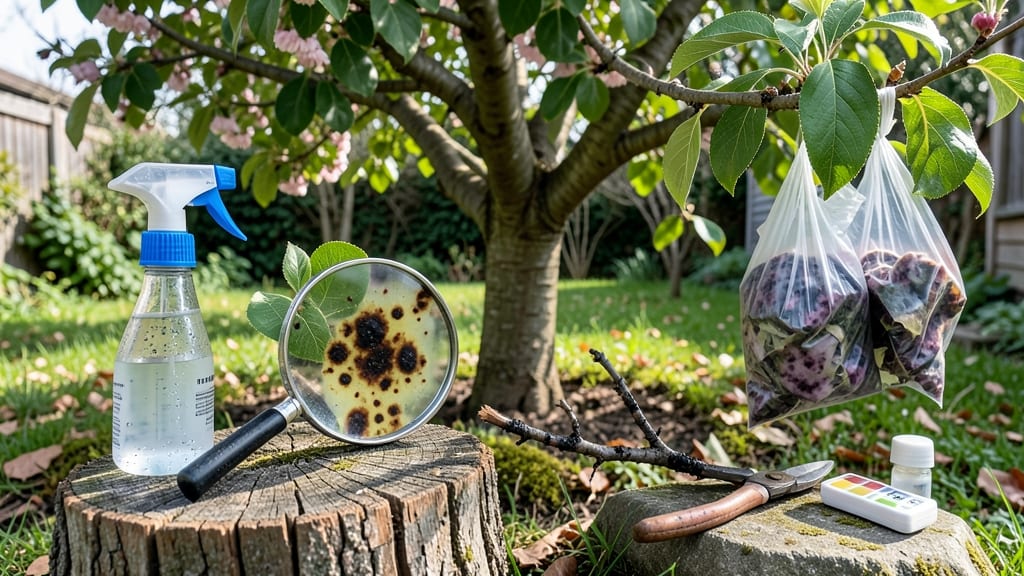
Plum tree leaf diseases turn vibrant green into sad, spotted messes faster than you can say "harvest season." 🌿 I’ve watched brown rot, leaf spot, and powdery mildew ruin entire canopies in just a few weeks—until I learned to spot the early signs and act fast.
The key is catching problems before they spread, and I’ll show you exactly how to do that with simple checks you can do in under 10 minutes.
Those ugly brown spots, white powdery coatings, or sudden yellowing aren’t just cosmetic—they’re your tree’s way of screaming for help. Brown rot starts as tiny black dots that ooze, leaf spot creates irregular brown patches with yellow halos, and powdery mildew leaves a dusty white film that chokes leaves.
Each one weakens your tree, reduces fruit quality, and can even kill branches if ignored. The good news? Most of these issues respond well to early action, whether you’re using organic sprays or targeted fungicides.
You’ll walk away knowing how to diagnose each disease by sight and texture, plus the exact treatments that work for your situation—from homemade baking soda sprays to copper-based fungicides. The best part?
Prevention is easier than you think, and I’ll share the simple seasonal habits that keep my plum trees thriving year after year. No more guessing games or wasted money on the wrong fixes.
Whether you’re dealing with a single branch or your whole orchard, this guide gives you the confidence to act fast and save your harvest. Let’s get those leaves healthy again before the damage spreads—and trust me, your future fruit will thank you.
Root Causes Behind Leaf Troubles
Plum tree leaf diseases don’t just appear out of nowhere—they’re often the result of a perfect storm of environmental, biological, and even human factors. Understanding why these issues arise is the first step toward prevention and treatment.
Below, we break down the key culprits behind plum tree leaf diseases, from fungal infections to environmental stressors, with clear explanations and actionable insights.
---
Fungal pathogens are the #1 cause of plum tree leaf diseases, thriving in moist, warm conditions. These microscopic invaders disrupt the tree’s natural defenses, leading to spots, blights, or even premature leaf drop. Here’s why they take hold:
- High Humidity & Rainfall Fungi like Monilinia (causing brown rot) and Cercospora (leaf spot) spread spores through water droplets. Rain splashes spores onto leaves, while prolonged humidity keeps them active. 💡 Pro Tip: If your area gets frequent rain or high dew, your plum tree is at higher risk.
- Poor Air Circulation Dense foliage or overcrowded trees trap moisture, creating ideal fungal breeding grounds. Fungi love stagnant air because it slows evaporation, keeping leaves damp longer.
- Weakened Tree Defenses Stress from drought, poor soil, or nutrient deficiencies makes trees more susceptible. A healthy plum tree can resist fungal attacks better, but weakened ones become easy targets.
- Old or Damaged Leaves Fungi often enter through wounds (e.g., from pruning cuts or hail) or decaying leaf tissue. ✨ Key Insight: Remove fallen leaves and debris promptly—they’re fungal hotspots!
---
Unlike fungi, bacteria multiply rapidly and can cause sudden, aggressive damage. Common bacterial diseases in plum trees include: - Bacterial Leaf Spot (Xanthomonas spp.) - Fire Blight (Erwinia amylovora)
Why do they strike? - Wet Weather & Splashing Water Bacteria hitch rides on rainwater, entering through leaf wounds or natural openings (like stomata). Overhead irrigation can also spread them.
- Contaminated Tools or Pruning Dirty pruners can transfer bacteria from infected branches to healthy ones. 🔥 Critical Step: Always sterilize tools with rubbing alcohol (70%+) before and after pruning.
- Insect Activity Sap-feeding insects (e.g., aphids, mites) can introduce bacteria into the tree’s system while feeding.
- High Nitrogen Fertilizer Use Too much nitrogen promotes lush, soft growth that’s more vulnerable to bacterial invasion.
---
Not all leaf issues come from pathogens—sometimes, environmental factors weaken your plum tree, making it prone to secondary infections. Common triggers include:
| Stressor | How It Harms Leaves | Prevention Tips | |-----------------------|--------------------------------------------------|---------------------------------------------| | Drought | Causes wilting, yellowing, and stunted growth. | Mulch deeply (2–4 inches) and water deeply 1–2x/week. | | Extreme Heat | Leads to sunburn or leaf scorch (brown edges). | Provide afternoon shade or use shade cloth. | | Cold Damage | Frost or late freezes blacken leaves. | Plant in a sheltered spot and avoid late pruning. | | Poor Soil Drainage| Roots suffocate, leading to nutrient deficiencies. | Amend soil with compost or plant on a slope. | | Air Pollution | Ozone or smog causes stippling (tiny white/yellow spots). | Avoid planting near high-traffic roads. |
🌡️ Watch For: Sudden leaf drop or discoloration after weather shifts—these are red flags for environmental stress.
--- Even well-meaning gardeners can accidentally create conditions that promote leaf diseases. Common mistakes: - Overhead Watering Wet foliage for long periods = fungal paradise. ⏰ Fix: Water at the base early in the day so leaves dry quickly.
- Ignoring Pruning Best Practices Leaving dead wood or cutting during wet weather invites infections. 🔪 Rule: Prune in dry weather with sterilized tools.
- Using Infected Mulch or Compost Old mulch or contaminated compost can harbor pathogens. 💡 Tip: Use fresh, sterile mulch and avoid wood chips from unknown sources.
- Planting Too Close Together Crowded trees reduce airflow, trapping moisture. 🌳 Solution: Space plum trees 15–20 feet apart for proper airflow.
--- Some pests don’t just feed on plum trees—they spread diseases while they dine.
Key culprits: - Aphids & Mites – Feed on sap and excrete honeydew, which fosters sooty mold. - Japanese Beetles – Skeletons leaves, weakening the tree and inviting fungal infections. - Scale Insects – Create sticky residues that trap moisture and spores.
🎯 Action Plan: Monitor for pests early and use neem oil or insecticidal soap to keep populations in check.
--- Most plum tree leaf diseases thrive when three conditions align: 1. A pathogen (fungus/bacteria) is present. 2. Favorable conditions (moisture, warmth, stress) exist. 3. A susceptible host (weak or injured tree) is available.
By addressing one or more of these factors, you can drastically reduce the risk of outbreaks. 🔥 Remember: Prevention is easier than cure—healthy trees resist diseases better!
Quick Fixes for Plum Tree Leaf Woes
Reviving your plum tree’s health starts with targeted action—whether it’s stopping fungal spread, boosting natural defenses, or adjusting care routines. Below, we map the most common plum tree leaf diseases to practical solutions, complete with prevention tips to keep your tree thriving long-term.
Think of this as your step-by-step repair manual, tailored to each problem’s root cause.
---
Fungal diseases like brown rot, powdery mildew, or anthracnose thrive in damp, crowded conditions. Act fast to prevent them from turning your tree’s leaves into a fungal buffet.
#### 🔥 Remove Infected Leaves & Branches 1. Prune aggressively: Use sterilized pruners (wipe with rubbing alcohol between cuts) to snip off all diseased leaves, twigs, and branches—even if they’re just suspiciously spotted. Drop them into a sealed bag (not the compost!).
2. Clean up debris: Rake fallen leaves and fallen fruit from under the tree. Fungi hibernate in organic matter over winter. 3. Dispose properly: Bag and trash infected material far from the tree (or burn it if local rules allow).
#### 🍳 Apply Fungicide (Organic or Chemical) - For early-stage infections: Mix 1 tbsp baking soda + 1 tsp dish soap + 1 gallon water in a spray bottle. Apply to both sides of leaves on a dry, wind-free morning.
Reapply every 7–10 days until new growth appears. - For severe cases: Use a copper fungicide (like Copper Soap) or neem oil (1% solution). Follow label instructions—usually 2–3 sprays, 10–14 days apart.
#### 🌡️ Improve Airflow & Reduce Moisture - Thin the canopy: Prune to open up the tree’s center, letting sunlight and air circulate. - Water at the base: Avoid overhead sprinkling (especially in the evening).
Use drip irrigation or soaker hoses. - Mulch wisely: Apply 2–3 inches of organic mulch (like wood chips) but keep it 6 inches away from the trunk to prevent rot.
--- Pests like aphids, scale insects, or Japanese beetles weaken leaves, making them prime targets for secondary infections. Here’s how to evict them:
#### 👨🍳 Blast Off Pests with Natural Sprays - Soapy water spray: Mix 1 tsp mild liquid soap + 1 quart water in a spray bottle. Target undersides of leaves where pests hide.
Repeat every 3–5 days for 2 weeks. - Neem oil: Mix 1 tbsp neem oil + 1 tsp soap + 1 quart water. Spray early morning or late evening (avoid direct sun).
Reapply after rain. - Horticultural oil: For scale insects, spray dormant oil (like Sunspray Oil) in late winter/early spring when pests are vulnerable.
#### 🔪 Introduce Beneficial Predators - Ladybugs and lacewings devour aphids. Buy them online or attract them with native flowering plants (like dill or marigolds). - Parasitic wasps (like Aphidius colemani) target soft-bodied pests. Release them in the early morning when they’re sluggish.
#### 🎯 Prevent Future Infestations - Inspect regularly: Check leaves weekly for sticky residue (aphid honeydew) or tiny webs (mites). - Avoid over-fertilizing: Too much nitrogen attracts pests.
Use a balanced 10-10-10 fertilizer in early spring. - Prune in dry weather: Pests love fresh cuts—prune when the tree is dry and warm (mid-morning).
--- Yellowing, curling, or stunted leaves might signal nutrient shortages—not just disease. Fix the diet to restore vigor.
#### 📊 Soil Test First - Grab a DIY soil test kit ($10–$20) or send a sample to your local Cooperative Extension Service. Plum trees often lack zinc, iron, or magnesium.
#### 💪 Apply Targeted Fertilizers | Symptom | Likely Deficiency | Solution | |---------------------------|-----------------------|------------------------------------------------------------------------------| | Yellow between veins | Iron (chlorosis) | Apply chelated iron (like Ironite) or use Epsom salt (1 tbsp/gallon water, foliar spray). | | Purple stems/leaves | Phosphorus | Work in bone meal (1 lb per 100 sq ft) in early spring. | | Small, pale leaves | Nitrogen | Use slow-release granular fertilizer (like Osmocote) in spring. | | Curling, brittle leaves | Potassium/Magnesium | Sprinkle greensand or Epsom salt around the base (follow package rates). |
#### 🥗 Boost Microbes with Compost - Mix 2–3 inches of compost into the top 6 inches of soil around the tree’s drip line (the edge of its canopy). This improves nutrient uptake and soil structure.
--- Sometimes, the "disease" is actually environmental abuse. Tweak these factors to help your tree bounce back.
#### ⏰ Water Wisely - Deep watering: Water slowly and deeply (1–2 inches per week) rather than frequent shallow sprinkles. Use a moisture meter to check soil depth. - Avoid soggy roots: Plum trees hate wet feet.
Ensure the planting site has good drainage (raise beds if needed).
#### ☀️ Shield from Extreme Conditions - Afternoon shade: If your tree is in a hot, dry climate, provide light shade (like a shade cloth) during peak sun hours (11 AM–3 PM). - Windbreaks: Plant fast-growing shrubs (like privet) on the windward side to reduce stress.
#### ✨ Preventive Sprays for Next Season - Dormant oil spray: Apply in late winter (before buds swell) to smother overwintering pests and fungal spores. - Baking soda spray: Use once in early spring as a preventative for powdery mildew.
--- - 🔥 Sterilize tools: Always clean pruners with rubbing alcohol between trees to avoid spreading disease. - 🌡️ Monitor humidity: Use a hygrometer—keep humidity below 70% to deter fungi. - 🎯 Rotate treatments: Don’t rely on the same fungicide/pesticide year after year. Rotate between neem oil, copper, and sulfur to prevent resistance. - 🍃 Plant companions: Surround your plum tree with garlic, chives, or rosemary—their scents repel pests naturally.
Frequently asked questions about plum tree leaf diseases
How can I tell if my plum tree has brown rot vs. leaf spot?
Brown rot shows as dark, sunken spots that ooze gum-like substance when wet, while leaf spot appears as irregular brown patches with yellow halos. Brown rot often affects fruit too, causing mummified plums. Check undersides of leaves—brown rot may have black fruiting bodies in spring.
Is powdery mildew harmful to my plum tree's fruit?
Powdery mildew primarily attacks leaves, creating a white, dusty coating, but it rarely damages fruit directly. However, severe infections can reduce photosynthesis, weakening the tree and potentially lowering fruit quality. Treat early with neem oil or baking soda spray to protect both leaves and future harvests.
Can I use the same fungicide for all plum tree diseases?
No—each disease needs targeted treatment. For brown rot, use copper fungicide; for powdery mildew, sulfur-based sprays work best. Bacterial issues require copper bactericides. Always rotate treatments to prevent resistance and follow label instructions for timing.
Why do my plum tree leaves turn yellow even after treating fungal diseases?
Yellowing leaves after treatment often signal nutrient deficiencies (like iron or nitrogen) or root stress from overwatering. Check soil pH—plum trees prefer 6.0–7.0. If yellowing persists, test for deficiencies and apply chelated iron or balanced fertilizer (like 10-10-10) in spring.
How often should I inspect my plum tree for diseases?
Check your tree weekly during growing season (spring–fall), focusing on new growth and undersides of leaves. Early detection is key—spot brown rot or leaf spot when 10% of leaves are affected, not 50%. Use a 10x magnifying glass for close-ups of suspicious spots.