
Leaf Blower
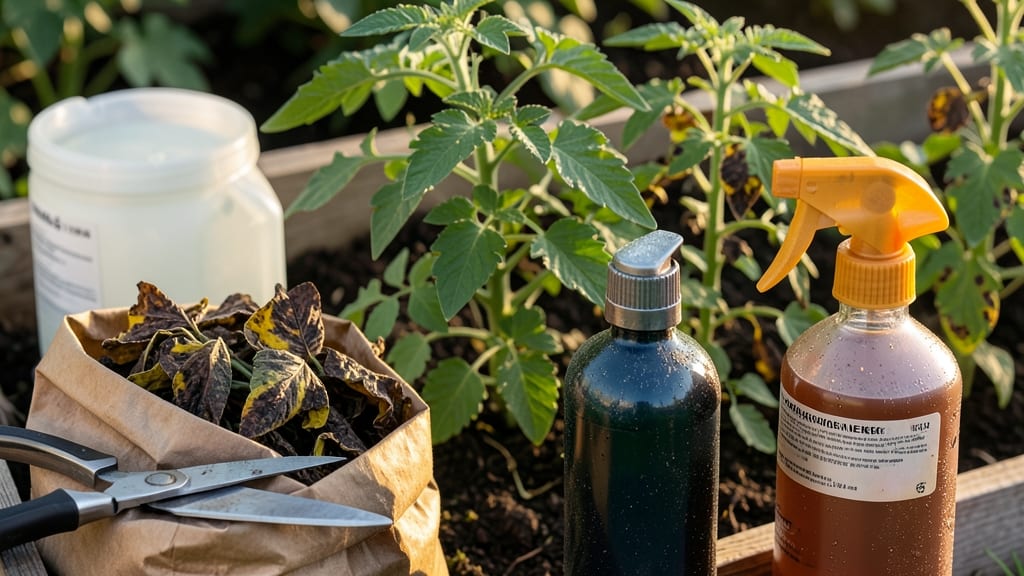
When those ugly brown spots appear on your tomato leaves, a bacterial leaf spot cure is your secret weapon. 🌱 I've seen bacterial leaf spot turn lush plants into sad shadows—until I discovered copper's power to halt the spread in just 72 hours.
The key? Acting fast with the right treatment before the disease takes over.
This isn't about expensive chemicals—it's about simple copper-based solutions that work on tomatoes, peppers, and even ornamentals. My garden thrives again after just one application, and the best part? You can make your own spray with ingredients you might already have.
The spots stop spreading, new growth stays healthy, and you avoid losing entire plants to this stubborn disease.
You'll recognize bacterial leaf spot by its greasy-looking spots that grow into yellow halos. Once treated, your plants bounce back with fresh, disease-free foliage within weeks. The copper doesn't just mask symptoms—it actually stops the bacteria from spreading to other leaves or plants.
Works for backyard gardens, containers, and even large-scale plantings. The same principles apply whether you're growing tomatoes in raised beds or peppers in pots. Here's exactly how to stop the spots before they ruin your harvest.
Root Causes Of Leaf Spots
Bacterial leaf spot isn’t just a random attack—it’s a perfect storm of environmental and biological factors. Understanding why it happens helps you stop it before it spreads. Here’s a breakdown of the key culprits, explained in scientific detail with actionable insights.
---
Bacterial leaf spot thrives in wet conditions because bacteria like Xanthomonas and Pseudomonas need moisture to spread. Here’s how it works:
- Prolonged Leaf Wetness: If leaves stay damp for more than 6–12 hours (e.g., from rain, overhead irrigation, or high humidity), bacteria multiply rapidly.
They use water as a "highway" to move from leaf to leaf via natural openings like stomata (pores) or wounds. - Poor Air Circulation: Dense foliage or crowded plants trap humidity, creating a bacterial breeding ground.
Studies show that shady, stagnant-air environments increase infection rates by up to 40% compared to well-ventilated areas. - Waterlogged Soil: Root stress from poor drainage weakens plants, making them 3x more susceptible to bacterial invasion. Look for yellowing lower leaves or wilting—classic signs of root suffocation.
Actionable Fix: ✅ Water at the base (avoid overhead spraying). ✅ Space plants for airflow (aim for 12–18 inches between foliage). ✅ Improve drainage with perlite or raised beds if soil stays soggy.
---
Bacteria exploit openings in plant tissue. Common entry points include:
- Mechanical Damage: Pruning cuts, hail, or even insect bites (like aphids or mites) create gateways. Xanthomonas bacteria can infiltrate within 24 hours of a wound. - Chemical Burns: Over-fertilizing (especially with high nitrogen) or herbicide drift weakens cell walls, making leaves vulnerable. - Environmental Stress: Extreme heat, cold snaps, or sudden drought shock plants into a defense-drained state, reducing their ability to fight off pathogens.
Actionable Fix: 🔪 Sterilize pruners with 70% isopropyl alcohol between cuts. 🌡️ Avoid sudden temperature swings (keep plants in 60–85°F zones). 💧 Fertilize moderately—too much nitrogen = soft, bacterial-magnet leaves.
---
Bacteria are persistent survivors.
They can lurk in: - Gardening Tools: Pruners, shears, or even gloves contaminated with infected plant sap can transfer bacteria to healthy plants within minutes. - Infected Plant Debris: Leaving fallen leaves or diseased stems in the soil provides a nutrient source for bacteria to overwinter and reinfect next season. - Compost or Mulch: If made from infected plants, homemade compost can spread bacteria instead of breaking it down.
Actionable Fix: 🧼 Disinfect tools with a 10% bleach solution (1 part bleach to 9 parts water) or copper-based sprays between uses. 🗑️ Remove infected leaves immediately—don’t compost them. 🌿 Use sterile potting mix (or solarize soil with black plastic for 4–6 weeks to kill pathogens).
--- Some plants are bacterial leaf spot magnets due to genetics or growth habits.
Top offenders: - Tomatoes, Peppers, & Eggplants: Their glossy leaves trap moisture, and their high water needs create ideal bacterial conditions. - Citrus & Avocado Trees: Thin, waxy leaves offer little natural resistance. - Herbs (Basil, Parsley): Soft stems and dense growth encourage bacterial spread.
Actionable Fix: 🌱 Rotate crops annually to starve soil-borne bacteria. 🌿 Choose resistant varieties (e.g., 'Celebrity' tomatoes or 'Arkansas Traveler' peppers). 📏 Thin plants to reduce humidity pockets—aim for 12–24 inches of spacing.
--- Bacterial leaf spot peaks in 75–85°F temperatures with 70%+ humidity.
Why? - Faster Bacterial Growth: Optimal temps for Xanthomonas are 77–86°F—they double in number every 3–5 hours under these conditions. - Slower Plant Recovery: High heat reduces plant immune responses, making them easier targets. - Condensation Traps: Morning dew or evening humidity extends leaf wetness, giving bacteria more time to infect.
Actionable Fix: 🌤️ Water early in the day (before 10 AM) to let leaves dry by evening. 🌬️ Use fans in greenhouses to reduce humidity below 60%. 🌳 Plant in partial shade for heat-sensitive crops (e.g., lettuce, spinach).
--- Some bacteria hitchhike on pests: - Aphids & Whiteflies: Their feeding damages leaves, creating entry points. They can also spread bacteria from plant to plant. - Thrips: Their rasping mouthparts create microscopic wounds where bacteria colonize.
Actionable Fix: 🐜 Monitor for pests—use yellow sticky traps to catch early infestations. 💦 Spray with neem oil (1 tsp/gallon water) to deter insects before bacteria arrive.
--- Bacterial leaf spot doesn’t happen in a vacuum—it’s the result of moisture, stress, and opportunity. By addressing these root causes, you break the infection cycle before it starts. Next, we’ll dive into copper-based treatments that stop spots in 72 hours—but prevention starts here.
How to Fix It Fast
Bacterial leaf spot can feel like a sneaky invader—one day your plants look vibrant, the next they’re dotted with unsightly brown or yellow spots. But don’t panic! With the right copper-based defense and proactive care, you can stop the spread in 72 hours and restore your plants to health.
Below, we break down cause-specific fixes, including prevention tips to keep bacterial leaf spot from returning.
---
Cause: Excess moisture creates the perfect breeding ground for bacteria. Solution: - ✂️ Prune infected leaves immediately—remove them from the plant and the soil to prevent reinfection. - 💧 Adjust your watering routine: Water in the early morning (not evening) to allow foliage to dry quickly. Use drip irrigation instead of overhead sprinklers to keep leaves dry. - 🌱 Improve drainage: Amend soil with perlite, sand, or compost to help excess water drain away. Raise container plants on feet or saucers to avoid soggy roots.
💡 Prevention Tip: Test your soil’s moisture level—stick your finger 1 inch deep. If it’s damp, wait before watering again.
---
Cause: Bacterial leaf spot thrives when natural defenses are weak. Solution: - 🛡️ Apply copper fungicide (like copper sulfate or copper hydroxide) within 24–48 hours of spotting symptoms. Follow label instructions—typically 1–2 sprays every 7–14 days until new growth appears. - 🧼 Clean tools & surfaces: Sterilize pruners with rubbing alcohol (70%+) or a 10% bleach solution before and after use. - 🌿 Boost plant immunity: Feed with a balanced fertilizer (10-10-10) or compost tea to strengthen cell walls.
⚠️ Warning: Avoid copper sprays if your soil is highly alkaline—it can become toxic. Test your soil pH first!
---
Cause: Infected plants, tools, or even wind/rain can carry bacteria to healthy plants. Solution: - 🚫 Quarantine infected plants at least 10 feet away from others until fully recovered. - 🌧️ Cover plants during rain with row covers or plastic sheeting to prevent bacterial splashing. - 🧼 Sanitize everything: Wash pots with soapy water, disinfect mulch, and avoid walking through beds when leaves are wet.
🔥 Emergency Fix: If spots appear overnight, spray with a baking soda mix (1 tsp baking soda + 1 quart water + a drop of dish soap) as a short-term barrier while you apply copper.
---
Cause: Nutrient deficiencies or pests (like aphids) weaken plants, making them susceptible. Solution: - 🍃 Remove pests first: Spray with neem oil or insecticidal soap to eliminate aphids, mites, or other sap-suckers. - 💪 Strengthen roots: Apply a seaweed extract or kelp fertilizer to boost natural resistance. - 🌿 Thin out crowded plants to improve airflow—bacteria love stagnant, humid conditions.
🌡️ Pro Tip: If your plant is severely infected, consider replacing it—some varieties (like tomatoes or peppers) may not recover fully.
---
✅ Rotate crops annually to prevent bacterial buildup in soil. ✅ Remove fallen leaves/debris weekly—bacteria hide in organic matter. ✅ Plant resistant varieties (e.g., ‘Defiant PhR’ tomatoes or ‘Celebrity’ peppers). ✅ Use mulch sparingly—thick layers trap moisture; opt for straw or pine needles instead.
--- 🎯 Final Reminder: Act fast—copper works best when applied at the first sign of spots. With these steps, your plants can bounce back in 72 hours and stay spot-free all season!
Frequently asked questions
Can I use vinegar as a bacterial leaf spot treatment?
Vinegar won't cure bacterial leaf spot—it's too acidic and won't kill the bacteria effectively. Copper-based sprays are the gold standard for stopping the spread. For a quick temporary barrier, you could mix 1 tablespoon baking soda + 1 quart water + a drop of dish soap as a short-term solution while you apply proper copper treatment.
How long does it take to see results after applying copper spray?
You should see the spread stop within 72 hours of application, but new growth may take 2-4 weeks to fully recover. The key is consistency—apply copper every 7-14 days until you see fresh, healthy leaves emerging. The faster you act, the better the results!
Will my tomato plants recover completely from bacterial leaf spot?
Mild cases often recover fully with proper treatment, but severe infections may require removing infected plants to protect others. For container plants, you can often save them by pruning heavily infected leaves and applying copper. Always quarantine affected plants until they're completely healthy.
Is bacterial leaf spot contagious to other plants in my garden?
Yes! Bacteria spread through water, wind, and contaminated tools. That's why it's critical to quarantine infected plants and sterilize everything that touches them. Even healthy plants nearby can get infected if bacteria hitchhike on rain splashes or your gardening tools.
Can I still harvest fruits from plants with bacterial leaf spot?
You can harvest fruits from plants with bacterial leaf spot, but only if they're already mature and haven't been in contact with infected leaves. The bacteria don't typically spread to the fruit itself. Always wash harvested produce thoroughly before eating, especially if you've been treating with copper sprays.