
Flowers
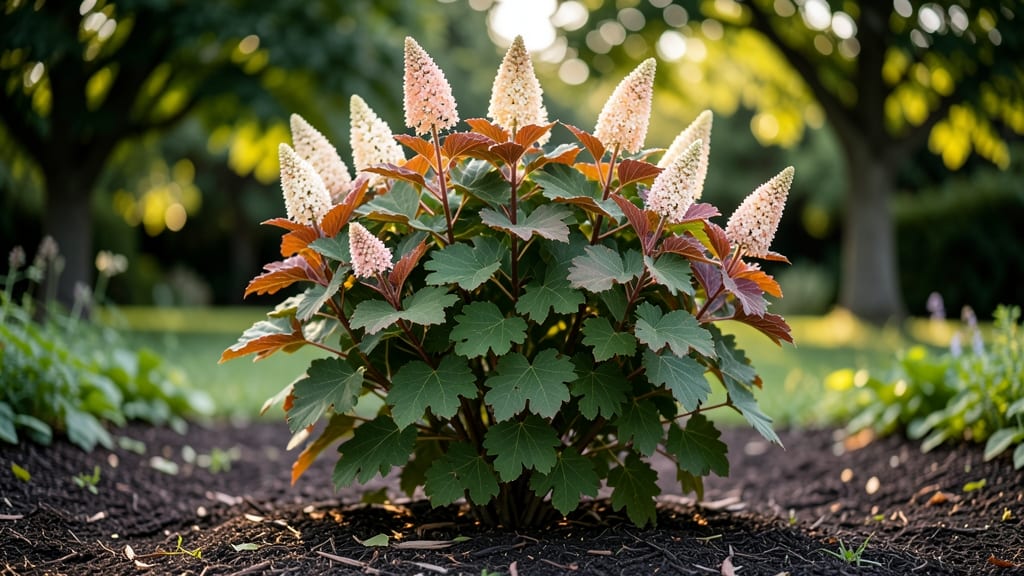
Fall transforms oak leaf hydrangeas into fiery masterpieces—crimson and gold leaves that steal the show when everything else fades. 🌿 I’ve watched mine go from deep green to smoldering red over just three weeks, and the secret to keeping them vibrant through winter starts now.
The key? Timing your pruning, protecting tender stems, and letting the foliage do its dramatic work.
You’ll need sharp pruners, a light layer of mulch, and a little patience. Prune now—after the leaves turn but before hard frost—to shape the plant while removing dead or crossing branches.
Mulch the base with 2–3 inches of shredded bark to insulate roots, and avoid heavy pruning until spring. The goal is to preserve next year’s blooms hidden in those striking leaves.
By winter, your hydrangea will stand bold against snow, its skeletal branches holding onto dried leaves like autumn’s last embrace. With proper prep, it’ll bounce back stronger in spring, producing even more dramatic foliage. The payoff? A garden that feels alive even when everything else is dormant.
Works in zones 5–9, whether planted in full sun or partial shade. Just skip the heavy winter pruning—those crimson leaves are nature’s fireworks, and they’re worth the wait.
📚 In This Guide
- What you need
- Instructions
- Tips and common mistakes
- Wrapping up and next steps
What you need
- ● Oak leaf hydrangea plants – Choose 3-5 mature plants (3-5 ft tall) for a full, lush look. Opt for Hydrangea quercifolia varieties like 'Snow Queen' or 'Pee Wee' for vibrant fall color.
- ● High-quality garden soil – 5-10 bags (20 lbs each) of organic, well-draining potting mix or amended native soil (pH 5.0–6.0 for best results).
- ● Compost or aged manure – 2-3 bags (40 lbs each) to enrich the soil and promote healthy growth.
- ● Slow-release fertilizer – 1 bag of 10-10-10 or 5-10-5 (follow label instructions for application rates).
- ● Mulch (pine bark or shredded leaves) – 10-15 cubic feet to retain moisture and protect roots in fall/winter.
- ● Garden shovel or spade – For digging holes (18–24 inches wide/deep).
- ● Garden trowel – For precision planting and amending soil.
- ● Pruning shears – Bypass pruners (sharp and clean) for shaping and deadheading.
- ● Garden gloves – A pair of durable, breathable gloves (e.g., leather or nitrile-coated).
- ● Watering can or hose with nozzle – For gentle, deep watering.
- ● Measuring tape – To ensure proper spacing (5–6 feet apart for mature plants).
- ● Soil pH test kit – To check and adjust acidity if needed (aim for 5.0–6.0).
- ● Epsom salt (magnesium sulfate) – 1–2 lbs to boost green foliage and vibrant fall colors.
- ● Plant stakes or cages – For support if your hydrangeas grow tall (6+ ft).
- ● Organic fungicide – 1 bottle (e.g., neem oil or copper fungicide) to prevent powdery mildew.
- ● Decorative stones or edging – To define planting areas and add a polished touch.
How to care for oak leaf hydrangeas in fall for stunning crimson and gold foliage
Fall is the season oak leaf hydrangeas truly shine—here’s how to nurture them for that breathtaking color transformation.
🌿 Step 1: Prune Strategically for Next Year’s Growth
Prune your oak leaf hydrangea in late winter or early spring, but if you missed that window, focus on fall cleanup now. Remove any dead, diseased, or crossing branches with clean, sharp pruners—this prevents pests and improves airflow. I like to step back and visualize the plant’s shape, cutting back only what disrupts that natural, rounded form.
Leave the current season’s growth intact—those stems hold next year’s blooms and foliage. Oak leaf hydrangeas bloom on old wood, so avoid heavy pruning now. Just tidy up the edges, and you’ll reward yourself with bolder crimson and gold hues come fall.
☀️ Step 2: Adjust Watering as Temperatures Drop
Hydrangeas need consistent moisture but hate soggy roots. In fall, water deeply once a week if rainfall is light, checking that the top 3-4 inches of soil feel damp (not waterlogged). I use my finger to test—if it’s dry, it’s time to water. Reduce frequency as temperatures drop below 50°F, but don’t let the soil dry out completely.
Mulch around the base with 2-3 inches of organic mulch (like shredded bark) to insulate roots and retain moisture. Keep mulch 6 inches away from the stem to prevent rot. This simple step keeps roots warm through chilly nights and sets up vibrant fall color.
✂️ Step 3: Feed for Fall Foliage Intensity
Apply a balanced, slow-release fertilizer (like 10-10-10) in early fall to fuel the color transformation. I scatter granules around the drip line (the edge of the plant’s canopy) and water them in. Avoid high-nitrogen fertilizers now—they promote leafy growth over bold fall hues.
Watch for yellowing leaves—this could signal over-fertilizing. If you see it, flush the soil with water to leach excess nutrients. Oak leaf hydrangeas thrive on moderation; a little extra care now ensures richer crimson and gold when leaves change.
🪴 Step 4: Protect from Early Frost and Wind
Oak leaf hydrangeas are hardy, but early frost can damage tender new growth. Monitor forecasts and cover young plants with frost cloth if temperatures dip below 28°F. Secure the cloth loosely—tight fabric can smother stems. I stake it slightly above the plant to allow airflow.
Wind can also stress foliage, causing brown edges before color peaks. If your garden is exposed, consider temporary windbreaks (like a lattice screen) until leaves harden off. A little protection now means brighter, healthier foliage when fall arrives.
⏰ Step 5: Plan for Winter Dormancy
Once leaves turn fully crimson or gold, stop fertilizing—the plant is entering dormancy. Prune off any frost-damaged stems in late winter, but leave the rest until spring. Hydrangeas store energy in their roots, so avoid disturbing them now.
I mark my calendar to prune in late February, just before buds swell. This timing ensures I don’t cut off next year’s blooms. With proper care now, your oak leaf hydrangea will reward you with show-stopping fall color year after year.
Tips & tricks for perfect oak leaf hydrangea fall care
Here's what nobody tells you about maximizing those fiery fall colors—these are the secrets I've learned after years of watching oak leaf hydrangeas transform.
Pruning Precision: When doing your fall cleanup in Step 1, focus on removing only the truly dead or crossing branches. I've seen gardeners accidentally cut back too much current growth, which holds next year's blooms. Think of it like giving your plant a haircut—just tidy up the edges, not a buzz cut! The key is to maintain that natural, rounded shape while preserving the stems that will produce next year's stunning foliage.
Watering Wisdom: The once-a-week deep watering in Step 2 works best when you check soil moisture at the right depth. Stick your finger into the soil about 3-4 inches deep—if it feels dry, that's your cue. I've ruined fall color before by either underwatering (which stresses the plant) or overwatering (which leads to root rot). The goal is consistently damp soil, not soggy. And remember, as temperatures drop below 50°F, you can reduce frequency slightly but never let it dry out completely.
Fertilizer Timing: That early fall feeding in Step 3 is crucial, but timing matters just as much as the type. I apply my balanced 10-10-10 fertilizer around mid-September when I notice the first hints of color change. This gives the plant enough time to process the nutrients before dormancy sets in. The secret is moderation—too much fertilizer now can actually dull those vibrant fall colors we're all chasing. If you see yellowing leaves, that's your plant's way of saying "enough!"
Frost Protection: The 28°F threshold in Step 4 is where things get critical for young plants. I've learned to monitor forecasts religiously and have frost cloth ready to go. The trick is securing it loosely—tight fabric can smother stems and do more harm than good. I stake it slightly above the plant to allow airflow while still providing protection. For wind protection, I've found that temporary lattice screens work wonders in exposed gardens, creating that perfect microclimate for color development.
Pro Tips for Oak Leaf Hydrangea Fall
- Here's what nobody tells you about maximizing those fiery fall colors—these are the secrets I've learned after years of watching oak leaf hydrangeas transform.
- Pruning Precision: When doing your fall cleanup in Step 1, focus on removing only the truly dead or crossing branches.
- Watering Wisdom: The once-a-week deep watering in Step 2 works best when you check soil moisture at the right depth.
Frequently asked questions
Got questions about how to make your oak leaf hydrangea shine this fall? You’re not alone! Here are some of the most common queries—plus expert answers to help you nail that fiery crimson and golden display.
When does oak leaf hydrangea turn color in fall?
Timing depends on your climate, but most oak leaf hydrangeas start their spectacular color transformation in late September to early October. Cooler nights and shorter days trigger the shift from green to fiery reds, oranges, and purples. In warmer zones (like Zones 7-9), the show might peak earlier—sometimes as early as August!
Why isn’t my oak leaf hydrangea changing color this fall?
If your plant is stubbornly staying green, check these culprits:
- Too much shade: These hydrangeas need 6+ hours of sunlight for vibrant fall colors.
- Over-fertilizing: Excess nitrogen keeps leaves green. Skip fertilizer after mid-summer.
- Stress or disease: Yellowing or wilting leaves? Prune dead growth and ensure proper watering (1–1.5 inches per week).
Can I prune oak leaf hydrangea in fall for better color next year?
Not quite! Prune only after the plant dies back in late winter or early spring (before new growth emerges). Fall pruning can remove next year’s flower buds. However, you can tidy up dead or damaged stems now—just avoid cutting into live tissue. Save the heavy pruning for February or March!
Are there any alternatives to oak leaf hydrangea for fall color?
If oak leaf hydrangeas aren’t your style, try these fall foliage stars:
- Smoke bush (Cotinus): Explosive pink/purple plumes and fiery leaves.
- Japanese maple (Acer palmatum): Delicate lace-like leaves in red, orange, or yellow.
- Sumac (Rhus): Bright red clusters that last months.
- Viburnum (Viburnum dentatum): Compact shrubs with deep burgundy foliage.
Do I need to protect oak leaf hydrangea from winter frost?
These hardy shrubs (Zones 4–9) usually handle winter fine, but young plants or severe cold (below 0°F) might need help. Mulch the base with 2–3 inches of shredded bark or leaves after the ground freezes. Avoid wrapping—hydrangeas breathe! If your area gets extreme wind chill, a burlap wrap can shield stems.
Wrapping up and next steps
Watching your oak leaf hydrangea transform into a fiery crimson and gold masterpiece this fall is a reward worth celebrating! 🌿✨ These hardy plants bring drama to your garden with minimal fuss—just the right soil, sunlight, and a little seasonal care.
Whether you’re a seasoned gardener or a newbie, this bold foliage is your ticket to effortless autumn beauty.
Ready to level up your landscape? Start by snapping a photo of your hydrangea’s fall glow and share it with fellow plant lovers—or plan your next seasonal swap! 🌺🍂 Your garden’s autumn show is just a few weeks away—get excited!