
Pruning
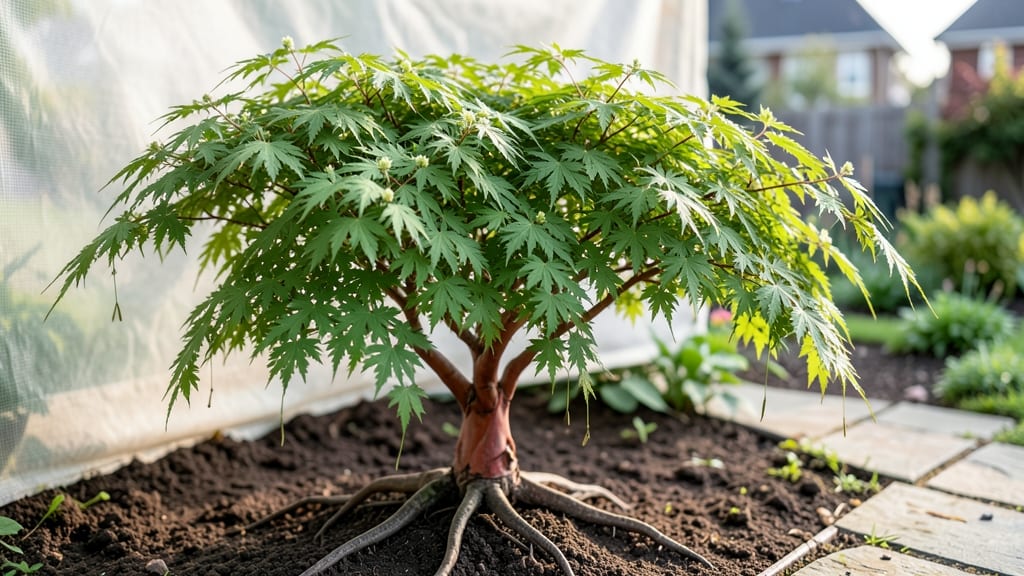
Your lace leaf Japanese maple’s delicate branches hold the secret to those stunning, almost translucent leaves—handle them wrong, and you risk snapping the very thing that makes this tree special. ✨ I’ve pruned mine for years, and the difference between a healthy, vibrant specimen and a stressed, leggy one comes down to timing, technique, and respect for its slow growth.
The key is pruning during late winter or early spring, before new growth starts, when the tree is still dormant but not yet pushing energy into leaves. Avoid heavy cuts—this isn’t a fast-growing shrub, and each branch takes years to mature.
Instead, focus on shaping by removing only the dead, crossing, or overly crowded branches, using sharp, clean shears to prevent tearing. What you’ll end up with is a tree that looks like it belongs in a botanical garden, with a natural, airy canopy that lets light filter through.
The foliage stays lush and vibrant, and the structure remains strong enough to handle winter winds. Even in containers, this approach keeps it thriving for decades. For harsh climates, a thick layer of mulch and winter wrap protects the delicate branches from freeze-thaw cycles.
And remember: patience is the real pruning tool here—this tree rewards slow, thoughtful care with breathtaking beauty every season.
📚 In This Guide
- What you need
- Instructions
- Tips and common mistakes
- Wrapping up and next steps
What you need
- ● Pruning shears: Bypass pruners (sharp, clean, and sterilized with rubbing alcohol) for cuts under ¼ inch thick.
- ● Loppers: For branches ¼ to 1½ inches thick (look for bypass-style to avoid crushing delicate wood).
- ● Hand pruners: Anvil-style (for thicker branches up to 2 inches) if needed.
- ● Garden gloves: Lightweight, cut-resistant gloves to protect hands from thorns and sap.
- ● Disinfectant: 70% isopropyl alcohol or a pruning sealant (like Tanglefoot) to prevent disease spread.
- ● Heavy-duty trash bags: For collecting debris (lace leaf maples shed ornamental leaves—save them for crafts!).
- ● Step stool or ladder: Sturdy and non-slip (3–4 ft height for most mature trees).
- ○ Twine or zip ties: To secure branches during pruning (optional but helpful for large cuts).
- ● Pruning saw: For stubborn, thicker branches (rare in lace leaf maples but useful for older trees).
- ● Plant wound dressing: Like Tree Seal T3 (controversial but some swear by it for large cuts).
- ● Notebook & pen: To sketch a pruning map of cuts before you start.
- ● Mulch: Shredded bark or pine needles to protect roots post-pruning.
- ● Camera: Snap photos of your tree before pruning for reference!
Step-by-step pruning guide for lace leaf Japanese maple
Here’s how I keep my lace leaf maples thriving—without damaging those stunning delicate branches.
✂️ Step 1: Prune at the Right Time
Wait until late winter or early spring, just before new growth begins. This is when the tree is dormant but about to wake up—perfect timing for shaping without stressing it. Avoid pruning in fall or summer, as late cuts can invite disease or sap bleeding. If you must prune in summer, do it early and keep cuts small.
Look for 3-5 buds along branches—this is your natural guide. Each bud will grow into a new stem, so pruning just above a bud ensures clean growth. Use sharp, clean pruners to make cuts at a 45-degree angle, about ¼ inch above the bud. This prevents water from pooling and rotting the branch.
🌿 Step 2: Remove Dead, Damaged, or Crossing Branches
Start by inspecting the tree for branches that are dead, broken, or rubbing against others. Dead branches snap easily when bent—if a branch snaps, it’s time to remove it. Crossing branches compete for sunlight and can create weak points where bark tears. Cut these back to the nearest outward-facing bud to encourage healthy growth.
For thicker branches, make your first cut about 6-12 inches from the trunk, then follow through with a second cut just outside the branch collar. This prevents tearing and promotes faster healing. If a branch is larger than ½ inch thick, consider using a saw for cleaner cuts.
⏰ Step 3: Thin Out for Airflow and Light
Lace leaf Japanese maples need good airflow to prevent fungal issues like powdery mildew. Aim to thin the canopy by removing 20-30% of the smallest branches
Watch for branches that grow straight up or down—they can create a “ladder” effect that weakens the tree. Instead, prune to encourage a more open, rounded shape. After thinning, step back and visualize the tree from all sides. You’ll see where light and air can now flow freely through the canopy. Now’s the time to refine the tree’s form. Lace leaf maples benefit from a slightly rounded, natural silhouette. Prune to maintain a balanced look, avoiding heavy cuts on one side. If the tree leans, prune slightly more on the heavier side to encourage upright growth. For young trees, you can be more aggressive with shaping, but mature trees respond better to subtle adjustments. Pay special attention to the lower branches. If they’re too dense, they can block sunlight from reaching the trunk, leading to moisture issues. Thin these out first, then move upward. After pruning, wipe your tools with rubbing alcohol to prevent spreading disease between cuts. Water the tree deeply after pruning to help it recover, especially if you’ve made larger cuts. Mulch around the base with 2-3 inches of organic mulch, keeping it a few inches away from the trunk to prevent rot. Avoid fertilizing immediately after pruning—wait until new growth appears in spring to give the tree time to heal. Keep an eye on the pruned areas over the next few weeks. Healthy cuts should seal over quickly, turning into smooth, calloused tissue. If you notice oozing sap or discolored leaves near pruning sites, it could signal stress or disease. In that case, treat with a fungicide and monitor closely.🌱 Step 4: Shape for Balance and Health
💧 Step 5: Post-Pruning Care
Tips & tricks for pruning lace leaf Japanese maple trees
These simple tips will help you prune your delicate lace leaf maple with confidence—and keep it thriving for years.
Timing is Everything: Late winter or early spring is the absolute best time to prune, when your tree is just waking up from dormancy. This timing lets you shape the tree without triggering stress responses. I've seen maples recover beautifully when pruned at this stage, but if you must prune in summer, do it early in the morning when temperatures are cooler and keep cuts minimal to prevent sap bleeding.
Bud Identification: Look for those 3-5 buds along branches—they're your roadmap to clean cuts. Each bud will grow into a new stem, so always prune just above a bud at a 45-degree angle, about ¼ inch above it. This technique prevents water pooling and ensures healthy regrowth. I've learned this the hard way after seeing branches rot from improper cuts!
Tool Maintenance: Your pruners are just as important as your technique. Always use sharp, clean tools to make precise cuts that heal faster. Wipe them down with rubbing alcohol between cuts to prevent spreading disease. I keep a small bottle of alcohol in my pruning kit specifically for this purpose—it's a game-changer for keeping your tools ready for the next cut.
Pro Tips for Lace Leaf Japanese Maple
- These simple tips will help you prune your delicate lace leaf maple with confidence—and keep it thriving for years.
- Timing is Everything: Late winter or early spring is the absolute best time to prune, when your tree is just waking u...
- Bud Identification: Look for those 3-5 buds along branches—they're your roadmap to clean cuts. Each bud will grow int...
Frequently asked questions
Got questions about your lace leaf Japanese maple? You’re not alone! These stunning trees require gentle care, and knowing the right answers can make all the difference. Here are some of the most common questions—and their solutions—to keep your maple thriving.
When is the best time to prune my lace leaf Japanese maple?
The ideal time to prune is late winter or early spring (before buds swell) or summer after flowering. Avoid pruning in fall or winter when the tree is dormant, as it can stress the delicate branches. For minor shaping, summer pruning is safest—just avoid heavy cuts during heatwaves!
How do I prune without damaging the delicate lace leaf foliage?
Use sharp, clean pruners and make cuts just above a bud or branch collar (never leave stubs). For thin branches, hand-pruning shears work best. Never prune more than 25% of the canopy at once, and avoid heavy topping—this tree’s beauty lies in its natural, airy form. Wipe tools with rubbing alcohol between cuts to prevent disease.
Can I prune my lace leaf Japanese maple in full sun?
While lace leaf maples tolerate partial shade, pruning in direct sun is riskier because it stresses the tree faster. If you must prune in full sun, do it early morning or late afternoon and water deeply before and after. Mulch around the base to retain moisture, and avoid pruning during heatwaves (above 85°F/30°C).
What if my lace leaf Japanese maple isn’t leafing out after pruning?
Don’t panic! If the tree loses leaves post-pruning, it’s often due to shock from heavy cuts or improper timing. Ensure you’re not pruning too late in the season (fall/winter). Check for pests (like spider mites) or disease (e.g., verticillium wilt), and water consistently. If buds still don’t appear by early spring, consult a local arborist—your tree may need extra care.
Are there alternatives to pruning if my lace leaf Japanese maple has dead branches?
Yes! If branches are small (<1/4 inch thick), you can gently rub them between your fingers to test for dryness (they’ll snap if dead). For larger deadwood, prune as usual—but if the tree is otherwise healthy, leave minor dead branches (they won’t harm it). If the issue persists, consider cultural fixes like improving drainage or adjusting sunlight exposure.
Wrapping up and next steps
The lace leaf Japanese maple is a stunning addition to any garden, and with the right care—especially pruning—you can keep its delicate branches thriving for years. Remember, timing, sharp tools, and gentle hands are key to preserving its unique beauty while encouraging healthy growth.
Now that you’re armed with the knowledge, why not grab those shears and give your tree a little TLC? 🌿✂️
Next steps:
- Schedule your first pruning session this spring or early summer.
- Monitor your tree’s health year-round and adjust care as needed.
- Share your progress (or questions!) with fellow plant lovers—community tips can make all the difference! 🌟