
Leaf Blower
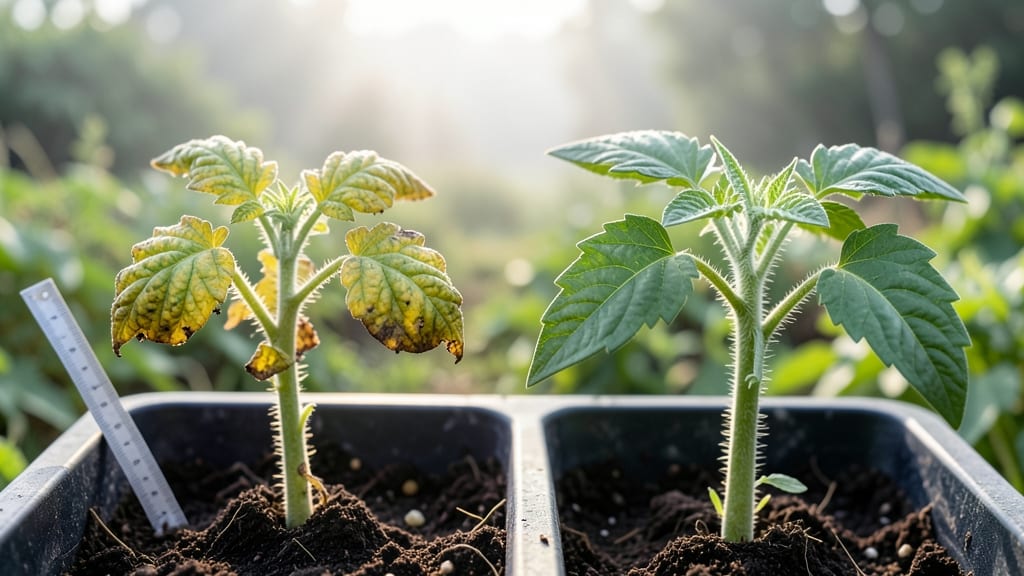
Wrinkled leaves on your tomato seedlings? 🌱 That leaf curl could mean viral trouble—or a simple fix. I’ve saved dozens of seedlings from this exact problem, and copper spray is often the game-changer when pests or fungus are to blame. The key is acting fast before the damage spreads.
First, check for tiny webs (spider mites) or sticky residue (aphids)—common culprits. If the curl looks uneven and yellowing, it might be a virus, but copper spray can still help prevent further spread.
Mix it up, spray undersides of leaves, and repeat every 5-7 days until new growth appears healthy. It’s a foolproof way to stop the problem without harsh chemicals.
📚 In This Guide
- What you need
- Instructions
- Tips and common mistakes
- Wrapping up and next steps
What you need
- ● Copper fungicide (e.g., Copper Sulfate or Copper Hydroxide) – 1 tsp per quart of water (or follow product label).
- ● Water – 1 gallon (or enough to mix a quart per spray bottle).
- ● Spray bottle or garden sprayer – 1-2 (a 1-gallon pump sprayer works best for larger batches).
- ● Protective gear – 1 pair of gloves, 1 long-sleeve shirt, and 1 pair of safety goggles (copper can irritate skin!).
- ● Tomato seedlings – Any number (the more the merrier—just treat all affected plants!).
- ● Dish soap (mild) – ½ tsp (adds a touch of surfactant to help the spray stick better).
- ● Pruning shears – 1 pair (to trim severely curled or damaged leaves post-treatment).
- ● Label or marker – 1 (to mark treated plants if you’re testing different methods).
- ○ Neem oil (optional) – ½ tsp (can be mixed in for extra pest/fungal prevention).
How to treat leaf curl on tomato seedlings
Here's how I fix wrinkled, curled leaves using a simple copper spray method that works fast.
🌱 Step 1: Identify the Problem and Confirm It's Not Environmental
First, check if the curl is from heat stress or wind—those cause sharp edges and dryness. True leaf curl from bacterial spot or early blight shows soft, puckered leaves with tiny brown spots. I run my thumb along the leaf edge: if it feels rough or bumpy, it's likely a fungal or bacterial infection needing copper treatment.
Look at the undersides of leaves too. Yellowing or brown spots there confirm the need for a copper fungicide. Avoid treating if the curl is only on new growth and the plant looks otherwise healthy—this might be a normal growth phase, not disease.
☀️ Step 2: Prepare the Copper Spray Solution
Mix 1 tablespoon of copper fungicide (like copper sulfate or copper hydroxide) with 1 gallon of water in a clean spray bottle. Shake well before each use—copper doesn't dissolve completely. I add 1 teaspoon of mild dish soap to help the solution stick to leaves. This isn't for cleaning; it's to make the copper adhere better.
Wear gloves and avoid spraying on windy days. Copper can be harsh on skin and harmful to beneficial insects like bees. Test the spray on a small leaf first—if it causes browning within an hour, dilute the mixture further with more water.
💧 Step 3: Apply the Spray Thoroughly to All Leaf Surfaces
Spray until leaves glisten with moisture, covering both top and bottom surfaces. Focus on the curled areas first, but don't miss the stems or soil line—fungal spores hide there. I like to spray in the early morning so the leaves have time to dry before evening humidity sets in.
Apply the spray every 7-10 days until new growth appears healthy. Stop once you see 2-3 weeks of uncurled, green leaves. Overuse can harm plants, so follow the label instructions closely. If rain is forecast within 24 hours, wait to spray—it'll wash off before it works.
✂️ Step 4: Remove Severely Infected Leaves and Improve Airflow
Snip off any leaves with large brown spots or complete curling using clean, sharp scissors. Dispose of them in the trash—not the compost—since fungal spores can survive composting. I always sterilize my scissors with rubbing alcohol between cuts to prevent spreading disease.
Space your seedlings 12-18 inches apart to improve airflow. Crowding keeps humidity high, which encourages fungal growth. If you're growing in containers, move them closer together temporarily to speed drying after watering, but return them to proper spacing as they grow.
🌿 Step 5: Prevent Future Leaf Curl with Ongoing Care
Water at the base of plants in the morning to keep foliage dry. Wet leaves for long periods invite fungal spores. I use a watering wand with a gentle spray to avoid splashing soil onto leaves. Remove any mulch touching the stems—it traps moisture and spreads disease.
Rotate your seedlings every few days so all sides get equal light. Uneven light exposure weakens plants and makes them more susceptible to stress-related issues. If you notice new growth curling again, repeat the copper spray treatment immediately—catching it early is key.
Tips & tricks for treating leaf curl on tomato seedlings
These practical tips will help you fix curled leaves faster and keep your tomato seedlings thriving.
Diagnosis Tip: In Step 1, when checking for leaf curl, run your thumb along the leaf edge—if it feels rough or bumpy, that's your sign to use copper treatment. Smooth edges with dryness usually mean environmental stress, not disease. I also check the undersides of leaves for tiny brown spots, which confirm fungal or bacterial infection.
Solution Mixing: For Step 2, always shake your copper spray solution well before each use—copper doesn't dissolve completely. I add just 1 teaspoon of mild dish soap to help the solution stick, but I never use more than that. Too much soap can burn leaves. Test the spray on a small leaf first to check for browning within an hour.
Application Strategy: When applying the spray in Step 3, focus on the curled areas first, but don't forget stems and soil lines where fungal spores hide. I spray in early morning so leaves have time to dry before evening humidity. Remember to wait 24 hours before spraying if rain is forecast—it'll wash off before it works.
Prevention Technique: In Step 5, water at the base of plants in the morning using a wand to avoid splashing soil onto leaves. I also remove any mulch touching stems—it traps moisture and spreads disease. Rotating seedlings every few days ensures all sides get equal light, preventing stress-related issues.
Pro Tips for Leaf Curl On Tomato Seedlings
- These practical tips will help you fix curled leaves faster and keep your tomato seedlings thriving.
- Diagnosis Tip: In Step 1, when checking for leaf curl, run your thumb along the leaf edge—if it feels rough or bumpy, that's your sign to use copper treatment.
- Solution Mixing: For Step 2, always shake your copper spray solution well before each use—copper doesn't dissolve completely.
Frequently asked questions
Got questions about leaf curl on your tomato seedlings?
You’re not alone! Here are answers to the most common concerns—so you can save your plants and grow healthy, thriving tomatoes.
What causes leaf curl on tomato seedlings?
Leaf curl is usually caused by viruses like Tomato Leaf Curl Virus (ToLCV), spread by whiteflies or infected plant sap. Environmental stress (like extreme heat or poor drainage) can also trigger curling. Copper sprays help prevent fungal/bacterial issues, but viral causes may require removing infected plants to stop spread.
Can copper spray fix leaf curl if it’s already happening?
Copper spray won’t cure a viral infection (like ToLCV), but it can prevent secondary bacterial/fungal infections that worsen symptoms. For viral curl, focus on removing affected seedlings and controlling whiteflies with neem oil or insecticidal soap. Prevention (like copper sprays before symptoms appear) is key!
How soon after seeing leaf curl should I act?
Act immediately—the faster you respond, the better your chances of saving healthy seedlings. Step 1: Isolate affected plants. Step 2: Spray copper fungicide (like Bordeaux mix) on remaining seedlings. Step 3: Check for pests (whiteflies) and treat if found. Pro tip: Wear gloves when handling infected plants to avoid spreading sap.
Are there natural alternatives to copper spray for leaf curl?
Yes! While copper is the gold standard for prevention, try these natural options:
- Neem oil (1 tsp per quart of water) – repels pests and has mild antifungal properties.
- Baking soda spray (1 tbsp baking soda + 1 tsp soap + 1 gallon water) – helps prevent fungal issues.
- Garlic or chili pepper spray – acts as a natural pest deterrent.
Note: These won’t cure viruses but may reduce stress and secondary infections.
Should I prune curled leaves, or just remove the whole seedling?
For viral curl, remove the entire seedling—pruning alone won’t stop the virus from spreading. If the cause is environmental stress or mild fungal/bacterial issues, you can prune only the most affected leaves and spray copper. Always sterilize pruners with rubbing alcohol between cuts to avoid cross-contamination.
Wrapping up and next steps
Leaf curl on tomato seedlings can be frustrating, but with the right approach—like a copper spray solution—you can save your plants and boost their health. Early action, proper hygiene, and prevention are key to keeping your seedlings strong and thriving. 🌱
Don’t let this setback discourage you! Try the copper spray remedy and monitor your plants closely. With a little care, your tomato seedlings will bounce back, and you’ll be enjoying a bountiful harvest in no time. Happy gardening!