
Leaf Blower
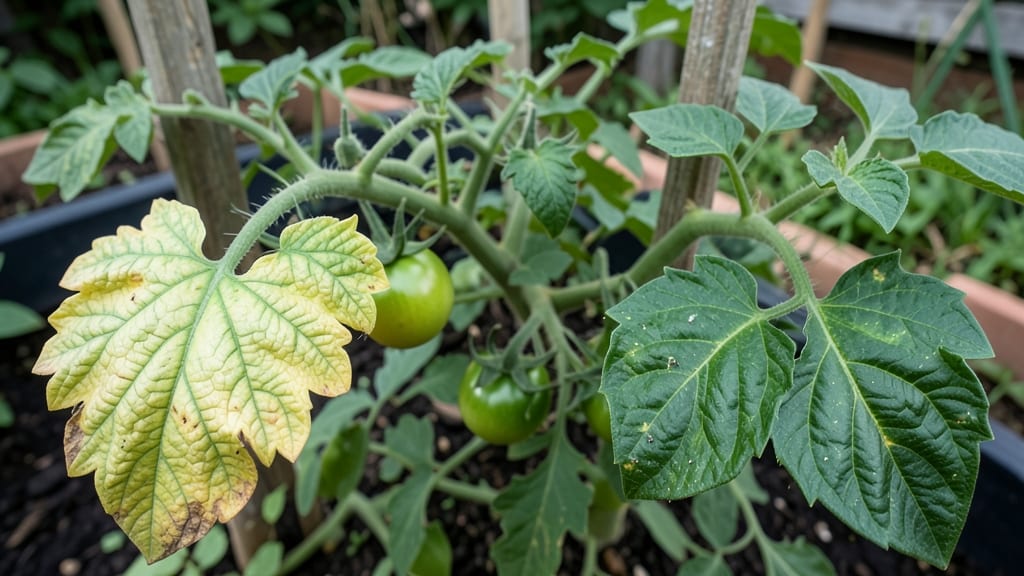
Your tomatoes could be curling up and dying from tomato yellow leaf curl virus (TYLCV), and the worst part?
There’s no cure—only prevention. 🌱 I’ve watched this virus wipe out entire plants in weeks, but I’ve also learned how to stop it before it starts, saving my harvest every season.
TYLCV spreads through tiny insects called whiteflies, and once it takes hold, you’ll see leaves curling upward, yellowing, and stunted growth. The virus thrives in hot, dry conditions, which is why it’s so common in summer gardens.
The good news? Removing infected plants early and controlling whiteflies can keep your tomatoes healthy.
By following a few key steps—like using reflective mulch, neem oil sprays, and sticky traps—you can drastically reduce whitefly populations and prevent the virus from spreading. Even if you’ve lost plants before, these methods work, and they’re simple enough for any gardener to implement.
This isn’t just about saving a few plants—it’s about protecting your entire garden. With the right approach, you can enjoy a thriving tomato harvest without the heartbreak of seeing your plants curl and die. Let’s get started on the solution.
Root Causes Of Plant Decline
When your tomato plants start showing signs of yellow leaf curl virus (TYLCV), it’s not just a random bad luck scenario—it’s the result of specific biological and environmental triggers.
Understanding these causes is the first step to protecting your garden. Below, we break down the key factors that allow this destructive virus to take hold and spread.
The bemisia tabaci whitefly isn’t just an annoying pest—it’s the primary vector for TYLCV. These tiny, sap-sucking insects pick up the virus from infected plants and transmit it while feeding. Here’s how it works:
- Mechanical Transmission: Whiteflies inject the virus into plant cells as they feed, disrupting normal growth and causing leaf curling, yellowing, and stunted development.
- Rapid Spread: A single whitefly can infect multiple plants in a short time, especially in greenhouses or high-density plantings where conditions are ideal for their reproduction.
- Seasonal Surge: Warm weather (77–86°F) accelerates whitefly activity, making late spring and summer peak infection periods.
Actionable Tip: 💡 Monitor undersides of leaves for whiteflies (tiny, winged insects resembling miniature moths). Use yellow sticky traps to catch them early or introduce natural predators like Encarsia formosa (a parasitic wasp) to control populations.
TYLCV thrives in hot, arid climates, particularly in regions with:
- High Temperatures: The virus replicates faster at temperatures above 80°F, weakening plant defenses and accelerating symptoms.
- Low Humidity: Dry air reduces plant stress resistance, making tomatoes more susceptible to infection.
- Poor Air Circulation: Stagnant air in greenhouses or dense plantings traps whiteflies and virus particles, increasing transmission rates.
Actionable Tip: 🌡️ Improve airflow with fans or prune plants to reduce humidity buildup. Mulch soil to retain moisture and reduce heat stress on roots.
Healthy tomato plants can resist TYLCV better than stressed ones. Common stressors that open the door to infection include:
| Stressor | How It Helps the Virus |
|---|---|
| Nutrient Deficiencies (e.g., nitrogen, potassium) | Slows growth, making plants easier targets for whiteflies and viruses. |
| Overwatering or Drought | Disrupts root function, weakening the plant’s immune response. |
| Physical Damage (e.g., pruning wounds, hail) | Creates entry points for whiteflies and secondary infections. |
| Previous Viral or Bacterial Infections | Compromises plant vigor, making it more vulnerable to TYLCV. |
Actionable Tip: ✨ Boost plant resilience with balanced fertilization (high in phosphorus and potassium) and consistent watering. Avoid over-pruning during peak whitefly season.
TYLCV can persist in the environment, lurking in:
- Infected Plant Debris: Old leaves, stems, or roots left in soil can harbor the virus for months, reinfecting new plants.
- Reused Garden Tools: Pruners, gloves, or stakes contaminated with viral particles can spread TYLCV between plants.
- Greenhouse Structures: Virus particles can cling to walls, benches, or irrigation systems, especially in enclosed spaces.
Actionable Tip: 🔥 Sanitize tools with 70% rubbing alcohol between uses. Remove and destroy infected plants immediately—do not compost them. Rotate crops yearly to break the virus cycle.
By addressing these root causes—whitefly control, climate management, plant health, and hygiene—you can dramatically reduce the risk of TYLCV wreaking havoc in your garden. Prevention is key, but early action can save your tomato harvest!
How to Treat and Prevent Leaf Curl
Once you’ve spotted the telltale signs of leaf curl in your tomato plants—yellowing leaves, stunted growth, or curled edges—it’s time to act fast. While Tomato Yellow Leaf Curl Virus (TYLCV) has no cure, you can suppress its spread, minimize damage, and prevent future outbreaks with targeted strategies.
Below, we break down practical fixes based on the root causes, from removing infected plants to fortifying your garden’s defenses.
---
Cause: The virus spreads rapidly via infected plants, aphids, and even wind. Fix: - 🔪 Snip and destroy any plants showing symptoms—do not compost them. Burn or bag them to prevent reinfection. - 🌱 Monitor nearby plants for 2–4 weeks. If new symptoms appear, remove those too. - 🚫 Avoid pruning healthy leaves from infected plants—this can spread sap-borne pathogens.
💡 Pro Tip: Wear gloves and disinfect pruners with 70% rubbing alcohol between cuts to avoid cross-contamination.
---
Cause: Whiteflies and aphids transmit TYLCV while feeding. Fix: - 🕵️♂️ Inspect undersides of leaves daily for tiny white insects. Early detection = fewer viruses! - 💦 Spray with soapy water (1 tsp mild dish soap + 1 quart water) to dislodge aphids. Reapply every 3–4 days. - 🌿 Introduce natural predators: Ladybugs, lacewings, and parasitic wasps love aphids. Buy them online or attract them with dill, fennel, or marigolds. - 🛡️ Use reflective mulch: Aluminum foil or silver mulch confuses aphids and reduces their landing success by up to 70%.
✨ Prevention Hack: Sticky traps (yellow or blue) near plants catch adult whiteflies before they lay eggs.
---
Cause: Stress from heat, drought, or poor soil weakens plants, making them more susceptible to viruses. Fix: - 💧 Water deeply but consistently—avoid overhead sprinklers (they spread virus-laden water droplets). - 🌿 Mulch heavily (2–3 inches of straw or wood chips) to retain moisture and cool roots. - 🌱 Choose resistant varieties: Some heirloom tomatoes (like ‘Heatmaster’ or ‘Solar Fire’) have moderate TYLCV resistance. Check seed packets! - 🌡️ Provide shade cloth (30–50%) in peak summer heat (above 90°F/32°C). Viruses thrive in extreme stress.
🎯 Disease-Defense Combo: | Problem | Solution | When to Do It | |----------------------|---------------------------------------|----------------------------------| | Overcrowding | Space plants 18–24” apart | At planting | | Poor drainage | Amend soil with compost + perlite| Before transplanting | | Nutrient deficiency | Feed with balanced fertilizer (10-10-10) | Every 4–6 weeks |
---
Cause: Contaminated tools, soil, or even garden gloves can harbor the virus. Fix: - 🧼 Sterilize tools after each use with bleach (1 part bleach : 9 parts water) or 70% isopropyl alcohol. - 🌍 Solarize soil in late summer: Cover beds with clear plastic for 4–6 weeks to kill virus particles. - 🚫 Avoid reusing old pots—wash with hot, soapy water or replace them.
🔥 Extreme Measure: If your garden is heavily infected, consider rotating crops—don’t plant tomatoes or peppers in the same spot for 3–4 years.
--- 1. 🌿 Plant trap crops like basil or nasturtiums near tomatoes to distract aphids. 2. 🕊️ Encourage beneficial insects with native flowers (e.g., cosmos, zinnia).
3. 🌡️ Avoid late-season plantings—TYLCV spreads faster in hot, dry conditions. 4. 📅 Rotate crops annually to break the virus life cycle.
--- Final Thought: While TYLCV is devastating, these steps can dramatically reduce its impact. Stay vigilant, act fast, and your tomato plants will have a fighting chance against this sneaky virus! 🍅💪
Frequently asked questions
What are the first signs of tomato yellow leaf curl virus (TYLCV) in my plants?
Look for upward-curling leaves with a yellowish hue, especially on younger leaves. You’ll also notice stunted growth and thickened veins. The symptoms often appear suddenly, especially in hot weather, and can cause entire plants to wither within weeks.
Can I save a tomato plant already infected with TYLCV?
Unfortunately, there’s no cure for TYLCV, but you can slow its spread by removing severely infected plants immediately. For mildly affected plants, prune only the most damaged leaves (wear gloves!) and focus on controlling whiteflies to prevent further infection. The goal is to protect nearby healthy plants.
How do I tell if my tomato plant has TYLCV or just heat stress?
Heat stress causes wilting and yellowing, but leaves usually don’t curl upward like with TYLCV. Check for whiteflies on leaf undersides—these tiny insects are the key indicator of TYLCV. Also, TYLCV symptoms appear suddenly and progress rapidly, while heat stress symptoms develop more gradually.
Are there chemical treatments that can kill TYLCV?
No chemical can cure TYLCV, but you can control its spread by targeting whiteflies. Use neem oil or insecticidal soap to kill whiteflies, or apply systemic insecticides like imidacloprid (follow label instructions carefully). The best defense is prevention—focus on whitefly management and plant hygiene.
Can TYLCV spread to other plants in my garden besides tomatoes?
Yes! While tomatoes are the most common host, TYLCV can infect peppers, eggplants, and potatoes. The virus spreads via whiteflies, so any susceptible plant in your garden is at risk. Remove infected plants immediately and monitor nearby crops closely to prevent cross-contamination.