
Pests and Diseases
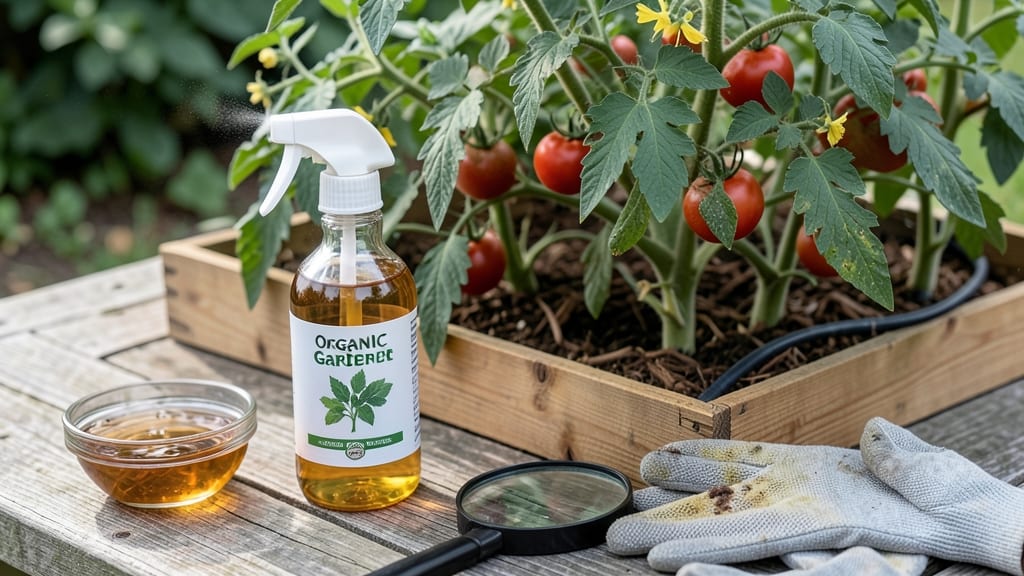
When your tomato leaves start curling into ragged brown edges, copper-based tomato leaf spray is your fastest defense against blight. 🌱 I've saved entire plants with this one simple spray—even when the first signs of those dreaded spots appeared overnight.
The secret lies in copper's ability to disrupt fungal growth before it takes hold, and it works in just 24 hours if caught early.
You don't need a chemistry degree—just a few basic supplies: copper fungicide (organic or synthetic), water, and a spray bottle with a fine mist setting. Most garden centers carry ready-to-use versions, or you can mix your own with copper sulfate and a bit of dish soap for better adhesion.
The key is applying it before the disease spreads, not after your plants look like they've been through a war.
What you'll end up with is tomato plants that stay green and productive, even in humid conditions. The spray creates a protective barrier that stops blight spores from latching on, and it's safe to use right up until harvest (just follow the label timing).
Your plants will bounce back faster, and you'll avoid the heartbreak of losing your entire crop to late-season blight.
This works for both garden beds and containers, and you can use it preventatively every 10-14 days during high-risk months. The only real mistake is waiting too long—so keep that spray bottle handy and act at the first sign of trouble. Trust me, your tomatoes will thank you.
📚 In This Guide
- What you need
- Instructions
- Tips and common mistakes
- Wrapping up and next steps
What you need
- ● Copper fungicide: 1 tsp (5 mL) of copper sulfate pentahydrate (5% copper) or a pre-mixed copper fungicide spray (like Bordeaux mixture or copper hydroxide). Check the label for concentration—most recommend 0.5–1% copper.
- ● Water: 1 gallon (3.8 liters) of distilled or rainwater (tap water with chlorine can reduce efficacy).
- ● Gardening spray bottle: A 1–2 gallon pump sprayer (for large plants) or a 16–32 oz. handheld sprayer (for small containers). Clean it thoroughly before use!
- ● Protective gear: Nitrile gloves (copper can irritate skin!)
- ● Long sleeves & pants (to avoid contact)
- ● Safety goggles (if spraying near eyes)
- ● Neem oil: ½ tsp (2.5 mL) + 1 tsp horticultural oil (enhances antifungal properties).
- ● Baking soda: 1 tbsp (15 mL) + 1 tsp dish soap (mild alternative for early blight prevention).
- ● Stick-on sprayer: For targeted treatment of single leaves (reduces waste).
- ● pH strips: To test water pH (ideal range: 5.0–7.0 for copper solubility).
How to make a homemade copper tomato leaf spray
Here's the simple, effective method I use to protect my tomato plants from blight and fungal diseases.
💧 Step 1: Mix the Copper Solution
Combine 1 teaspoon of copper sulfate with 1 quart of warm water in a clean spray bottle. Stir gently until the copper fully dissolves—this ensures even distribution when you apply it later. I always use warm water because it helps the copper crystals break down faster and prevents clumping.
If you notice any undissolved particles, strain the mixture through a fine mesh sieve or cheesecloth into another container. This step is crucial because leftover copper crystals can damage plant leaves when they come into contact with them. The solution should be a clear, light blue color—if it looks murky, start over with fresh water.
🌿 Step 2: Add a Mild Soap for Adhesion
Add ½ teaspoon of liquid dish soap (unscented and biodegradable) to the copper solution. The soap acts as a natural adhesive, helping the spray stick to the leaf surfaces where fungal spores love to cling. Swirl the bottle gently to combine without creating suds—too many bubbles can clog your spray nozzle.
I like to use a mild, plant-safe soap like Castile soap because it won’t harm your tomatoes while still doing the job. Test a small amount on one leaf first to make sure it doesn’t cause any irritation. If the leaf looks fine after 24 hours, you’re good to proceed with the full application.
✂️ Step 3: Apply to Leaves Early in the Morning
Fill your spray bottle with the copper solution and apply it to the top and bottom of tomato leaves, focusing on areas where you see early signs of disease like yellow spots or brown patches. Spray until the leaves are glossy but not dripping wet—this ensures good coverage without creating a film that traps moisture and encourages more fungal growth.
Work on a calm, wind-free morning when the leaves are dry. Applying in the morning gives the spray time to dry before the heat of the day, which reduces the risk of leaf burn. I always spray the undersides of leaves first because that’s where fungal spores often hide and thrive.
☀️ Step 4: Reapply Every 7-10 Days or After Rain
Copper spray works best as a preventative measure, so apply it every 7-10 days during the growing season or immediately after rain washes away any existing spray. Rain can dilute the copper, so I make a habit of checking my plants after heavy downpours and reapplying if needed.
Stop spraying 2-3 weeks before harvest to allow any residual copper to break down. While copper is generally safe, it’s best to avoid direct contact with edible parts of the plant right before picking. Keep track of your last application date with a small garden journal or sticky note on your spray bottle.
🌱 Step 5: Store Properly for Long-Term Use
If you have leftover solution, store it in a cool, dark place for up to 2 weeks. Copper solutions degrade quickly in sunlight, so keep the bottle out of direct light. I label my spray bottles with the date and contents to avoid confusion—especially if you’re treating multiple plants with different sprays.
Never mix copper spray with other pesticides or fungicides, as chemical reactions can create harmful byproducts. Stick to one treatment at a time for safety. If you notice any unusual discoloration or wilting after application, rinse the affected leaves with clean water immediately and discontinue use.
Tips & tricks for effective copper tomato leaf spray
Here's what nobody tells you about making this fungicide work its magic—without the guesswork.
Solution Clarity is Key: The copper sulfate should dissolve completely in the warm water to form a clear, light blue solution. If you see any undissolved particles after stirring, strain the mixture immediately—those crystals can burn plant leaves. I learned this the hard way after seeing brown spots appear on my tomatoes. For extra clarity, use distilled water if your tap water is particularly hard.
Soap Selection Matters: Not all dish soaps are plant-safe! Stick with unscented, biodegradable options like Castile soap. Avoid anything with strong fragrances or added chemicals, as these can irritate plant foliage. The soap should mix smoothly without creating suds—if you see bubbles forming, let the mixture sit for 5 minutes before using, which allows them to dissipate naturally.
Application Timing is Critical: Early morning application is non-negotiable. The dew on leaves helps the spray adhere better, and applying before the sun gets intense prevents potential leaf burn. I always spray the undersides of leaves first—they're where fungal spores love to hide and thrive. Focus on the leaf edges and stems too, as these are common entry points for blight.
Storage Wisdom: Copper solutions degrade quickly in sunlight, so store your spray bottle in a cool, dark place. I keep mine in a cabinet away from windows and label it clearly with the date. The 2-week shelf life is strict—don't risk using older solution, as its effectiveness drops significantly. If you notice any color changes or cloudiness, discard it immediately and make a fresh batch.
Pro Tips for Tomato Leaf Spray
- Here's what nobody tells you about making this fungicide work its magic—without the guesswork.
- Solution Clarity is Key: The copper sulfate should dissolve completely in the warm water to form a clear, light blue solution.
- Soap Selection Matters: Not all dish soaps are plant-safe!
Frequently asked questions
Got questions about tomato leaf spray?
Here are some of the most common ones—plus quick, actionable answers to keep your plants thriving!
How often should I apply tomato leaf spray?
Apply copper-based tomato leaf spray every 7–14 days during wet or humid conditions, or immediately after spotting early signs of blight (like brown spots or yellowing leaves). For preventive care, stick to a biweekly schedule once the growing season starts. Always follow the product’s label for exact timing!
How long does it take to see results?
Most copper fungicides start working within 24–48 hours of application, but visible improvement in blight may take 3–5 days. For severe infections, reapply as needed—consistency is key! Pro tip: Apply in the early morning for maximum effectiveness, as dew helps the spray adhere better.
Can I use tomato leaf spray on other plants?
Yes! Copper fungicides are safe for most edible plants, including peppers, eggplants, and even fruits like apples and grapes. However, avoid spraying flowering plants (like roses or herbs) unless labeled for ornamental use—copper can harm bees and beneficial insects. Always check the product’s approved plant list first!
What should I do if the spray stops working?
If blight persists, your spray might not be covering leaves thoroughly, or the infection could be too advanced. Troubleshoot:
- Increase coverage: Use a high-volume sprayer or add a sticker (like horticultural oil) to help the spray cling better.
- Rotate treatments: Alternate with a baking soda spray (1 tsp baking soda + 1 quart water + a drop of dish soap) every other application.
- Remove infected leaves: Prune and dispose of severely damaged foliage to prevent spread.
Should I water plants before or after spraying?
Wait 2–4 hours after spraying
before watering to give the copper fungicide time to bond with the leaves. Watering too soon can wash it off. For best results, spray in the evening when temperatures are cooler—this reduces leaf burn and improves absorption. Hot tip: Avoid spraying if rain is forecasted within 6 hours!
Wrapping up and next steps
Protecting your tomato plants from blight doesn’t have to be a battle—with a simple copper-based leaf spray, you can reclaim healthy, thriving vines in just 24 hours! 🌱 This natural solution is quick, effective, and safe for your garden, giving you peace of mind while keeping pests at bay.
Whether you're a seasoned gardener or just starting out, this method is your secret weapon for a bountiful harvest.
Ready to take action? Grab your materials, follow the steps, and spray with confidence! Your tomatoes will thank you—literally with juicy, blight-free fruit. Happy gardening! 🍅✨