
Leaf Blower
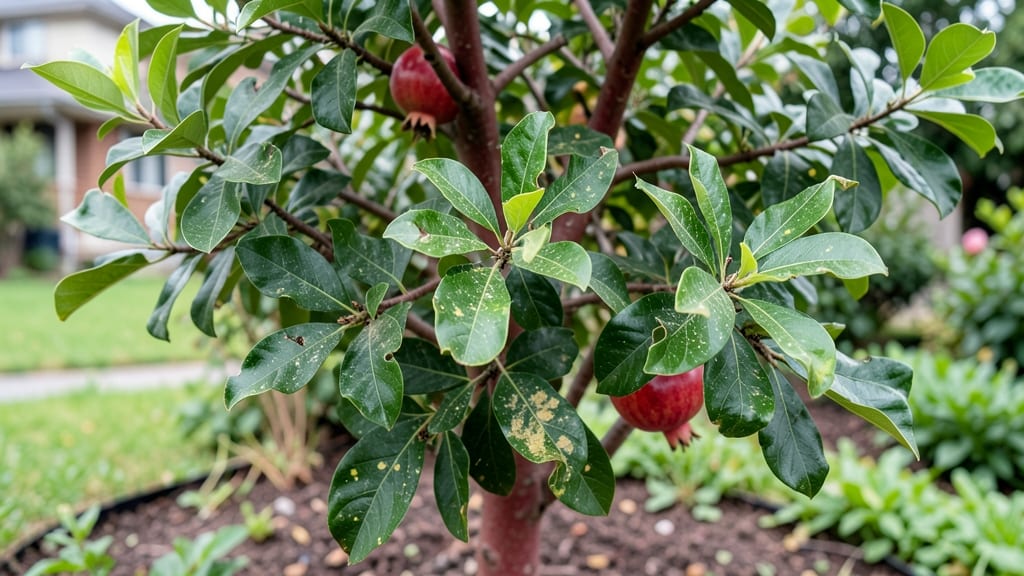
The leaf curl of pomegranate isn’t just unsightly—it’s a cry for help. 🌿 I’ve seen this turn from a minor annoyance to a full-blown crisis when ignored, but the good news? Copper spray can often reverse the damage within 24 hours if you act fast.
The key is identifying whether mites, fungi, or a virus are to blame before choosing your battle plan.
Most leaf curl starts with spider mites hiding on the undersides of leaves, sucking out sap and leaving behind a fine webbing. Fungal infections like anthracnose thrive in damp conditions, while viral causes (like pomegranate mosaic virus) are harder to treat and may require removing infected branches.
The first step? Inspect the leaves closely—mites leave speckled yellowing, while fungi create dark spots or powdery coatings.
Once you’ve diagnosed the issue, copper spray becomes your secret weapon. Mix it according to package instructions (usually 1 tablespoon per gallon of water) and apply it in the early morning or evening to avoid burning tender leaves.
For severe cases, repeat every 7-10 days until new growth appears smooth and vibrant. Prune any heavily curled leaves immediately to stop the spread, and dispose of them in sealed bags.
Prevention is where you’ll save yourself the most headaches. Keep your pomegranate well-watered but not soggy, and spray copper preventatively in early spring before pests get a foothold.
If the problem persists after two treatments, it’s time to call in a local extension service—they can test for viruses or resistant strains of fungi that need heavier-duty solutions.
Root Causes Of Leaf Curl
Pomegranate leaf curl isn’t just a random quirk of nature—it’s usually a cry for help from your tree. Understanding the why behind the wavy, distorted leaves is the first step to fixing it.
Below, we break down the most common culprits, from sneaky pests to environmental stress, with science-backed explanations so you can take action fast.
---
Fungal pathogens like Taphrina arrhenii (the primary culprit for pomegranate leaf curl) thrive in warm, humid conditions. Here’s how they hijack your tree’s growth:
- How it works: The fungus infects young, tender leaves, causing them to thicken, curl, and develop a waxy or powdery coating.
Over time, the leaf tissue becomes distorted, and the tree’s energy goes into fighting the infection instead of producing fruit. - Red flags: Leaves may appear puffy, yellowed, or covered in white fuzz (especially on the undersides).
Severe cases can lead to premature leaf drop or stunted growth. - Why it spreads: Fungal spores love moisture—think rainy seasons, overhead watering, or poor airflow between branches. Weakened trees (from drought, poor soil, or nutrient deficiencies) are easy targets.
💡 Pro Tip: Fungal spores can survive in fallen leaves and bark, so clean up debris yearly to starve them out.
---
While fungi get the spotlight, pests often weaken the tree first, making it vulnerable to infections. Here’s how they contribute:
- Spider Mites & Aphids: These sap-suckers inject toxins as they feed, causing leaves to curl, yellow, or develop stippled patterns.
Heavy infestations lead to stunted growth and reduced vigor, leaving the tree defenseless against fungi. - Scale Insects: These armored pests smother leaves with sticky honeydew, creating a perfect breeding ground for sooty mold—a secondary fungus that further stresses the tree. - Whiteflies: Their larvae excrete honeydew, which attracts ants and molds, creating a feedback loop of stress.
🔥 Actionable Insight: Check the undersides of leaves for webs (mites), sticky residue (aphids/scale), or tiny flying insects (whiteflies). Early intervention with neem oil or insecticidal soap can break the cycle before fungi move in.
---
Pomegranates are tough, but extreme or inconsistent conditions can trigger leaf curl as a survival response:
- Temperature Swings: Sudden heatwaves or cold snaps (especially below 50°F or above 95°F) disrupt cell development, causing leaves to pucker or curl as they struggle to regulate moisture. - Water Woes: - Overwatering: Soggy soil drowns roots, starving leaves of oxygen and nutrients.
Curl happens as the tree gasps for air. - Drought Stress: Underwatering forces leaves to conserve moisture by curling inward, reducing surface area. - Poor Airflow: Dense foliage or crowded planting traps humidity, creating a fungal paradise. Leaves curl to minimize exposure to pathogens.
🌡️ Quick Fix: Mulch properly (2–3 inches of organic mulch) to regulate soil temperature and retain moisture without waterlogging. Prune to open the canopy for better airflow.
--- Leaves curl when they’re malnourished, especially from these key deficiencies:
| Nutrient | Symptoms | Why It Causes Curl | |--------------|---------------------------------------|----------------------------------------------------------------------------------------| | Nitrogen (N) | Pale, yellowing leaves (older first) | Leaves curl to reduce water loss while the tree prioritizes root growth over fruit. | | Potassium (K) | Brown leaf edges, weak stems | Potassium regulates water balance; deficiency leads to poor turgor pressure, causing curl. | | Magnesium (Mg) | Interveinal yellowing (between veins) | Magnesium is crucial for chlorophyll production; stressed leaves curl to protect damaged cells. | | Zinc (Zn) | Small, curled leaves (especially new growth) | Zinc deficiency stunts cell division, leading to deformed, curled leaves. |
💪 Boost Your Soil: Test your soil and amend with balanced fertilizer (e.g., 10-10-10) or Epsom salt (for magnesium) if deficiencies are confirmed.
--- Sometimes, leaf curl is mechanical—not biological.
Consider these triggers: - Hail or Wind: Physical trauma to leaves disrupts cell structure, causing them to curl as they heal. - Improper Pruning: Cutting too close to the leaf nodes or girdling branches (removing bark rings) strangles nutrient flow, leading to distorted growth. - Herbicide Drift: If nearby weeds were sprayed with glyphosate or 2,4-D, residue can damage pomegranate leaves, causing curl within days.
🔪 Solution: Inspect for unusual patterns (e.g., curl only on exposed branches). If damage is localized, protect the tree with shade cloth or windbreaks.
Quick Fixes for Leaf Curl Woes
Pomegranate leaf curl can be frustrating, but with the right approach, you can nurse your tree back to health and prevent future outbreaks. Below are practical, step-by-step solutions tailored to the most common causes—fungal infections, viral attacks, and environmental stressors—along with prevention tips to keep your pomegranate thriving.
---
If leaf curl is caused by fungal pathogens like Alternaria or Cercospora, a copper-based fungicide is your best bet for fast recovery.
#### 🔥 Step 1: Prune the Damage - 🔪 Remove infected leaves (burn or discard them—don’t compost!) to stop the spread. - Focus on severely curled or discolored leaves, but avoid over-pruning, as this stresses the tree.
#### 🍳 Step 2: Apply Copper Spray (The Game-Changer) - Use a ready-to-use copper fungicide (like Copper Sulfate 50% WP or Bordeaux Mixture). - Mix as directed (typically 1–2 tbsp per gallon of water). - Spray thoroughly—cover both sides of leaves and the tree’s bark.
Early morning or late evening works best to avoid sunburn on foliage.
#### 🌡️ Step 3: Follow Up & Monitor - Reapply every 7–10 days for 2–3 weeks to prevent reinfection. - Water at the base (not overhead) to keep leaves dry and discourage fungal growth. - 💡 Pro Tip: Add 1 tsp of baking soda per gallon of water (optional) for extra antifungal power—just avoid overusing it, as it can harm soil pH over time.
#### 🌱 Prevention for Next Season ✅ Sanitize pruning tools with rubbing alcohol before and after use. ✅ Improve air circulation by spacing plants properly (pomegranates need 6–10 feet apart). ✅ Avoid overhead irrigation—use drip systems instead. ✅ Apply copper spray preventatively in spring and early summer (before fungal spores spread).
---
If the issue is viral (like Pomegranate Mosaic Virus), there’s no direct cure, but you can slow progression and protect other plants.
#### 👨🍳 Step 1: Isolate the Tree - Remove and destroy infected leaves (do not compost). - Keep the tree separated from healthy pomegranates to prevent spread via aphids or grafting tools.
#### 🛡️ Step 2: Boost Tree Immunity - Fertilize with balanced NPK (10-10-10) to strengthen the tree’s defenses. - Apply neem oil spray (1 tsp per liter of water) weekly to deter aphids (common virus vectors). - 💡 Pro Tip: Silica-rich fertilizers (like potassium silicate) can help build cell walls, making the tree more resistant to viral attacks.
#### 🚫 Prevention: Stop the Spread ✅ Inspect new plants before adding them to your garden. ✅ Avoid sharing pruning tools between trees. ✅ Control aphids aggressively with soapy water sprays (1 tsp mild dish soap + 1 liter water). ✅ Plant virus-resistant varieties (like ‘Wonderful’ or ‘Eversweet’) if possible.
---
If leaf curl is due to heat stress, poor drainage, or nutrient deficiencies, tweaking your care plan can reverse the damage.
#### 💧 Step 1: Fix Watering Habits - Pomegranates hate soggy roots! Ensure well-draining soil (mix in sand or perlite if needed). - Water deeply but infrequently—1–2 inches per week (more in extreme heat). - 🌡️ Pro Tip: Mulch with straw or wood chips (2–3 inches deep) to retain moisture and regulate soil temp.
#### 🍎 Step 2: Nutrient Boost - Test soil pH (ideal: 6.0–7.0).
Amend with lime (to raise pH) or sulfur (to lower it) if needed. - Fertilize with: - High-potassium fertilizer (like 5-10-10) to improve stress resilience. - Micronutrients (zinc, manganese, iron) if leaves show yellowing between veins (a common deficiency sign).
#### 🌿 Step 3: Shade & Heat Management - Provide afternoon shade (especially in zones 9+) to prevent heat scorch. - Mist leaves lightly on extremely hot days (early morning only). - 💡 Pro Tip: Prune for airflow—thin out dense branches to reduce humidity buildup in the canopy.
#### ✨ Prevention for Long-Term Health ✅ Plant in full sun (6+ hours daily) but protect from scorching afternoon rays in hot climates. ✅ Avoid heavy clay soil—amend with compost or raised beds if necessary. ✅ Monitor for pests (scale, spider mites) that weaken the tree—treat early with neem oil or horticultural oil.
--- | Cause | Immediate Fix | Prevention | |--------------------|--------------------------------|----------------------------------------| | Fungal Infection | Copper spray + pruning | Sanitize tools, improve airflow | | Viral Infection | Isolate tree, neem oil spray | Virus-resistant varieties, aphid control | | Heat/Water Stress | Adjust watering, mulch, shade | Well-draining soil, proper fertilization |
🚀 Quick Recap: - Fungal? → Copper spray + pruning (24-hour start). - Viral? → Isolate + neem oil (no cure, but slows spread). - Stressed? → Fix water, soil, and shade (tree will bounce back in weeks).
With these targeted fixes, your pomegranate should show noticeable improvement in 2–4 weeks. Stay vigilant, and your tree will reward you with lush, healthy foliage—and delicious fruit! 🍇🌿
Frequently asked questions
What’s the fastest way to tell if my pomegranate leaf curl is fungal vs. pest-related?
Check the leaf undersides first: fungal curl often shows white powdery coatings or dark spots, while pest damage (like mites or aphids) leaves stippled yellowing or webbing. Fungal issues also spread faster in damp conditions, whereas pests thrive in dry, dusty environments.
Can I use homemade remedies like baking soda or neem oil for leaf curl?
Yes! Neem oil (1 tsp per liter of water) works well for pests and mild fungal issues, while baking soda spray (1 tsp baking soda + 1/4 tsp dish soap per gallon) can help prevent fungal spread. For severe fungal infections, though, commercial copper fungicides are more effective—homemade remedies should be used as supplements, not standalone treatments.
How long does it take to see improvement after treating leaf curl?
With copper spray treatments, you may notice new growth appearing straight within 7–10 days, but full recovery can take 4–6 weeks depending on severity. Viral cases won’t improve much—focus on preventing spread and boosting tree health instead. Prune infected leaves immediately to stop the cycle.
Is leaf curl contagious to other plants in my garden?
Yes, especially if it’s fungal or viral. Fungal spores spread via wind/rain, while viruses often hitch rides on aphids or pruning tools. To protect nearby plants, isolate infected trees, sterilize tools with rubbing alcohol, and avoid composting infected leaves. Pomegranates, citrus, and other fruit trees are particularly vulnerable.
Can I still harvest fruit from a pomegranate tree with leaf curl?
Yes, but only if the curl is mild and not fungal/viral. Severe infections can reduce fruit quality or attract pests that damage fruit. For safety, harvest only from healthy branches and monitor fruit for soft spots or mold. If the tree is heavily infected, prioritize treatment over fruit—next season’s crop will be better.