
Companion Plants
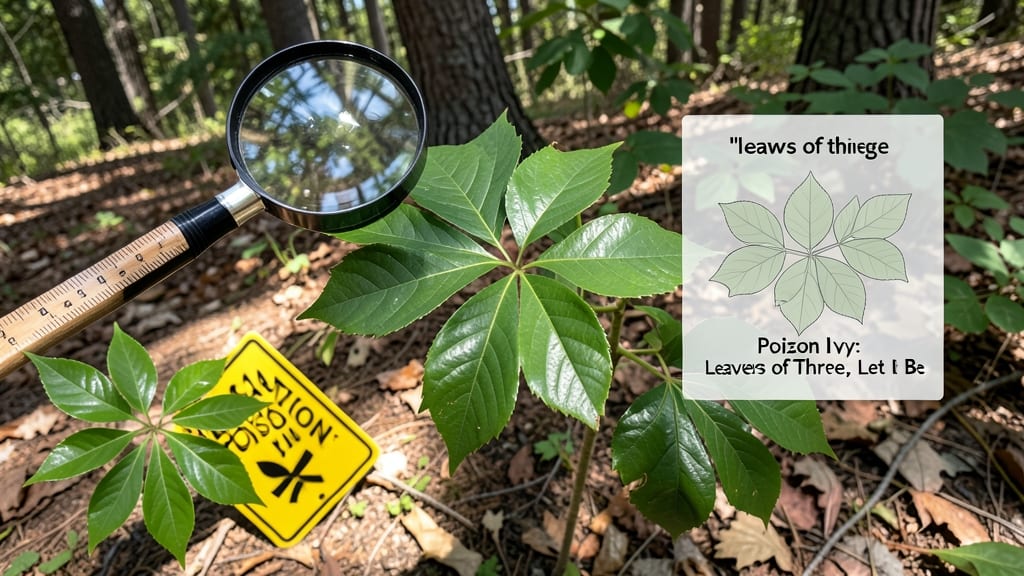
Identifying those three-leaf plants in your garden could change everything—whether it's a dangerous weed or your next homegrown meal. 🌱 I've spent years untangling three-leaf mysteries in my garden, from poison ivy scares to discovering hidden clover patches that turned into gourmet salads.
The difference between safe and risky often comes down to tiny details you might miss at first glance.
Start by examining the leaf arrangement: clover has rounded, trifoliate leaves with a light green hue and fuzzy stems, while poison ivy sports elongated, glossy leaves with jagged edges and a single vine-like stem. Vegetable seedlings like basil or beans usually have smooth, serrated edges and a more uniform shape—though some, like squash, can look deceptively similar to weeds at first.
Safety first: never touch unknown plants unless you're 100% sure. Poison ivy's "leaves of three, let it be" rule is your lifeline—if it's got three shiny leaves and grows in clusters, assume it's toxic until proven otherwise.
For edibles, rub a leaf between your fingers: clover feels slightly fuzzy, while most veggie seedlings are smooth.
Once you've identified it, take action: pull weeds immediately, transplant seedlings to their permanent spot, or harvest clover for tea. My garden transformed after mastering this skill—no more accidental poison ivy rashes or wasted space on "mystery plants."
Grab a magnifying glass or your phone camera and let's get identifying!
📚 In This Guide
- What you need
- Instructions
- Tips and common mistakes
- Wrapping up and next steps
What you need
- ● Magnifying glass or hand lens (3x–10x magnification for close inspection of leaf veins and textures)
- ● Field guide or printed ID chart (for quick reference—download our free visual key)
- ● Notebook & pen (to jot down observations like leaf shape, arrangement, and habitat)
- ○ Gloves (optional but recommended) (nitrile or latex for handling plants with prickly leaves or unknown safety)
- ● Smartphone with plant ID app (e.g., iNaturalist or PictureThis for backup verification)
- ● Small trowel or garden knife (for gently uprooting samples—only if necessary)
- ● Camera with macro setting (to capture leaf details for later review)
- ● Field bag or mesh pouch (to transport samples safely without crushing them)
- ● Basic knowledge of plant parts (e.g., leaf shape, margin, and venation)
- ● Access to a garden, park, or wild area with 3-leaf plants (common in spring/summer!)
- ● Patience—some plants require multiple angles for accurate ID
How to tell apart 3-Leaf plants: weeds vs. edibles
Here's how I distinguish common three-leaf plants—no botanist degree required.
🌱 Step 1: Examine Leaf Arrangement and Shape
The first clue is how the leaves attach to the stem. True edibles like lettuce or spinach have leaves growing directly from the base in a rosette pattern, while weeds like dandelion often have alternating leaves along the stem. Hold the plant at eye level—you'll notice edible leaves form a tight cluster at the soil line.
Next, check leaf edges. Edible greens typically have smooth or slightly serrated edges (like arugula), while weeds often show jagged, lobed, or deeply toothed margins. For example, lambsquarters has broad, arrow-shaped leaves with a waxy texture, while purslane leaves are thick and succulent with tiny bumps.
🌿 Step 2: Check for Stems and Flower Structures
Weeds often develop stems early, while edible greens stay low to the ground. Look for hairy stems or branching growth—these are red flags. For instance, henbit has square stems and fuzzy leaves, while swiss chard grows upright but with broad, colorful stalks.
If the plant has started flowering, examine the blooms. Edible greens like kale produce small yellow flowers, while weeds like shepherd's purse have distinctive heart-shaped seed pods. The presence of milky sap (like in milkweed) is another weed giveaway.
☀️ Step 3: Analyze Leaf Texture and Smell
Run your fingers over the leaves—edible greens often feel tender and smooth, while weeds can be rough, leathery, or covered in tiny hairs. Purslane, for example, has a slightly gritty texture, while spinach leaves are soft and pliable.
Give the leaves a gentle sniff. Most edible greens have a mild, fresh aroma, while weeds often smell bitter, musty, or even soapy. Wild garlic or wild onion will release a strong onion-like scent when crushed—this is a safe bet for edibles.
🔍 Step 4: Compare with Known Reference Plants
Bring your plant home and compare it side-by-side with known edibles like baby spinach, arugula, or microgreens. Use a plant identification app or a field guide to cross-reference features. Pay attention to leaf color—healthy edibles are vibrant green, while stressed weeds may appear yellowed or spotted.
If you're still unsure, do a taste test with a tiny piece of leaf (cooked, not raw). Bitter or acrid flavors are a warning sign, while mild, slightly earthy tastes suggest edibility. Keep a small notebook to track plants you've identified—you'll start recognizing patterns in no time.
Tips & tricks for mastering 3-Leaf plant identification
Confession: I spent years misidentifying plants before realizing these simple tricks make all the difference. Here's what nobody tells you—
Lighting Matters: Always examine plants in natural daylight, not shade or artificial light. Shadows can distort leaf shapes and colors, making it harder to spot subtle differences. I keep a small portable light for cloudy days—it reveals details like waxy textures on lambsquarters that might go unnoticed otherwise.
The Stem Test: In Step 2, when checking for stems, look for hairiness under magnification if possible. Many weeds like henbit have microscopic hairs that aren't visible to the naked eye. I use a $5 magnifying glass from the hardware store—it's changed how I identify plants in the wild.
Smell Safety: When doing the taste test in Step 4, never crush leaves directly in your hand. Instead, place a small piece between your fingers and gently rub—this prevents skin contact with potential irritants. I keep a small notebook where I record which plants smell like onions, garlic, or nothing at all.
Seasonal Considerations: Spring plants like purslane often look different in summer heat. Young purslane leaves are tender and smooth, but mature plants develop a gritty texture. I always compare with known reference plants from the same season to avoid confusion.
Pro Tips for Identifying 3 Leaf Plants
- Confession: I spent years misidentifying plants before realizing these simple tricks make all the difference.
- Lighting Matters: Always examine plants in natural daylight, not shade or artificial light.
- The Stem Test: In Step 2, when checking for stems, look for hairiness under magnification if possible.
Frequently asked questions
What are the most common 3-leaf plants I might encounter?
You’ll often see trifolium (clover), oxalis (wood sorrel), and lamium (henbit) in gardens. Edible options include spinach (young leaves) and amaranth, while toxic look-alikes like poison ivy (with smooth edges) require caution. Always cross-check with a reliable plant ID guide!
When is the best time to identify 3-leaf plants in my garden?
Spring and early summer are ideal—young leaves are easier to distinguish, and plants are actively growing. Avoid late fall when some weeds (like dandelions) may develop deeper root structures or flower, complicating ID. Morning hours work best when leaves are hydrated and vibrant.
How do I tell apart edible 3-leaf plants from poisonous ones?
Use the leaf arrangement and texture rule: Edible plants like spinach have smooth, arrow-shaped leaves, while poisonous poison ivy has glossy, serrated edges and grows in clusters of three. When in doubt, avoid tasting—use a plant ID app or consult a local horticulturist.
Can I use 3-leaf plants as natural mulch or compost?
Yes! Non-toxic 3-leaf plants like clover or alfalfa enrich soil with nitrogen when chopped and added to compost. Avoid mulching poison ivy or oxalis (can spread). For safety, compost only identified edible greens or certified organic mulch.
What should I do if I accidentally ingested a 3-leaf plant?
Rinse your mouth immediately and seek medical help if you suspect poisoning (e.g., burning throat, rash). Common toxic look-alikes like poison hemlock (not always 3-leaf) can be deadly—never delay treatment. Keep a plant ID photo handy for emergency responders.
Pro tip: Snap a photo and use apps like PlantNet or iNaturalist for instant ID before handling!
Wrapping up and next steps
Mastering the art of identifying 3-leaf plants—whether they’re pesky weeds or edible treasures—puts you in control of your garden’s health! 🌱 With just a few key visual cues, you can confidently distinguish lamb’s quarters, amaranth, or dandelion from invasive look-alikes.
Start by observing leaf shape, arrangement, and growth patterns, then double-check with a quick rub or taste test (for edibles!).
Now that you’re armed with this visual key, why not take the next step? Document your finds in a garden journal or share your discoveries with fellow green thumbs. Every leaf tells a story—go forth and explore!