
Pests and Diseases
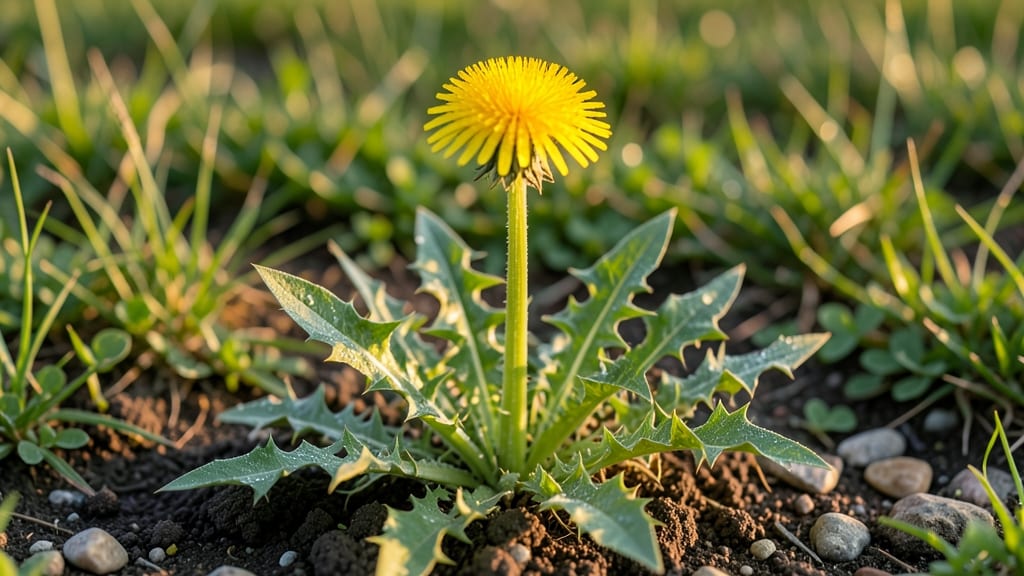
That bright yellow broadleaf weed flower crowding out your garden beds? 🌻 The 3-step pull we’ve perfected stops dandelions, buttercups, and chickweed dead in their tracks—without harsh chemicals. I’ve wrestled with these weeds for years, and this method actually works, even when they’re deep-rooted.
Most gardeners grab the wrong tool first—gloves alone won’t cut it. You need a fork for roots, a sharp hoe for surface weeds, and the right timing (spring or fall, when soil is soft).
The key is pulling before they go to seed, or you’ll end up with a fresh batch next year. My first attempt failed because I waited too long—now I check beds weekly.
By the end of the process, your garden will look neater and healthier, with fewer weeds returning. The soil stays undisturbed, and you avoid the mess of chemical sprays. Plus, you’ll spot the difference in just 2-3 weeks—no more yellow blooms stealing your space.
Works for lawns, vegetable patches, and flower beds alike. Here’s how to adapt it to your garden’s size and weed pressure—no guesswork involved.
Root Causes Of Yellow Blooms
Those vibrant yellow flowers on broadleaf weeds aren’t just a pretty sight—they’re often a red flag signaling underlying issues. Understanding why these weeds develop yellow blooms helps you tackle them more effectively. Here’s what’s likely causing the problem:
Weeds thrive when soil conditions favor their growth, and yellow-flowered broadleaf weeds often pop up when the soil lacks essential nutrients or has an imbalance. Here’s how it breaks down:
- Nitrogen Deficiency: Yellowing leaves (especially older ones) paired with yellow flowers can indicate nitrogen starvation. Weeds like dandelions and chickweed may produce bright yellow blooms as a survival tactic to attract pollinators while conserving energy.
- Phosphorus or Potassium Shortages: These nutrients are critical for flower development. If the soil is depleted, weeds may still bloom but produce smaller, less vibrant yellow flowers as a way to compensate for stress.
- Excessive Fertilizer Use: Ironically, over-fertilizing—especially with high-nitrogen lawn treatments—can create a perfect breeding ground for weeds. The excess nutrients encourage rapid weed growth, including those with showy yellow flowers.
💡 Pro Tip: Test your soil’s pH and nutrient levels. Most broadleaf weeds prefer slightly acidic to neutral soil (pH 6.0–7.0). If your soil is too alkaline, nutrients like iron and manganese become unavailable, stressing weeds and triggering abnormal yellow blooms.
Weeds don’t just appear out of nowhere—they respond to environmental cues. Yellow flowers can be a stress signal when conditions become unfavorable:
- Drought or Overwatering: Broadleaf weeds like henbit or creeping Charlie may produce yellow flowers as a last-ditch effort to reproduce before dying. Drought stress forces weeds to prioritize seed production over leafy growth, leading to early blooming.
- Extreme Temperatures: Heatwaves or late-season cold snaps can shock weeds into flowering prematurely. Yellow blooms may appear as the plant shifts resources toward reproduction to ensure survival.
- Competition for Sunlight: In dense lawns or shaded areas, weeds like clover or plantain may develop yellow flowers to maximize sunlight exposure for pollinators, even if their leaves are struggling.
🌡️ Actionable Fix: Monitor your lawn’s moisture levels and mulch bare soil to retain humidity. If weeds are flourishing in dry conditions, they’re likely stressed—and their yellow flowers are a warning sign of impending decline.
Sometimes, yellow flowers aren’t just about soil or weather—they’re a symptom of hidden invaders. Certain pests and diseases force weeds to alter their growth patterns:
| Culprit | How It Affects Weeds | Yellow Flower Clue |
|---|---|---|
| Root-Knot Nematodes | These microscopic worms attack weed roots, reducing nutrient uptake. | Stunted growth with bright yellow flowers as the weed tries to reproduce before dying. |
| Fungal Infections (e.g., Powdery Mildew) | Fungi coat leaves, blocking sunlight and stunting photosynthesis. | Weeds like lamb’s quarters may produce yellow flowers to attract pollinators while leaves turn white or yellow. |
| Aphids or Spider Mites | These sap-sucking pests weaken the plant, diverting energy to flower production. | Yellowing leaves paired with early, abundant yellow blooms. |
🔥 Quick Check: Inspect weed leaves for holes, webbing, or powdery residue. If you spot these, treat the area with neem oil or insecticidal soap to break the cycle before the weeds spread.
Not all yellow flowers are a sign of distress—some weeds simply follow their biological clock. Understanding their life cycles helps you predict (and prevent) their spread:
- Biennial Weeds (e.g., Dandelions): These weeds store energy in their roots during the first year, then bolt upward in the second year, producing yellow flowers to set seed before dying. Their bright blooms are a natural part of their reproductive strategy.
- Annual Weeds (e.g., Chickweed): These weeds grow, flower, and seed in a single season. If conditions are ideal (warmth, moisture), they’ll produce yellow flowers rapidly to ensure the next generation.
- Perennial Weeds (e.g., Clover): These weeds may flower year-round in warm climates, with yellow blooms appearing as soon as conditions permit. Their persistence is built into their DNA.
✨ Key Insight: If the yellow-flowered weeds appear seasonally (e.g., spring or fall), they’re likely following their natural timeline. However, if they’re blooming unexpectedly in summer or winter, environmental stress or soil issues are probably at play.
Quick Fixes for Stubborn Weeds
Broadleaf weeds with bright yellow flowers aren’t just an eyesore—they can quickly take over your garden, lawn, or landscape if left unchecked. The good news? With the right approach, you can eliminate them effectively while keeping your plants healthy.
Below, we’ve mapped out practical, step-by-step solutions based on the most common causes of their spread. Whether they’re popping up due to poor soil health, overwatering, or simply aggressive growth, these fixes will help you reclaim your space—without harsh chemicals.
If you catch the weeds early, physical removal is the most targeted and eco-friendly method.
👨🍳 Step 1: Pull at the Right Time
- When? Early morning or late afternoon (when soil is moist but not soggy).
- How? Grasp the weed as close to the base as possible and tug firmly.
If the root breaks, dig deeper to ensure the entire root system comes out. - Pro Tip: 🌡️ Wear gloves—some weeds (like dandelions) can irritate skin.
🔪 Step 2: Smother or Solarize the Area
- Option 1: Cover the pulled weeds with cardboard or thick mulch to block sunlight and prevent regrowth.
- Option 2: For stubborn patches, try solarization—lay clear plastic over the area for 4–6 weeks in hot sun to kill remaining roots.
⏰ Step 3: Monitor & Repeat
- Check the area weekly for new sprouts. Weeds like chickweed or henbit grow fast—stay vigilant!
Once you’ve removed the weeds, stop them from coming back with these low-maintenance strategies:
🌱 Improve Soil Health
Weeds thrive in nutrient-poor or compacted soil. Boost your garden’s defenses by:
- Adding compost (2–3 inches) to enrich soil and outcompete weeds.
- Using mulch (straw, wood chips, or grass clippings) to block sunlight and retain moisture.
💧 Adjust Watering Habits
- Overwatering = Weed Paradise. Most broadleaf weeds love moisture. Water deeply but less frequently to encourage deep root growth in your plants (which crowds out weeds).
- Drip irrigation (instead of sprinklers) delivers water directly to plants, reducing weed-friendly damp spots.
🌿 Choose Competitive Plants
Plant dense ground covers (like clover, creeping thyme, or ornamental grasses) to shade out weeds naturally. Even thick lawns (with proper mowing) can starve weeds of sunlight.
If manual removal isn’t enough, targeted treatments can help—but use them strategically to avoid harming your plants.
🧪 Spot-Treat with Herbicides (For Severe Cases)
- Best for: Large, established patches (e.g., bindweed, buttercups).
- How? Use a selective herbicide (like 2,4-D or triclopyr) only on weeds, following label instructions precisely.
- ⚠️ Warning: Avoid spraying on windy days—drift can damage nearby plants.
🌿 Natural Herbicide Options
For a non-toxic approach, try:
- Vinegar + Dish Soap Spray (1 gallon vinegar + 1 tbsp soap) – Kills on contact but may require multiple applications.
- Boiling Water – Pour directly on weeds (works best for small, localized patches).
| Task | Frequency | Why It Works |
|---|---|---|
| Hand-pulling weeds | Weekly (spring-fall) | Stops seeds from spreading |
| Mulching | Every 3–6 months | Blocks sunlight & retains moisture |
| Soil testing | Once a year | Ensures nutrients are balanced |
| Deep watering | 1–2x per week | Encourages strong plant roots |
- 🌱 Pull weeds before they flower—each yellow blossom = hundreds of new seeds.
- 🗑️ Bag and dispose of weeds (don’t compost them—they’ll regrow!).
- 🕒 Time it right: Weeds are easiest to remove when soil is moist but not waterlogged.
- 🚜 For lawns: Mow high (3–4 inches) to shade out weeds and strengthen grass.
By combining manual removal, soil care, and smart watering, you can eliminate broadleaf weeds with yellow flowers—and keep them from staging a comeback. Start with the methods that fit your situation, and soon, your garden will be weed-free and thriving!
Frequently asked questions
What are the most common broadleaf weeds with yellow flowers?
The top offenders include dandelions, buttercups, chickweed, henbit, and clover. These weeds thrive in lawns and garden beds, producing bright yellow blooms that spread rapidly. Dandelions are especially persistent with deep taproots, while chickweed grows in mats along the soil surface.
Why do these weeds appear suddenly in my garden?
Yellow-flowered broadleaf weeds often surge due to disturbed soil, excess nitrogen (from fertilizers), or competition gaps in your plants. They also take advantage of seasonal changes—spring and fall are peak times when soil moisture and warmth trigger rapid growth. Check for recent soil disturbances like tilling or new plantings.
Can I safely use vinegar to kill these weeds?
Yes, but with caution! A mix of 1 gallon white vinegar + 1 tablespoon dish soap works as a natural herbicide. Spray directly on yellow-flowered weeds (avoid desirable plants) on a sunny day. Repeat every 3-5 days for stubborn weeds like dandelions. The acetic acid burns the leaves, but you’ll need to treat new sprouts as they emerge.
How do I tell if a yellow-flowered plant is a weed or beneficial?
Check the leaf shape and growth habit: Weeds like dandelions have deeply lobed leaves and grow in clumps, while beneficial plants like black-eyed Susans have smooth edges and grow upright. Another clue—weeds often appear where soil is disturbed, while native plants thrive in stable conditions. When in doubt, research the plant’s common name or consult a local gardening group.
Will mowing my lawn help control these weeds?
Mowing alone won’t eliminate them, but keeping your lawn at 3-4 inches tall shades out weed seeds and strengthens grass. For yellow-flowered weeds, combine mowing with weekly hand-pulling (especially before flowers appear) and proper fertilization. Over-fertilizing actually encourages weeds—stick to balanced, slow-release formulas.