
Plants
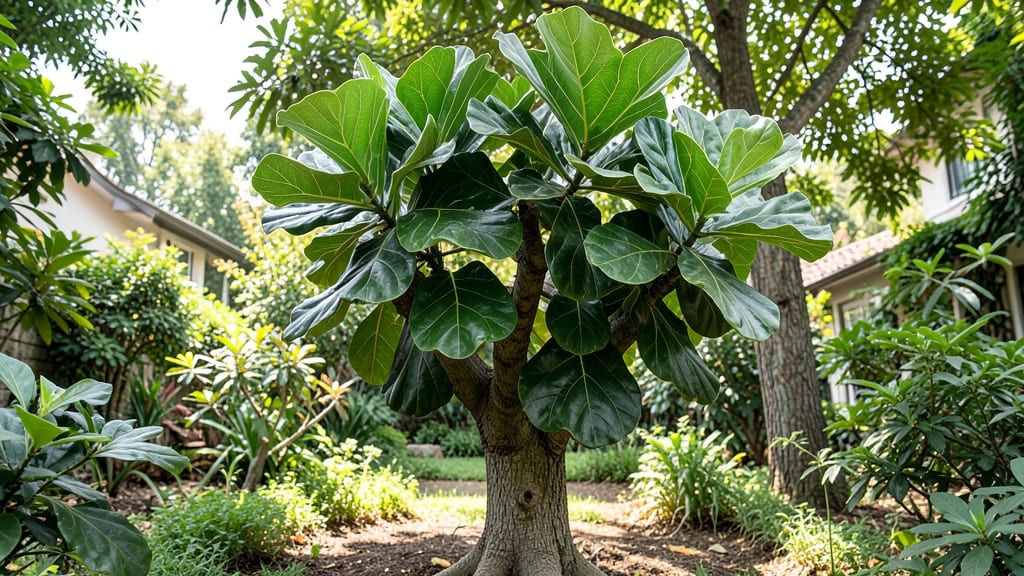
A fiddle leaf fig 🌿 can grow up to 10–15 feet tall indoors with ideal care, though most houseplants max out at 6–8 feet without intervention.
If you’ve ever marveled at the towering fiddle leaf figs in trendy cafes or botanical gardens, you’ve probably wondered: How tall can mine grow? The answer depends on care, environment, and a few clever growth hacks—here’s the complete guide to maximizing (or controlling) your plant’s height potential.
Light exposure is the key factor—too little slows growth, while too much scorches those prized leaves. Pruning at the right time can also shape your plant’s height, turning a leggy giant into a bushy statement piece.
Below, I’ll break down the height milestones by age, the best ways to encourage (or limit) vertical growth, and how to keep your fiddle leaf fig thriving—whether you want a countertop-sized plant or a small tree.


Fiddle leaf fig height limits: indoor growth expectations by age and care
Your fiddle leaf fig (Ficus lyrata) isn’t just a statement piece—it’s a living work of art that grows with intention. In ideal conditions, these plants can reach 10-15 feet tall indoors, but their height is far from "set in stone."
The myth of natural height ignores how light, pruning, and even pot size shape their growth trajectory. Let’s break down what to expect at each life stage and how to steer your plant toward your preferred height.
From a seedling to a towering giant, your fiddle leaf fig’s growth is a direct reflection of its care. Unlike outdoor trees, indoor fiddle leaf figs rarely hit their maximum genetic potential—unless you’re intentionally nurturing them for height.
The key lies in understanding how light exposure, pruning habits, and container size interact to either encourage rapid vertical growth or keep your plant compact and manageable.
At 1 year old, your fiddle leaf fig will likely stand between 1-2 feet tall, with most energy focused on establishing roots. This is the perfect time to assess your plant’s light exposure—if it’s leggy, it’s begging for brighter conditions.
A south-facing window or grow lights can double growth rates during this stage. Remember, small pots stunt height, so upgrade to at least a 12-inch diameter container if you want vertical growth.
By year 3, your fiddle leaf fig will have entered its rapid growth phase, reaching 3-5 feet tall with proper care. This is where pruning becomes a tool, not just a last resort.
Pinching back the top 2-3 leaves encourages bushier growth, while leaving it unpruned allows it to stretch toward light. The myth of "natural" height ignores this—your plant’s final size is 100% influenced by your care.
Most 5-year-old fiddle leaf figs hit their growth plateau at 6-8 feet indoors, but this is where the magic happens. With optimal light (6+ hours of bright indirect), regular feeding, and no root restriction, your plant can push toward 10-15 feet.
The difference between a 6-foot and a 12-foot plant often comes down to whether you prune aggressively or let it grow freely. Pro tip: Rotate your plant every few months to ensure even growth.
Outdoor fiddle leaf figs outgrow their indoor counterparts by 30-50%, reaching 15-20 feet in tropical climates. The lack of container constraints and full-spectrum sunlight accelerates their growth. If you’re dreaming of a café-worthy specimen, mimic these conditions indoors with grow lights and large, breathable pots.
Just remember: bigger isn’t always better—a well-pruned, 6-foot fiddle leaf fig can be just as stunning as a towering giant.
Light exposure is the #1 factor controlling height. A fiddle leaf fig in low light will grow leggy and weak, stretching toward any available light source. In contrast, bright indirect light produces compact, vibrant growth.
If your plant is reaching for the sky, it’s time to move it closer to a window or invest in LED grow lights. The golden rule: leaf variegation fades in low light, and your plant’s height will suffer too.
Pruning isn’t just for height control—it’s a health hack. Regular pruning removes dead leaves, improves airflow, and encourages thicker foliage. To keep your fiddle leaf fig under 6 feet, prune the top 1/3 of the stem in early spring. For
5 Proven growth hacks to control or maximize fiddle leaf fig height
Your fiddle leaf fig’s height isn’t set in stone—it’s a direct response to your care routine. With the right growth hacks, you can push it toward 10-foot indoor giants or keep it compact at 3-4 feet for small spaces.
The key lies in understanding how light exposure, pruning techniques, and root management influence vertical growth. Let’s dive into the science-backed methods that’ll transform your plant’s trajectory.
First, recognize that fiddle leaf figs grow fastest when they’re light-deprived—yes, you read that right. While they thrive in bright indirect light, they’ll stretch dramatically toward windows if light is insufficient.
This is your first hack: optimize light placement by rotating the plant every 2-3 weeks for even growth. For taller growth, place it near a south-facing window (with sheer curtains) or under a grow light for 12-14 hours daily.
For compact growth, pruning is your best friend. Trim the top 2-3 leaves in early spring to redirect energy toward lateral branches. This hack alone can reduce height by 30-50% while creating a fuller, bushier plant.
Use sterilized pruning shears and seal cuts with cinnamon powder to prevent disease. Pro tip: Save your cuttings! Root them in water for new plants—it’s a free way to expand your fiddle leaf fig collection.
Root restriction is another underrated trick. Fiddle leaf figs grow taller when their roots have limited space, so pot them in containers that are just 1-2 inches wider than their current root ball. This forces the plant to focus on height rather than spreading.
Just ensure the pot has drainage holes to avoid waterlogged soil, which can stunt growth entirely. Repot every 2-3 years in spring using fresh, well-aerated potting mix.
Seasonal adjustments can make or break your height goals. In winter months, reduce watering to monthly deep soaks and skip fertilizer entirely. Fiddle leaf figs enter a natural dormancy period, and overwatering or feeding during this time leads to leggy, weak growth.
Instead, place your plant near a cool window (60-65°F) and avoid drafts. This slows vertical growth while keeping leaves lush and healthy.
Finally, watch out for these common mistakes that sabotage height control: letting soil dry out completely (which causes leaf drop and stunted growth), over-potting (leading to root rot), and using low-quality soil without perlite or bark.
Always use a well-draining mix and water only when the top 1-2 inches of soil feel dry. A happy fiddle leaf fig is a balanced one—neither too thirsty nor too cramped.