
How To
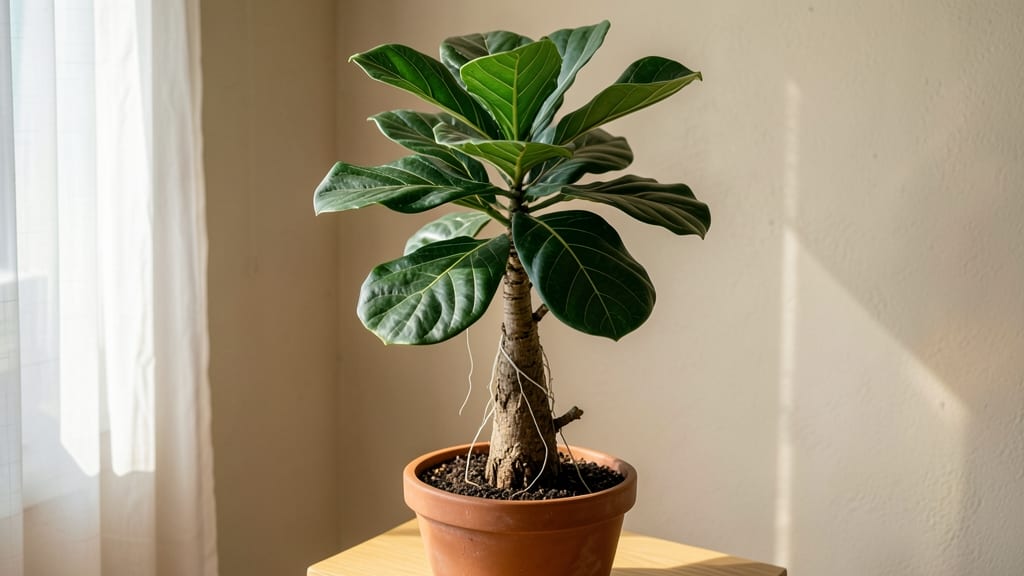
A fiddle leaf fig 🌿 can grow anywhere from 6 to 10 feet tall when given the right conditions, but its size is far more flexible than most people realize.
If you love the striking foliage of fiddle leaf figs but worry about them towering over your ceiling—or your budget—understanding their growth habits is key to keeping them manageable (and thriving).
Indoor plants typically stay shorter due to limited light and space, while outdoor varieties in USDA Zone 6a can reach their full height with proper care. The secret? Pruning, pot size, and light exposure all play a role in controlling its growth.
In this guide, I’ll break down how to keep your fiddle leaf fig at your ideal height, whether you want a compact 3-foot statement piece or a towering 10-foot centerpiece.


Fiddle leaf fig height guide: average growth rates and mature sizes
If you're wondering how tall does fiddle leaf fig grow, the answer depends on whether you're growing it indoors or outdoors. These tropical beauties can reach 8–10 feet tall in ideal outdoor conditions, but indoor plants typically max out around 6–8 feet due to limited space and light.
Understanding their growth stages helps you plan for their eventual size and manage expectations.
The Ficus lyrata grows in distinct stages: juvenile (first 2 years), adolescent (years 3–5), and mature (5+ years). Each stage brings noticeable height increases, especially when given optimal care.
Indoor plants grow slower due to lower light levels, while outdoor plants can surge upward when conditions are perfect. Let’s break down what to expect at each stage.
Fiddle Leaf Fig Growth Summary
| Growth Stage | Height Range (Indoor) | Height Range (Outdoor) | Annual Growth Rate |
|---|---|---|---|
| Juvenile (Years 1–2) | 1–2 ft | 2–3 ft | 6–12 inches/year |
| Adolescent (Years 3–5) | 3–5 ft | 5–7 ft | 12–24 inches/year |
| Mature (Years 5+) | 6–8 ft | 8–10 ft | 6–18 inches/year |
One of the biggest misconceptions about fiddle leaf figs is that they grow rapidly like bamboo. In reality, their growth slows significantly after the first 3 years unless they’re given perfect conditions.
Outdoor plants in USDA Zone 10+ with full sun can grow 2–3 feet per year during their adolescent phase, while indoor plants in low light may only add 4–6 inches annually.
Light is the single biggest factor influencing height. Indoor fiddle leaf figs thrive near east or west-facing windows where they receive bright indirect light for 6+ hours daily. Without enough light, they’ll stretch toward light sources (a condition called etiolation) and grow leggy.
Outdoor plants, on the other hand, bask in direct sunlight, fueling faster vertical growth. If you’re growing yours outside, expect a taller, bushier plant compared to indoor counterparts.
Pot size also plays a role in height control. Fiddle leaf figs are root-bound plants, meaning they grow taller when their roots are confined. If you want to limit height, repot into a larger container every 2–3 years to encourage root expansion rather than upward growth.
A 10–12 inch pot is ideal for indoor plants, while outdoor plants can handle 18–24 inch pots to support their larger size.
Another common question is whether pruning affects height. The short answer: yes, but strategically. Pruning above a leaf node encourages bushier growth, while cutting back stems to the base can reduce overall height. I recommend pruning in early spring when the plant is entering its active growth phase.
This gives it time to recover and regrow before summer heat sets in. Just avoid heavy pruning in winter, as the plant enters dormancy and won’t regrow as vigorously.
Humidity levels also impact growth rates. Fiddle leaf figs are tropical plants that thrive in 50–60% humidity. In dry indoor environments (common in homes with HVAC systems), growth slows down. To boost growth, place a humidifier nearby or use a pebble tray filled with water.
Outdoor plants in humid climates will grow faster and reach their maximum height potential more quickly than those in arid regions.
If you’re concerned about your fiddle leaf fig outgrowing its space, don’t panic. With proper pruning and training, you can keep it at a manageable height. For example, if you want a tabletop-sized plant, prune it back annually and use growth regulators like diluted seaweed extract.
Over time, you’ll have a compact, bushy plant that fits your space without sacrificing its stunning foliage.
Remember, patience is key when growing fiddle leaf figs. Their slow-to-moderate growth means you won’t see dramatic changes overnight, but with consistent care, you’ll end up with a healthy, thriving plant that’s the perfect height for your home or garden.
Whether you’re aiming for a 6-foot indoor statement piece or a 10-foot outdoor specimen, understanding these growth patterns will help you achieve your goal.
5 Proven pruning and training techniques to control fiddle leaf fig height
Fiddle leaf figs are stunning plants, but their natural growth can quickly turn them into towering giants—reaching 8–10 feet indoors if left unchecked. The good news? With the right techniques, you can train your fig to stay compact, bushy, and perfectly sized for your space.
Whether you're dealing with a leggy sapling or a mature plant that’s outgrown its home, these pruning and training methods will help you regain control.
Pruning isn’t just about cutting back—it’s about encouraging healthy regrowth while shaping your plant to fit your aesthetic and living space. The key is timing, technique, and consistency. For example, pruning in spring or early summer gives your fiddle leaf fig time to recover before winter dormancy.
Plus, combining pruning with support systems like stakes or trellises can transform a straggly plant into a lush, manageable centerpiece.
5 Techniques to Limit Fiddle Leaf Fig Height
- 1. Topping Pruning: Cut the main stem just above a leaf node to encourage lateral branching and a bushier shape.
- 2. Air-Layering: Promote root growth on a stem before cutting to create a self-sustaining bush without losing height.
- 3. Staking & Trellising: Use bamboo stakes or trellises to guide growth upward while pruning lower branches for balance.
- 4. Pinching Young Shoots: Remove new growth tips on young plants to stimulate side shoots and prevent vertical dominance.
- 5. Strategic Trimming: Trim long, leggy stems to 1/3 their length to maintain a compact silhouette.
Let’s start with topping pruning, the most effective way to reset your fiddle leaf fig’s height. When you cut the main stem just above a leaf node, the plant will respond by sending out multiple side shoots from that point.
This creates a fuller, wider shape while keeping the overall height in check. For best results, use sterilized pruning shears and avoid cutting into the milky sap, which can cause irritation.
If you’re aiming for a bushier, multi-stemmed look, try air-layering. This technique involves wrapping a section of the stem with damp sphagnum moss and plastic wrap to encourage root growth before severing it from the main plant.
Once rooted, you can plant it separately or leave it attached to create a fuller, layered appearance. Air-layering is perfect for preserving rare varieties or propagating your plant without sacrificing height.
For plants that still need vertical support but shouldn’t sprawl, stakes and trellises are game-changers. Install a bamboo stake or lightweight trellis beside your fiddle leaf fig and gently tie the main stem to guide its growth upward.
As the plant climbs, you can prune lower branches to maintain a clean, vertical line. This method works especially well in low-light conditions, where plants tend to stretch toward light sources.
Don’t overlook the power of pinching for young fiddle leaf figs. When your plant is still in its juvenile stage (under 2 feet tall), pinch off the top 1–2 inches of new growth.
This signals the plant to produce side shoots instead of reaching for the sky. Repeat this every few weeks to encourage a stocky, well-branched structure from the start.
Finally, strategic trimming is all about balance. If your fiddle leaf fig has long, leggy stems that disrupt its shape, trim them back by 1/3 their length to encourage denser growth. Always cut just above a leaf node and avoid removing more than 30% of the plant’s foliage at once.
With these techniques, you’ll keep your fiddle leaf fig lush, manageable, and perfectly sized for years to come. 🪴