
How To
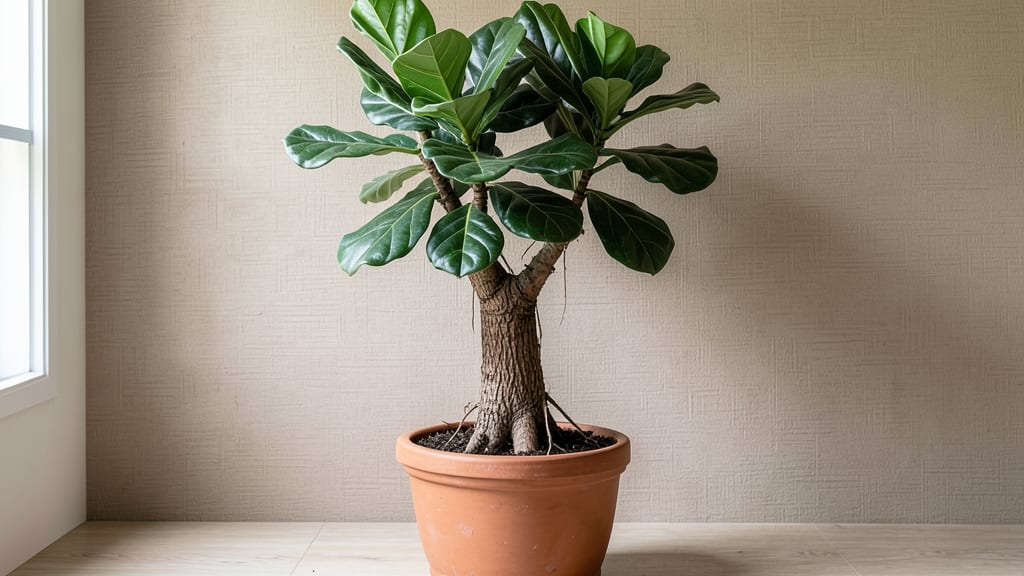
How tall do fiddle leaf figs grow indoors? They typically reach heights between 6 and 12 feet—though their final size depends on the variety, care, and a few clever tricks to control their growth.
If you’ve ever dreamed of a towering fiddle leaf fig but worry it’ll outgrow your living space, you’re not alone. These stunning plants can reach impressive heights indoors—but their growth depends on variety, care, and a little strategic pruning.
Some varieties, like the ‘Compacta’, stay shorter, while others, such as the standard ‘Normalis’, can soar toward the ceiling. The key to managing their height lies in understanding their growth habits and adjusting care accordingly.
In this guide, I’ll break down the exact height ranges by variety, share tips to keep your fiddle leaf fig 🌿 at your desired size, and help you avoid common mistakes that lead to uncontrollable growth.


Fiddle leaf fig height ranges by variety: what to expect indoors
Fiddle leaf figs (Ficus lyrata) are known for their dramatic, violin-shaped leaves and impressive vertical growth. But did you know their mature height can vary wildly depending on the variety?
Some stay compact enough for small apartments, while others need high ceilings to thrive. Understanding these differences helps you choose the right plant for your space—and manage its growth effectively.
The height of your fiddle leaf fig isn’t just about genetics—it’s also influenced by light exposure, pot size, and pruning habits. For example, a plant in a sunny south-facing window with regular pruning might stay shorter than one left in dim corner lighting.
Let’s break down the most popular varieties and their expected indoor heights to help you plan your green space.
The genetics of your fiddle leaf fig play a huge role in its height. For instance, the 'Normalis' variety is a natural tall grower, often reaching 10–12 feet indoors with ideal care.
In contrast, the 'Bambino' or 'Tiny' varieties are bred to stay under 5 feet, making them perfect for small spaces like desks or shelves. If you love the look of fiddle leaf figs but lack vertical space, these dwarf varieties are your best bet.
Light exposure is another critical factor. A south-facing window can push a 'Normalis' to grow 2–3 feet taller than one in a north-facing room. That’s because brighter light triggers faster photosynthesis, which fuels upward growth.
If your plant seems to be stretching toward the light with long, leggy stems, it’s a sign it needs more bright indirect light or a grow light to maintain a compact shape.
Pot size also affects height. Fiddle leaf figs grow faster when root-bound, but this can lead to taller, weaker stems if the roots aren’t given room to spread. To encourage a stockier, bushier plant, repot into a container that’s only 1–2 inches larger in diameter than the current one.
This slight restriction prompts the plant to focus on leaf and stem thickness rather than rapid vertical growth.
Pruning is your secret weapon for controlling height. If your 'Normalis' is shooting toward the ceiling, prune the top 2–3 inches of the stem in early spring. This encourages lateral branching and a fuller, more manageable shape.
For varieties like 'Compacta', minimal pruning is needed—just trim any overly long stems to maintain its natural proportions. Always use sterilized scissors and seal the cut with cinnamon powder to prevent disease.
Don’t forget that leaf size is a great indicator of your plant’s maturity. Larger leaves often
How to control fiddle leaf fig height: pruning and growth hacks
Your fiddle leaf fig’s height isn’t set in stone—it’s a mix of genetics, care, and a few clever tricks. With the right approach, you can encourage taller growth for a dramatic statement plant or keep it compact for cozy spaces.
The key lies in understanding pruning techniques and growth signals your plant sends.
Most fiddle leaf figs grow 6-12 feet tall indoors, but their final height depends on how you train them. For example, the ‘Compacta’ variety naturally stays shorter, while ‘Normalis’ can shoot up like a small tree.
The good news? You can manipulate growth with simple methods like pinching back or strategic stem cutting.
Pruning Methods for Height Control
Encourages bushier growth by removing top growth early.
Promotes taller growth by removing lower leaves to redirect energy upward.
- Pinching: Creates fuller, more branches
- Cutting: Directs energy to upward growth
- Pinching: Slows initial height gain
- Cutting: Can shock plant if overdone
Best for: Pinching = Bushier look | Cutting = Taller growth
To encourage taller growth, focus on cutting back stems in early spring. Choose a healthy stem just above a leaf node and make a clean cut with sterilized pruning shears.
This trick tells the plant to redirect energy upward, often resulting in a 2-3 foot height boost within a year. For a bushier look, pinch off the top set of leaves when your plant has 5-6 mature leaves—this triggers side shoots.
Light exposure plays a critical role too. Place your fiddle leaf fig near a bright, indirect light source (like an east-facing window) to support vertical growth. Avoid direct sunlight, which can scorch leaves and stunt height.
If your plant starts leaning, rotate it quarter-turns every 2 weeks to ensure even growth and prevent lopsided height.
Don’t forget about root-bound conditions—when roots circle the pot, growth slows. Repot every 2-3 years or when roots emerge from drainage holes. Use a pot just 1-2 inches wider than the current one to encourage upward growth rather than outward sprawl.
A well-draining soil mix with perlite or orchid bark also supports healthy root development, which fuels taller stems.
With these growth hacks, you can shape your fiddle leaf fig into the perfect size for your space—whether you want a floor-filling giant or a compact tabletop centerpiece.
The key is consistency: prune in spring, monitor light, and repot as needed. Your plant will thank you with lush, controlled growth! 🌿✂️🪴