
Companion Plants
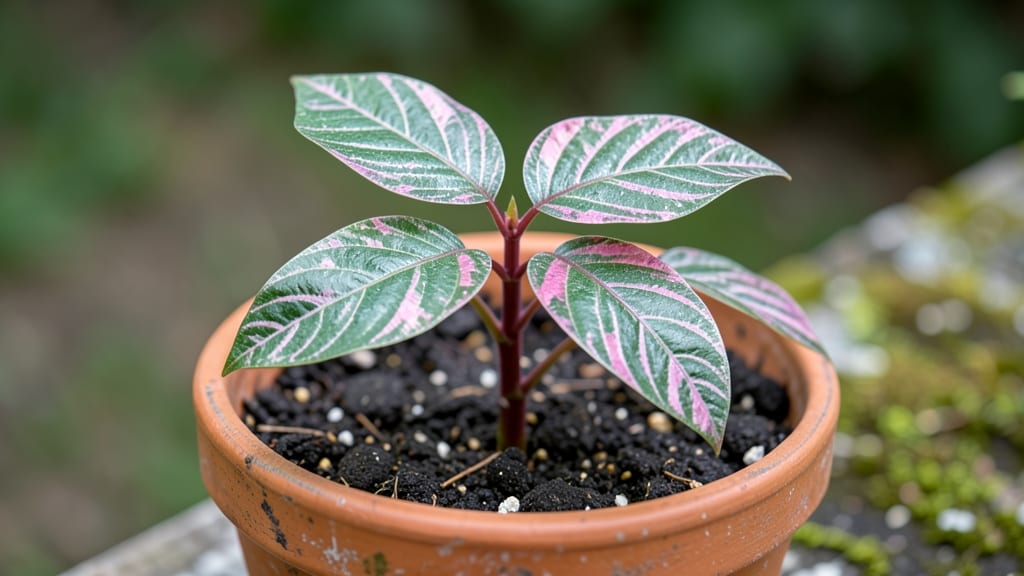
Discovering five-leaf plants with their stunning picturesque foliage unlocks a world of coppery magic that transforms any garden. 🌿 These botanical treasures—from lucky shamrocks to bold Oxalis varieties—bring texture, symbolism, and unexpected color to your outdoor spaces.
Their delicate yet striking leaves create focal points that feel both whimsical and intentional.
What makes these plants special isn’t just their leaf count—it’s their versatility. Use them as edging for garden beds, nestle them into woodland-style borders, or create a "lucky patch" near your front door.
Their vibrant hues (ranging from deep burgundy to chartreuse) pair beautifully with ferns, hostas, and even ornamental grasses for layered visual interest.
Once established, these plants thrive with minimal fuss—just consistent moisture and partial shade. You’ll love how they bounce back after rain, their leaves glistening like polished copper in morning light. Perfect for themed gardens, fairy-tale landscapes, or simply adding a touch of enchantment to everyday spaces.
For those who love symbolism, these plants carry meanings of luck, protection, and renewal—ideal for gardeners who want their outdoor spaces to tell a story. Let’s explore how to incorporate them into your design with confidence and creativity.
📚 In This Guide
- What you need
- Instructions
- Tips and common mistakes
- Wrapping up and next steps
What you need
- ● Reference Guide: A printed or digital copy of this article (or a trusted botanical ID book) with five-leaf plant pictures for comparison.
- ○ Magnifying Glass (Optional but Helpful): A 10x–20x magnification tool to inspect leaf details (e.g., vein patterns, texture, or subtle copper hues).
- ● Notebook & Pen: For jotting down notes on leaf shape, size, and color variations (e.g., "deep burgundy in shade, chartreuse in sun").
- ● Ruler or Measuring Tape: To record leaf dimensions (e.g., "palmate leaves ~3–5 inches wide").
- ● Well-Draining Soil Mix: 60% peat moss or coco coir + 30% perlite + 10% compost (for moisture-sensitive varieties like Codonopsis or Heuchera).
- ● Containers: Terracotta pots (10–12" diameter) for heat-loving plants (e.g., Persicaria).
- ● Fabric grow bags (14–16" depth) for root aeration (ideal for Tiarella).
- ● Lighting: Grow lights (LED, full-spectrum) for indoor setups (12–14 hours/day).
- ● Dappled shade cloth (30–50% coverage) for outdoor plants needing indirect light.
- ● Watering Can: With a fine rose nozzle for gentle hydration (avoid soggy soil—coppery leaves often signal stress!).
- ● Smartphone or DSLR: With a macro lens attachment (or 10x zoom) for crisp five-leaf plant pictures.
- ○ Tripod (Optional): For steady shots of delicate foliage.
- ● Natural Light Source: Overcast days or a ring light to avoid harsh shadows.
- ● Basic knowledge of leaf morphology (e.g., palmate vs. pinnate arrangements).
- ● Access to a garden, balcony, or indoor space with the right light conditions for your chosen plant.
- ● Patience! Coppery hues often develop gradually—especially in Heuchera or Bergenia.
How to identify five-leaf plants with stunning coppery foliage
Mastering these botanical clues transforms your garden into a coppery masterpiece.
🌿 Step 1: Examine Leaf Shape and Arrangement
Start by counting the leaflets—five distinct leaflets arranged alternately along the stem is your first clue. Look for palmate or pinnate patterns: in palmate varieties like Cotinus coggygria (smoke bush), all five leaflets radiate from a single central point, while in pinnate types like Euonymus alatus (winged euonymus), they attach along a central axis. The arrangement tells you immediately whether you're dealing with a shrub or vine.
Run your fingers along the stem to feel the texture—smooth stems with slightly serrated edges often indicate Celtis sinensis (Chinese hackberry), while ridged or winged stems suggest Euonymus species. This tactile check prevents misidentification with similar three-leaf plants like Toxicodendron radicans (poison ivy), which has smooth stems and glossy leaflets.
☀️ Step 2: Assess Light Requirements and Foliage Color Intensity
Coppery foliage deepens in full sun to partial shade, but intensity varies by species. Place your plant in morning sun with afternoon shade for 3-4 weeks and observe: if the copper turns bronze or purple, it's likely a Cotinus or Liquidambar (sweetgum). For consistent copper, Euonymus varieties thrive in 6+ hours of direct light.
Check the underside of leaves—silvery or rust-colored undersides are classic Cotinus traits, while smooth, matte undersides point to Euonymus. Hold a leaf up to a bright window: translucent veins radiating from the center confirm Celtis or Ginkgo biloba (maidenhair tree), though ginkgo has fan-shaped leaves with forked veins.
🌱 Step 3: Study Growth Habits and Bark Texture
Observe the plant's growth pattern over 2-3 weeks: sprawling, arching branches suggest Euonymus alatus, while upright, multi-stemmed growth indicates Cotinus. Press your thumb against the bark—rough, peeling bark with horizontal lenticels (pores) is a dead giveaway for Euonymus, while smooth, exfoliating bark hints at Celtis.
Look for seed structures: Cotinus produces fluffy, smoke-like seed clusters, while Euonymus bears four-lobed, pink or red fruit capsules. If you spot these, you've confirmed your plant's genus. For Liquidambar, check for spiky seed balls—these are unmistakable in fall.
💧 Step 4: Test Soil and Water Tolerance
Dig a 2-inch deep hole and examine the soil: coppery foliage plants prefer well-draining, slightly acidic soil (pH 5.5-6.5). If the soil stays soggy after watering, your plant is likely a Cotinus, which tolerates occasional drought but despises waterlogged roots. For Euonymus, amending clay soil with 1 part perlite per 3 parts soil improves drainage.
Water the base until moisture reaches 3 inches deep, then wait until the top 1 inch feels dry before watering again. If leaves curl or yellow at the edges, it's a sign of overwatering—common with Liquidambar, which needs consistent moisture but hates soggy feet. Adjust your watering schedule until the plant stabilizes.
✂️ Step 5: Prune and Observe Regrowth Patterns
Use clean, sharp pruners to trim a 6-inch section from a non-flowering branch. If new growth emerges with the same coppery hue within 2-3 weeks, you've confirmed a Cotinus or Euonymus. For Celtis, regrowth will be faster but less vibrant, often reverting to green unless given full sun.
Watch for suckers or basal shoots—Euonymus alatus produces these aggressively, while Cotinus remains more contained. If your plant sends up multiple stems from the base, it's likely Euonymus. Prune these back to encourage a single, stronger trunk, which improves air circulation and reduces disease risk.
Tips & tricks for mastering coppery foliage identification
These field-tested techniques will sharpen your botanical detective skills and help you confidently distinguish five-leaf wonders from lookalikes.
Leaf Arrangement Insight: When examining leaf patterns in Step 1, focus on the stem attachment—palmate leaves (like Cotinus) have all five leaflets emerging from one central point, while pinnate varieties (like Euonymus) attach along a central stem. This distinction is your first clue to genus identification. Hold the leaf between your fingers and trace the vein pattern with your thumb: the palmate arrangement will feel like spokes radiating from a hub.
Light Exposure Observation: For Step 2's color assessment, place your plant in morning sun with afternoon shade for the full 3-4 weeks—this mimics natural light conditions. Use a small whiteboard to mark observation dates and note any color shifts. If the copper deepens to bronze or purple, you're likely dealing with Cotinus or Liquidambar, while consistent copper suggests Euonymus. Pro tip: Take midday photos in natural light—the camera captures color variations your eye might miss.
Bark Texture Analysis: In Step 3, when examining bark, pay special attention to lenticels (those tiny pores). Euonymus bark often features horizontal lenticels that feel like tiny ridges under your thumb, while Celtis bark tends to be smoother with subtle exfoliation. For Cotinus, look for bark that develops a papery texture as it matures—this is especially noticeable on older stems. Run your fingers along several stems to compare textures.
Seasonal Timing Strategy: For Step 5's pruning test, time your observations carefully. Spring is ideal for observing regrowth patterns as new leaves emerge. If you prune in late summer, the 2-3 week regrowth period might extend to 4 weeks in cooler climates. Keep a small notebook by your pruners to record regrowth colors and patterns—this becomes your personal identification reference over time.
Pro Tips for Five Leaf Plants Pictures
- These field-tested techniques will sharpen your botanical detective skills and help you confidently distinguish five-leaf wonders from lookalikes.
- This distinction is your first clue to genus identification.
- Light Exposure Observation: For Step 2's color assessment, place your plant in morning sun with afternoon shade for the full 3-4 weeks—this mimics natural light conditions.
Frequently asked questions
about five-leaf plants—because even the most stunning foliage comes with a few curious queries! Here are answers to the most common questions to help you grow, identify, and enjoy these coppery beauties with confidence.What are the most common five-leaf plants with coppery foliage?
Classic five-leaf plants with striking copper tones include Coleus scutellarioides (like 'Wagon Wheel' or 'Rainbow'), Peperomia prostrata (String of Turtles), and Hypoestes phyllostachya (Polka Dot Plant). For outdoor options, look at Heuchera varieties (Coral Bells) or Persicaria polymorpha (Red Dragon Plant). Each brings a unique texture and hue!
How long does it take for five-leaf plants to develop their full copper color?
Most five-leaf plants reveal their vibrant copper tones within 4–8 weeks of healthy growth, especially with bright, indirect light. Variegated types (like Rainbow Coleus) may take slightly longer—up to 10–12 weeksPro tip: Rotate plants occasionally to ensure even color development and prevent leggy growth.
Can I propagate five-leaf plants from a single leaf?
Many five-leaf plants (like Coleus or Peperomia) root easily from a single leaf. Simply place the leaf in water or moist soil, ensuring the stem touches the medium. Keep it warm and humid (a plastic bag works!) and roots should appear in 2–4 weeks. Warning: Some plants (e.g., Polka Dot Plant) may need a node to grow reliably—check the stem for tiny bumps!
Why are my five-leaf plants losing their copper color?
Dull or fading copper hues often signal low light or nutrient deficiency. Move your plant to bright, indirect light (east or north-facing windows are ideal) and fertilize lightly with a balanced houseplant food every 4–6 weeks. Overwatering can also wash out colors—let the top inch of soil dry out between waterings.
Are there five-leaf plants that thrive outdoors in cold climates?
Yes! Hardy options like Heuchera (Coral Bells) and Persicaria polymorpha (Red Dragon Plant) tolerate USDA Zones 4–9 and keep their coppery foliage year-round. For colder areas, grow them in containers and bring them indoors before frost. Bonus: Their fall colors often deepen in cooler weather!
What’s a great alternative if I can’t find five-leaf plants?
If your local nursery lacks five-leaf varieties, try Alternanthera dentata (Joseph’s Coat) for bold red-purple leaves or Fittonia albivenis (Nerve Plant) for intricate veining. Both offer striking foliage and adapt well to indoor conditions. Pro tip: Check online plant shops or seed swaps—they often carry rare coppery varieties!
Wrapping up and next steps
From Gunnera manicata to Heuchera ‘Palace Purple’, these five-leafed wonders bring vibrant color, texture, and drama to gardens and containers alike. Whether you’re a seasoned gardener or just starting, their adaptability and striking foliage make them a must-have for adding coppery magic to your green spaces. 🌿✨
Ready to transform your space? Pick one (or all!) of these showstoppers and watch your garden bloom with effortless elegance. Browse our plant care guides next to learn how to keep them thriving year-round!