
Shrubs
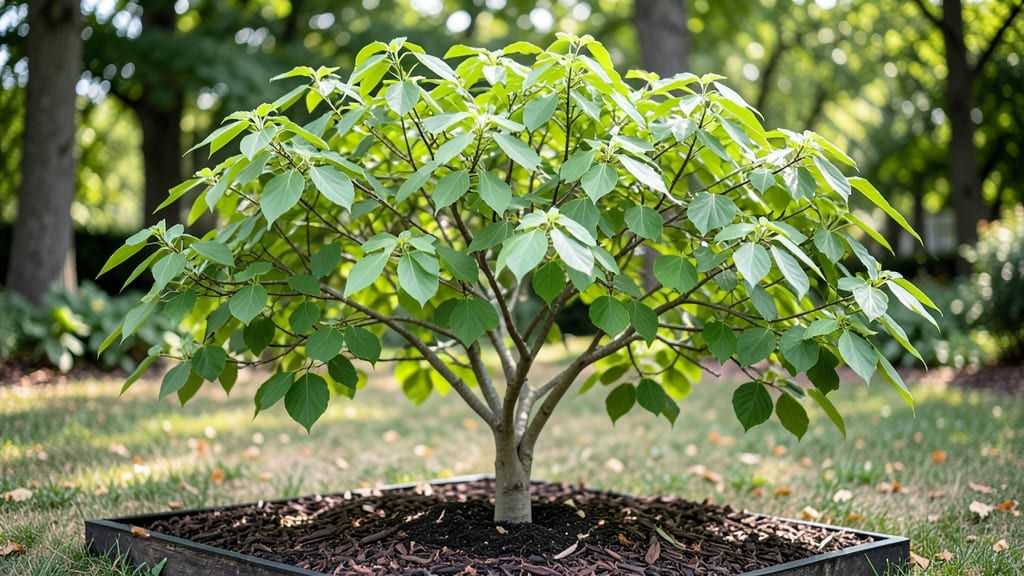
When the red bud leaf turns yellow or spotty, it’s not just a cosmetic issue—it’s a cry for help. 🌿 That citrusy aroma and stunning foliage you love can vanish fast if you ignore early signs like wilting, curled edges, or tiny webs.
The good news? Most problems have simple fixes, from adjusting water habits to a quick spray of soapy water for pests. I’ve saved my own redbuds from decline with these same steps, and yours can thrive too.
Leaf spot diseases and aphids are the top culprits, but don’t panic—both respond well to early action. Start by checking the undersides of leaves for sticky residue (aphids) or dark spots (fungus).
Overwatering or poor drainage often worsens the problem, so ensure your shrub’s soil drains well and water only when the top inch feels dry. A balanced fertilizer in early spring can also prevent nutrient deficiencies that mimic disease symptoms.
Pruning is your secret weapon: remove any heavily spotted or infested branches with clean, sharp shears, and dispose of them in the trash—not your compost. For stubborn pests, neem oil or insecticidal soap works wonders without harming pollinators.
With consistent care, your redbud’s vibrant foliage will bounce back faster than you think—often within a few weeks of intervention.
If the issues persist after a month of treatment, it might be time to consult a local arborist. But in my experience, most redbuds recover beautifully once you address the root cause.
The key is acting fast—don’t wait until the leaves start falling. With the right care, your shrub will reward you with that signature citrusy scent and lush foliage for years to come.
📚 In This Guide
- What you need
- Instructions
- Tips and common mistakes
- Wrapping up and next steps
What you need
- ● Red bud leaf shrub (Cercis canadensis) – Choose a healthy, disease-free specimen from a nursery. Pro tip: Look for ‘Lavender Twist’ or ‘Forest Pansy’ varieties for extra visual flair!
- ● Well-draining soil mix – A blend of 60% topsoil, 30% compost, and 10% perlite/sand (pH 6.0–7.0). For containers, use a lightweight potting mix.
- ● Organic mulch – 2–3 inches of shredded bark or pine needles to retain moisture and regulate soil temperature.
- ○ Slow-release fertilizer – 10-10-10 NPK ratio (apply in early spring). Optional: Use fish emulsion or worm castings for organic options.
- ● Watering can or hose with a gentle spray nozzle – Aim for 1–1.5 gallons per watering for mature shrubs.
- ● Garden trowel or spade – For digging holes twice as wide and slightly deeper than the root ball.
- ● Pruning shears – Bypass-style shears (sharp and clean) for shaping and deadheading.
- ● Gloves – Heavy-duty gardening gloves to protect against thorns (especially on mature shrubs).
- ● Measuring tape – To ensure proper spacing (10–15 feet apart for full-grown shrubs).
- ○ Optional: Soil pH test kit – To check and adjust soil acidity if needed.
- ● Mulch spreader – For even coverage around the base.
- ● Plant support stake – 3–4 foot tall bamboo or metal stake for young or top-heavy varieties.
- ● Sunlight – Full sun to partial shade (6+ hours of direct sun daily). Pro tip: Morning sun is ideal to prevent leaf scorch!
- ● Hardiness zone – USDA Zones 4–9. Red buds are cold-hardy but may need winter protection in Zone 4.
- ○ Water access – A drip irrigation system or soaker hose (optional but highly recommended for drought-prone areas).
- ● Patience! – Red bud shrubs grow 1–2 feet per year and may take 3–5 years to reach full foliage potential.
Step-by-Step guide to growing and caring for red bud leaf shrubs
Here's how to cultivate these fragrant, evergreen shrubs that bring citrusy charm to your garden.
🌱 Step 1: Choose the Perfect Planting Location
Red bud leaf shrubs thrive in partial shade to full sun, but I've found they do best with morning sun and afternoon shade in hotter climates. Look for a spot with well-draining soil—these shrubs hate soggy roots. The ideal location gets 4-6 hours of sunlight daily, but they'll tolerate more shade if your summers are intense.
I always test the soil by digging a 6-inch hole and checking for water drainage. If water pools after 30 minutes, amend the soil with 2-3 inches of compost to improve aeration. These shrubs also appreciate a slightly acidic to neutral soil pH between 6.0-7.0, so test your soil before planting.
🪴 Step 2: Plant with Proper Spacing and Soil Prep
Dig a hole twice as wide as the root ball but only as deep. This allows roots to spread naturally without being buried too deep. Gently remove the shrub from its container and loosen any circling roots with your fingers—this encourages outward growth instead of root-bound stress.
Place the shrub in the hole so the top of the root ball sits 1 inch above soil level. Backfill with native soil mixed with half a cup of slow-release fertilizer to give it a nutrient boost. Water deeply to settle the soil, and you'll see the roots begin to expand within a few weeks.
☀️ Step 3: Water and Mulch for Optimal Growth
Water your red bud leaf shrub deeply once a week during the first growing season, allowing the soil to dry out 2-3 inches deep between waterings. You'll know it's time to water when the top layer of soil feels dry to the touch. Overwatering is a common mistake—these shrubs are surprisingly drought-tolerant once established.
Apply a 2-3 inch layer of mulch around the base, keeping it 3 inches away from the trunk to prevent rot. I use shredded bark mulch because it breaks down slowly and improves soil structure over time. This helps retain moisture while protecting roots from temperature extremes.
✂️ Step 4: Prune for Shape and Health
Prune your red bud leaf shrub in late winter or early spring before new growth begins. Remove any dead, diseased, or crossing branches first—this keeps air circulating and prevents pests. Then, shape the shrub by trimming back overgrown branches to maintain its natural form or desired size.
Never cut into old wood, as these shrubs bloom on new growth. I like to use clean, sharp pruners and make cuts just above a leaf node or bud. After pruning, give the shrub a light watering to help it recover. You'll see fresh, vibrant growth within a few weeks.
🌿 Step 5: Fertilize and Monitor for Pests
Fertilize your red bud leaf shrub in early spring with a balanced, slow-release fertilizer (10-10-10 ratio). Apply it according to package instructions, usually once every 2-3 months during the growing season. Avoid over-fertilizing, as this can lead to excessive leaf growth at the expense of fragrance.
Keep an eye out for common pests like spider mites or aphids, which can weaken the shrub. I spray the leaves with a mild soap solution (1 tablespoon of dish soap per gallon of water) if I spot any signs of infestation. Healthy red bud leaf shrubs should have glossy, fragrant leaves year-round—if you notice yellowing or wilting, check for pests or adjust your watering routine.
Tips & tricks for perfect red bud leaf shrub care
Here's what I've learned from years of growing these fragrant beauties—tricks that'll help your red bud leaf shrubs thrive with minimal effort.
Location Secret: The 4-6 hours of sunlight mentioned in Step 1 is ideal, but here's the thing—if your summers are scorching, morning sun with afternoon shade is actually better. I've seen these shrubs wilt in direct afternoon sun, but they bounce back beautifully with that morning light. Watch for leaf burn on edges during peak summer heat.
Soil Test Hack: That 30-minute drainage test in Step 1 is crucial, but I take it a step further by digging a second hole nearby. If water drains quickly in both spots, you've got perfect conditions. If not, mix in 1 part sand to 3 parts native soil to improve drainage without overwhelming the roots. These shrubs hate soggy feet!
Pruning Pro Tip: When pruning in late winter (Step 4), I always look for those small, swollen buds where new growth will emerge. Cutting just above these buds ensures your shrub will bloom beautifully. And here's a bonus: if you're shaping for hedges, prune in stages—trim 1/3 of the growth at a time over several weeks to avoid shocking the plant.
Fertilizer Timing: The early spring feeding in Step 5 is perfect, but I've found that adding a second light feeding in mid-summer (using half the recommended dose) gives my shrubs that extra boost. Just avoid fertilizing after mid-August—it encourages tender new growth that won't survive winter.
Pro Tips for Red Bud Leaf
- Here's what I've learned from years of growing these fragrant beauties—tricks that'll help your red bud leaf shrubs thrive with minimal effort.
- Location Secret: The 4-6 hours of sunlight mentioned in Step 1 is ideal, but here's the thing—if your summers are scorching, morning sun with afternoon shade is actually better.
- Soil Test Hack: That 30-minute drainage test in Step 1 is crucial, but I take it a step further by digging a second hole nearby.
Frequently asked questions
When is the best time to prune a red bud leaf shrub?
Prune your red bud leaf shrub after it blooms in spring (late March to May) to avoid cutting off next year’s flowers. Light shaping is fine year-round, but avoid heavy pruning in fall or winter, as it can stress the plant. Pro tip: Use clean, sharp shears to prevent disease!
Are red bud leaf shrubs cold-hardy? What zones do they tolerate?
Yes! These shrubs are tough and thrive in USDA zones 6–9. They handle winter well but may drop leaves in extreme cold (<10°F). For extra protection, mulch the base in late fall. Fun fact: Their glossy foliage stays vibrant even in chilly weather!
Why does my red bud leaf shrub have a citrus smell?
The Citrus × burkwilli (a hybrid parent) gives these shrubs their zesty aroma! The scent is strongest when leaves are crushed or bruised. If yours isn’t fragrant, check for pests (like spider mites) or nutrient deficiencies—healthy leaves = happy citrus vibes.
Can I grow red bud leaf shrubs in containers? What size pot do I need?
They adapt well to containers but need at least a 15-gallon pot for mature shrubs. Use well-draining soil and repot every 2–3 years. Place them in full sun for best growth. Warning: Containers dry out faster—water deeply when the top inch of soil feels dry!
What pests or diseases should I watch for with red bud leaf shrubs?
Common issues include:
- Spider mites: Look for webbing on undersides of leaves. Treat with neem oil.
- Scale insects: Sticky residue on leaves? Scrape off or use insecticidal soap.
- Fungal leaf spot: Yellow spots? Improve airflow and avoid overhead watering.
Keep your shrub healthy with regular pruning and mulching to deter problems!
Wrapping up and next steps
The red bud leaf shrub is a true gem for gardeners seeking low-maintenance beauty and fragrant charm. With its vibrant foliage, citrusy aroma, and year-round appeal, it’s a standout addition that brightens any landscape—whether you’re a beginner or a seasoned pro. 🌿✨
Ready to transform your outdoor space? Start by selecting the perfect spot, gathering your supplies, and diving in with confidence. Your garden’s next masterpiece is just a few steps away!