
Succulent
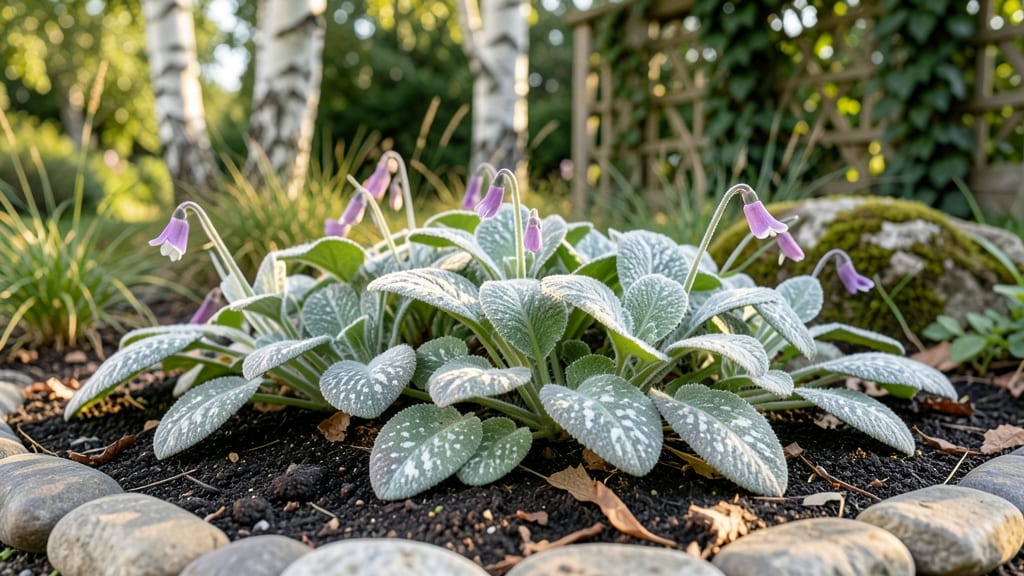
That velvety, coppery-green fuzzy leaf weed creeping into your shade garden isn’t just unsightly—it’s a stealthy resource thief that smothers your prized plants before you even notice. 🌿 I’ve wrestled with it in my own woodland garden, where its soft, fuzzy leaves trick you into thinking it’s harmless until it’s too late.
The problem? It spreads faster than you can pull it by hand, and store-bought sprays often leave your soil—and your conscience—worse for wear.
Most gardeners reach for harsh chemicals first, but vinegar, salt, and boiling water can work just as well—if you apply them at the right time. The key is acting before the weed sends down deep roots, which happens faster in shady, damp spots.
I’ve found that early morning applications (when dew is still on the leaves) give the natural solutions the best chance to stick and work. Even better? These methods won’t harm your shade-loving plants like ferns or hostas if used carefully.
By the end of this guide, you’ll know exactly how to identify fuzzy leaf weeds (yes, there are lookalikes), when to pull vs. spray, and which organic tricks actually work—no guesswork.
You’ll also spot the warning signs that tell you it’s time to call in reinforcements (yes, sometimes even eco-friendly gardeners need a pro’s help). The payoff? A shade garden that stays lush, thriving, and weed-free without sacrificing your soil’s health.
Here’s the thing about fuzzy leaf weeds: they’re opportunists, and they’ll take over if you give them half a chance. But with the right approach, you can outsmart them—permanently. Let’s get started with the tools and timing that actually make a difference.
📚 In This Guide
- What you need
- Instructions
- Tips and common mistakes
- Wrapping up and next steps
What you need
- ● Fuzzy leaf weed plant: 1-3 small cuttings or a single young plant (check local nurseries or online plant shops).
- ● Well-draining potting mix: 1-2 gallons (for indoor pots) or garden soil amended with compost (for outdoor planting). Pro tip: Mix in perlite or orchid bark (10-20%) for extra aeration!
- ○ Containers (optional for indoor): 1-2 small pots (4-6 inches wide) with drainage holes.
- ○ Optional: A decorative cache pot for a polished look.
- ● Gloves: 1 pair (to protect your hands from soil and sap).
- ● Trowel or small shovel: 1 (for transplanting or digging).
- ● Watering can or spray bottle: 1 (for gentle hydration—avoid soggy soil!).
- ○ Misting spray (optional): 1 (to maintain humidity, especially indoors).
- ○ Pruning shears (optional): 1 pair (for trimming leggy stems later).
- ● Shade cloth (outdoor only): 30-50% coverage (if your shade spot gets any direct sun).
- ○ Fertilizer (optional): Balanced liquid fertilizer (10-10-10 or similar) or slow-release granules.
- ● Pro tip: Dilute to half-strength for first feeding!
How to grow and care for fuzzy leaf weed
This striking shade-lover thrives with minimal fuss—here’s how to coax its velvety copper foliage to life.
🌱 Step 1: Choose the Right Spot for Planting
Fuzzy leaf weed loves partial to full shade, especially in hotter climates. Look for a location that receives 3-6 hours of indirect light daily—think dappled sunlight under trees or a north-facing window indoors. Direct afternoon sun can scorch its delicate leaves, so avoid south-facing spots unless you’re in a cooler region.
Check the soil’s moisture level before planting. Stick your finger 1 inch deep—if it feels dry, water the area thoroughly. This weed tolerates moist to slightly soggy soil, so well-draining but consistently damp conditions are ideal. Amend heavy clay with compost or peat moss to improve drainage without sacrificing moisture retention.
🪴 Step 2: Plant in Well-Draining, Moist Soil
Dig a hole twice as wide as the plant’s root ball but only as deep. Gently remove the plant from its container, loosen any tangled roots, and place it in the hole so the top of the root ball sits level with the surrounding soil. Press the soil lightly around the roots to eliminate air pockets—this helps the plant establish quickly.
Water deeply right after planting to settle the soil and eliminate air gaps. Use a slow, steady stream rather than a heavy jet to avoid displacing the roots. Mulch the area with 2-3 inches of organic mulch (like shredded bark or leaves) to retain moisture and suppress weeds. Keep the mulch 2 inches away from the plant’s stem to prevent rot.
☀️ Step 3: Water Consistently Without Overdoing It
Fuzzy leaf weed thrives on consistent moisture but won’t tolerate soggy roots. Water when the top inch of soil feels dry to the touch, typically 2-3 times per week depending on your climate. In hotter months, you may need to water daily, while cooler seasons might only require weekly watering.
Water at the base of the plant in the early morning to reduce evaporation and fungal risks. Avoid wetting the leaves, as prolonged moisture can encourage powdery mildew. If you notice the leaves wilting or turning yellow, it’s a sign of underwatering or poor drainage. Adjust your watering schedule or amend the soil with sand or perlite to improve airflow.
✂️ Step 4: Prune and Maintain for Bushier Growth
Pinch back the tips of new growth in early spring to encourage a fuller, bushier plant. Use clean, sharp scissors to snip just above a set of leaves where you want new branches to form. This pruning also removes any leggy or sparse stems, redirecting the plant’s energy toward denser foliage.
Remove any yellowed or damaged leaves throughout the growing season to keep the plant healthy. Deadheading spent flowers (if any appear) redirects energy back into leaf production. Fuzzy leaf weed is generally low-maintenance, but a light fertilizer application in spring with a balanced, water-soluble fertilizer (like 10-10-10) can boost growth if the soil is nutrient-poor.
🌿 Step 5: Protect from Pests and Winter Conditions
Keep an eye out for aphids or spider mites, which can attack fuzzy leaf weed if stressed. Spray infested areas with neem oil or insecticidal soap for a natural remedy. Avoid harsh chemicals, as they can damage the plant’s delicate foliage. A strong spray of water can also dislodge pests if caught early.
In colder climates, fuzzy leaf weed may go dormant in winter. Reduce watering and mulch heavily to protect the roots. If temperatures drop below 20°F, move potted plants indoors to a bright, cool spot. Resume regular care in spring once new growth appears. With proper care, this shade-loving plant will reward you with bold, velvety foliage year after year.
Tips & tricks for perfect fuzzy leaf weed growth
Here's what nobody tells you about keeping this showstopper thriving—these little details make all the difference.
Lighting Strategy: That 3-6 hours of indirect light is non-negotiable, but here's the secret: east-facing windows are ideal because they provide gentle morning sun without the harsh afternoon heat. If you're using artificial grow lights, position them 12-18 inches above the plant and run them for 12-14 hours daily to mimic natural daylight cycles. Too little light makes leaves pale and sparse, while too much causes that beautiful copper color to fade to green.
Soil Science: The "moist to slightly soggy" soil description can be tricky—think of it like a well-wrung-out sponge. If you're unsure, do the finger test at the same time each week. For container growers, use pots with drainage holes and add a layer of pebbles at the bottom to prevent root rot while maintaining moisture. I've seen fuzzy leaf weed thrive in a mix of 60% potting soil, 30% peat moss, and 10% perlite—this balance keeps roots happy without waterlogging.
Pruning Precision: When you pinch back those tips in early spring, aim for just above a set of leaves where two leaves meet the stem. This is where new growth will emerge. I always use clean scissors and wipe them with rubbing alcohol between cuts to prevent spreading disease. Pro tip: If your plant gets too leggy, you can also prune back the main stems by about one-third to encourage bushier growth—just do this in spring when new growth is starting.
Winter Survival: That 20°F threshold is critical for winter care. If you're in a marginal climate, consider wrapping potted plants in bubble wrap or moving them to an unheated garage or shed where temperatures stay above freezing. For outdoor plants, add an extra 4-6 inches of mulch around the base to create insulation. I've kept fuzzy leaf weed alive through winters as cold as 10°F by combining heavy mulching with a protective layer of burlap wrapped around the pot and secured with twine.
Pro Tips for Fuzzy Leaf Weed
- Here's what nobody tells you about keeping this showstopper thriving—these little details make all the difference.
- Lighting Strategy: That 3-6 hours of indirect light is non-negotiable, but here's the secret: east-facing windows are ideal because they provide gentle morning sun without the harsh afternoon heat.
- Soil Science: The "moist to slightly soggy" soil description can be tricky—think of it like a well-wrung-out sponge.
Frequently asked questions
Got questions about fuzzy leaf weed? You’re not alone!
This striking succulent is full of surprises, and we’ve got answers to the most common ones—from care tips to troubleshooting. Let’s dive in!
Is fuzzy leaf weed really a succulent?
Yes! Despite its soft, fuzzy appearance, Echeveria pulvinata (commonly called fuzzy leaf weed) is indeed a succulent. Its thick, water-storing leaves help it thrive in dry conditions, though it prefers shade over harsh sun. The "fuzzy" texture comes from tiny hairs on the leaves, not moisture retention.
How fast does fuzzy leaf weed grow?
Fuzzy leaf weed grows slowly—about 1–2 inches per year under ideal conditions. Patience is key! It forms tight rosettes and may take years to reach its full 6–8 inch width. Overwatering or inconsistent light can stunt growth, so keep conditions stable.
Can I keep fuzzy leaf weed indoors?
This succulent is perfect for indoor spaces, especially near bright, indirect light (like a north-facing window). Avoid drafts or direct AC vents, and use a well-draining pot with a cactus/succulent mix. Rotate the pot occasionally for even growth.
Why are my fuzzy leaf weed leaves turning yellow?
Yellowing leaves usually signal overwatering or poor drainage. Let the soil dry completely between waterings (stick your finger in—if it’s damp, wait!). Ensure the pot has drainage holes and use a gritty soil mix. Yellow edges can also mean too much sun—move it to a shadier spot.
What’s a good alternative if I can’t find fuzzy leaf weed?
If fuzzy leaf weed is hard to find, try these shade-tolerant succulents with similar vibes:
- Echeveria ‘Lola’ – Rosettes with fuzzy edges and vibrant colors.
- Sedum morganianum (Burro’s Tail) – Trailing stems with plump, powdery leaves.
- Haworthia attenuata – Low-light-friendly with a fuzzy, star-like appearance.
Wrapping up and next steps
Fuzzy leaf weed is a stunning, low-maintenance plant that brings bold texture and coppery charm to shady spots in your garden or home.
Whether you're a seasoned plant parent or just starting, its resilience and striking appearance make it a fantastic choice for adding drama to your space—without the fuss!
Ready to give it a try? Start small—grab a cutting, pot it up, and watch it thrive! Share your fuzzy leaf weed journey with fellow plant lovers, and don’t forget to tag us in your before-and-after shots. 🌿✨