
Pruning
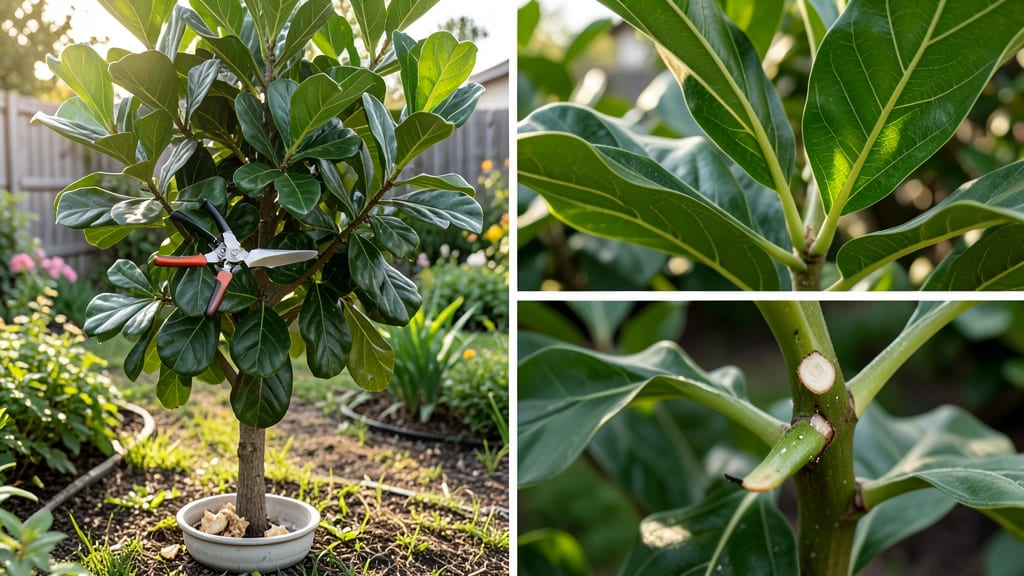
Pruning a fiddle leaf fig tree transforms it from a leggy stick into a lush, bushy showstopper—if you do it right. 🌿 The secret lies in strategic cuts that encourage branching while keeping the plant healthy, not just decorative.
I’ve pruned mine every spring for three years, and the difference in growth is dramatic: dense foliage, stronger stems, and fewer bare spots where pests hide.
Timing matters most—spring is prime, when new growth begins but before summer’s intense heat. You’ll need sharp pruners, rubbing alcohol for sterilization, and a clear idea of where to cut: just above a leaf node (the bump where leaves attach).
This is where new branches will sprout, giving you that coveted bushy look. Avoid cutting too close to the trunk, or you risk damaging the plant’s vascular system.
Start by removing any dead, yellow, or damaged leaves first—they drain energy. Then, cut back leggy stems to encourage branching, and shape the canopy to your preference. After pruning, give your fiddle leaf fig bright, indirect light and hold off on heavy watering for a week to let cuts heal.
Within weeks, you’ll see fresh growth where you made your cuts, proving pruning isn’t just maintenance—it’s an investment in your plant’s future.
This method works for both aesthetic shaping and health—just adjust the intensity. For example, if your fig is overgrown, you might prune 20-30% of the foliage, while a simple trim for shape might only require 5-10%.
The key is consistency: prune at the same time each year, and your fiddle leaf fig will reward you with thicker, fuller growth season after season.
📚 In This Guide
- What you need
- Instructions
- Tips and common mistakes
- Wrapping up and next steps
What you need
- ● Sharp bypass pruners – Choose a pair with stainless steel blades (4-6 inches long) to make clean cuts without crushing stems. Example: Fiskars or Felco pruners.
- ● Rubbing alcohol (70% isopropyl) – A small bottle (4 oz) to disinfect pruners before and after use.
- ● Horticultural shears or loppers – For thicker branches (½ inch or larger), opt for bypass-style shears to avoid tearing.
- ○ Gloves (optional but recommended) – Lightweight gardening gloves to protect against sap irritation or thorns.
- ● Small container or bucket – To collect pruned leaves and stems for composting or disposal.
- ○ Rooting hormone (optional but helpful) – A small tube (1 oz) of fast-acting rooting gel if you plan to propagate cuttings.
- ● Sealing wax or pruning paste – A small jar to coat larger cuts and prevent sap oozing.
- ● Spray bottle with water – To mist leaves before pruning and reduce stress.
- ● Plant food or fertilizer – A balanced liquid fertilizer (e.g., 10-10-10) to give your fiddle leaf fig a post-pruning boost.
- ● Notebook & pen – To sketch your tree’s shape or track growth progress over time.
Step-by-step instructions for pruning a fiddle leaf fig tree
Here's how to transform your tall, leggy fiddle leaf fig into a full, bushy beauty.
🌿 Step 1: Identify the Right Time and Tools
Prune your fiddle leaf fig in early spring, just as new growth begins. This timing gives your plant energy to recover and branch out before summer heat. I always use sterilized pruning shears—wipe the blades with rubbing alcohol first to prevent disease. You'll also want a small spray bottle of water and a pencil to mark spots where you'll cut.
Look for stems that are at least 12 inches tall before making cuts. These longer stems have more energy stored to produce new growth. Avoid pruning during winter dormancy or when your plant is stressed—this is when fiddle leaf figs are most vulnerable to shock.
✂️ Step 2: Make Strategic Cuts for Bushier Growth
Find the spot on each stem where you want to encourage branching. This is usually about 4-6 inches from the base or just above a leaf node (the small bump where leaves grow out). Make your cut at a 45-degree angle, about 1/8 inch above the leaf node. This angled cut helps water run off instead of pooling on the wound.
Don't cut too close to the base—you want to leave enough stem to support new growth. I like to make 2-3 cuts per stem, spacing them evenly around the plant. This creates multiple points where new branches can emerge. After each cut, give the area a quick mist with water to help the plant recover faster.
🌱 Step 3: Encourage New Growth After Pruning
Place your pruned fiddle leaf fig in a spot with bright, indirect light for the first week after pruning. Too much direct sun will stress the plant while it's healing. Keep the soil lightly moist but not soggy—water when the top 1-2 inches of soil feel dry to the touch. You'll see new growth emerging from the leaf nodes within 4-6 weeks.
If your plant looks stressed after pruning (dropping leaves or yellowing), don't panic. This is normal as it adjusts. Give it time and consistent care. I like to fertilize lightly with a balanced liquid fertilizer after 3-4 weeks to support new growth. Just dilute it to half-strength to avoid overwhelming the plant.
☀️ Step 4: Maintain Your Bushy Fiddle Leaf Fig
Once your fiddle leaf fig starts growing new branches, continue to prune lightly every 6-8 weeks to maintain its shape. Pinch off the tips of new growth to encourage even branching. You'll know you're doing it right when you see multiple stems emerging from the same spot where you made cuts.
Rotate your plant every 2-3 weeks so all sides get equal light exposure. This helps prevent leggy growth and keeps your fiddle leaf fig symmetrical. Watch for any stems that grow too long or sparse—these are good candidates for another round of pruning. With consistent care, your once-tall plant will become a full, bushy centerpiece in just a few months.
Tips & tricks for perfect fiddle leaf fig pruning
Transforming your fiddle leaf fig from leggy to lush takes more than just cutting—here's what nobody tells you about getting it right.
Timing is Everything: Early spring is your golden window, but don't wait until buds appear—act when you see the first signs of new growth, usually in late February or early March. I've learned the hard way that pruning too early (winter) stresses the plant, while waiting too long (late spring) means you miss the optimal growth surge. Mark your calendar now!
The 45-Degree Cut Secret: That angled cut isn't just for looks—it's a water management system. The sloped surface prevents water from pooling where you cut, which dramatically reduces rot risk. Use a pencil to practice making clean, precise 45-degree angles on scrap paper first if you're unsure. And always cut just above a leaf node—this is where the plant's growth hormones will kick in to produce new branches.
Stress Management After Pruning: The first week is critical. Move your plant to bright, indirect light immediately after pruning and keep the soil consistently moist (but not soggy). I've seen plants recover beautifully when I followed this, while others struggled when I overwatered during this sensitive period. A quick mist with your spray bottle right after cutting helps the plant recover faster by preventing shock.
Growth Tracking System: Use a ruler to measure your plant's height before and after pruning—aim for cutting back to about 60% of its current height. This gives you a measurable goal and helps you track progress. I keep a small notebook by my plant to record measurements and growth spurts. You'll notice new growth appearing at the leaf nodes within 4-6 weeks if everything's right.
Pro Tips for Fiddle Leaf Fig Tree Pruning
- Transforming your fiddle leaf fig from leggy to lush takes more than just cutting—here's what nobody tells you about getting it right.
- Timing is Everything: Early spring is your golden window, but don't wait until buds appear—act when you see the first signs of new growth, usually in late February or early March.
- The 45-Degree Cut Secret: That angled cut isn't just for looks—it's a water management system.
Frequently asked questions
When is the best time to prune a fiddle leaf fig?
The ideal time is late winter or early spring (just before new growth starts). Avoid pruning during fall or winter when the plant is dormant—it can stress the tree and slow recovery. If you spot dead or yellowing leaves anytime, remove them immediately to prevent disease.
How much can I trim my fiddle leaf fig without harming it?
You can safely remove up to 25-30% of the foliage in one session. For shaping, trim back leggy stems to just above a leaf node (where new growth emerges). Over-pruning (beyond 30%) may shock the plant, but it’ll bounce back with proper care—just reduce watering temporarily.
What if my fiddle leaf fig doesn’t grow back after pruning?
If new growth doesn’t appear within 4–6 weeks, check for:
- Underwatering: Fiddle leaf figs need consistently moist (not soggy) soil.
- Low light: Move it to bright, indirect light (e.g., near a north or east window).
- Root issues: Repot if roots are circling or the soil smells foul.
Can I propagate my fiddle leaf fig cuttings from pruning?
Dip 4–6 inch cuttings in rooting hormone (optional) and place them in water or moist perlite. Keep the soil warm (70–75°F) and humid (use a plastic bag). Roots typically form in 3–6 weeks. Once rooted, transplant to well-draining soil.
What should I avoid when pruning a fiddle leaf fig?
Steer clear of these mistakes:
- Using dull tools: Always sterilize shears with rubbing alcohol to prevent sap-borne infections.
- Pruning in direct sunlight: Stress from heat + cuts = sap oozing. Do it in shade.
- Over-trimming healthy leaves: Focus on dead, yellow, or leggy growth to maintain the plant’s energy.
Wrapping up and next steps
Pruning your fiddle leaf fig isn’t just about trimming—it’s about revitalizing and encouraging that lush, bushy growth you love! 🌿 With the right tools, timing, and technique, you’ll keep your plant thriving while shaping it to perfection.
Remember, confidence comes with practice, so don’t hesitate to start small and observe how your tree responds.
Ready to take the next step? Monitor your plant’s progress after pruning and adjust your care routine as needed. Soon, you’ll have a stunning, healthy fiddle leaf fig that’s the envy of every plant lover! 🌱✨