
Plants
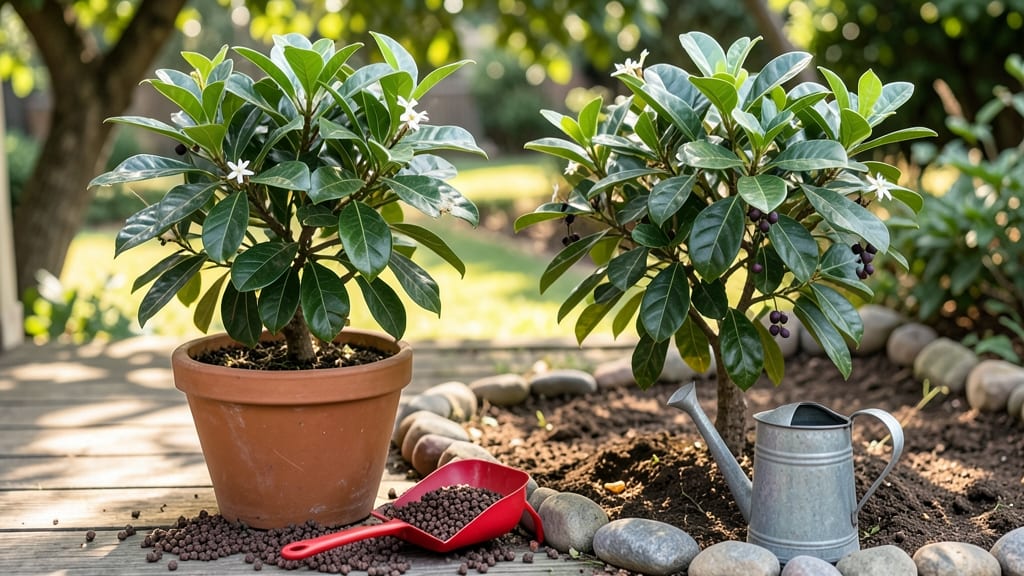
Finding the right fertilizer for your curry leaf plant 🌿 is the secret to bigger, healthier leaves and fewer pest problems—because this tropical herb demands specific nutrients to thrive.
Struggling to keep your curry leaf plant thriving? The right fertilizer can transform its growth—boosting leaf size, accelerating new foliage, and even strengthening its natural pest defenses. But not all fertilizers work equally for this tropical gem.
Most gardeners overlook the NPK balance that curry leaf plants crave—too much nitrogen burns leaves, while weak blends slow growth. I’ll walk you through the best organic and synthetic options, seasonal feeding schedules, and DIY recipes to keep your plant lush year-round.
By the end, you’ll know exactly when to feed, how to spot nutrient deficiencies, and which fertilizers to avoid—so your curry leaf plant grows faster and stays pest-free.

Best organic fertilizers for curry leaf plants: nutrient breakdown for maximum growth
Your curry leaf plant (Murraya koenigii) thrives when fed the right nutrients, but organic fertilizers offer more than just growth—they enhance leaf flavor, boost pest resistance, and improve root vitality.
Unlike synthetic options, organic fertilizers release nutrients slowly, mimicking natural soil conditions. For curry leaf plants, nitrogen-rich organic fertilizers are key to lush foliage, but phosphorus and potassium play critical roles too.
The challenge? Not all organic fertilizers are equal. Some provide quick fixes, while others build long-term soil health. For example, neem cake doubles as a fertilizer and natural pest repellent, while fish emulsion delivers an instant nitrogen boost.
Let’s break down the best organic options, their NPK ratios, and how to apply them for maximum results.
Neem cake is my top recommendation for curry leaf plants because it combines nitrogen with natural pest-deterrent properties. The 3-1-1 NPK ratio supports leafy growth while the compound azadirachtin keeps aphids and whiteflies at bay. Sprinkle it around the base in dry season (March-April) and mix lightly into the topsoil. For potted plants, reduce to ½ tbsp to avoid overloading small containers.
If you need a quick nitrogen fix, fish emulsion is unmatched. Its 5-1-1 NPK ratio delivers instant results, making it ideal for new growth phases after pruning.
Dilute it to 1 tbsp per gallon of water and apply as a foliar spray or soil drench every 4 weeks during monsoon season (June-September). The bonus? It also improves leaf glossiness, a hallmark of healthy curry leaves.
Compost tea might seem subtle, but it’s a game-changer for root health and microbe activity. Unlike solid fertilizers, it delivers beneficial bacteria and humic acids that enhance nutrient uptake. Brew it fresh (soak compost in water for 24 hours, strain) and use it every 2 weeks during active growth. For container-grown plants, this is the safest way to avoid salt buildup from over-fertilizing.
Lastly, vermicompost is the ultimate slow-release fertilizer. Its 1-0.5-0.5 NPK ratio gently feeds roots over time, reducing the risk of nutrient burn. Mix 1 cup into the soil at planting and top-dress annually.
This is especially useful for mature plants where you want to maintain soil structure without frequent feeding. The worm castings also improve water retention, critical for curry leaf plants in hot, dry climates.
For urban gardeners with limited space, combine fish emulsion (for quick growth) with compost tea (for root health) every 6 weeks. If pests are an issue, alternate with neem cake every 3 months.
Always water the soil before applying liquid fertilizers to prevent root burn. And remember: less is more—over-fertilizing can lead to yellowing leaves or stunted growth.
Pro tip: Test your soil’s pH (6.0-7.0 ideal) before fertilizing. Curry leaf plants thrive in slightly acidic to neutral soil. If your soil is too alkaline, mix in coffee grounds or peat moss to balance it before applying fertilizers. This small step can double your plant’s nutrient absorption.
🌿
How to apply fertilizer for curry leaf plants: step-by-step schedule for healthy foliage
Your curry leaf plant (Murraya koenigii) thrives when fed the right nutrients at the right time. Unlike many herbs, it responds best to a seasonal fertilizer schedule that aligns with its natural growth cycles.
Skipping this step often leads to stunted growth or yellowing leaves—even when you’re watering perfectly. The key is balancing nitrogen for leafy growth, phosphorus for root strength, and potassium for pest resistance, all while avoiding over-fertilization.
I’ve grown curry leaf plants in containers and garden beds for years, and the difference between a lush, productive plant and a struggling one comes down to timing and dosage.
Urban gardeners with limited space can use DIY organic blends, while those with outdoor plots might opt for compost tea or vermicompost. Let’s break down the step-by-step schedule that’s worked for me, including how to spot signs of over- or under-fertilization.
- 1 Pre-Monsoon (Feb–March): Apply a light nitrogen-rich feed (e.g., 1 tbsp compost or diluted fish emulsion) to stimulate new shoots. Test soil pH—aim for 6.0–6.5. Avoid synthetic fertilizers to prevent salt buildup.
- 2 Monsoon (June–September): Skip synthetic fertilizers—heavy rain leaches nutrients. Instead, top-dress with 2 inches of compost or use neem cake (1 tbsp/plant) for slow-release nutrients. Focus on mulching to retain moisture.
- 3 Post-Monsoon (Oct–Nov): Switch to a balanced fertilizer (10-10-10) or vermicompost tea to replenish depleted soil. Reduce dosage by 50% if leaves show burn signs (brown edges). Water thoroughly after application.
- 4 Winter (Dec–Jan): Pause fertilization entirely in cold climates (USDA Zones 6–8). For indoor plants, a monthly foliar spray of diluted seaweed extract supports growth without overloading roots. Monitor for pale leaves (nitrogen deficiency) or crispy edges (over-fertilization).
- 5 DIY Urban Blend: Mix 1 part neem cake, 1 part compost, and 1 part coconut coir. Apply 1 cup per plant every 8 weeks during active growth. This mimics tropical forest nutrient cycles without chemicals.
For urban gardeners with limited space, I recommend a DIY compost tea made from kitchen scraps (avoid citrus or onions—they alter soil pH). Steep 1 cup compost in 5 gallons water for 24 hours, strain, and spray on leaves and soil.
This foliar feed delivers nutrients directly to the plant while improving pest resistance.
Watch for yellowing leaves (nitrogen deficiency) or brown leaf tips (over-fertilization). If you see white crust on soil, flush the pot with water immediately—this is a sign of salt buildup from synthetic fertilizers.
Adjust your schedule based on these cues, and your curry leaf plant will reward you with glossy, aromatic foliage year-round.
Pro tip: Always water your plant 24 hours before fertilizing to prevent root burn. And if your plant is potted, repot every 2–3 years to refresh the soil—even with the best fertilizer, nutrients deplete over time.