
Leaf Blower
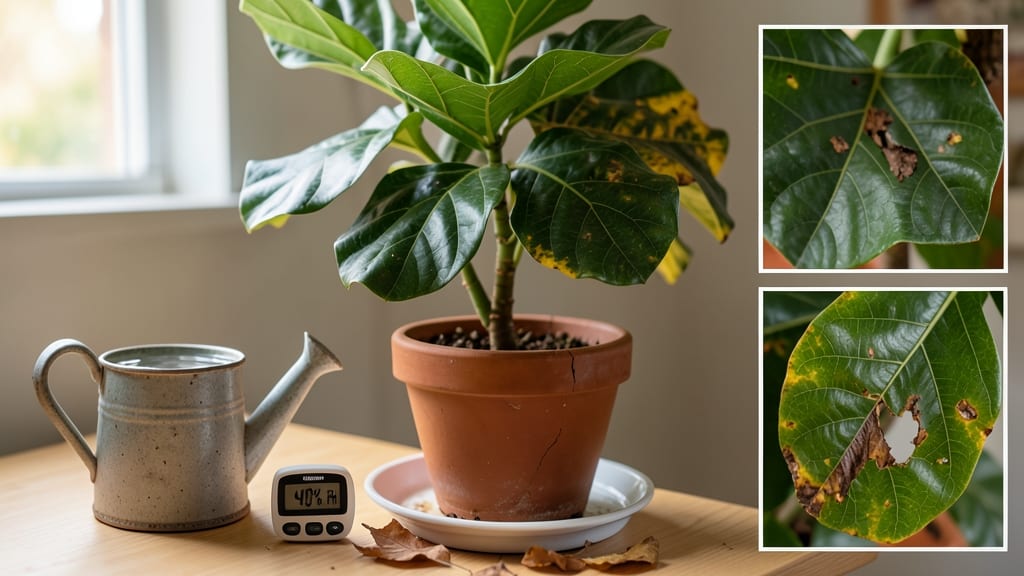
Your fiddle leaf fig leaves falling off is usually a cry for help—not just from the plant, but from you too. 🌿 I’ve seen this happen after my own overzealous watering (and yes, I mean that literally), and it’s almost always fixable with a few simple adjustments.
The key is figuring out whether it’s thirst, stress, or something sneaky like pests causing the problem.
Most cases boil down to two big mistakes: underwatering (which dries out the roots) or overwatering (which suffocates them). Check the soil—if it’s bone dry two inches down, water thoroughly until it drains from the bottom.
If it’s soggy, let the top few inches dry out completely before touching it again. Pests like spider mites or scale can also trigger leaf drop, so inspect the undersides of leaves for tiny webs or sticky residue.
Once you identify the issue, the fix is straightforward: adjust your watering routine, wipe down leaves with neem oil for pests, or move the plant away from drafts if environmental stress is the culprit.
Within a few weeks, you’ll see new growth pushing through, and those lost leaves will feel like a distant memory. The secret? Consistency—fiddle leaf figs thrive on routine, not guesswork.
This works for both indoor plants and those in bright, indirect light spots. The same principles apply whether your plant is in a pot or a stylish planter—just pay attention to its signals. You’ve got this! Let’s get those leaves perking up again.
Root Causes Behind Dropping Leaves
Understanding why your fiddle leaf fig (Ficus lyrata) is shedding leaves starts with identifying the environmental stressors and care mistakes triggering its natural defense response. This tropical beauty drops leaves as a survival mechanism—think of it like a plant version of "I’m not happy here!"
Here’s a breakdown of the most common culprits and the science behind them.
Fiddle leaf figs hate soggy roots—their native habitat in West African rainforests features well-draining soil and distinct wet/dry cycles. When roots sit in waterlogged conditions for too long, they suffocate, leading to root rot (Phytophthora or Pythium fungi) and nutrient starvation.
The plant responds by shedding lower leaves to conserve energy.
The science:
- Oxygen deprivation in waterlogged soil forces roots to switch to anaerobic respiration, producing toxic ethanol and acetaldehyde.
- Fungal/bacterial infections thrive in moist, compacted soil, blocking water and nutrient uptake.
- Leaf drop signals: Yellowing leaves, mushy stems, or a foul odor from the soil.
Actionable fix:
- Check soil moisture by sticking your finger 2–3 inches deep—water only when the top 50% feels dry.
- Upgrade your pot to one with drainage holes and use a chunky, airy mix (e.g., 50% potting soil, 30% perlite, 20% orchid bark).
- Repot if needed: If roots are black/mushy, trim healthy ones, treat with hydrogen peroxide (3%), and repot in fresh, sterile soil.
While fiddle leaf figs tolerate some drought, prolonged dryness causes cellular dehydration, triggering abscisic acid (ABA) production—a plant hormone that signals leaf drop to reduce water loss. Severe cases lead to wilting, crispy edges, and eventual leaf abscission (the technical term for shedding).
The science:
- ABA hormone surge closes stomata (leaf pores) to prevent water loss but also weakens leaf attachment points.
- Plasmolysis occurs when plant cells shrink from water loss, damaging tissue and accelerating leaf death.
- Leaf drop signals: Dry, papery leaves, curled edges, or a "thirsty" appearance despite recent watering.
Actionable fix:
- Water deeply but infrequently—aim for 1–2 times per week in summer, every 2–3 weeks in winter (adjust for humidity/climate).
- Use room-temperature water to avoid shocking roots with cold.
- Mist leaves (lightly!) to boost humidity, but avoid soggy soil.
- Pro tip: 💡 Group plants together to create a microclimate—fiddle leaf figs love humidity levels of 40–60%.
Fiddle leaf figs thrive in stable, warm conditions (65–85°F) and hate sudden temperature swings or cold drafts. Drafts from AC vents, windows, or doors can cause transpirational stress, where leaves lose moisture faster than roots can replace it.
Extreme cold (below 50°F) can also damage cells, leading to leaf drop.
The science:
- Cold stress disrupts membrane integrity in leaf cells, causing chlorophyll breakdown and tissue death.
- Drafts create uneven moisture loss, leading to physiological leaf drop (the plant "chooses" to drop leaves to protect vital functions).
- Leaf drop signals: Brown spots, wilting, or leaves dropping overnight after a cold snap.
Actionable fix:
- Keep away from drafts—AC vents, heaters, and open windows are enemies.
- Avoid placing near glass doors/windows in winter (cold glass radiates chill).
- Use a heat mat (set to 65°F) if your home dips below 60°F at night.
- Rotate the plant occasionally to ensure even light exposure (but avoid drafty spots!).
Fiddle leaf figs need bright, indirect light to photosynthesize efficiently. Too much direct sun causes sunburn (leaf scorch), while low light weakens the plant, making it prone to pests/disease and leaf drop.
The science:
- Excess light generates reactive oxygen species (ROS), damaging chloroplasts and causing oxidative stress.
- Low light reduces chlorophyll production, leading to etiolation (weak, leggy growth) and eventual leaf abscission.
- Leaf drop signals:
- Sunburn: White/yellow patches, crispy edges.
- Low light: Small, pale leaves; elongated stems; leaves dropping from the bottom up.
Actionable fix:
- Ideal light: East or north-facing windows, or 6–10 feet from a south/west window with sheer curtains.
- Rotate the plant weekly for even growth.
- Supplement with grow lights (12–14 hours/day) if natural light is insufficient.
- Avoid south-facing windows in hot climates—use a light filter or move the plant back.
Pests like spider mites, mealybugs, or scale insects weaken fiddle leaf figs by sucking sap, leading to nutrient deficiencies and stress-induced leaf drop. Fungal diseases (e.g., leaf spot) can also cause premature shedding.
The science:
- Pests inject toxins and disrupt phloem transport, starving leaves of sugars.
- Fungal/bacterial infections (e.g., Botrytis cinerea) clog stomata, preventing gas exchange.
- Leaf drop signals:
- Pests: Sticky residue (honeydew), webbing, or tiny bugs on undersides.
- Disease: Dark spots, yellow halos, or moldy growth.
Actionable fix:
- Isolate the plant if pests are suspected.
- Wipe leaves with neem oil soap (1 tsp neem oil + 1 quart water) or insecticidal soap.
- Prune affected leaves with sterilized scissors and dispose of them.
- Improve airflow to prevent fungal spread—avoid overcrowding plants.
Fiddle leaf figs need balanced nutrients (nitrogen, phosphorus, potassium) but suffer from both deficiencies and excess. Overfertilizing burns roots, while deficiencies weaken the plant, making it drop leaves to conserve energy.
The science:
- Nitrogen deficiency (yellowing lower leaves) or potassium deficiency (weak stems, brown leaf edges) disrupt protein and enzyme production.
- Overfertilizing (especially with synthetic salts) causes osmotic stress, where roots can’t absorb water properly.
- Leaf drop signals:
- Deficiency: Yellowing between veins (nitrogen), weak growth.
- Overfertilization: Crispy leaf edges, white crust on soil.
Actionable fix:
- Fertilize lightly in spring/summer with a balanced liquid fertilizer (10-10-10 or 20-20-20), diluted to half-strength.
- Flush soil every 3–4 months with water to prevent salt buildup.
- Use organic options like fish emulsion or worm castings for slow-release nutrients.
- Pro tip: 🌡️ Wait until spring to fertilize—dormant plants in winter don’t need extra nutrients!
Fixing Dropping Leaves Fast
When your fiddle leaf fig starts shedding leaves, panic isn’t the answer—action is! The good news? Most causes have simple, effective fixes. Below, we’ve mapped out step-by-step solutions for each trigger, plus prevention tips to keep your plant thriving. Let’s get those leaves back where they belong—on the tree!
Signs: Yellowing leaves, mushy stems, or crispy brown edges + leaves falling off.
🔥 Fix It:
- Check the soil – Stick your finger 1-2 inches deep. If it’s soggy (overwatered) or bone-dry (underwatered), adjust immediately.
- Repot if needed – If roots smell rotten or look mushy, repot in fresh, well-draining soil (a mix of potting soil + perlite works).
- Adjust your watering routine – - Overwatered? Let the top 2-3 inches dry out before watering again. - Underwatered? Water deeply until it drains from the bottom, then wait 3-5 days before checking moisture again.
- Improve drainage – Ensure the pot has drainage holes and use a cache pot (a decorative tray under the plant) to catch excess water.
💡 Prevention Tips:
✅ Water only when the topsoil is dry – No set schedule; finger-test first! ✅ Use a moisture meter – $10 lifesaver for fiddle leaf fig owners. ✅ Avoid saucers full of water – Empty excess from cache pots after 30 mins.
Signs: Leaves turning yellow, brown spots, or falling off—especially near windows.
🍳 Fix It:
- Move it to bright, indirect light – East or north-facing windows are ideal. South/west? Use a sheer curtain to diffuse harsh rays.
- Rotate the plant weekly – Ensures even growth and prevents one-sided light stress.
- Supplement with grow lights – If natural light is weak (e.g., winter), a 12-hour LED grow light 12-18 inches away can help.
🌡️ Prevention Tips:
✅ Avoid cold drafts – Keep away from AC vents or glass doors in winter. ✅ Watch for sunburn – If leaves get white/yellow patches, it’s too much direct sun. ✅ Observe leaf color – Dark green = happy; pale yellow = needs more light.
Signs: Sudden leaf drop, crispy edges, or wilting—especially near heaters/AC.
👨🍳 Fix It:
- Stabilize temperatures – Keep your fiddle leaf fig in 65–75°F (18–24°C). Avoid drastic changes (e.g., moving from a warm room to a cold porch).
- Boost humidity – - Pebble tray method: Place the pot on a tray of water + pebbles (not touching water). - Humidifier nearby – Aim for 40–50% humidity. - Mist lightly (but not too much—this can cause fungal issues).
- Avoid drafts – Keep away from doors, windows, or vents that create sudden temperature swings.
🎯 Prevention Tips:
✅ Group plants together – Creates a microclimate with higher humidity. ✅ Use a hygrometer – Tracks humidity levels like a pro. ✅ Wipe leaves weekly – Dust blocks light absorption and stresses the plant.
Signs: Sticky residue, tiny bugs, yellowing leaves, or black spots.
🔪 Fix It: 1. Identify the pest –
- Spider mites? Tiny webs on undersides of leaves.
- Scale insects? Bumpy brown/white spots.
- Fungal spots? Dark, circular marks (often from overwatering).
- Treat accordingly – - Pests: Wipe leaves with neem oil solution (1 tsp neem oil + 1 tsp mild soap + 1 quart water). Repeat every 5–7 days. - Fungus: Trim affected leaves, repot in fresh soil, and avoid watering overhead.
- Quarantine the plant – Keep it separate until pests/disease are gone.
✨ Prevention Tips:
✅ Inspect new plants – Quarantine for 2 weeks before introducing to your collection. ✅ Clean leaves regularly – Dust attracts pests. ✅ Avoid overwatering – Fungal issues thrive in soggy soil.
Signs: Yellowing between veins (chlorosis), slow growth, or weak stems.
🍎 Fix It:
- Fertilize lightly – Use a balanced liquid fertilizer (10-10-10) diluted to half strength every 4–6 weeks in spring/summer. Skip in fall/winter.
- Check pH levels – Fiddle leaf figs prefer slightly acidic soil (6.0–6.5).
Test with a soil pH kit if leaves look unhealthy despite water/light fixes. 3. Repot annually – Refresh soil to replenish nutrients (spring is best).
📊 Prevention Tips:
✅ Don’t over-fertilize – More isn’t better; burns roots fast. ✅ Flush the soil – Once a year, water thoroughly to rinse out salt buildup. ✅ Use organic options – Fish emulsion or worm castings are gentler than synthetic fertilizers.
Pro Tip: 🌿 Patience is key! It can take 4–6 weeks to see improvement after adjusting care. If leaves are already dropping, focus on stabilizing conditions—new growth will return once the plant recovers.
Frequently asked questions about fiddle leaf fig leaves falling off
Why do fiddle leaf fig leaves drop suddenly?
Sudden leaf drop usually signals environmental stress. The most common triggers are overwatering (causing root rot) or underwatering (triggering drought stress). Other culprits include temperature swings (below 60°F) or drafts from AC vents. Check soil moisture first—if it's soggy or bone dry, adjust immediately.
Is it normal for fiddle leaf figs to lose leaves in winter?
Some leaf drop is normal in winter due to lower light levels and reduced growth, but excessive shedding suggests stress. Reduce watering to every 2-3 weeks (let soil dry completely between waterings) and ensure stable temperatures above 60°F. Grouping plants together creates a humid microclimate that helps.
How can I tell if my fiddle leaf fig is overwatered vs. underwatered?
Overwatered plants show yellowing leaves, mushy stems, and a foul soil odor. Underwatered plants have crispy brown edges, dry soil 2+ inches deep, and drooping leaves that don't bounce back when watered. Stick your finger in the soil—if it's soggy (overwatered) or completely dry (underwatered), adjust your routine.
Will my fiddle leaf fig grow back leaves after they fall off?
Yes! Once you correct the underlying issue (water, light, or temperature), your fiddle leaf fig will produce new growth within 4-6 weeks. Focus on stabilizing conditions first—new leaves will emerge from the stem nodes. Just avoid fertilizing during recovery, as stressed plants can't process extra nutrients.
Can I save a fiddle leaf fig with black spots on the leaves?
Black spots usually indicate fungal disease (like leaf spot) from overwatering or poor airflow. Trim affected leaves with sterilized scissors, repot in fresh, well-draining soil, and avoid watering overhead. Increase airflow by moving other plants away and consider a neem oil spray (1 tsp oil + 1 quart water) for prevention.