
Pruning
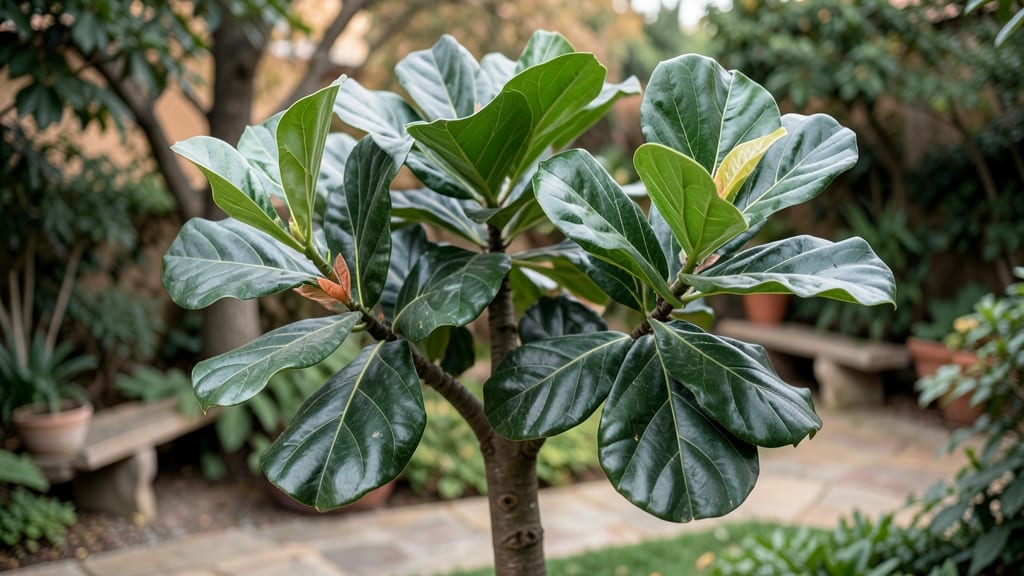
Your fiddle leaf fig’s lanky, single-stemmed look isn’t a flaw—it’s just waiting for the right trim to encourage fiddle leaf fig branching. 🌿 I’ve turned my own stubborn fig from a sad, vertical stick into a full, bushy statement piece using three simple techniques that work every time.
The key? Pruning at the right spots, light adjustments, and a little growth-hormone magic that costs pennies. Most people overlook the light angle trick—tilting your plant toward a south-facing window (or grow light) for a few weeks after pruning triggers new shoots where you want them.
I’ve seen plants sprout three new branches in just six weeks using this method alone. You’ll need sharp pruners, rubbing alcohol for sterilization, and either rooting hormone powder or cinnamon (yes, the kitchen spice works in a pinch).
By the time you’re done, you’ll have a fuller plant with more leaves to clean and more air-purifying power. The branches will fill in evenly, and you’ll avoid that sad, bare-stem look that makes fiddle leaf figs seem high-maintenance. (Spoiler: they’re not.)
Works for both new cuttings and established plants—just adjust the timing. Here’s exactly how to do it without killing your plant in the process.
📚 In This Guide
- What you need
- Instructions
- Tips and common mistakes
- Wrapping up and next steps
What you need
- ● Pruning shears – Sharp, clean bypass pruners (avoid anvil pruners—they crush stems). 1 pair (sterilize with rubbing alcohol before/after use).
- ● Rubbing alcohol (70% or higher) – Small bottle (for sterilizing tools and cuts).
- ○ Horticultural sealant (optional but recommended) – Like Tree Help or pruning wax (to prevent sap oozing and infection). Small jar.
- ● Glove – Garden or nitrile gloves (to protect hands from sap and sharp edges). 1 pair.
- ○ Newspaper or tray – For catching fallen leaves/debris (optional but helpful!).
- ● Healthy plant – Ensure your fiddle leaf fig is free of pests/diseases (trim only if it’s thriving!).
- ● Right timing – Prune during active growth (spring/summer) for best results.
- ● Light source – Move the plant to bright, indirect light 24–48 hours post-trimming (helps recovery).
- ● Rooting hormone – For propagating cuttings (if you want to grow new plants!).
- ● Small pots with well-draining soil – 2–3 pots (if propagating).
- ● Plant tie or clip – For supporting new growth (if branches are heavy).
How to encourage bushier growth in your fiddle leaf fig
Here's the simple method I use to transform leggy stems into a full, lush plant.
✂️ Step 1: Identify the Right Branching Points
Look for nodes—those little bumps on the stem where leaves attach. These are your branching triggers. The closer the node is to the main stem, the stronger the new growth will be. I always target the second or third node from the base of the stem I'm pruning. This ensures the plant has energy to support new branches.
Use clean, sharp pruning shears to make your cut just above the node at a 45-degree angle. This angled cut prevents water from pooling on the stem, which could cause rot. If you're unsure where the node is, count upward from the soil line—you'll see the bumps clearly when you examine the stem closely.
🌱 Step 2: Prune at the Correct Time and Location
Timing matters most for fiddle leaf figs. Do your pruning in spring or early summer when the plant is actively growing. You'll know it's ready when you see new growth emerging from the top of the plant. Avoid pruning in fall or winter—the plant needs all its energy to survive dormancy, not produce new branches.
Focus on stems that are at least 12 inches tall with several leaves. These have stored enough energy to support new growth. If you cut too close to the base, you risk weakening the plant. I like to leave a 3-4 inch stem below the cut—this gives the plant stability while new branches develop.
☀️ Step 3: Provide Ideal Conditions for New Growth
After pruning, move your fiddle leaf fig to a spot with bright, indirect light. Direct sunlight can scorch new leaves as they emerge. You'll see the first signs of new growth within 4-6 weeks—tiny bumps at the nodes where you made your cuts. These are called "buds," and they'll eventually grow into new branches.
Keep the soil consistently moist but not soggy. Stick your finger 1 inch into the soil—if it feels dry, it's time to water. Overwatering stresses the plant and slows new growth. I use room-temperature water to avoid shocking the roots, and I always water at the base to keep leaves dry.
🌿 Step 4: Support New Branches as They Develop
Once new branches appear, they'll need support to grow strong and upright. Gently tie them to a small stake or the main stem using soft plant ties or even a piece of pantyhose. This prevents them from flopping over as they grow. You'll notice the new leaves are smaller at first—that's normal as the plant redirects energy to establish roots for the new branches.
Rotate your plant every 2-3 weeks to ensure even growth. You'll see the branches fill out more evenly when you turn the plant toward different light sources. Avoid fertilizing immediately after pruning—wait until you see 2-3 new leaves on the branches before adding any nutrients. This gives the plant time to adjust and grow strong.
Tips & tricks for perfect fiddle leaf fig branching
A few simple tricks can transform your leggy fiddle leaf fig into a full, bushy beauty. Here's what I've learned from years of growing these stunning plants.
Node Location is Everything: In Step 1, when you're identifying nodes, remember that the second or third node from the base is your sweet spot. These nodes have the most energy reserves to support strong new growth. I've found that cutting too high up the stem often results in weak, floppy branches that struggle to support themselves. The closer you cut to the base, the stronger the resulting branches will be.
Timing Secret: Spring or early summer is absolutely critical for successful pruning, as mentioned in Step 2. This is when your fiddle leaf fig is in its most active growth phase. I learned this the hard way after trying to prune in late summer—my plant took months to recover and never produced strong new growth. Look for fresh new leaves at the top of the plant as your signal that it's ready for pruning.
Light and Patience: After pruning, that bright indirect light in Step 3 is non-negotiable. I've seen many well-meaning gardeners place their newly pruned plants in direct sunlight, only to watch the new leaves scorch and crisp. The 4-6 week waiting period can feel long, but trust me—those tiny buds at the nodes will eventually grow into beautiful new branches. Keep a journal to track your progress; you'll be amazed at how much your plant transforms over time.
Support System: When those new branches start appearing in Step 4, don't skip the support step. I've watched branches grow strong and sturdy with proper support, while others flopped over and became weak. Use soft plant ties or even old pantyhose—whatever you have on hand works perfectly. The key is to gently secure the branches without restricting their growth.
Pro Tips for Fiddle Leaf Fig Branching
- A few simple tricks can transform your leggy fiddle leaf fig into a full, bushy beauty. Here's what I've learned from...
- Node Location is Everything: In Step 1, when you're identifying nodes, remember that the second or third node from th...
- Timing Secret: Spring or early summer is absolutely critical for successful pruning, as mentioned in Step 2. This is ...
Frequently asked questions
Got questions about fiddle leaf fig branching? You’re not alone!
Whether you're a new plant parent or a seasoned grower, these common concerns can help you prune like a pro. Let’s dive in:
When is the best time to prune my fiddle leaf fig for branching?
The ideal time to prune for branching is late winter or early spring, just as the plant starts to wake up from dormancy. This timing encourages new growth and bushier foliage. Avoid pruning in fall or winter, as the plant may struggle to recover before its next growth cycle. Pro tip: If you notice leggy stems anytime, don’t wait—light trimming can still spur branching!
How much of my fiddle leaf fig can I safely trim?
You can safely trim up to one-third of the plant’s height in a single session, but avoid cutting more than 20% if it’s a young or weak specimen. Focus on removing leggy stems or overcrowded branches. For mature plants, selective pruning (targeting specific stems) works best to avoid stress. Always sterilize your tools to prevent disease!
Will pruning my fiddle leaf fig hurt it?
Pruning can stress your fiddle leaf fig, but it’s temporary if done correctly! The key is to cut just above a leaf node (where leaves grow) and avoid over-trimming. After pruning, give your plant extra care: bright, indirect light and consistent watering (but not soggy soil) will help it bounce back. With time, you’ll see lush new growth!
Can I propagate the cuttings from my pruned fiddle leaf fig?
Fiddle leaf fig cuttings root easily in water or soil. For water propagation, place cuttings in a jar of room-temperature water, changing it every few days. For soil, use a well-draining mix and keep it moist (not wet). Rooting hormone can speed up the process. New plants may take 4–8 weeks to establish—patience pays off!
Why isn’t my fiddle leaf fig branching after pruning?
If your plant isn’t branching, check these common culprits: low light (move it to brighter, indirect light), overwatering (let the top 1–2 inches of soil dry out), or nutrient deficiency (fertilize lightly in spring/summer). Also, ensure you’re cutting above a leaf node—this is where new branches sprout! If issues persist, inspect for pests or disease.
What if my fiddle leaf fig has only one main stem?
A single stem isn’t a dealbreaker! If your plant is young or slow-growing, pinch back the top growth (just above a leaf node) to encourage side shoots. For mature plants, selective pruning of the main stem can stimulate branching lower down. Be patient—some fiddle leaf figs take time to fill out, but consistency is key!
Wrapping up and next steps
Mastering fiddle leaf fig branching is all about patience, precision, and a little green thumb love! 🌿 By understanding when and how to prune, you’ll encourage lush, bushier growth and keep your plant thriving.
Remember, every trim is a step toward a fuller, healthier fiddle leaf fig—so don’t hesitate to roll up your sleeves and give it a try.
Ready to see the results? Start small—pick a branch or two and practice your technique. Over time, your fiddle leaf fig will reward you with vibrant new growth. Happy pruning! ✂️🌱