
Pests and Diseases
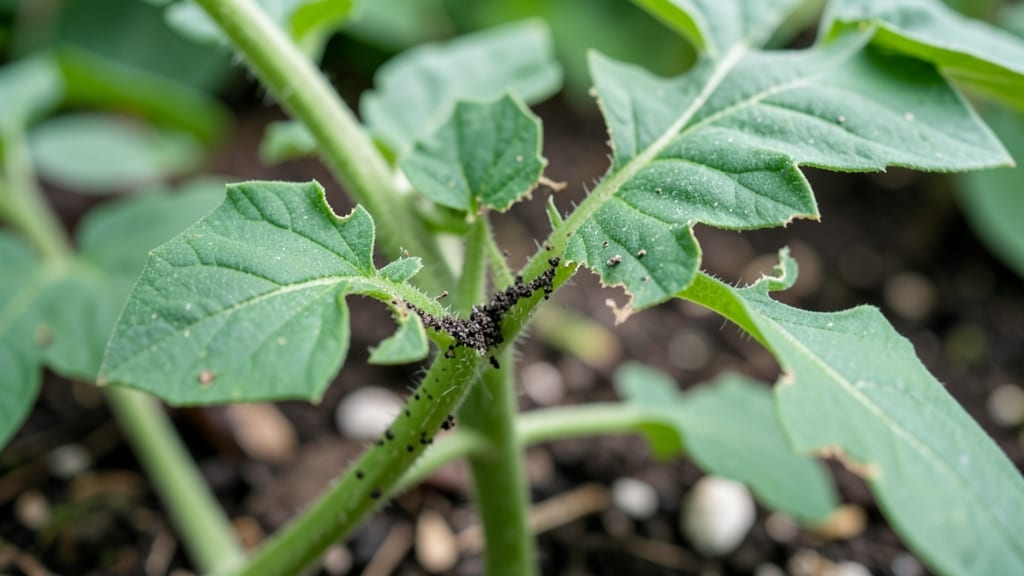
Your garden’s new enemy might be hiding in plain sight—cutworm leaf damage turns lush plants into skeleton leaves overnight. 🌱 I’ve watched these nighttime bandits chew through seedlings and mature plants alike, and the key to stopping them is knowing exactly what to look for, how to act fast, and which tricks actually work.
The damage tells the story: ragged holes in leaves, stems cleanly severed at soil level, or entire plants toppled like dominoes. Cutworms aren’t picky—they’ll attack tomatoes, peppers, beans, and even your prized flowers.
The good news? You don’t need chemicals to win this battle. A few simple tools—like diatomaceous earth, row covers, or even a flashlight at dusk—can turn the tide before you lose another plant.
What you’ll learn here is how to spot the damage early, pull cutworms by hand (yes, really), and set up barriers that keep them out for good.
No more waking up to a garden full of chewed leaves—just healthy plants that thrive from spring to fall. The secret? Acting before the worms act.
Whether you’re dealing with a first-time infestation or a recurring problem, these methods work in vegetable gardens, flower beds, and even container plants. Let’s get your garden back to its full, unchewed glory.
The Hidden Culprits Behind Leaf Loss
When your garden’s leaves start looking like they’ve been through a cutworm buffet, it’s often the work of tiny, nocturnal pests that thrive in the right conditions. Understanding why these caterpillars target your plants—and how they do so much damage so quickly—is the first step to stopping them.
Let’s break down the key factors that turn your lush foliage into a cutworm’s all-you-can-eat salad.
Cutworms are masters of stealth, emerging under the cover of darkness to chew through leaves, stems, and even young seedlings. Their nocturnal habits make them hard to spot during the day, but their damage is unmistakable. Here’s why they strike after sundown:
- Predator Avoidance: Birds, spiders, and other daytime predators avoid cutworms when they’re hidden in the soil or leaf litter. Once night falls, they crawl out to feed without interference.
- Higher Humidity: Moisture levels rise at night, which cutworms prefer. Their soft bodies can dry out quickly in hot, dry conditions, so they wait for cooler, damper air to hunt.
- Cooler Temperatures: Many cutworm species are more active in temperatures between 60–75°F (15–24°C). If your garden stays warm into the evening, expect round-the-clock munching.
💡 Pro Tip: Shine a flashlight on your garden at dusk or dawn—you might spot cutworms in action or see their telltale silver trails (frass) on leaves.
Cutworms love soil that’s too moist or compacted, as it provides the perfect hiding spot and easy access to tender plant stems. Here’s how your gardening habits might be inviting them:
- Excessive Irrigation: Overwatering keeps the soil soft and cool, making it easier for cutworms to burrow and move undetected. Dry spells can also stress plants, making them more vulnerable to attack.
- Thick Mulch or Debris: Piles of leaves, grass clippings, or thick mulch create cozy microclimates where cutworm eggs hatch and larvae thrive. They use this cover to loop around stems (hence the name “cutworm”) and sever them at ground level.
- Weak or Stressed Plants: Young seedlings, recently transplanted plants, or those struggling from disease are easy targets. Cutworms prefer plants with tender, succulent growth—like basil, lettuce, or tomatoes.
✨ Actionable Fix: Reduce overhead watering and opt for drip irrigation to keep soil moisture even but not soggy. Rake away thick mulch layers around susceptible plants.
Cutworms don’t just appear out of nowhere—they follow a life cycle that peaks at specific times, often coinciding with your planting schedule. Here’s how seasons play a role:
| Season | Cutworm Activity | Why It Happens |
|---|---|---|
| Spring | High egg-laying and hatching | Warm soil triggers eggs laid the previous fall to hatch. Newly emerged larvae seek out fresh spring growth. |
| Summer | Peak feeding and pupation | Longer nights and consistent moisture support rapid growth. Larvae may reach 1.5–2 inches (4–5 cm) before pupating. |
| Fall | Adult moths lay eggs for next year | Female moths deposit eggs in soil or leaf litter, timing them to hatch in spring when food is abundant. |
📊 Key Insight: If you notice damage right after planting, it’s likely from overwintering larvae that survived the cold. Fall is also critical—clean up garden debris to disrupt their life cycle.
Cutworms aren’t just a backyard nuisance—they’re influenced by larger ecological and farming practices. Here’s how your surroundings might be contributing:
- Monoculture Planting: Gardens with large patches of the same crop (e.g., a massive tomato bed) create a cutworm buffet. They’re drawn to abundant, uniform food sources.
- Nearby Grass or Weeds: Cutworms often originate from grassy areas, lawns, or weedy fields. Moths lay eggs in these zones, and larvae migrate to gardens when plants are vulnerable.
- Climate Changes: Warmer winters in many regions mean fewer natural freezes to kill off cutworm eggs or larvae. Mild winters = more survivors ready to feast.
🌡️ Long-Term Strategy: Introduce diverse plantings (e.g., interplant flowers with veggies) to disrupt cutworm patterns. Remove grassy borders around gardens to reduce their starting points.
Quick Fixes for Chewed Leaves
When cutworms turn your garden into a buffet, acting fast is key! These nocturnal nibblers can strip plants bare overnight, but with the right strategies, you can reclaim your garden’s health.
Below, we’ve mapped out practical, step-by-step solutions tailored to the root causes of cutworm leaf damage—whether it’s hiding pests, weak plants, or poor soil health. Plus, we’ll share prevention tips to keep your greens safe long-term.
Problem: You’ve spotted ragged leaves, wilting seedlings, or half-eaten plants—classic signs of cutworm activity.
Fix It:
- 🔍 Hunt at Dusk or Dawn Cutworms are most active when the sun is low. Use a flashlight to inspect the base of plants, under mulch, or along soil cracks. Look for green or brown caterpillars (1–2 inches long) with smooth, hairless bodies.
- 👨🍳 Handpick or Trap Them - Drop the Boot: Place a shallow container (like a tin can) filled with soapy water near affected plants.
Cutworms will crawl in and drown. - Glove Up: Wear thick gardening gloves and pluck them off plants, dropping them into a bucket of soapy water. Pro tip: Do this after watering—cutworms come to the surface to feed!
- 🌙 Use Light Traps Place a white sheet or board near your garden and shine a lamp on it at night. Cutworms will gather on the surface, making them easy to collect.
- 🐛 Introduce Natural Predators Encourage birds, toads, and beneficial insects (like parasitic wasps) by adding a small water source or leaving some leaf litter. These critters love cutworm snacks!
Problem: Young or weak plants are the cutworms’ favorite targets because they’re easy to overpower.
Fix It:
- 🌱 Strengthen Seedlings
- Collars: Wrap the base of seedlings with cardboard collars (cut from toilet paper rolls or stiff paper) to create a physical barrier. Secure with tape or soil.
- Diatomaceous Earth: Sprinkle food-grade DE around the stem (but not directly on leaves). It’s a natural, abrasive powder that dehydrates cutworms. Reapply after rain!
- 🌡️ Mulch Strategically Avoid thick mulch piles near plants—cutworms hide and thrive there. Instead, use straw or coarse mulch in a thin layer (1–2 inches) to deter them while keeping soil moist.
- 🎯 Plant Resistant Varieties Some plants, like marigolds, basil, and thyme, repel cutworms naturally. Interplant them with vulnerable crops (e.g., lettuce or cabbage) to confuse the pests.
Problem: Rich, moist soil attracts cutworm eggs and larvae, creating a breeding ground.
Fix It:
- 🔪 Tillage (Timing Matters!)
- Avoid tilling in spring when eggs are hatching. Instead, till before winter to expose overwintering pupae to cold.
- In summer, shallow tilling (1–2 inches) can disrupt cutworm larvae without harming beneficial soil organisms.
- 💡 Soil Solarization For severe infestations, use black plastic sheeting to cover soil for 4–6 weeks in hot weather. The trapped heat kills eggs and larvae. Best for greenhouse or high-value crops.
- 🌿 Crop Rotation & Cleanup
- Rotate crops annually to starve cutworms of their favorite hosts.
- Remove garden debris, weeds, and old plant material in fall to eliminate hiding spots.
Once you’ve tackled the immediate damage, proactive steps will keep cutworms at bay:
- 🌙 Night Patrols: Check plants weekly during the growing season, especially after rain (cutworms are more active). - 🥗 Healthy Soil = Happy Plants: Amend soil with compost to boost plant resilience.
Stronger plants recover faster from damage. - 🎯 Trap Cropping: Plant a sacrificial crop like radishes or lettuce far from your main garden. Cutworms will go for these first! - 🐝 Beneficial Nematodes: Apply Heterorhabditis bacteriophora (a microscopic worm) to soil.
They seek out and kill cutworm larvae naturally. Best used in early spring or fall. - 📅 Timely Planting: Avoid planting susceptible crops (e.g., tomatoes, peppers) in early spring when cutworm populations peak.
Final Thought: Cutworms may be sneaky, but they’re not invincible. Combine quick fixes with preventive habits, and your garden will stay lush and pest-free. 🌱✨
Frequently asked questions about cutworm leaf damage
How can I tell if my plants have cutworm damage vs. other pests?
Cutworm damage has distinct signs: look for ragged, jagged holes in leaves or stems cleanly severed at soil level. Unlike aphids (which leave sticky residue) or slugs (which create smooth, slime trails), cutworms leave no slime—just precise cuts. Check at dusk with a flashlight for 1–2 inch green/brown caterpillars hiding in leaf litter or soil cracks.
Will neem oil or insecticidal soap work on cutworms?
Neem oil and insecticidal soap can help, but they’re not the most effective against cutworms. These pests hide in soil during the day, so sprays miss them. For better results, use diatomaceous earth around plant bases or handpick them at night. Neem oil works best as a preventive spray on leaves to deter moths from laying eggs.
Can I use cardboard collars to protect seedlings from cutworms?
Cut toilet paper roll-sized collars from cardboard and wrap them around seedlings, burying 1 inch into the soil. This physical barrier blocks cutworms from chewing stems. Remove collars once plants are 3–4 inches tall and strong enough to fend off pests. For extra protection, combine with diatomaceous earth at the soil line.
Why do cutworms seem worse after rain?
Cutworms thrive after rain because moisture softens the soil, making it easier for them to move and hide. The damp conditions also trigger their activity—larvae surface to feed when soil is wet. To reduce damage, water early in the morning so plants dry faster, and avoid overhead watering near plant bases where cutworms lurk.
Are there any plants that naturally repel cutworms?
Yes! Plant marigolds, basil, thyme, or dill near vulnerable crops like tomatoes or lettuce. These plants release scents that mask plant odors cutworms use to find food. Another trick: interplant radishes or lettuce as "trap crops" far from your main garden—cutworms will go for these first, sparing your prized plants.